
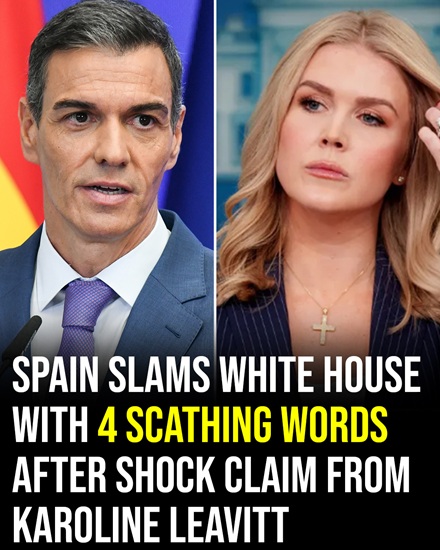
The diplomatic relationship between Spain and the United States, traditionally marked by cooperation in trade, defense, and NATO commitments, has entered an unprecedented period of tension.
This deterioration stems from contrasting positions on the war triggered by U.S. and Israeli military strikes against Iran, which began in late February 2026.
What initially appeared as a nuanced difference of opinion on foreign policy has rapidly escalated into a highly public dispute, featuring sharp rhetoric, contradictory statements from both sides, and the looming threat of economic retaliation. The standoff is unfolding against the backdrop of a major international crisis with wide-ranging implications for European security, transatlantic alliances, and international law.
Early Stages of the Conflict
The immediate origins of the dispute lie in the military actions undertaken by the United States and Israel against Iranian targets in late February 2026. These strikes, framed by Washington as a response to ongoing Iranian aggression in the region, were described as precise, targeted operations aimed at neutralizing military installations. While some NATO members expressed tentative support for defensive measures, Spain publicly dissented, citing concerns over legality, sovereignty, and the potential for regional escalation.

The Spanish government’s position was made clear in early March 2026, when Prime Minister Pedro Sánchez explicitly refused U.S. requests to use Spanish military bases for operations related to the conflict. Key strategic installations, including the naval air bases at Rota and Morón in Andalusia, which host U.S.
Navy vessels and aircraft under longstanding bilateral defense agreements, were off-limits for these strikes. Madrid framed this decision within the context of international law, particularly the United Nations Charter, which Spain contends does not authorize unilateral military action without Security Council approval.
Foreign Minister José Manuel Albares provided further clarity, emphasizing that Spain’s objections were not directed against the United States per se, but rather against what Madrid viewed as actions inconsistent with international legal norms.
In statements broadcast widely on national media, Albares stressed that Spain “condemns violence and seeks protection of civilians” but cannot allow its territory to be used for operations that violate the principles of the UN Charter or its own national laws. Under Spanish legislation, any foreign military action originating from Spanish soil must receive explicit approval from the government and comply with the legal framework established by both domestic law and bilateral agreements.
Immediate Operational Impact
Spain’s refusal to authorize U.S. military use of its bases had immediate logistical implications. Flight tracking and operational data indicate that critical assets, including Boeing KC‑135 Stratotankers used for mid-air refueling, were withdrawn from Spanish facilities and redeployed to allied bases in Germany and France. This adjustment, while operationally feasible, underscores the strategic importance of Spanish bases in U.S. global military logistics and the potential operational limitations imposed by Madrid’s stance.
The decision also highlighted Spain’s broader “No to War” policy. Prime Minister Sánchez, echoing a longstanding preference for diplomatic solutions, repeatedly framed the country’s position in simple but forceful terms: “No a la guerra” — “No to war.” In multiple addresses, Sánchez cited Spain’s historical experiences with foreign conflicts, particularly the 2003 invasion of Iraq. He underscored the consequences of that war, including increased regional instability, the rise of jihadist terrorism, and the migration crises that affected Europe and the Mediterranean region. These historical lessons, according to Sánchez, shape Spain’s current foreign policy and reinforce the government’s commitment to avoid involvement in unilateral military actions lacking broad international support.
Contradictory Narratives and Media Friction
The situation was further complicated by public statements from the White House. On March 3, 2026, press secretary Karoline Leavitt publicly suggested that Spain had reversed its position and agreed to cooperate with U.S. military objectives. Leavitt’s remarks appeared designed to demonstrate NATO cohesion and counter narratives of European dissent. However, Spanish officials immediately rejected these claims. Albares issued a categorical denial on Spanish national radio, emphasizing that Spain’s position “has not changed one iota” and that the government would not participate in operations outside the scope of international law.
Albares’ response was particularly notable for its directness, explicitly contrasting his authority as foreign minister with that of the White House press secretary. His statement, “She may be the White House press secretary, but I am the foreign minister of Spain, and I am telling her that our position hasn’t changed at all,” signaled a firm diplomatic rebuke. The insistence on sovereignty and legal adherence underscored Spain’s determination not to allow external narratives or pressure to influence national policy.

Escalation: U.S. Presidential Remarks and Economic Pressure
The dispute intensified with public commentary from President Donald Trump. In remarks aired on international media, Trump criticized Spain’s stance, described Spanish leadership as “terrible,” and suggested that the U.S. could potentially use Spanish bases “if we want,” implying that Madrid’s consent might be bypassed. Moreover, Trump hinted at economic retaliation, threatening to limit or sever trade relations between the United States and Spain if the country persisted in its refusal.
This introduced an economic dimension to the dispute. Spain and the U.S. maintain substantial trade relations, with bilateral imports and exports contributing significantly to Spain’s GDP. Legal and trade experts have noted that unilateral U.S. attempts to disrupt trade with an EU member could provoke broader consequences, as trade agreements with the European Union are negotiated collectively rather than bilaterally with individual member states.
Additionally, U.S. Treasury Secretary Scott Bessent publicly suggested that Spain’s refusal could endanger American military personnel by constraining operational flexibility. Such statements were widely interpreted as an effort to frame Madrid’s legal and sovereign objections as a potential threat to U.S. security, adding further tension to the diplomatic standoff.
As the diplomatic clash between Spain and the United States deepened, Madrid has consistently reinforced its position of non-cooperation with U.S.-led military actions against Iran. Unlike some European allies who have signaled conditional support for defensive measures, Spain’s approach is firmly grounded in legal principles, historical experiences, and domestic political realities. This section explores Spain’s sustained denials, reactions within the European Union (EU) and NATO, and the broader geopolitical context that has amplified the dispute.
Spain’s Continued Denials and Legal Foundations
Following the White House’s claims that Spain had shifted its position, the Spanish government maintained repeated public affirmations that no such change had occurred. Foreign Minister José Manuel Albares and Prime Minister Pedro Sánchez reiterated that Spanish bases would not support any unilateral military strikes not authorized by international law. Official statements emphasized that while Spain remains committed to NATO obligations and the collective defense of its allies, any use of Spanish territory for military operations must comply with:
- The United Nations Charter – Requiring Security Council authorization for acts of war, except in cases of self-defense under Article 51.
- Bilateral Defense Agreements – Spain’s agreements with the United States, including the 1953 Pact of Madrid and subsequent treaties, require explicit Spanish government approval for foreign military operations on Spanish soil.
- Domestic Law and Sovereignty – Spanish law protects national territory from use in military operations that contravene international law, emphasizing parliamentary oversight and executive accountability.
Madrid’s legal argument is both procedural and normative. Procedurally, it asserts that unilateral U.S.-Israeli strikes do not meet the criteria for lawful engagement under the UN Charter. Normatively, Spain positions itself as a defender of international law, arguing that participation in the conflict without multilateral authorization could undermine global stability and set a dangerous precedent for future conflicts.

Domestic Political Considerations
Domestic politics have played a significant role in shaping Spain’s response. Public opinion polls indicate that a majority of Spaniards oppose new military interventions in the Middle East, reflecting a long-standing preference for diplomatic solutions over unilateral action. Prime Minister Sánchez has leveraged this sentiment, framing Spain’s refusal not merely as a legal obligation but as a reflection of the values and interests of Spanish citizens.
Opposition parties have expressed mixed reactions. Some conservative factions have criticized Sánchez for appearing inflexible and risking tension with a key ally, the United States. However, left-wing parties and influential civic organizations have largely supported the government’s stance, emphasizing the need to avoid entanglement in conflicts that lack international legitimacy. By maintaining a consistent position, Sánchez has strengthened his domestic credibility, portraying Spain as principled and independent in its foreign policy.
NATO and EU Reactions
Spain’s decision has resonated throughout Europe, highlighting divisions among NATO members regarding responses to the Iran conflict. Countries such as Germany, France, and the United Kingdom have expressed concern over Iranian military actions but have couched their support for potential defensive measures in terms of NATO coordination and multilateral approval. Spain, in contrast, has adopted a more stringent stance, underscoring its insistence on strict adherence to international law.
Within the EU, Spain’s position has sparked debate about the limits of alliance solidarity versus national sovereignty. While some EU member states have privately acknowledged the prudence of Madrid’s caution, others have voiced frustration, fearing that Spain’s refusal could complicate broader European responses to regional security threats. Diplomatic cables and reports suggest that Spain’s insistence on legality and restraint has been praised by legal scholars and human rights advocates, while simultaneously being perceived as a potential obstacle by allies eager for a coordinated military posture.
International Reactions and Geopolitical Implications
Spain’s stance has also attracted attention beyond Europe. Iranian officials and allied governments have publicly welcomed Madrid’s refusal to participate in operations, framing it as a rare example of Western dissent. Conversely, U.S. officials have characterized the position as potentially obstructive, emphasizing operational and logistical challenges posed by the withdrawal of key assets from Spanish bases.
Strategic analysts have noted that Spain’s actions illustrate the delicate balance NATO faces in managing national sovereignty, alliance obligations, and rapid military response. The dispute underscores the challenges inherent in coalitions where member states possess differing legal interpretations, historical experiences, and domestic political pressures. Spain’s position also reflects a broader debate over the proper role of multilateral institutions, including the UN, in authorizing military action and maintaining international norms.
Public Diplomacy and Media Coverage
The public dimension of the dispute has been amplified by extensive media coverage in both Spain and the United States. Spanish media have largely framed the government’s actions as a defense of legal principles and national sovereignty, highlighting Sánchez’s historical references to past conflicts, such as the Iraq War, and the potential humanitarian consequences of military escalation. In contrast, American media coverage, particularly in outlets aligned with the Trump administration, has emphasized the operational challenges posed by Spain’s stance, portraying it as an impediment to U.S. objectives.
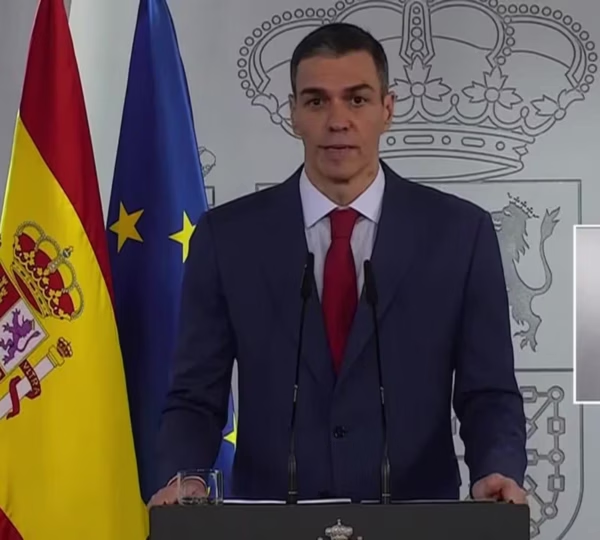
Social media has also become a battleground for narrative control. Analysts note that misinformation and mischaracterizations have proliferated, including exaggerated claims about Spain’s supposed willingness to cooperate with U.S. forces. Spanish officials have been actively engaged in public diplomacy, issuing clarifications and using media appearances to counteract such narratives. These efforts aim to maintain domestic credibility while signaling to the international community that Spain’s position is deliberate, lawful, and consistent.
Economic Considerations and Threats
Economic stakes have emerged as a significant factor in the dispute. President Trump’s public threats to limit or sever trade relations with Spain added a new layer of complexity, intertwining foreign policy and economic coercion. Spain is an important trading partner for the United States, exporting goods ranging from automotive products to agricultural commodities, while importing technology, energy, and defense-related equipment. Any disruption to these trade flows could have consequences for both economies, though experts argue that unilateral U.S. actions against a single EU member state would face legal and procedural barriers under EU trade regulations.
Moreover, Spanish officials have emphasized that national security and legal obligations take precedence over economic pressures. This approach reinforces Spain’s broader messaging that the country will not compromise principles for expediency, framing the dispute not as a transactional disagreement but as a test of international norms, alliance solidarity, and sovereign decision-making.
As the dispute between Spain and the United States over the Iran conflict continues, analysts, policymakers, and international observers are closely monitoring the broader implications for alliances, regional security, and global diplomatic norms. Spain’s insistence on a legalistic and principled approach has not only highlighted the limits of unilateral action but has also prompted debates about the future of NATO cohesion, EU diplomacy, and the role of international law in conflict resolution.
NATO Cohesion and Operational Challenges
Spain’s refusal to permit the use of its military bases for U.S.-led operations against Iran has posed practical challenges for NATO coordination. Spanish bases such as Rota and Morón are critical nodes for logistics, air refueling, and rapid deployment of personnel and equipment. Their exclusion has necessitated the redeployment of assets to allied countries such as Germany and France, which, while operationally feasible, introduces additional complexity in mission planning, fuel consumption, and response time.
Strategic analysts emphasize that Spain’s actions do not represent a breach of NATO commitments. Article 5 of the NATO treaty, which obliges collective defense in the event of an armed attack against a member state, is distinct from unilateral military operations outside the alliance’s consensus framework. Spain’s insistence on international legal compliance reflects a nuanced understanding of NATO’s operational boundaries, highlighting that member states retain sovereign authority over their territory and the conditions under which it can be used for military purposes.
This incident may set a precedent for future conflicts, signaling to NATO members that operational unity cannot override national legal frameworks and domestic political constraints. Analysts suggest that, while short-term operational challenges exist, long-term alliance cohesion could benefit from clearer protocols that respect both collective defense obligations and sovereign decision-making.
European Union Dynamics and Diplomacy
Spain’s stance has also influenced discussions within the European Union. The EU’s Common Foreign and Security Policy (CFSP) encourages coordinated positions on international crises, but member states retain sovereignty over the deployment of their forces and military infrastructure. Spain’s refusal has sparked debate over the balance between EU solidarity and national autonomy.

Some EU members have privately supported Madrid’s emphasis on legal principles, viewing it as a reminder that European security strategy must be anchored in multilateralism and international law. Others have expressed concern that Spain’s inflexibility could hinder rapid European responses to crises, potentially weakening collective deterrence against hostile actors. Diplomatic channels within Brussels have reportedly been activated to mediate discussions and ensure that Spanish actions are understood within the broader framework of EU policy and NATO operations.
Additionally, Spain’s position may influence EU foreign policy in other areas. By asserting its prerogative to deny participation in unilateral operations, Spain strengthens the precedent for member states to insist on legal and multilateral approval before engaging in foreign conflicts. This could affect decisions on military engagements in North Africa, the Sahel, or future Middle Eastern crises, where EU unity is often complicated by differing national priorities and risk assessments.
Global Security and Strategic Significance
The broader implications of Spain’s decision extend beyond Europe. In the Middle East, Madrid’s refusal has been noted by Iranian officials and allies as a rare instance of Western dissent. While this does not alter the course of the military conflict, it has symbolic significance, demonstrating that U.S.-led operations do not automatically garner full Western participation. This dynamic may influence Tehran’s calculations, as well as those of regional actors considering alignment with either the United States or other global powers.
For the United States, the situation presents a challenge in maintaining the perception of alliance unity. Publicly, the administration has sought to portray NATO members as cohesive and cooperative, but Spain’s stance exposes underlying divergences. The American approach, which includes statements from the president, the White House press secretary, and the Treasury Secretary, reflects a combination of operational concern, narrative management, and economic leverage. Spain’s unwavering position, however, illustrates the limits of these tactics and underscores the enduring relevance of sovereignty and legal accountability in global affairs.
Potential Outcomes and Diplomatic Paths
The resolution of this dispute remains uncertain, but several possible scenarios exist:
- Maintenance of the Status Quo – Spain continues to refuse participation, and the United States adjusts operational plans accordingly, relying on alternative bases and resources. In this scenario, both nations maintain formal diplomatic relations but operate with a clear understanding of Spain’s legal and sovereign limitations.
- Diplomatic Mediation and Compromise – EU or NATO intermediaries may facilitate discussions, resulting in a negotiated agreement that allows limited logistical support without violating Spanish law. Such an outcome would demonstrate the capacity of multilateral institutions to reconcile operational requirements with member-state sovereignty.
- Escalation of Rhetoric and Economic Pressure – While less likely, the dispute could intensify if economic or political threats are pursued aggressively. Spain’s legal and constitutional protections, as well as EU trade regulations, would serve as counterweights, but tensions could strain broader transatlantic relations.
- Long-Term Realignment of Military Cooperation Norms – Spain’s principled stance may contribute to a reevaluation of how NATO members coordinate for conflicts not explicitly sanctioned by the UN. Policies regarding the use of member-state territory, approval procedures, and public communication could be clarified, reducing ambiguity in future crises.
Lessons from Historical Context
Spain’s actions cannot be understood in isolation from its historical experiences. The memory of the 2003 Iraq War, widely regarded as destabilizing for the Middle East and Europe, looms large in Spanish political consciousness. The consequences of that conflict—including the rise of jihadist movements, humanitarian crises, and mass migration—have informed both public opinion and government policy. Sánchez and other Spanish leaders frequently reference these lessons to justify a cautious, legalistic approach, emphasizing that premature or unilateral military interventions can have far-reaching and unintended consequences.
This historical context also influences the public’s trust in government decision-making. Polling data suggests that Spaniards broadly support the government’s insistence on legal adherence and multilateral consensus. By aligning policy with public sentiment, Spain reinforces democratic legitimacy in its foreign policy decisions, even in the face of external pressure.
Media, Public Diplomacy, and Narrative Control
The ongoing dispute has underscored the importance of narrative control in international relations. Spanish authorities have actively countered misinformation and clarified their position across multiple channels, including press briefings, radio interviews, and official statements. These efforts serve not only to inform domestic audiences but also to communicate Spain’s stance to international partners, media outlets, and policymakers.
American media coverage, particularly outlets sympathetic to the Trump administration, has at times emphasized operational limitations caused by Spain’s refusal. Spanish responses aim to balance transparency with strategic messaging, reinforcing the principles of sovereignty, legality, and diplomatic prudence.
Conclusion: A Test of Sovereignty, Law, and Alliance Solidarity
The diplomatic dispute between Spain and the United States over the Iran conflict illustrates the complex interplay between national sovereignty, alliance obligations, and international law. Spain’s steadfast refusal to allow its military bases to be used for unilateral U.S. strikes demonstrates a principled adherence to legal norms, domestic political accountability, and historical lessons. At the same time, U.S. officials’ public statements and threats reveal the challenges of managing alliance cohesion and operational requirements amid differing national perspectives.
The situation remains fluid, with potential ramifications for NATO, the EU, transatlantic trade, and global perceptions of alliance unity. Spain’s insistence on a “No to War” policy, grounded in the UN Charter and domestic law, highlights the enduring importance of multilateral decision-making and the limits of unilateral pressure. As this dispute continues to unfold, it provides a critical case study in the balance of power, legal obligations, and principled diplomacy in an era of escalating global tensions.
Ultimately, the clash between Spain and the United States is not merely a bilateral dispute; it is a reflection of broader debates about how nations navigate the intersection of sovereignty, international alliances, and the ethical and legal imperatives of warfare. Spain’s approach underscores the fact that even powerful alliances like NATO must respect the boundaries of national law and democratic accountability, offering a potential model for principled engagement in global conflicts while maintaining respect for multilateral frameworks and international norms.

