
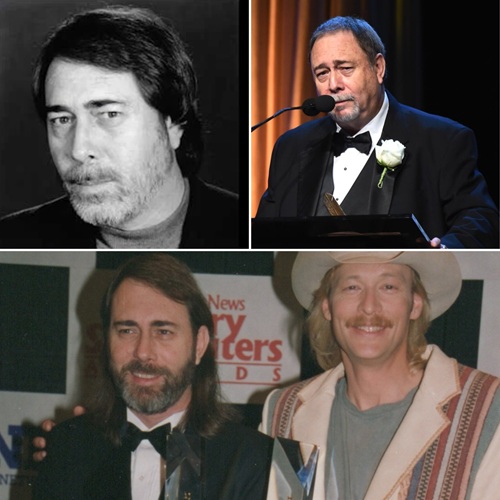
Respected country songwriter Jim McBride has passed away at the age of 78, leaving behind a legacy that profoundly shaped modern country music.
The news was officially confirmed on Thursday, January 8, by the Alabama Music Hall of Fame, an institution that had long celebrated McBride’s contributions to the genre.
His passing marks the loss of not just a prolific songwriter, but also a mentor, innovator, and one of the defining figures behind some of country music’s most enduring hits.
Colleagues, fans, and fellow musicians alike have mourned the departure of a man whose words and melodies became woven into the cultural fabric of American country music.
Born in Huntsville, Alabama, in 1947, Jim McBride’s musical journey began at an early age. Growing up in the 1950s, he was immersed in a household where music was a constant presence.
His family regularly gathered to listen to the Grand Ole Opry on Saturday nights, experiencing live broadcasts that featured the genre’s biggest stars. This early exposure instilled in him a deep appreciation for storytelling through song, a hallmark that would define his career.
The rhythms, lyrical phrasing, and narrative depth of early country music became second nature, shaping his musical sensibilities well before he pursued professional songwriting.
McBride later credited these formative years as pivotal in shaping his understanding of melody, emotion, and the universal appeal of country narratives.
McBride began his professional career in songwriting during the 1970s, a period when Nashville was solidifying its position as the epicenter of country music. He quickly gained a reputation for his ability to craft compelling stories set to memorable melodies, capturing both the heart and imagination of audiences.
Throughout the 1980s and 1990s, McBride became a behind-the-scenes force, collaborating with some of the most influential artists in the genre.
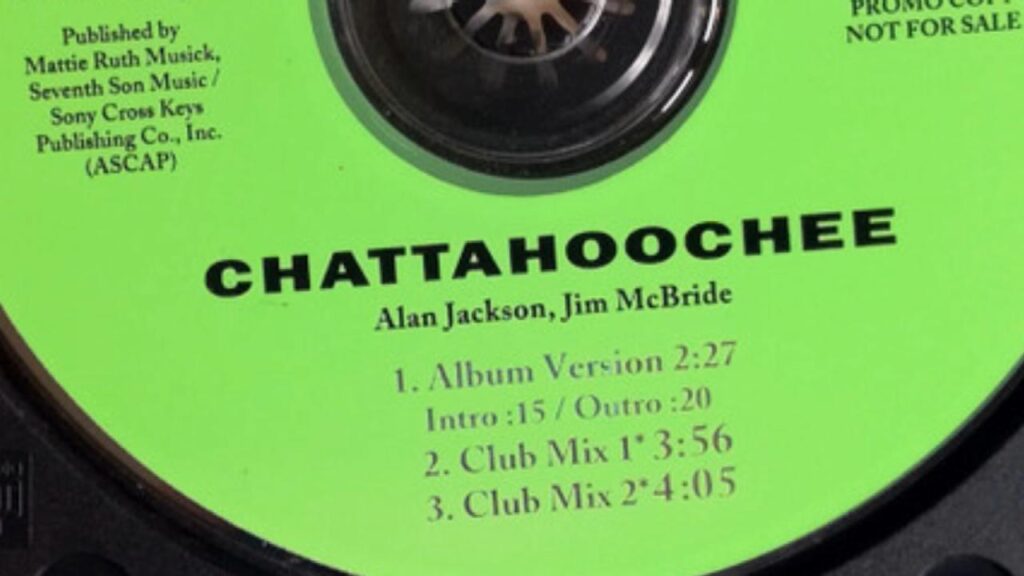
Among his most notable works are his collaborations with Alan Jackson, including the iconic songs “Chattahoochee” and “Chasing That Neon Rainbow,” which are now regarded as classics that helped define the sound of 1990s country music.
According to American Songwriter, the inspiration for “Chattahoochee” originated from the Chattahoochee River near Jackson’s hometown of Newnan, Georgia.

McBride developed the opening lyrics and melody, laying the foundation for a song that captured the essence of youthful summers, first love, and coming-of-age experiences in small-town America.
Alan Jackson then expanded the narrative, resulting in a track that resonated broadly with audiences and reached No. 1 on the Billboard Hot Country Songs chart. The song earned critical acclaim as well, securing CMA awards for both Single of the Year and Song of the Year.
McBride’s knack for storytelling ensured that every line, melody, and cadence connected emotionally with listeners, reflecting the lived experiences of ordinary Americans in a way that few songwriters could achieve.
Beyond his work with Alan Jackson, Jim McBride’s songwriting portfolio is extraordinary in scope. His songs were recorded by a veritable who’s who of country music legends, spanning multiple generations.
This includes iconic figures such as Johnny Cash, whose emotive performances brought depth to McBride’s lyrics; Kris Kristofferson, known for his narrative-driven songwriting; and Willie Nelson, whose interpretive style lent nuance to McBride’s compositions.
Other artists who brought McBride’s songs to life include George Jones, Reba McEntire, Jerry Lee Lewis, Charley Pride, Travis Tritt, Toby Keith, Dwight Yoakam, The Oak Ridge Boys, Keith Whitley, Crystal Gayle, Gene Watson, Trace Adkins, Alabama, and countless others.
Each collaboration reflected McBride’s versatility and his ability to adapt his writing style to suit the unique voice and artistry of each performer, cementing his reputation as one of the most sought-after songwriters in Nashville.
Industry recognition for McBride’s work was extensive. Over the course of his career, he earned five Grammy nominations for Song of the Year, a testament to both his technical skill and emotional resonance as a songwriter.
He received numerous awards from leading industry organizations, including ASCAP, BMI, CMA, ACM, and Billboard. In 2017, his induction into the Alabama Music Hall of Fame formally acknowledged his contributions to both state and national music culture, celebrating a career that spanned decades.
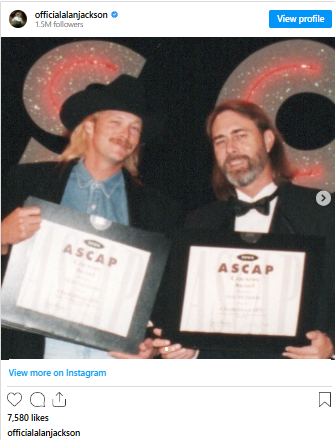
He was later inducted into the Nashville Songwriters Hall of Fame, further cementing his status among the elite of the songwriting community.
Beyond accolades, McBride also served as president of the Nashville Songwriters Association International, advocating for the rights and recognition of songwriters across the industry. His leadership helped foster a culture of respect, mentorship, and support for emerging talent in Nashville and beyond.
Colleagues and collaborators often described McBride not only as a gifted writer but also as a generous mentor. Alan Jackson, in particular, has shared heartfelt tributes following McBride’s passing, emphasizing how pivotal McBride was to his early career.
Jackson credited him with providing guidance, encouragement, and creative insight, noting that their collaborations remain some of his personal favorites. McBride’s mentorship extended to many others in the industry, shaping the careers of countless songwriters who benefited from his experience, advice, and unwavering commitment to excellence.
His approach combined technical mastery with an intuitive understanding of what resonates emotionally with listeners—a skill that ensured his songs would endure long after their initial release.
Jim McBride’s influence on country music extends far beyond his impressive list of credits. While his songs achieved commercial success, they also helped define the emotional and narrative style of modern country.
By blending traditional storytelling with contemporary themes, McBride created music that was both timeless and immediately relatable. His work demonstrated that country music could speak to universal experiences—love, heartbreak, family, growing up, and finding one’s place in the world—while remaining deeply rooted in Southern and rural culture.
Songs like “Chasing That Neon Rainbow” reflected a sense of yearning and ambition, encapsulating the struggles and dreams of ordinary Americans, while “Chattahoochee” celebrated the joys of youthful summers and small-town life.
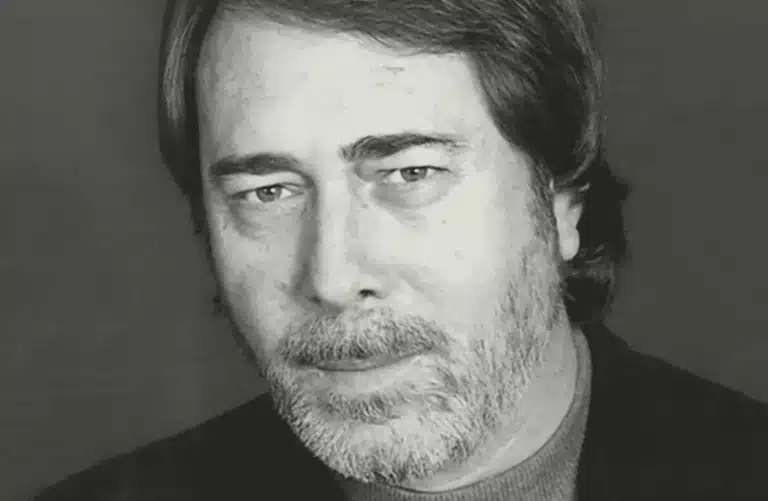
Beyond the content of the songs, McBride’s craftsmanship in melody, structure, and lyrical phrasing set a high standard for songwriters across the industry.
He had an innate ability to create hooks that were catchy yet meaningful, choruses that resonated with audiences instantly, and verses that told stories with depth and nuance.
Many songwriters who studied his work note his economy of words—how he could convey an entire narrative or emotional arc in a few precise lines. This skill made his songs appealing not just for performers but also for producers, radio programmers, and critics, who recognized both their artistic and commercial value.
His collaboration with Alan Jackson remains one of the most celebrated partnerships in country music history. Jackson often cited McBride’s guidance as instrumental in shaping his early sound and helping him develop a songwriting voice that could bridge traditional and contemporary country styles.
McBride’s input was not limited to lyrics and melodies; he also offered mentorship on performance, phrasing, and how to connect authentically with an audience. Jackson’s acknowledgment of McBride as a mentor underscores the broader impact of his work: he was not only crafting hits but also nurturing the next generation of country music talent.
McBride’s impact was also felt across multiple generations of artists. His songs were recorded by legends who helped shape the foundations of country music, such as Johnny Cash and Willie Nelson, while also resonating with newer artists like Trace Adkins and Toby Keith.
This cross-generational appeal illustrates McBride’s ability to write music that transcended specific trends or eras. He understood the balance between tradition and innovation, honoring the genre’s roots while exploring contemporary themes that kept country music relevant and evolving.
The cultural significance of McBride’s work cannot be overstated. His songs contributed to the narrative identity of the American South, capturing regional details, accents, and sensibilities in a way that felt authentic to listeners.
“Chattahoochee,” for example, became more than a hit single; it became a cultural touchstone for fans of 1990s country music, evoking memories of rural landscapes, riverside summers, and adolescent freedom.
Similarly, “Chasing That Neon Rainbow” reflects the broader aspirations of small-town life, the pursuit of dreams, and the bittersweet realities of ambition—elements that resonated across demographic boundaries.
By capturing these experiences in song, McBride helped ensure that country music remained a vehicle for storytelling that was simultaneously personal, communal, and universal.
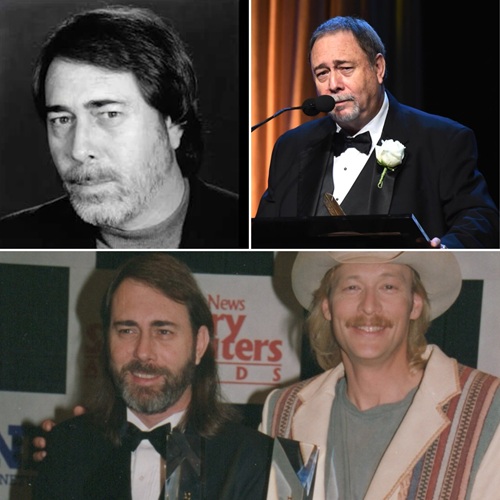
In addition to his songwriting, McBride contributed to the music industry through advocacy and mentorship. As president of the Nashville Songwriters Association International, he championed the rights of songwriters, fought for fair royalties, and worked to protect the intellectual property of creators.
His leadership in this area helped professionalize songwriting as a career, ensuring that writers received recognition and compensation for their contributions.
Many emerging songwriters credit McBride with providing guidance that enabled them to navigate the complex business side of the industry while maintaining their creative integrity.
Industry recognition reflected his immense talent. Beyond multiple Grammy nominations, McBride’s accolades from ASCAP, BMI, CMA, ACM, and Billboard highlighted the broad appreciation for his work.
His induction into the Alabama Music Hall of Fame in 2017 celebrated his state-level impact and influence, while the Nashville Songwriters Hall of Fame recognized his national significance.
These honors, combined with the respect of his peers, cemented McBride’s reputation as a songwriter whose contributions were both profound and enduring.
Colleagues recall his generosity and humility. Despite decades of success, McBride remained approachable, often sharing insights with young songwriters and emphasizing collaboration over competition.
He was known for his meticulous attention to lyrical detail and melody, yet he valued authenticity above all else.
This combination of technical skill, mentorship, and genuine passion for storytelling ensured that his legacy would endure not just in charts and awards but in the lives of the artists he influenced and the listeners who loved his songs.
Following his passing, tributes from the country music community poured in. Alan Jackson, in particular, expressed gratitude for McBride’s influence on his career, noting that their work together shaped some of the most meaningful songs of his life.
Other artists highlighted the timeless quality of McBride’s lyrics and melodies, emphasizing how they continue to resonate with new generations of fans.
The enduring popularity of songs like “Chattahoochee” and “Chasing That Neon Rainbow” demonstrates that his music is not merely a reflection of a moment in time but a lasting part of the American cultural landscape.
In conclusion, Jim McBride’s passing represents the loss of a monumental figure in country music. His songs, spanning decades and performed by legendary artists, helped shape the genre’s modern sound and emotional depth.
Through his craft, mentorship, and leadership, McBride left an indelible mark on the music industry, influencing countless artists and delighting millions of listeners.
His legacy is preserved not only in the charts and awards that recognize his accomplishments but also in the enduring relevance of his music—songs that continue to capture the heart, the imagination, and the spirit of country storytelling. For fans of the genre, Jim McBride will always be remembered as a masterful songwriter whose melodies and words will resonate for generations to come.
