

On Monday, the U.S. Senate confirmed former Georgia Senator David Perdue to serve as President Donald Trump’s latest ambassadorial appointee to China.
Marking a significant move in U.S.-China relations. The vote concluded 64-27 in favor of cloture, surpassing the 60-vote threshold required to advance the nomination.
While Perdue had previously served as a Republican senator, the confirmation drew attention not only for its implications on trade and national security but also for the bipartisan dynamics reflected in the vote, with more than a dozen Democratic senators joining Republicans in support of his appointment.
Perdue’s new role is widely regarded as strategically important, given the increasingly complex trade negotiations, technological competition, and geopolitical considerations involving the world’s second-largest economy.
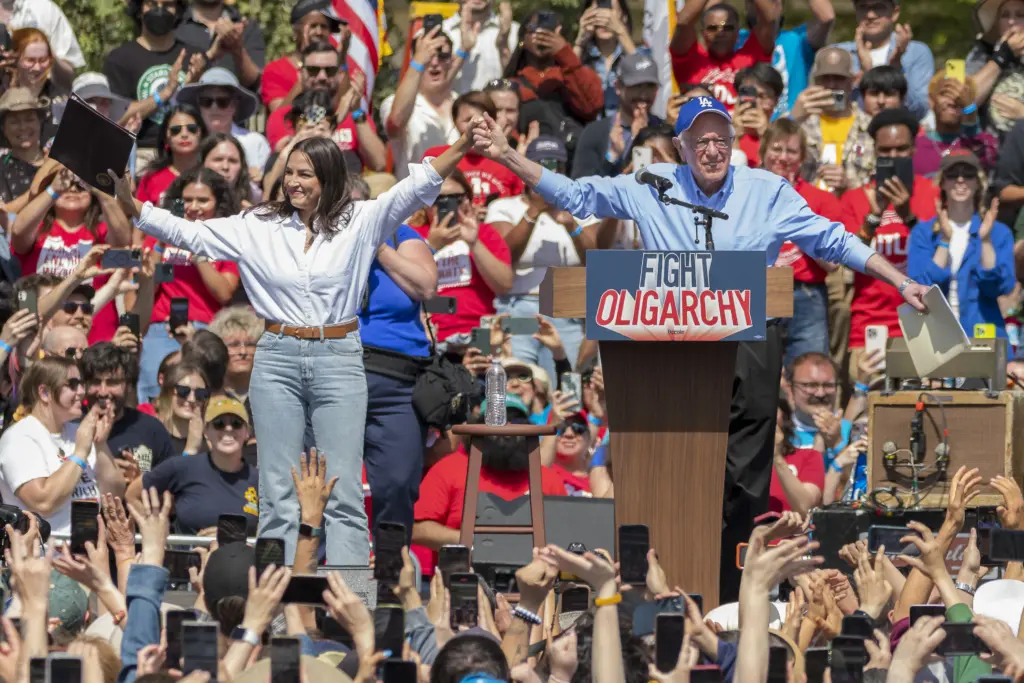
Observers noted that this confirmation signals a continuity of Trump-era foreign policy priorities, particularly regarding economic leverage, supply chain security, and diplomatic engagement in the Indo-Pacific region.
Background: David Perdue and Recent Political Moves
David Perdue, a former Republican senator from Georgia, has been no stranger to high-profile political contests. In 2022, Trump endorsed Perdue in an attempt to challenge incumbent Governor Brian Kemp during the Republican primary.
Despite Trump’s support, Perdue was unsuccessful in unseating Kemp, highlighting the complexity of intra-party dynamics in Georgia and the broader Republican Party.
Perdue’s confirmation as ambassador now places him in a position of influence on the international stage, reflecting both his prior legislative experience and his alignment with Trump-era policies.
Analysts argue that his background in business, finance, and politics equips him to navigate the delicate balance of diplomacy, economic interests, and national security considerations required for such a role.
Democratic Party Faces Growing Challenges
Meanwhile, the Democratic Party continues to confront significant challenges, particularly among younger voters.
A recent survey conducted by the Harvard Kennedy School’s Institute of Politics shows approval of congressional Democrats among young voters has fallen to 23 percent, down sharply from 42 percent in early 2017.
This decline has raised concerns about the party’s ability to maintain its influence among emerging generations, especially as issues such as student debt, climate policy, housing affordability, and social justice remain top priorities for young constituents.
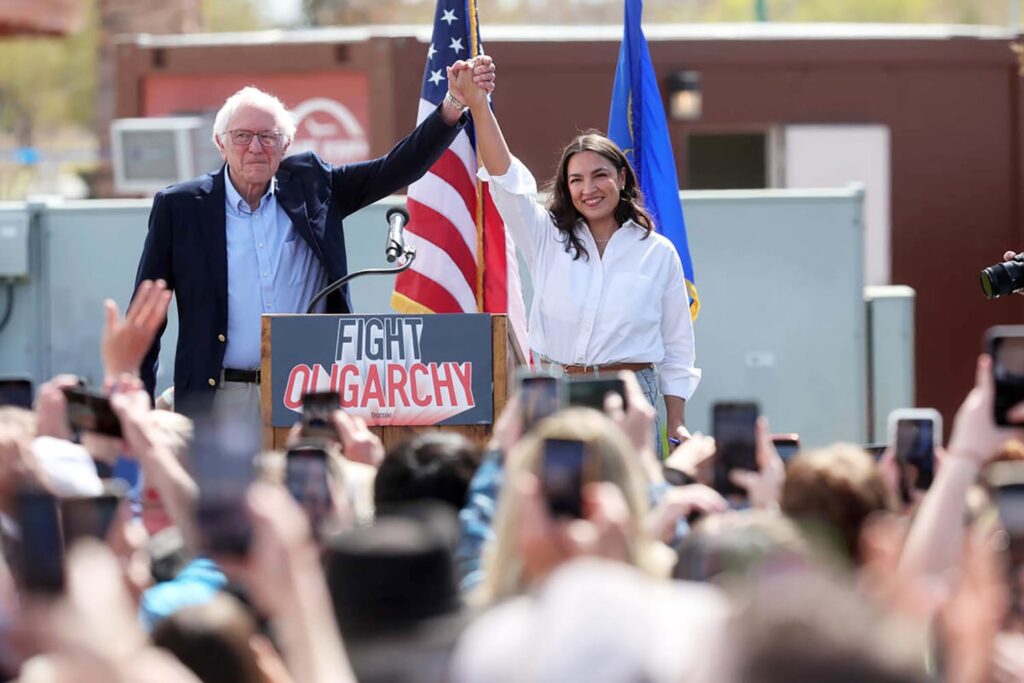
The data suggests a perceived disconnect between the Democratic leadership and younger voters, many of whom feel that the party’s current trajectory does not adequately reflect their values or address their concerns.
Commentary from Media Voices
Brett Cooper, host of “The Brett Cooper Show,” has articulated concerns echoed by many in her generation. During a recent appearance on Fox & Friends, she emphasized that young voters increasingly feel unrepresented by the Democratic Party, citing both aging leadership and internal party divisions.
“Democrats are completely out of touch with their voter base,” Cooper said. “They are aging out. We do not want them in Congress anymore, on the left or the right.”
She specifically mentioned senior figures, including Senator Dick Durbin, who recently announced his retirement, as examples of an older generation of lawmakers increasingly disconnected from the priorities and perspectives of younger Americans.
Cooper also highlighted the intra-party tensions within the Democratic Party, noting a tug-of-war between the more radical left and the centrist wing. “If young voters dislike Donald Trump, they’re frustrated that Democratic representatives aren’t pushing back enough.
If they favor moderation, they’re angry that the party has moved too far left. Many feel completely abandoned,” she explained.
Polls Reflect Generational Discontent
Multiple polls provide empirical support for these observations. The Harvard Kennedy School survey shows not only declining approval of Democrats among young voters but also a modestly higher approval rating for Republicans at 29 percent.
While still a minority, this marks an increase in Republican support among a demographic traditionally less likely to vote GOP, suggesting shifting dynamics in generational political alignment.
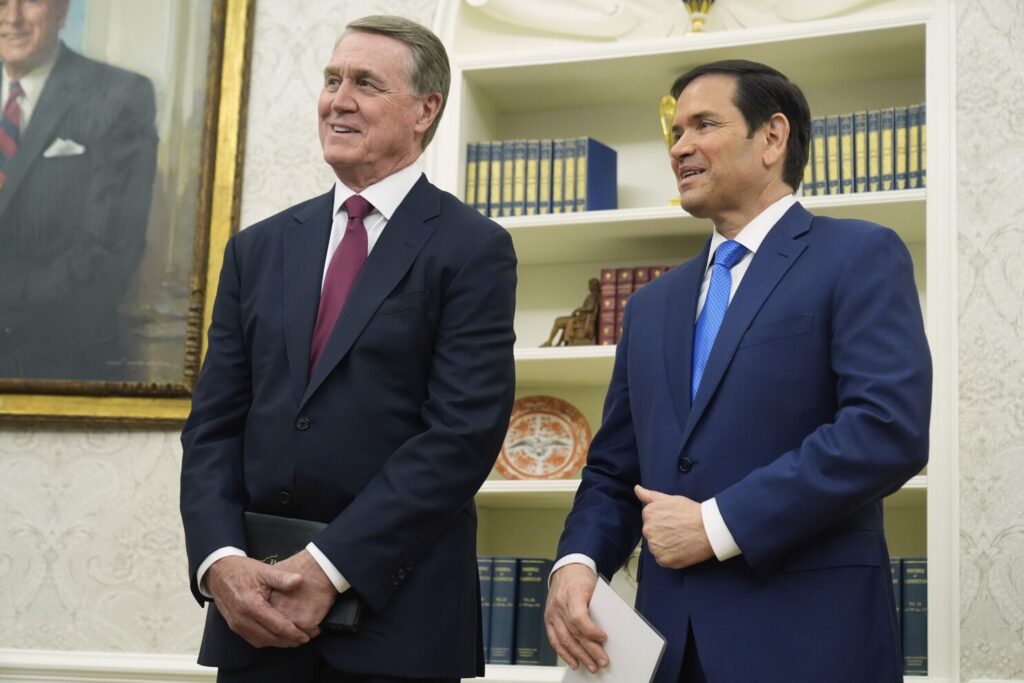
President Donald Trump’s approval rating in this poll stands at 31 percent, a figure comparable to his rating during his first term in office. Analysts note that this indicates a relatively stable base of support, even amid the controversies and partisan debates that continue to dominate U.S. politics.
Emerging Democratic Leaders
The question of new leadership within the Democratic Party has gained traction, particularly as younger voters seek candidates who reflect their priorities and energy. Among the figures frequently mentioned is Representative Alexandria Ocasio-Cortez of New York, whose progressive platform and media visibility resonate strongly with younger constituents.
Data from a recent Data for Progress survey indicates that in a hypothetical 2028 Democratic primary matchup, Ocasio-Cortez leads Senate Majority Leader Chuck Schumer by 19 points.
Of the 767 likely Democratic primary voters polled in New York between March 26 and 31, 55 percent indicated support for Ocasio-Cortez, while only 36 percent favored Schumer.
These results suggest that Ocasio-Cortez’s appeal to younger voters is significant and that her progressive platform may offer a pathway for the party to reconnect with an increasingly skeptical demographic.
The Broader Implications
The polling data reflects more than a personal popularity contest; it underscores broader trends affecting party alignment and voter engagement. Schumer, despite retaining his title as party leader in the Senate, faces declining approval within his own base.
By contrast, Ocasio-Cortez ranks among the most popular Democratic figures nationally, trailing only a handful of high-profile leaders such as Bernie Sanders, Kamala Harris, and Elizabeth Warren.
This contrast illustrates a generational divide and suggests that the Democratic Party may need to reevaluate its strategies and messaging to maintain relevance and cohesion.
Younger voters, who increasingly access political information through social media, digital platforms, and peer networks, often prioritize authenticity, responsiveness, and progressive policy solutions. Party leaders who fail to engage meaningfully with these priorities risk further erosion of support.
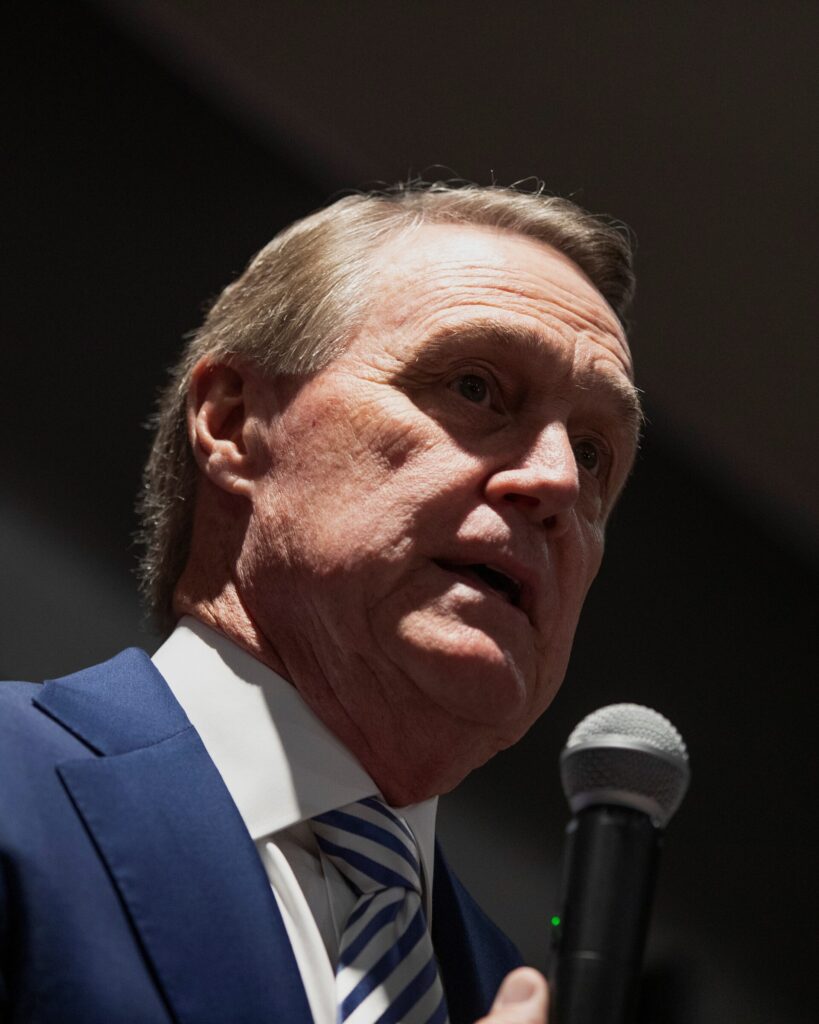
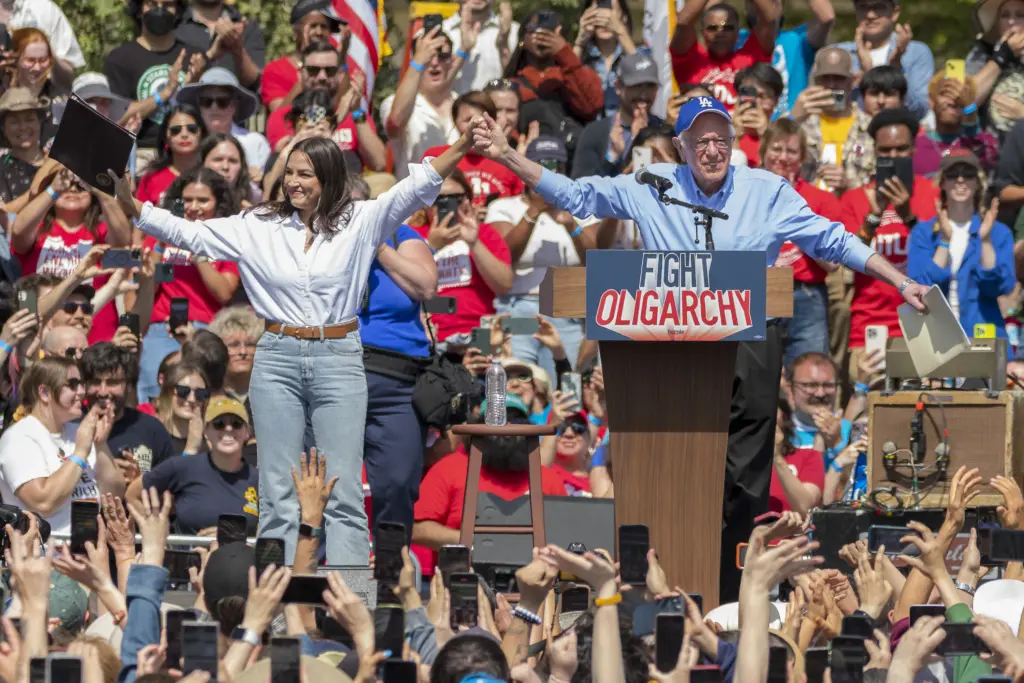
As the Democratic Party grapples with declining approval among younger voters, Representative Alexandria Ocasio-Cortez (AOC) has emerged as a potential figure capable of reshaping the party’s image and reconnecting with disaffected constituents.
Her progressive platform, outspoken communication style, and strategic use of social media have made her a prominent voice among Gen Z and Millennial voters, many of whom feel alienated by traditional party structures.
AOC’s rise reflects a broader generational shift in political engagement. Unlike older members of Congress, who rely on established networks, media appearances, and traditional political messaging, Ocasio-Cortez communicates directly with voters through TikTok, Instagram, X (formerly Twitter), and YouTube, often providing unfiltered insights into her work, policy positions, and political strategy.
This approach resonates strongly with young voters who prioritize transparency, authenticity, and relatability over conventional political optics.
Polling Data Highlights a Generational Divide
Recent polling from Data for Progress illustrates this generational divide vividly. In a hypothetical 2028 Democratic primary matchup, Ocasio-Cortez leads Senate Majority Leader Chuck Schumer by 19 points.
Among 767 likely Democratic primary voters surveyed in New York, 55 percent preferred Ocasio-Cortez, while only 36 percent backed Schumer. These numbers are striking, given Schumer’s long tenure and institutional influence.
The findings indicate that younger voters are not just dissatisfied with current leadership; they are actively seeking alternatives that align more closely with their policy priorities, including climate change action, student debt relief, healthcare expansion, and social justice initiatives.
This trend underscores the importance of intergenerational responsiveness for the Democratic Party’s long-term viability.
Internal Party Dynamics and Tensions
The Democratic Party faces a delicate balancing act, navigating tensions between progressive activists and centrist lawmakers.
Cooper notes that this divide has created a scenario where young voters feel politically stranded: if lawmakers oppose Donald Trump insufficiently, young progressives are frustrated; if lawmakers lean too far left, moderates feel alienated. The result is a no-win situation that risks further disengagement from a crucial voter bloc.
These internal dynamics have implications for legislative strategy, election planning, and party messaging. Leaders like Schumer must weigh the practicalities of governing against the need to inspire and mobilize younger voters, whose participation could be decisive in upcoming primaries and general elections.
Voter Engagement and Digital Politics
One of the most significant challenges for the Democratic Party is adapting to the digital-first communication habits of younger voters. Historically, political engagement relied on rallies, televised interviews, and newspaper coverage.
Today, engagement is often short-form, visually driven, and emotionally charged, demanding constant attention and innovation from political leaders.
Cooper points out that previous tactics — including broad, emotionally evocative speeches, viral videos, and hashtag campaigns — may no longer resonate as effectively.
Younger voters increasingly demand substance, accountability, and interactive dialogue. They are less swayed by symbolism alone and more motivated by demonstrated alignment between rhetoric and action.
Implications for Upcoming Elections
The shifting landscape has serious implications for both local and national elections. If the Democratic Party cannot bridge the generational gap, they risk losing influence in states with substantial young voter populations, particularly New York, California, and key battleground states.
Analysts suggest that primary elections in 2028 could serve as a bellwether, testing the party’s ability to integrate younger voices and perspectives into leadership roles.
Ocasio-Cortez’s potential rise signals a strategic pivot point: embracing younger, progressive leaders could revitalize the party, but it may also intensify debates with more centrist and establishment figures. The party must carefully navigate this tension, balancing innovative policy initiatives with practical governance experience.
Broader Political Context
The confirmation of David Perdue as Trump’s ambassador to China highlights the Republican Party’s ongoing consolidation of influence, particularly in foreign policy and strategic international relations. For Democrats, this underscores the importance of cohesive, forward-looking leadership capable of both policy expertise and effective voter engagement.
Young voters, increasingly attuned to global issues like climate change, international trade, and economic inequality, are watching closely how Democrats respond to both domestic and international challenges.
Effective leadership, therefore, requires not only legislative competency but also the ability to communicate vision, mobilize support, and cultivate trust among a skeptical and digitally connected electorate.
The Path Forward
As the Democratic Party contemplates its future, several key strategies emerge:
Engagement Through Authenticity – Leaders must communicate transparently and consistently with younger voters, demonstrating alignment between words and actions.
Policy Innovation – Addressing pressing concerns like climate change, healthcare, and education is critical to maintaining credibility and relevance.
Intergenerational Collaboration – Bridging the gap between long-serving legislators and emerging leaders like AOC is essential for cohesive strategy and sustained influence.
Adaptation to Digital Media – Understanding and leveraging social media platforms effectively can strengthen connections with younger voters.
Conclusion: Generational Change and Political Relevance
The Democratic Party stands at a pivotal moment in its history. With declining approval among young voters and the rise of dynamic leaders like Alexandria Ocasio-Cortez, the party faces both risks and opportunities. Strategic adaptation, authentic engagement, and thoughtful leadership could restore confidence and energize the next generation of voters.
At the same time, figures like David Perdue’s confirmation remind Democrats that political opposition remains strong and well-organized, emphasizing the need for unity and clarity of purpose.
By addressing both internal and external challenges, the party can position itself not only to retain its base but also to expand influence in key demographic groups and emerging political landscapes.
Ultimately, the future of the Democratic Party may depend on its willingness to listen, adapt, and empower new voices, ensuring that leadership reflects the evolving values and priorities of the nation.
For younger voters, the question remains whether established leaders can bridge the gap between institutional experience and the energy, passion, and vision of a new generation.
