
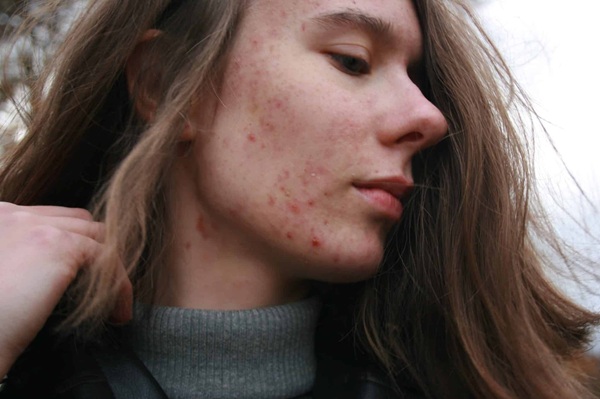
The human face is more than a reflection in the mirror. It is a complex anatomical structure composed of skin, muscles, blood vessels, nerves, connective tissue, and hair follicles.
Each influenced by hormones, immune function, circulation, nutrition, and overall metabolic balance. Because of this intricate connection to the rest of the body, certain facial changes can sometimes offer early clues about underlying health conditions.
It is important to approach this topic carefully and responsibly. Many facial changes are harmless and are most often related to common factors such as stress, aging, sun exposure, genetics, sleep patterns, and diet. A visible symptom on the face does not automatically mean that a person has a medical disorder.
However, when changes are persistent, progressive, unusual for the individual, or accompanied by additional symptoms elsewhere in the body, they may justify a medical evaluation.
This article provides medically grounded information about facial changes that may be associated with underlying health conditions. The goal is awareness—not self-diagnosis. If concerns arise, consultation with a qualified healthcare professional is always the safest and most appropriate step.

In this first section, we will explore eyebrow thinning in detail, including its potential connection to thyroid disease, inflammatory skin conditions, nutritional factors, autoimmune disorders, and hormonal changes.
1. Eyebrow Thinning (Eyebrow Alopecia): What It Can Mean
Eyebrows serve both functional and aesthetic purposes. They protect the eyes from sweat and debris, and they play an important role in facial expression and identity. Like scalp hair, eyebrow hair grows in cycles consisting of a growth phase (anagen), a transitional phase (catagen), and a resting phase (telogen). Disruption of this cycle can result in visible thinning.
Eyebrow thinning, also called eyebrow alopecia, can occur gradually or suddenly. It may affect one eyebrow or both, and it can involve the entire brow or specific sections—most classically the outer third.
While aging is one of the most common reasons for gradual eyebrow thinning, other causes deserve consideration when the change is noticeable, symmetrical, progressive, or accompanied by systemic symptoms.
Hypothyroidism and the Outer Eyebrow Sign
One of the most widely recognized medical associations with eyebrow thinning is hypothyroidism.
Hypothyroidism is a condition in which the thyroid gland does not produce sufficient amounts of thyroid hormones (thyroxine/T4 and triiodothyronine/T3). These hormones regulate metabolism, energy production, temperature control, cardiovascular function, and hair growth.
When thyroid hormone levels decline:
- Hair follicles may prematurely shift from the growth phase to the resting phase
- Hair shafts may become dry, coarse, and brittle
- Overall hair density may decrease
A classic, though not universal, sign of hypothyroidism is thinning of the outer third of the eyebrows. This finding is sometimes referred to in medical literature as “lateral eyebrow thinning.” However, it is important to emphasize that this sign alone is not diagnostic. Many people with hypothyroidism do not experience eyebrow thinning, and many people with eyebrow thinning do not have thyroid disease.
Common symptoms that may accompany hypothyroidism include:
- Persistent fatigue
- Unexplained weight gain
- Cold intolerance
- Dry, rough skin
- Constipation
- Depression or slowed thinking
- Slow heart rate
- Brittle nails
- Puffy face
If eyebrow thinning occurs alongside several of these symptoms, a healthcare provider may recommend thyroid function tests, typically including thyroid-stimulating hormone (TSH) and free T4 levels.
Early diagnosis and treatment of hypothyroidism—often with levothyroxine replacement therapy—can restore hormonal balance and may allow hair growth to gradually recover over time.

Hyperthyroidism and Hair Changes
Although less commonly associated with eyebrow thinning specifically, hyperthyroidism (overactive thyroid) can also cause diffuse hair loss. In hyperthyroidism, excess thyroid hormone accelerates metabolism, which can disrupt the normal hair growth cycle.
Symptoms of hyperthyroidism may include:
- Rapid heartbeat
- Anxiety or irritability
- Weight loss despite normal appetite
- Heat intolerance
- Tremors
- Increased sweating
Hair changes in hyperthyroidism are usually diffuse rather than limited to the outer eyebrows. Still, thyroid disorders in general are important considerations when unexplained hair loss occurs.
Atopic Dermatitis (Eczema) and Inflammatory Damage
Another medically supported cause of eyebrow thinning is chronic inflammatory skin disease, particularly atopic dermatitis.
Atopic dermatitis is a common, chronic inflammatory condition associated with eczema. It often begins in childhood but can persist or appear in adulthood. It is characterized by:
- Dry, sensitive skin
- Redness
- Itching
- Scaling
- Skin barrier dysfunction
When atopic dermatitis affects the face—especially the brow area—persistent inflammation and repeated scratching can damage hair follicles. Over time, this may lead to localized hair thinning.
Unlike scarring alopecia (where hair follicles are permanently destroyed), hair loss from eczema is typically non-scarring. Once inflammation is controlled through appropriate treatment—such as moisturizers, topical corticosteroids, calcineurin inhibitors, or other prescribed therapies—hair often regrows.
However, chronic untreated inflammation increases the risk of prolonged thinning.
Alopecia Areata: An Autoimmune Cause
Alopecia areata is an autoimmune condition in which the immune system mistakenly targets hair follicles. It can affect the scalp, eyebrows, eyelashes, and other body hair.
Eyebrow involvement may appear as:
- Well-defined bald patches
- Sudden hair loss
- Smooth, hairless skin in the affected area
Alopecia areata may occur alone or alongside other autoimmune conditions, including thyroid disorders. The course of the disease is unpredictable. Some individuals experience spontaneous regrowth, while others have recurrent episodes.

Treatment options may include:
- Topical corticosteroids
- Intralesional steroid injections
- Immunotherapy
- Other dermatologic treatments
Early evaluation by a dermatologist can help guide management.
Nutritional Deficiencies and Hair Health
Hair follicles are metabolically active structures that require adequate nutrients to function properly. Deficiencies can contribute to hair thinning, including eyebrow hair.
Common nutritional factors associated with hair loss include:
- Iron deficiency
- Zinc deficiency
- Protein deficiency
- Severe calorie restriction
- Biotin deficiency (rare but possible)
Iron deficiency anemia, in particular, has been associated with diffuse hair thinning. Women of reproductive age may be at higher risk due to menstrual blood loss.
Symptoms of iron deficiency anemia may include:
- Fatigue
- Pale skin
- Shortness of breath
- Brittle nails
- Dizziness
A simple blood test can evaluate iron levels, ferritin (iron storage protein), and complete blood count (CBC).
It is important not to self-supplement excessively without testing. Excessive intake of certain nutrients can be harmful. A healthcare provider can determine whether supplementation is necessary.
Hormonal Changes: Menopause and Beyond
Hormonal shifts play a significant role in hair growth regulation. During menopause, declining estrogen levels can alter the hair growth cycle. Estrogen supports hair growth and density, so lower levels may lead to:
- Thinner scalp hair
- Reduced eyebrow density
- Slower regrowth
This process is typically gradual and symmetrical. Unlike autoimmune causes, it does not produce sharply defined bald patches.
Hormonal imbalances related to polycystic ovary syndrome (PCOS), postpartum changes, or certain medications may also influence hair density.
Chronic Stress and Telogen Effluvium
Severe physical or emotional stress can trigger a condition known as telogen effluvium. In this condition, a large number of hair follicles shift prematurely into the resting phase, leading to noticeable shedding weeks or months after the triggering event.

Common triggers include:
- Major illness
- Surgery
- Childbirth
- Severe emotional stress
- Rapid weight loss
- High fever
While telogen effluvium most often affects scalp hair, it can occasionally contribute to eyebrow thinning as well. The good news is that this condition is typically temporary, and hair regrowth usually occurs within several months once the underlying stressor resolves.
When to Seek Medical Evaluation
Eyebrow thinning may warrant medical evaluation if:
- It appears suddenly
- It affects the outer third prominently
- It is accompanied by systemic symptoms
- There are patchy bald spots
- It continues to worsen over time
A healthcare provider may conduct:
- A physical examination
- Thyroid function tests
- Iron studies
- Hormone testing (if indicated)
- Dermatologic evaluation
Because eyebrow thinning has many potential causes, accurate diagnosis requires a personalized medical assessment.
Why Awareness Matters
Recognizing subtle changes in eyebrow density may allow earlier identification of treatable conditions such as thyroid disorders, nutritional deficiencies, or inflammatory skin disease. Early diagnosis can improve outcomes and prevent complications.
At the same time, it is equally important not to jump to conclusions. Most cases of eyebrow thinning are benign and related to aging, grooming practices, or temporary stress.
Balanced awareness—combined with evidence-based medical care—is the healthiest approach.
The skin is the body’s largest organ and one of its most hormonally responsive tissues. Because of this, changes in hormone levels—especially those involving androgens (commonly referred to as “male hormones,” though present in all sexes)—can significantly affect oil production, inflammation, and hair growth patterns on the face.
Mild acne during adolescence is common and usually related to temporary hormonal shifts during puberty. Similarly, fine facial hair (often called vellus hair or “peach fuzz”) is completely normal in both women and men. However, when acne becomes severe, appears suddenly in adulthood, does not respond to standard treatments, or is accompanied by coarse, dark facial hair growth in women, it may signal an underlying hormonal imbalance.
This section explores the medical mechanisms behind severe acne and unusual facial hair growth, the conditions that may be associated with them, and when it is appropriate to seek medical evaluation.

Understanding Acne: The Biological Mechanism
Acne develops when several processes occur simultaneously:
- Increased oil (sebum) production
- Clogged pores (due to dead skin cell buildup)
- Overgrowth of skin bacteria such as Cutibacterium acnes
- Inflammation
Androgens stimulate sebaceous (oil) glands in the skin. When androgen levels are elevated—or when the skin is particularly sensitive to normal androgen levels—oil production increases. Excess oil can combine with dead skin cells and block pores, creating an environment that promotes inflammation and acne lesions.
Acne linked to hormonal imbalance often has specific characteristics:
- Persistent breakouts beyond adolescence
- Deep, painful cystic lesions
- Acne concentrated along the jawline, chin, and lower cheeks
- Flare-ups around menstrual cycles
- Poor response to typical over-the-counter treatments
When acne is severe, sudden, or resistant to treatment, it may warrant evaluation for an endocrine cause.
Polycystic Ovary Syndrome (PCOS)
One of the most common endocrine disorders associated with severe acne and unusual facial hair growth in women is Polycystic Ovary Syndrome (PCOS).
PCOS is a hormonal condition affecting individuals with ovaries, most commonly during reproductive years. It is characterized by a combination of features rather than a single symptom. Diagnosis typically involves at least two of the following criteria (according to established medical guidelines):
- Irregular or absent ovulation (leading to irregular menstrual cycles)
- Clinical or biochemical signs of elevated androgens
- Polycystic ovarian morphology on ultrasound
How PCOS Affects the Skin
In PCOS, the body produces higher levels of androgens or has increased sensitivity to them. Elevated androgen activity can lead to:
- Increased sebum production
- Persistent or severe acne
- Hirsutism (excess coarse hair growth in areas such as the chin, upper lip, chest, or abdomen)
- Thinning scalp hair in some cases
The acne associated with PCOS is often inflammatory and may not improve with topical therapies alone. Hormonal management may be required.
Additional Symptoms of PCOS
PCOS affects more than just the skin. It is a metabolic and reproductive condition that may include:
- Irregular menstrual periods
- Missed periods
- Difficulty with ovulation and fertility
- Weight gain or difficulty losing weight
- Insulin resistance
- Darkened skin patches (acanthosis nigricans) in some cases
- Increased risk of type 2 diabetes
- Increased risk of metabolic syndrome
Because PCOS can influence long-term metabolic health, early diagnosis is beneficial. Management strategies may include lifestyle modifications, hormonal contraceptives, insulin-sensitizing medications (such as metformin), and anti-androgen therapies when appropriate.
Hirsutism: When Facial Hair Growth Becomes Medical
Hirsutism refers specifically to excessive terminal (coarse, pigmented) hair growth in women in areas where hair is typically minimal or fine. It is distinct from normal vellus hair and is often driven by androgen activity.
Mild facial hair growth can be influenced by genetics and ethnicity and may be completely normal. However, signs that warrant evaluation include:
- Rapid onset of coarse hair growth
- Hair growth accompanied by severe acne
- Deepening voice
- Increased muscle mass
- Irregular menstrual cycles
When multiple signs of androgen excess are present, a healthcare provider may order blood tests to evaluate:
- Total and free testosterone
- DHEA-S (an adrenal androgen)
- LH and FSH levels
- Prolactin (if menstrual irregularities are present)
Imaging studies may be recommended in certain cases.
Adrenal Gland Disorders
Although less common than PCOS, adrenal gland conditions can also lead to elevated androgen levels.
The adrenal glands, located above the kidneys, produce hormones including cortisol and androgens. Disorders that affect adrenal hormone production may influence facial skin and hair.
Congenital Adrenal Hyperplasia (Non-Classic Form)
Non-classic congenital adrenal hyperplasia (CAH) is a milder form of a genetic enzyme deficiency that affects cortisol synthesis. As a result, androgen production may increase.
Symptoms may include:
- Acne
- Hirsutism
- Irregular periods
Diagnosis involves specialized blood testing.
Cushing’s Syndrome
Cushing’s syndrome occurs when the body is exposed to excessive cortisol for a prolonged period. This can result from:
- Long-term corticosteroid medication use
- Adrenal tumors
- Pituitary tumors
In addition to acne, symptoms may include:
- Rounded “moon” face
- Weight gain concentrated around the abdomen
- Purple stretch marks
- Muscle weakness
- Easy bruising
- High blood pressure
Cushing’s syndrome is rare but requires thorough medical evaluation and treatment.
Medication-Related Acne and Hair Changes
Certain medications can influence hormone levels or oil production, contributing to acne or hair changes. These may include:
- Anabolic steroids
- Testosterone therapy
- Certain progestin-containing contraceptives
- Corticosteroids
- Lithium
If acne begins soon after starting a medication, discussing this timeline with a healthcare provider can help determine whether the medication is contributing.
Insulin Resistance and Skin Manifestations
Insulin resistance—often associated with PCOS and metabolic syndrome—can also affect the skin.
Elevated insulin levels may increase androgen production, worsening acne and hirsutism. Additionally, insulin resistance may lead to:
- Acanthosis nigricans (darkened, velvety skin patches in body folds)
- Skin tags
Addressing insulin resistance through balanced nutrition, physical activity, and medical management when necessary can improve both metabolic health and skin symptoms.
Adult-Onset Acne: When to Take It Seriously
While teenage acne is common, adult-onset acne—particularly after age 25—may deserve closer evaluation if:
- It is severe or cystic
- It appears suddenly without prior history
- It does not respond to appropriate skincare
- It is accompanied by menstrual irregularities
- It is accompanied by excessive facial hair
A dermatologist or primary care provider may collaborate with an endocrinologist if hormonal causes are suspected.
Psychological Impact and Quality of Life
Severe acne and visible facial hair changes can significantly affect self-esteem, confidence, and mental health. Research consistently shows that chronic acne is associated with increased risk of anxiety and depressive symptoms.
Addressing underlying medical causes not only improves physical symptoms but can also support emotional wellbeing.
Seeking medical care for persistent acne or hair growth concerns is not merely cosmetic—it may represent proactive health management.
Evidence-Based Treatment Options
Management depends on the underlying cause. Possible treatments may include:
- Topical retinoids
- Benzoyl peroxide
- Oral antibiotics (short-term use)
- Combined oral contraceptives
- Anti-androgen medications such as spironolactone
- Insulin-sensitizing medications
- Lifestyle interventions targeting metabolic health
Treatment plans should be individualized. Self-treatment without professional guidance may delay accurate diagnosis.
When to Seek Medical Advice
Medical evaluation is recommended if acne or facial hair changes:
- Appear suddenly or worsen rapidly
- Are severe, painful, or scarring
- Occur alongside irregular periods
- Are accompanied by other signs of hormonal imbalance
- Do not improve despite appropriate skincare
A healthcare provider can perform a detailed history, physical examination, and laboratory testing if indicated.
Why Early Recognition Matters
Hormonal disorders such as PCOS are manageable when identified early. Treatment can help regulate menstrual cycles, reduce acne, decrease excess hair growth, and lower long-term risks such as type 2 diabetes and cardiovascular disease.
Most cases of acne are not caused by serious illness. However, when acne is severe or accompanied by additional systemic symptoms, it may serve as a valuable clinical clue.
In the next section, we will explore red rashes, facial discoloration, and under-eye changes—including how certain autoimmune and inflammatory conditions may present on the face.
The skin of the face is highly visible, richly supplied with blood vessels, and strongly influenced by immune activity. Because of this, inflammatory, autoimmune, allergic, and vascular processes often appear on the face earlier or more noticeably than elsewhere on the body.
Facial redness, persistent rashes, unusual bumps, or significant under-eye discoloration are very common concerns. In most cases, these changes are benign and related to conditions such as rosacea, contact dermatitis, seasonal allergies, sun exposure, or normal aging. However, in certain situations—especially when symptoms are persistent, progressive, or accompanied by systemic complaints—they may reflect an underlying medical disorder.
As with the previous sections, it is essential to emphasize: facial findings alone are rarely diagnostic. They are clinical clues that must be interpreted in context by a qualified healthcare professional.
In this final section, we will explore autoimmune-related rashes, chronic inflammatory conditions, digestive-related skin findings, and under-eye discoloration—including rare but important causes.
1. Red Facial Rashes and Autoimmune Conditions
The immune system protects the body from infections and harmful substances. In autoimmune diseases, however, the immune system mistakenly attacks healthy tissues. Because the skin is an immune-active organ, autoimmune conditions frequently produce visible skin changes.
Systemic Lupus Erythematosus (SLE)
Systemic lupus erythematosus (SLE), commonly referred to as lupus, is a chronic autoimmune disease that can affect the skin, joints, kidneys, heart, lungs, and nervous system.
One of the most recognized skin signs of lupus is a “malar rash,” often described as a butterfly-shaped rash across the cheeks and bridge of the nose. Key features of this rash may include:
- Red or pink coloration
- Flat or slightly raised appearance
- Worsening with sun exposure
- Sparing of the folds beside the nose (nasolabial folds), which can help distinguish it from rosacea
However, not everyone with lupus develops this rash. Some individuals may experience other skin manifestations, including:
- Photosensitivity (rash triggered by sunlight)
- Discoid lesions (thick, scaly patches that may scar)
- Hair thinning or hair loss
Systemic symptoms of lupus may include:
- Fatigue
- Joint pain and swelling
- Fever
- Chest pain
- Kidney abnormalities
- Neurological symptoms
Because lupus can affect multiple organs, early evaluation is important if a facial rash appears alongside systemic symptoms. Diagnosis typically involves clinical assessment, blood tests (including antinuclear antibodies), and sometimes referral to a rheumatologist.
Dermatomyositis
Dermatomyositis is a rare autoimmune inflammatory disease that affects both the skin and muscles.
One hallmark feature is a purplish or reddish rash around the eyes, known as a “heliotrope rash.” This discoloration may resemble dark under-eye circles but is typically more violaceous (purple-toned) and may be accompanied by eyelid swelling.
Other skin signs may include:
- Red or purple patches on the knuckles (Gottron’s papules)
- Photosensitive rashes
- Scaly patches on sun-exposed areas
Muscle involvement may cause:
- Progressive muscle weakness
- Difficulty climbing stairs
- Difficulty lifting objects
- Fatigue
Dermatomyositis is uncommon but medically significant. Because it can affect muscle strength and, in some cases, internal organs, prompt evaluation is critical if skin findings are combined with muscle weakness.
2. Celiac Disease and Skin Manifestations
Celiac disease is an autoimmune disorder triggered by ingestion of gluten in genetically susceptible individuals. While primarily affecting the small intestine, it can also produce skin symptoms.
Dermatitis Herpetiformis
Dermatitis herpetiformis is a chronic, intensely itchy skin condition associated with celiac disease. It presents as:
- Small red bumps
- Blister-like lesions
- Severe itching
- Symmetrical distribution (often on elbows, knees, buttocks, and sometimes face or scalp)
Although facial involvement is less common than other body areas, it can occur.
Importantly, dermatitis herpetiformis improves with a strict gluten-free diet. Diagnosis typically involves skin biopsy and specific blood testing.
Because untreated celiac disease can lead to nutrient deficiencies and long-term complications, evaluation is important when suggestive symptoms are present.
3. Rosacea: A Common but Often Misunderstood Condition
Not all chronic facial redness signals systemic disease. One of the most common causes of persistent facial redness is rosacea.
Rosacea is a chronic inflammatory skin condition characterized by:
- Facial flushing
- Persistent redness
- Visible small blood vessels
- Acne-like bumps (without blackheads)
- Burning or stinging sensation
Triggers may include:
- Sun exposure
- Hot beverages
- Alcohol
- Spicy foods
- Stress
- Temperature extremes
Although rosacea is generally limited to the skin, severe cases can affect the eyes (ocular rosacea), leading to irritation and dryness.
While rosacea is not life-threatening, untreated inflammation may worsen over time. Dermatologic treatment can significantly improve symptoms.
Distinguishing rosacea from autoimmune rashes often requires clinical evaluation.
4. Allergic Reactions and Contact Dermatitis
Facial rashes are frequently caused by allergic or irritant reactions.
Common triggers include:
- Skincare products
- Fragrances
- Hair dyes
- Sunscreens
- Nickel-containing accessories
- Environmental allergens
Contact dermatitis typically presents with:
- Redness
- Itching
- Scaling
- Burning sensation
- Localized distribution corresponding to exposure
Unlike autoimmune conditions, allergic reactions often improve once the triggering substance is removed.
Patch testing by a dermatologist can help identify allergens when reactions are recurrent.
5. Digestive and Inflammatory Conditions
The relationship between gut health and skin health is an active area of research. While not every digestive issue causes skin symptoms, chronic inflammatory conditions may have dermatologic manifestations.
Inflammatory Bowel Disease (IBD)
Inflammatory bowel diseases—such as Crohn’s disease and ulcerative colitis—primarily affect the gastrointestinal tract. However, extraintestinal manifestations can include:
- Red nodules on the skin (erythema nodosum)
- Ulcerative skin lesions (pyoderma gangrenosum)
- Nutrient-deficiency related skin changes
Facial involvement is less common but may occur indirectly through systemic inflammation or nutritional deficiencies.
Persistent digestive symptoms combined with unexplained skin changes should be medically evaluated.
6. Under-Eye Circles and Discoloration
Dark circles under the eyes are extremely common. In most individuals, they are harmless and related to:
- Genetics
- Thin skin
- Visible underlying blood vessels
- Lack of sleep
- Dehydration
- Allergies
- Aging
However, in certain cases, under-eye changes may reflect underlying health issues.
Iron Deficiency Anemia
Iron deficiency anemia can cause pallor (paleness) of the skin and mucous membranes. The contrast between pale skin and underlying blood vessels may make under-eye areas appear darker.
Symptoms of iron deficiency anemia may include:
- Fatigue
- Shortness of breath
- Dizziness
- Brittle nails
- Headaches
A simple blood test can confirm iron levels. Treatment typically involves iron supplementation under medical supervision.
Chronic Allergies and “Allergic Shiners”
Chronic nasal congestion due to allergies can impair venous drainage under the eyes, leading to dark discoloration sometimes referred to as “allergic shiners.”
Additional allergy symptoms may include:
- Sneezing
- Itchy eyes
- Runny nose
- Sinus pressure
Managing allergies often improves the appearance of under-eye discoloration.
Kidney or Liver Concerns: Clarifying a Common Myth
It is sometimes claimed online that dark under-eye circles automatically indicate kidney or liver disease. In reality, this is not medically accurate.
Advanced kidney or liver disease can cause generalized skin changes—such as jaundice (yellowing of the skin and eyes) or swelling—but isolated dark circles under the eyes are rarely a sign of organ failure.
If jaundice, severe swelling, or systemic symptoms occur, immediate medical attention is required. However, typical under-eye darkness alone is usually benign.
7. Facial Swelling and Systemic Conditions
Although less common, facial swelling can indicate underlying medical concerns.
Potential causes include:
- Thyroid disorders
- Kidney dysfunction
- Allergic reactions
- Medication side effects
Sudden facial swelling, especially when accompanied by difficulty breathing or throat tightness, is a medical emergency and requires immediate care.
The face is uniquely positioned as an early visual indicator of internal imbalance. Because facial skin is thin and highly vascular, inflammatory and hormonal shifts often appear there first.
Recognizing persistent or unusual changes allows individuals to seek evaluation before complications develop. Early diagnosis of conditions such as thyroid disease, PCOS, autoimmune disorders, or anemia can significantly improve long-term health outcomes.
However, awareness must be balanced with perspective. Most facial changes are not dangerous. Over-interpretation can lead to unnecessary anxiety. A qualified healthcare provider is best equipped to determine whether a visible change is cosmetic, dermatologic, hormonal, autoimmune, or systemic.
Final Thoughts
Your face reflects more than emotions—it can occasionally reflect your internal health. Eyebrow thinning, severe acne with unusual hair growth, persistent facial rashes, and significant under-eye discoloration may serve as signals worth evaluating, particularly when they are persistent or accompanied by other symptoms.
Medical science supports the connection between certain facial findings and underlying conditions such as thyroid disorders, PCOS, autoimmune diseases, anemia, and inflammatory conditions. At the same time, most facial changes are harmless and manageable.
If you notice changes that concern you, especially those that worsen over time or occur alongside fatigue, weight changes, muscle weakness, menstrual irregularities, or digestive issues, scheduling a medical consultation is a proactive step.
Listening to your body—including what appears on your face—can support early detection, appropriate treatment, and better overall wellbeing.
If you would like, I can now combine all three parts into one fully formatted 2,500+ word article optimized for readability and AdSense/Ezoic compliance.
