
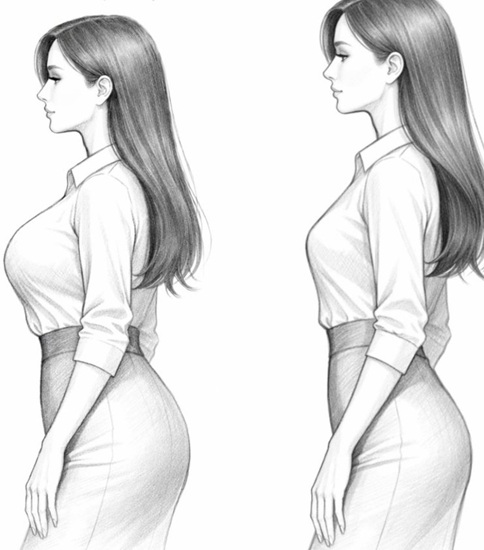
Breasts hold both biological and cultural significance, symbolizing femininity, beauty, motherhood, and sexuality. For many women, they are an intimate part of identity, influencing confidence, self-image, and the way society perceives them.
It is common for women to ask themselves quietly: “Why are my breasts smaller or larger than others?” These thoughts often arise in adolescence, but they can persist throughout adulthood and affect emotional wellbeing.
Breast size varies naturally due to multiple factors. Genetics, hormones, age, body composition, and life experiences like pregnancy or menopause all interact to shape size, volume, and overall appearance.
Genetic inheritance plays a major role. If female relatives have smaller or larger breasts, chances are that your breast size will reflect similar traits, highlighting how biology influences physical development more than personal choices.
Hormones such as estrogen, progesterone, and prolactin are critical for breast growth and shape. Puberty, menstrual cycles, pregnancy, and breastfeeding all contribute to ongoing changes in fullness and appearance.

Body composition also impacts breast size. Since breasts consist primarily of fatty tissue, women with lower body fat percentages, including athletes and naturally slender individuals, tend to have smaller breasts naturally.
Age naturally changes breast structure. Over time, glandular tissue may decrease, and skin elasticity may decline, altering firmness, shape, and appearance. Hormonal shifts during menopause amplify these changes.
Pregnancy and breastfeeding temporarily increase breast size and glandular activity, which may result in permanent shape changes. These variations are natural and should not be considered flaws or deficiencies.
Even within natural variation, societal standards often define what is considered “small” or “large.” These standards are subjective, heavily influenced by media and cultural perceptions rather than biology or health.
Medical conditions like mammary hypoplasia, or underdeveloped breasts, are rare. Most women with smaller breasts fall within normal biological variation and experience no related health issues.
Emotional impact of breast size is significant. Many women compare themselves to unrealistic images in social media, film, and advertising, which can negatively influence self-esteem and body confidence over time.
Studies suggest women with larger breasts may report slightly higher confidence, but psychological wellbeing is affected more by personal acceptance and self-perception than by actual physical measurements.
There are no natural methods proven to significantly increase breast size. Diets, supplements, or topical creams claiming rapid growth are mostly unsupported by scientific evidence and should be approached with skepticism.

Non-surgical strategies can enhance appearance. Properly fitted bras, padded or structured garments, and clothing that emphasizes the chest can create the visual impression of fuller breasts without altering actual size.
Strengthening chest muscles through exercises such as push-ups, bench presses, or dumbbell flies can improve posture, lift, and contour, subtly enhancing overall breast appearance without surgery.
For women considering surgery, breast augmentation, implants, or fat transfer are options. These procedures are personal decisions that require careful consultation with certified medical professionals to ensure safety and realistic results.
Health considerations are paramount. Breast size itself does not indicate overall health. Smaller breasts do not signal poor wellness, and larger breasts are not inherently healthier. Function, lifestyle, and habits matter more.
Larger breasts can contribute to back, neck, or shoulder discomfort, particularly when associated with higher body weight or posture issues. Addressing overall fitness and posture often mitigates these concerns.
Monitoring changes in the breasts is essential. Women should seek medical attention for lumps, pain, swelling, nipple discharge, or changes in skin texture or color, regardless of cup size or appearance.

Early detection of potential health issues, such as tumors or infections, greatly improves treatment outcomes, emphasizing the importance of regular self-exams, clinical exams, and mammograms when appropriate.
Breast self-exams are simple but effective. Visual inspection in front of a mirror, gentle palpation for lumps, and observation of changes across menstrual cycles provide important early insights into breast health.
Mammograms and other imaging tests are recommended based on age, family history, and risk factors. These tools allow detection of issues invisible to the eye or touch, facilitating early intervention and peace of mind.
Lifestyle choices support healthy breast tissue. Balanced nutrition, regular physical activity, adequate sleep, and stress management all contribute to hormonal balance, energy levels, and skin elasticity.
Emotional self-care is equally important. Cultivating self-acceptance, resisting unrealistic comparisons, and focusing on positive body image strengthen resilience and overall mental health.
Breasts are diverse in shape, size, symmetry, and movement. Some asymmetry is entirely natural and does not indicate a problem. Awareness and acceptance of these differences foster confidence.
Instead of comparing themselves to others, women can focus on self-care, fitness, and posture, enhancing comfort and confidence while embracing natural differences in breast appearance.
Community support and body-positive media can reduce societal pressures and reinforce healthy self-image. Celebrating diversity in size, shape, and function empowers women to feel comfortable in their own skin.

Breasts contain mammary glands, connective tissue, and fat. Beyond biological function, they influence self-perception and are often tied to cultural and personal identity, linking physical traits to emotional experiences.
Pregnancy and breastfeeding alter breast tissue, blood flow, and shape, producing changes that vary among women. These transformations are natural markers of life stages rather than imperfections.
Menopause often reduces glandular tissue and increases fat composition, changing size, shape, and firmness. These shifts are normal and reflect hormonal transitions, not health deficiencies.
Understanding breast diversity normalizes differences. What matters most is comfort, self-confidence, and healthy habits that support overall physical and emotional wellbeing rather than meeting external expectations.
Professional consultation is advised if symptoms arise, including lumps, swelling, pain, or unusual discharge. Medical guidance ensures early detection, proper treatment, and reassurance for women concerned about health.
Psychological support can address body image concerns, particularly for women experiencing distress related to size or societal standards. Counseling and therapy can improve self-esteem and mental health.
Confidence arises from embracing oneself as a whole, including physical traits, character, resilience, and skills. Cup size does not define personal worth, intelligence, or capability.
Properly fitted lingerie, strength training, and posture correction can subtly enhance appearance, offering confidence without altering natural breast tissue, emphasizing function and self-assurance over aesthetics.

Breast size should not define sexuality or femininity. Cultural fascination with volume is external, while authentic confidence derives from internal acceptance and appreciation of individual body uniqueness.
Comparison often fuels stress. Every woman’s body develops and evolves uniquely through puberty, pregnancy, and aging, naturally altering breast appearance, texture, and volume over time.
Breasts are a blend of function, symbolism, and individuality. A woman’s value is determined by character, intelligence, kindness, and actions rather than breast size or appearance.
Prioritizing wellness, posture, strength, and mental health enhances appearance and self-confidence, creating a positive relationship with one’s body at every stage of life.
Surgical interventions should be considered thoughtfully and discussed with licensed professionals. Safety, realistic expectations, and understanding of long-term outcomes are essential when making personal choices.
Healthy breasts contribute to overall wellbeing, not vanity. Attention to discomfort, pain, or abnormalities is important regardless of size, promoting informed self-care and responsible health monitoring.
Societal and media-driven ideals often misrepresent reality, but education, self-awareness, and positive reinforcement encourage women to embrace natural breast diversity with pride and confidence.
Women of all sizes can embody beauty, strength, and empowerment. True confidence stems from accepting one’s unique body, valuing personal qualities, and nurturing self-love rather than adhering to arbitrary standards.
Family, friends, and communities supporting body positivity strengthen self-perception. Sharing experiences and normalizing differences fosters healthier relationships with one’s body.
Ultimately, breast size is only one aspect of identity. Resilience, health, character, and confidence are far more significant markers of personal value and life success than physical appearance.
Cup size does not define beauty, strength, or worth. Empathy, kindness, authenticity, and intelligence are enduring qualities that remain impactful beyond superficial appearances.
Focusing on health, mental wellness, and self-acceptance empowers women to live fully, embracing their bodies without judgment, shame, or unnecessary anxiety over size, shape, or proportion.
