
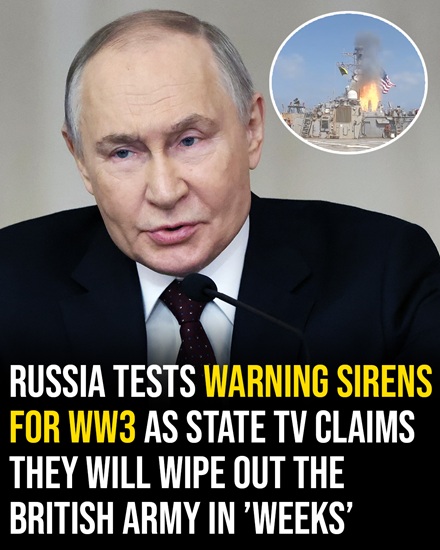
In recent weeks, the international security landscape has become increasingly tense, with developments spanning from Eastern Europe to the Middle East.
Capitals from Washington to Moscow, Kyiv to London, and Tel Aviv to Tehran have exhibited elevated alertness amid a complex web of military, political, and economic stressors.
Analysts across multiple think tanks describe the current moment as one of the most volatile since the early 2000s, a period marked by the aftermath of the 9/11 attacks, the U.S.-led invasions of Afghanistan and Iraq, and the emergence of new geopolitical fault lines.
At the center of this heightened tension are three overlapping crises: the ongoing war in Ukraine, escalating conflicts in the Middle East, particularly between Israel, Iran, and their regional allies, and a series of provocative statements and internal preparedness measures by Russian officials.
Together, these developments have fueled speculation about the possibility of a broader confrontation, although experts caution that rhetoric and symbolism often exceed concrete policy intentions.

Russia’s Nationwide Emergency Siren Test: Civil Defense or Strategic Signal?
On [exact date], the Russian Ministry of Emergency Situations conducted a large-scale test of its nationwide public warning system, sounding sirens across all 11 time zones. The test disrupted radio and television broadcasts and delivered a standardized message to millions of citizens:
“ATTENTION EVERYONE! THE PUBLIC ALERT SYSTEM IS BEING TESTED! PLEASE REMAIN CALM!”
Officials emphasized that this exercise was part of routine civil defense planning. According to the Ministry of Emergency Situations, the system is designed to deliver timely instructions during emergencies of natural or man-made origin, ranging from industrial accidents to military threats. Citizens are instructed to remain calm and immediately follow information provided via public TV and radio.
Such nationwide civil defense drills are not unique to Russia; many countries maintain similar systems, periodically testing them to ensure functional readiness. However, the timing of Russia’s latest exercise—amid ongoing conflicts in Ukraine and the Middle East—has raised eyebrows internationally.
While Moscow stresses that the drill was routine, some observers interpret it as a subtle signal of preparedness for broader contingencies, reflecting the Kremlin’s longstanding approach of blending domestic civil readiness with international signaling.
The historical context of Russia’s civil defense infrastructure dates back to the Soviet era, when Cold War-era planning emphasized rapid public mobilization in the event of nuclear or conventional attacks. While today the system serves largely precautionary and emergency-preparedness purposes, it remains a visible tool through which the state can communicate seriousness and urgency to its population.
Medvedev’s Stark Warning: World War III “Undoubtedly” Possible
Just days before the siren test, Dmitry Medvedev, former Russian president (2008–2012) and current deputy chairman of the Russian Security Council, made highly provocative remarks in an interview with Tass, a Russian state news agency. Medvedev warned that World War III could be triggered if U.S. foreign policies do not change, stating:
“If [U.S. President Donald Trump] continues his insane course of criminally changing political regimes, it will undoubtedly begin. And any event could be the trigger.”
Medvedev criticized U.S. and allied actions in global politics, accusing Western governments of pursuing “regime change” and a quest for “global dominance.” He also referred to Western leaders in dismissive terms, portraying them as self-interested actors unwilling to compromise.
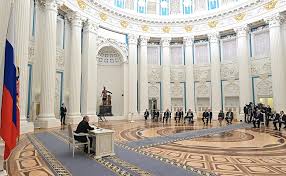
Although Medvedev’s remarks are not automatically reflective of official government policy, they signal the tone and thinking within Russia’s security apparatus. Analysts note that such statements, particularly when combined with domestic readiness exercises, are part of a broader pattern in Russian political culture: communicating deterrence while maintaining plausible deniability regarding direct military action.
The Middle East Conflict: Regional Escalation and Russian Interests
These developments unfold amid widening instability in the Middle East. Recent U.S. and Israeli military strikes targeting Iranian infrastructure and leadership have led to retaliatory attacks by Iran and allied militias, creating a volatile situation with potential for rapid escalation.
Russia, while not a direct participant in the conflict, maintains strategic diplomatic ties with Iran and other regional actors, positioning itself as a potential mediator while carefully avoiding direct engagement.
Russian foreign policy has publicly condemned Western military actions while urging de-escalation. President Vladimir Putin, in recent statements, denounced attacks on Iranian officials as a “cynical murder,” yet stopped short of offering military support. Experts highlight that Russia’s cautious stance reflects a calculated approach: any overt intervention could risk confrontation with the United States and NATO, potentially drawing Moscow into multiple theaters simultaneously—an outcome the Kremlin seeks to avoid.
State-linked media, however, has amplified more aggressive messaging. Prominent television host Vladimir Solovyov, known for hardline pro-Kremlin commentary, mocked the United Kingdom’s military capacity, suggesting it would be unable to withstand even a conventional conflict with Russia. Solovyov’s rhetoric, while not formal policy, exemplifies how state-aligned media can escalate perceptions of threat and shape public sentiment both domestically and abroad.
Amid growing international concern, Ukrainian President Volodymyr Zelenskyy has provided a measured but firm response to Russian statements and domestic military preparations. Zelenskyy emphasized that Moscow’s aggressive rhetoric does not necessarily translate into actionable military support for conflicts outside its borders. In interviews with international media, he described President Putin’s denunciations of Western operations—particularly in relation to Iran—as largely symbolic, aimed at signaling strength without committing resources materially.
Zelenskyy also highlighted the continued centrality of the Ukraine conflict. He argued that Russia’s ongoing war in Ukraine, now entering its fifth year, remains the primary theater of hostilities. The Ukrainian leadership is concerned that global attention diverted to other regions, such as the Middle East, could delay or dilute critical military aid from Western allies.
To date, Ukraine has relied heavily on air defense systems, long-range artillery, and intelligence support from NATO countries, as well as logistical and financial assistance. Zelenskyy has repeatedly stressed that sustained Western support is essential for maintaining the country’s defensive capabilities.
From Kyiv’s perspective, Medvedev’s statements and the siren tests in Russia underscore a broader pattern of “strategic distraction” and psychological signaling. Ukrainian analysts argue that these moves are intended to project power, create uncertainty in international media, and potentially influence the policies of other governments by instilling caution or fear.

Why Russia Is Unlikely to Intervene Directly in the Middle East
Despite heated rhetoric and diplomatic criticism of Western actions, most independent observers agree that direct Russian military intervention in the Israel-Iran conflict is unlikely, at least in the near term. Several key factors shape this strategic calculus:
- Military and Economic Strain from Ukraine
Russia’s military continues to bear the immense burden of its war in Ukraine. After more than four years of sustained operations, Russian forces face significant casualties, equipment losses, and logistical challenges. Large portions of Russia’s defense industrial base have been targeted by sanctions, cyber operations, and export restrictions, limiting the country’s capacity to sustain simultaneous large-scale conflicts. Analysts emphasize that opening a second front in the Middle East could overextend Russian military resources, risking strategic setbacks.
- Avoiding Direct Confrontation with NATO
A direct engagement alongside Iran against U.S. or allied forces would likely result in immediate and severe escalation with NATO. Russian officials are acutely aware that such a scenario could lead to a confrontation involving nuclear-armed states. For the Kremlin, the strategic goal is deterrence and influence without triggering uncontrolled escalation. Consequently, public threats and aggressive statements function as signaling tools rather than indications of imminent military action.
- Diplomatic Balancing with Israel
Despite deep geopolitical differences, Russia maintains a working understanding with Israel, particularly in Syria and other regional arenas. This tacit coordination is carefully managed to prevent unintended clashes between Russian and Israeli forces. Analysts view this as evidence of Moscow’s preference for controlled influence over chaotic engagement, allowing Russia to protect its interests without directly opposing a militarily capable ally of the United States.
- Economic Considerations
Russia’s economy is heavily dependent on energy exports, and instability in the Middle East can influence global oil and gas prices. Paradoxically, heightened tensions that increase energy prices can benefit Russian revenues, offsetting sanctions and domestic economic pressures. Thus, while Moscow publicly condemns Western strikes and emphasizes regional security concerns, there is also an economic incentive to allow some instability to persist, provided it does not spiral into uncontrolled conflict.
- Domestic Political Strategy
Domestic politics also play a role. Heightened military rhetoric and visible civil defense measures, such as the nationwide siren test, serve to reinforce the narrative of a strong and vigilant Russian state. By portraying external threats as immediate and severe, the government strengthens its internal legitimacy and consolidates public support, even if the actual risk of expanded conflict is low.

State Media Amplification and Public Perception
Russian state-linked media have played a key role in shaping both domestic and international perceptions. Figures such as Vladimir Solovyov employ provocative language to mock and intimidate Western powers, exaggerating threats while providing the Kremlin with plausible deniability.
For instance, Solovyov’s comments about the UK’s military capacity are intended less as factual assessments and more as tools of psychological influence, signaling Russia’s potential reach while discouraging direct intervention by Western nations.
This pattern is not new. During periods of heightened geopolitical tension, Russian media frequently amplifies nationalist narratives, criticizes Western policies, and emphasizes Russia’s military readiness. Such messaging can influence public sentiment, create uncertainty among foreign audiences, and act as a force multiplier for diplomatic leverage, all without requiring Moscow to commit to immediate military action.
Global Reactions: Diplomatic Efforts and International Alarm
While Russian internal measures and rhetoric have generated headlines, the broader international response has emphasized restraint.
- United Nations and International Organizations: UN officials have consistently called for de-escalation in all active conflict zones. Emphasizing diplomacy over military action, these calls seek to prevent localized incidents from triggering larger regional or global wars.
- Western Governments: Leaders in Washington, London, Berlin, and Paris have expressed concern over provocative statements and civil defense drills in Russia but have emphasized that measured diplomacy and intelligence sharing remain the most effective tools for managing risks.
- Energy Markets and Economic Watchers: Investors and analysts have closely monitored Russia’s statements in the context of oil and gas markets. Volatility in the Middle East and Eastern Europe directly affects energy prices, sanctions implementation, and international supply chains, adding another layer of complexity to geopolitical risk management.
Experts caution that public fears of “World War III,” often amplified by social media and sensationalist reporting, remain largely speculative. While the potential for broader conflict exists, particularly in scenarios involving miscalculation or escalation, the current confluence of events reflects long-standing structural tensions, media amplification, and strategic signaling rather than an inevitable slide into global war.
Key Takeaways from Russia’s Strategic Calculus
Global institutions and alliances continue to prioritize diplomacy, signaling that mechanisms for risk mitigation remain in place even amid heightened tensions.
Civil defense drills, such as nationwide siren tests, are primarily precautionary and do not indicate imminent military operations.
Political rhetoric from senior figures like Medvedev serves to signal seriousness and deterrence rather than signal immediate action.
Direct Russian military engagement in the Middle East is constrained by resource limitations, geopolitical risk, and strategic interests.
State media messaging amplifies perception and influences both domestic and international audiences, but it does not automatically equate to policy decisions.

Ukraine remains the central theater of conflict, with Western support continuing to be a critical factor in regional stability.
While current rhetoric and civil defense preparations in Russia have raised international concern, analysts emphasize that multiple pathways exist to reduce tensions and prevent unintended escalation. Some plausible scenarios include:
- Diplomatic Engagement Between Major Powers
Continued dialogue between Washington, Moscow, and European capitals could provide channels for crisis management. High-level meetings, back-channel communications, and multilateral negotiations through organizations such as the United Nations and the Organization for Security and Co-operation in Europe (OSCE) serve to clarify intentions, reduce misperceptions, and manage incidents before they escalate. Experts note that diplomacy has historically prevented conflicts from spiraling during tense periods, such as the Cuban Missile Crisis in 1962 or the standoffs in the Korean Peninsula.
- Regional Containment and Crisis Management
In the Middle East, efforts by international actors to establish de-escalation mechanisms could mitigate risk. This might involve temporary ceasefires, multilateral monitoring missions, and confidence-building measures between Israel, Iran, and allied militias. Russia, while avoiding direct military intervention, could play a role as a mediator, leveraging its relationships with Tehran and regional actors to promote stability. Analysts suggest that even limited Russian diplomatic engagement could reduce the chance of broader confrontation and prevent escalation into a larger regional or global conflict.
- Confidence-Building Through Transparency and Public Messaging
Transparent communication regarding civil defense exercises, military movements, and political statements can reduce uncertainty. When governments clearly communicate the nature and purpose of drills—such as Russia’s nationwide siren test—the risk of misinterpretation or panic is lowered. Similarly, international media and policymakers can help by contextualizing statements made by political figures like Dmitry Medvedev, distinguishing between rhetorical signaling and actual operational planning.
- Strengthened Alliances and Coordinated Defense Measures
NATO and allied nations have an interest in maintaining deterrence without provoking escalation. Coordinated intelligence sharing, joint military exercises limited to defensive postures, and strategic warnings can help manage risk while avoiding provocative actions. Such measures reinforce stability, demonstrate preparedness, and provide reassurance to member states and neighboring countries without signaling aggressive intent.
Economic and Energy Implications
Geopolitical instability in Russia, Ukraine, and the Middle East has direct consequences for global energy markets, trade, and economic stability. Key factors include:
- Energy Markets: Disruptions in Middle Eastern oil production or transportation routes can increase crude oil and natural gas prices, influencing global inflation and impacting energy-dependent economies. For Russia, which relies heavily on hydrocarbon exports, elevated energy prices can partially offset economic sanctions and domestic budget constraints.
- Sanctions and Economic Leverage: Western sanctions against Russia have limited access to advanced technology, finance, and global markets, increasing the economic cost of potential military escalation. Any extended conflict could exacerbate supply chain disruptions, drive inflation, and increase fiscal pressures globally.
- Global Trade and Investment: Heightened uncertainty affects investor confidence, foreign direct investment, and trade flows. Countries in Europe and Asia, reliant on stable energy supplies and commodity markets, face heightened risk exposure, prompting policymakers to balance security concerns with economic imperatives.
Analysts emphasize that careful management of economic levers—such as energy supply adjustments, coordinated sanctions, and financial risk mitigation—can act as both stabilizing and deterrent mechanisms during periods of heightened geopolitical tension.
Lessons from Media Amplification and Public Perception
State-linked media in Russia continues to play a significant role in shaping public perception and influencing foreign audiences. During periods of heightened tension, exaggerated threats and provocative commentary serve several functions:
- Domestic Consolidation: Strengthening national unity and public confidence in the government’s ability to manage external threats.
- Deterrence and Signaling: Sending implicit warnings to international actors while avoiding direct military action.
- Disinformation and Psychological Influence: Creating uncertainty or caution among foreign populations and policymakers, potentially slowing international response or military engagement.
Understanding this media ecosystem is essential for interpreting statements from figures like Medvedev or commentators such as Solovyov. Analysts stress that while such rhetoric can elevate perceived risk, it should not be conflated with imminent operational plans or formal policy decisions.
Global Stability and the Path Forward
Despite concerns, the overall picture remains one in which multiple stabilizing forces are active:
- Diplomatic Channels: Governments continue to prioritize dialogue and negotiation, reducing the risk of accidental escalation.
- Economic Interdependence: Global trade and energy markets create mutual incentives to avoid conflict escalation.
- International Norms and Institutions: Entities such as the United Nations, OSCE, and regional alliances facilitate coordination, monitoring, and dispute resolution.
- Strategic Signaling and Deterrence: Russia’s civil defense exercises, military posturing, and political rhetoric function as deterrent signals without necessarily indicating intent to launch broader conflicts.
Experts suggest that vigilance, coupled with proactive diplomacy and clear public communication, remains critical. Misinterpretation or overreaction to symbolic actions—such as nationwide siren tests or blunt political statements—poses a real risk if not contextualized within broader strategic analysis.
Key Takeaways
- Rhetoric vs. Reality: Aggressive statements and media narratives do not equate to immediate military action; they often serve strategic signaling and deterrence purposes.
- Centrality of Ukraine: The war in Ukraine continues to dominate Russian military focus, making diversion to Middle Eastern theaters unlikely in the near term.
- Regional Mediation: Russia may influence Middle Eastern dynamics diplomatically, but direct intervention remains constrained by military, economic, and geopolitical risks.
- Global Diplomacy: Continued engagement among major powers is essential to prevent miscalculations and manage crises.
- Economic Stabilizers: Energy markets, sanctions, and trade relationships create incentives for restraint and measured responses.
- Public Perception Management: Clear communication from governments and media contextualization are essential to prevent panic and maintain international stability.
Conclusion
The current global security environment, marked by overlapping crises in Eastern Europe and the Middle East, reflects a highly complex interplay of historical grievances, national interests, and strategic signaling. While provocative rhetoric and civil defense measures have understandably raised public concern, these events must be understood within a broader context of international diplomacy, economic interdependence, and strategic deterrence.
The risk of escalation to a global conflict, while present, is mitigated by multiple stabilizing factors, including robust communication channels, multilateral institutions, and carefully calibrated strategic signaling. By analyzing developments with nuance and relying on fact-based reporting, policymakers, media, and the public can navigate uncertainty while avoiding the pitfalls of overreaction.
Ultimately, the path forward depends on sustained diplomatic engagement, strategic patience, and the ability of global actors to manage crises collaboratively, demonstrating that even in moments of heightened tension, reasoned policy and international cooperation can prevent the slide into large-scale conflict.

