
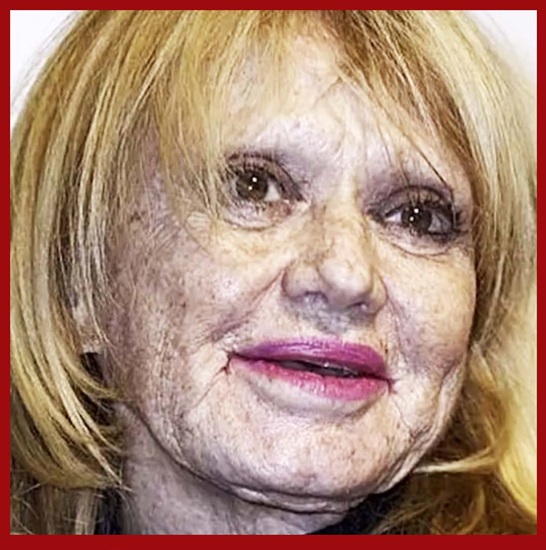
“She’s a cross between The Beatles and Brenda Lee,” a fan once remarked, highlighting Rita Pavone’s rare combination of charisma, energy, and vocal talent.
Despite this, her fame in the United States never reached the legendary heights she achieved in Italy. Rita Pavone was born on August 23, 1945, in Turin, Italy, into a working-class family.
Her father, Giovanni Pavoni, worked in the Fiat factory, while her mother, Maria, devoted herself to raising Rita and her three brothers, Perio, Carlo, and Cicco.
From a very young age, Rita exhibited an extraordinary musical instinct. Singing at school events, family gatherings, and local community celebrations, she quickly gained recognition for her energy, expressive voice, and natural stage presence, which made her stand out.
By 1962, global pop culture was shifting rapidly. Influences from Elvis Presley and The Beatles were sweeping across Europe, inspiring a new generation of artists, including Pavone. Her exposure to these trends helped shape her performance style and ambitions.
A life-changing opportunity emerged with the announcement of the first “Rally of the Unknown,” a major talent competition held in Ariccia, near Rome. Over 20,000 aspiring artists registered, making the contest fiercely competitive and prestigious in Italy.
At that time, Rita and her mother were uncertain about pursuing a music career full-time. Although she had been singing since the age of nine, Rita had only achieved limited local success and was considering more conventional paths in life.

Rita’s mother suggested pausing her dreams, returning to Turin, and perhaps even marrying, but her father strongly believed in her potential. Secretly, he wrote to Teddy Reno, the contest organizer, requesting that Rita be allowed to participate, ensuring her entry.
Rita attended the competition knowing it might be her final opportunity. She recalled the pressure she felt, recognizing that failure could mean abandoning her dreams forever. Her dedication and determination, however, would soon change her life dramatically.
Her performance captivated the judges and the audience alike. She won the competition, gaining immediate national attention. Overnight, she became one of Italy’s most talked-about new stars, signaling the beginning of a career that would span decades and cross international borders.
Following her victory, Rita quickly recorded her first album. The lead single, “La Partita di Pallone” (“The Ball Game”), became a massive hit, cementing her status in the Italian pop music scene. Television appearances further amplified her growing popularity.
Rita’s success stemmed not only from her singing ability but also from her unique voice. Slightly high-pitched, cutting yet deeply personal, her vocal style combined with her lively personality to create an undeniable presence on stage and screen.
Her appearance also contributed significantly to her persona. With red hair, freckles, and a face blending youthful charm with tomboyish qualities, she challenged traditional beauty ideals. Pavone famously said, “You don’t need to wear a women’s dress to be a woman.”
By the age of nineteen, Rita Pavone had sold hundreds of thousands of records across Italy. International attention followed, and she was invited to audition for RCA Records in the United States, signaling her potential as a global pop phenomenon.
Her American debut included high-profile appearances on the Ed Sullivan Show, where audiences praised her dynamic performances. Rita also embarked on a PR tour across the country, performing at concerts and television events to expand her reach among U.S. audiences.

In addition to television, Rita shared the stage with iconic artists, including Diana Ross and The Supremes, Ella Fitzgerald, and Tom Jones. Her performances at legendary venues like Carnegie Hall in New York reinforced her credibility on an international scale.
The most remarkable moment of her American journey occurred offstage, at a Nashville recording studio. There, Rita Pavone met her lifelong idol, Elvis Presley, the King of Rock and Roll, whose music had profoundly influenced her from childhood.
At that time, Rita did not speak English fluently. When she overheard Brenda Lee mentioning Elvis’ impending visit, she initially didn’t understand. Eventually, she realized the legendary singer would be in the studio, filling her with excitement and anticipation.
Despite strict protocols surrounding Elvis’ schedule, Pavone persuaded producer Chet Atkins to facilitate the meeting. She waited patiently until midnight at RCA studios, where Elvis, his lawyer, and a full entourage arrived, creating a surreal atmosphere for the young singer.
Elvis entered wearing his signature sideburns and yellow Ray-Ban sunglasses, greeting Rita warmly. He acknowledged her talent and fame, presenting her with a personally signed canvas painting that read, “Best wishes to Rita,” a gift she treasures to this day.
Rita described the encounter as surreal. She marveled at Elvis’ humble and down-to-earth demeanor despite his immense fame. Her son even joked that he might sell the painting one day, highlighting the sentimental and historical value it held for her personally.
Colonel Tom Parker, Elvis’ famous manager, had reportedly opposed the meeting. However, Elvis personally recognized Rita from her Ed Sullivan appearance. This act of acknowledgment made the experience unforgettable, bridging Italian and American pop culture in a unique moment.
Although Rita Pavone enjoyed international hits, such as “Datemi un Martello,” “Viva La Pappa Col Pomodoro,” and “Cuore,” the American market proved challenging. Beatlemania and rapidly shifting musical trends limited her ability to achieve enduring success in the United States.
After five years abroad, Rita returned to Italy, where she smoothly transitioned into television. She starred in the 1965 series Il Giornalino di Gian Burrasca, followed by numerous appearances in films and TV series, maintaining her popularity through her versatility and talent.

Returning to Italy, Rita Pavone quickly regained her status as a pop culture icon. Her experience in the United States had refined her stage presence, enabling her to deliver performances with both confidence and international appeal.
Her 1965 television debut in Il Giornalino di Gian Burrasca brought widespread acclaim. Pavone played the rebellious young protagonist, showcasing her comedic timing, vocal talent, and ability to embody complex characters beyond mere singing performances.
The show became a phenomenon in Italy, attracting viewers of all ages. It reinforced her versatility, establishing her not only as a singer but also as a capable actress who could charm audiences through both humor and charisma.
Following her television success, Pavone continued to release hit singles. Songs like Cuore, Viva La Pappa Col Pomodoro, and Datemi un Martello became cultural staples, dominating Italian radio and introducing innovative arrangements that combined traditional pop with rock influences.
Pavone’s vocal technique evolved significantly during this period. Her phrasing, slightly sharp yet emotionally expressive, allowed her to convey a wide range of sentiments, from playful innocence to heartfelt introspection, capturing listeners across generational divides.
Her public persona was equally significant. With her tomboyish looks, freckles, and fiery red hair, she defied conventional standards of femininity. Fans admired her confidence, and journalists often commented on her authenticity, setting her apart from more manufactured performers.
The mid-1960s also saw Rita perform extensively throughout Europe. Her songs were translated into multiple languages, including French, German, and Spanish, helping her cultivate a loyal international fan base beyond Italy, particularly in Brazil, France, and Germany.
Despite her success abroad, Pavone faced challenges in breaking into the U.S. market. The widespread phenomenon of Beatlemania overshadowed her presence, and American audiences were still adjusting to the influx of international pop stars, making mainstream acceptance more difficult.

Amid her professional accomplishments, Rita Pavone’s personal life began to attract attention. Teddy Reno, the man who had facilitated her initial career breakthrough, evolved from mentor and manager into a romantic partner, eventually solidifying their relationship despite public scrutiny.
Their age difference of nearly twenty years became a topic of controversy among friends and family. Critics questioned the dynamic, while some traditionalists expressed concern about the societal implications, making their union one of Italy’s most discussed celebrity relationships.
In 1968, Rita Pavone and Teddy Reno married, affirming their commitment to one another despite external objections. Her father initially opposed the union, fearing she might be exploited or making an imprudent choice, reflecting generational tensions common in postwar Italy.
Over time, Pavone’s father reconciled with the couple, recognizing her autonomy and artistic maturity. This reconciliation strengthened her family ties and highlighted her ability to balance personal desires with familial responsibilities, an essential aspect of her enduring legacy.
Throughout the late 1960s and 1970s, Pavone maintained an intense performance schedule. She appeared at major festivals, including the prestigious Sanremo Festival, and participated in variety shows, solidifying her reputation as a consummate entertainer capable of sustaining high audience engagement.
Her music increasingly incorporated contemporary trends while preserving her distinctive style. By blending orchestral arrangements with rock-inspired rhythms, Pavone created a sound that was both modern and unmistakably her own, appealing to diverse audiences across Italy and Europe.
Rita Pavone also became a symbol of female empowerment. Her insistence on wearing clothes reflecting her personality rather than traditional feminine expectations resonated with young women, demonstrating that self-expression and independence could coexist with professional success.

During this period, Pavone collaborated with numerous prominent artists, including Paul Anka and Adriano Celentano. These collaborations showcased her adaptability and ability to merge different musical styles, enhancing her international recognition and further diversifying her artistic portfolio.
In addition to musical collaborations, Pavone occasionally acted in films and theatrical productions. Her ability to transition seamlessly between mediums revealed a depth often underappreciated by casual fans but celebrated by critics who valued versatility and dedication to craft.
Despite professional success, Rita faced industry challenges, including navigating the pressures of media scrutiny and competition from emerging artists. She consistently emphasized authenticity, resisting trends that compromised her artistic identity, which further endeared her to loyal followers.
Her image as a strong, independent woman contributed to a cultural dialogue on gender roles in mid-20th-century Italy. Pavone’s willingness to challenge societal expectations helped inspire future generations of female performers seeking agency over their careers and public image.
Throughout the 1970s and early 1980s, Pavone’s popularity remained high. She diversified her repertoire, experimenting with jazz, pop, and even folk-infused songs, demonstrating an ongoing willingness to evolve musically while staying true to her core vocal and performance strengths.
During this time, her personal life remained intertwined with her public persona. Rita and Teddy Reno built a stable home life, balancing professional obligations with family commitments, ultimately raising children while continuing to navigate the demands of high-profile careers.
Although she occasionally toured internationally, Rita increasingly focused on Italian audiences. Her ability to captivate both television viewers and live concert attendees solidified her position as one of Italy’s most enduring and beloved performers across multiple decades.
By embracing television as a primary medium, Pavone expanded her influence. Shows like Il Giornalino di Gian Burrasca not only demonstrated her acting ability but also positioned her as a relatable cultural figure capable of connecting deeply with audiences of all ages.
In the mid-1980s, Rita Pavone began gradually reducing her public appearances. She sought a slower pace, focusing on family life while still maintaining selective engagements that allowed her to remain artistically active without constant media scrutiny.
Despite stepping back from daily performance, Pavone never lost her connection to music. She occasionally recorded new singles and appeared on television specials, demonstrating her ongoing commitment to her craft and ability to captivate audiences across generations.
During the 1990s, Pavone’s status as an Italian cultural icon solidified. Retrospectives of her career appeared in magazines and television programs, highlighting her contributions to the evolution of European pop music and her influence on younger performers.
She occasionally revisited her classic hits in live concerts. Audiences appreciated her ability to retain vocal precision and emotional depth, even decades after the songs were first released, confirming her enduring talent and professionalism.
Pavone’s personal life remained stable. She and Teddy Reno continued to live in Switzerland, creating a private sanctuary that balanced family life with the occasional public engagement, away from the relentless attention of international media.
In 2016, Pavone returned to the spotlight for the Italian version of Dancing with the Stars. Her performances were celebrated for energy, charisma, and elegance, showing that age had not diminished her stage presence or connection with audiences.
Her participation introduced her to a younger generation of fans, bridging a gap between classic Italian pop culture and contemporary television entertainment. The exposure reaffirmed her relevance in Italy’s modern cultural landscape.
Rita also performed at the Sanremo Festival in 2020, one of the most prestigious music events in Italy. Her appearance celebrated her long-standing contribution to Italian music and provided fans with a nostalgic yet powerful reminder of her artistry.
Even beyond performance, Pavone’s influence extended into mentorship. She frequently provided guidance to emerging Italian singers, sharing insights about vocal technique, stage presence, and the importance of maintaining individuality in an industry prone to imitation.
Her career longevity is remarkable, spanning over six decades and encompassing music, television, film, and live performance. Few Italian artists have achieved such sustained recognition while maintaining artistic integrity and public admiration.
Rita Pavone’s legacy is also defined by her courage and willingness to challenge societal norms. Her tomboyish appearance, outspoken personality, and refusal to conform inspired women in Italy to embrace self-expression and independence.
She continues to embody a blend of authenticity, innovation, and charm. Modern Italian performers often cite Pavone as an influence, particularly in how she balanced commercial success with creative freedom and cultivated a unique public image.
Her life story demonstrates the interplay between personal ambition and cultural impact. From a working-class upbringing in Turin to meeting global icons like Elvis Presley, Pavone exemplified determination, resilience, and the pursuit of artistic excellence.
In her private life, she remains devoted to family and enjoys the tranquility of Ticino, Switzerland. She reflects on her career with pride, understanding that her music and public persona left a lasting imprint on Italian and European culture.
Rita Pavone’s contributions are celebrated in retrospective exhibitions, documentaries, and music anthologies. Scholars and fans alike examine her innovative approach to performance, her charismatic public image, and her role in shaping postwar Italian popular culture.
Her influence even extends beyond Europe. International fans of 1960s music continue to discover her work, appreciating the emotional sincerity, musicality, and vivacious energy that characterized her recordings and live performances worldwide.
Although she has retired from constant public appearances, Pavone’s music remains widely accessible through streaming platforms, compilations, and digital remasters, ensuring her work reaches both longtime enthusiasts and new listeners exploring classic European pop.
Through decades of change in the music industry, from vinyl to digital, Pavone adapted gracefully while maintaining her signature style. Her ability to evolve musically, without sacrificing authenticity, demonstrates remarkable artistic intelligence and foresight.
Rita Pavone is remembered not only for her voice but also for her stage presence, individuality, and resilience in a competitive industry. Her journey highlights the importance of self-confidence and perseverance in achieving long-lasting impact.
Fans still cherish her iconic hits, and memorabilia such as the canvas signed by Elvis Presley remain treasured symbols of a storied career that bridged cultural boundaries and inspired admiration worldwide.
At 80 years old, Pavone enjoys a life of relative calm, reflecting on decades of artistic achievement. Her story continues to inspire performers, demonstrating that talent, determination, and authenticity can create a timeless legacy.
Her career serves as a case study in cultural influence, illustrating how a performer from a small European city can rise to international recognition, maintain relevance, and leave a lasting impact on music, television, and popular culture.
Rita Pavone’s life and career embody the ideals of creativity, resilience, and cross-generational influence. From early talent competitions in Italy to performing with international icons, she remains an enduring symbol of passion and artistic excellence.
In conclusion, Pavone’s remarkable journey underscores the transformative power of music, the importance of individuality, and the enduring impact of cultural pioneers who challenge norms and inspire successive generations of artists and fans alike.
