
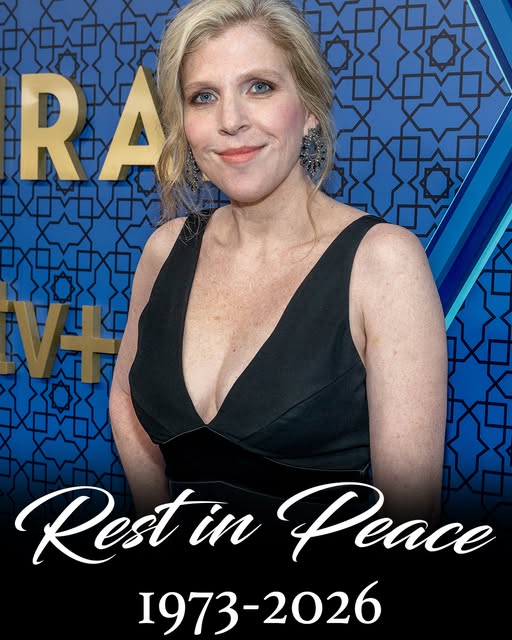
Shockwaves reverberated across the international television and streaming industries following the sudden and tragic death of Dana Eden.
An acclaimed Israeli television producer and creative visionary whose work reshaped the global perception of Israeli storytelling.
Eden, 52, was found dead in her hotel room in Athens, Greece, on Sunday, February 15, 2026, while overseeing the production of the fourth season of Tehran, the Emmy-winning espionage drama she co-created and executive produced. Authorities and colleagues confirmed her death, which has left a profound void in both the Israeli entertainment landscape and the growing global appreciation for non-American prestige drama.
Dana Eden’s passing came at a pivotal moment in her career. The fourth season of Tehran promised to explore new narrative layers and further elevate the series on the international stage.
She had been actively directing, coordinating, and mentoring staff in Athens, a city that creatively substituted for Tehran in filming due to practical and geopolitical considerations. Eden’s sudden death stunned not only her cast and production teams but also an international audience of viewers who had followed her work with admiration and trust.

Early Life and Entry into Television
Born on September 3, 1973, in Tel Aviv, Israel, Dana Eden grew up in a culturally rich environment, influenced by her family’s engagement in media and arts. Her father, a respected figure in Israeli television, founded Dana Productions, an early production company that specialized in educational and entertainment programming. From a young age, Eden demonstrated an extraordinary aptitude for storytelling and leadership. She frequently accompanied her father to sets, absorbing the nuances of production, narrative development, and talent management.
Eden’s early education included studies in media, communications, and visual arts, which she complemented with internships at local production houses. By the early 1990s, she had entered the Israeli television industry in earnest, initially assisting in production management and creative development for children’s and educational programming. She quickly developed a reputation as a meticulous organizer with a keen sense of narrative structure, visual storytelling, and audience engagement.
Her early career included producing shows like Yom Haem and Magpie, which, though relatively modest in scope, allowed her to experiment with narrative pacing, cinematography, and character-driven content. Eden’s work demonstrated an ability to balance accessibility for domestic audiences with creativity that could appeal to international viewers—a skill that would become a hallmark of her later productions.
Rise to Prominence
By the late 1990s and early 2000s, Eden assumed increasingly senior roles in her father’s company, transitioning from assistant producer to lead producer and executive manager. Her leadership style was characterized by a combination of disciplined project management, collaborative creativity, and a willingness to take calculated risks on novel content. She nurtured young talent, developed innovative programming formats, and cultivated relationships across Israeli networks and international distributors.
During this period, Eden became known for her versatility. She successfully produced children’s shows like Saving the Wildlife, which received recognition from the Israeli Television Academy, while also delving into crime dramas, historical miniseries, and socially conscious content. Her approach reflected an understanding of the global television market: to create stories that resonate both domestically and abroad, without compromising cultural specificity or authenticity.
Eden’s early achievements were critical in establishing Israel’s reputation as a source of internationally marketable drama. She consistently championed projects that prioritized complex narratives, strong character development, and high production values—elements that would define her later work with Tehran and other high-profile series.

Co-Creating Tehran
The turning point in Dana Eden’s career arrived with Tehran, a political espionage drama that premiered on Apple TV+ in 2020. Co-created with Moshe Zonder and an international team of writers and producers, the series tells the story of Tamar Rabinyan, a former Mossad agent navigating covert operations in Iran’s capital.
From the outset, Eden’s vision was instrumental in shaping the series’ tone, style, and narrative arc. She insisted on authenticity in depicting intelligence operations while balancing suspense, human drama, and geopolitical realism. Her approach combined rigorous research with a cinematic sensibility, emphasizing tension, moral complexity, and the personal costs of espionage.
Tehran quickly garnered international acclaim. Critics praised its layered storytelling, nuanced characters, and the capacity to explore sensitive political contexts without sacrificing narrative engagement. The series earned the International Emmy Award for Best Drama Series in 2021, making Eden one of the few Israeli producers to achieve such recognition on the global stage. Her work demonstrated that Israeli television could transcend domestic limitations, competing with major American and European productions in terms of both quality and cultural resonance.
The series also marked a turning point in Eden’s leadership style. She became known not just as a producer but as a mentor, guiding writers, directors, and actors, and fostering a collaborative environment that encouraged innovation while maintaining professional discipline. Her capacity to balance artistic vision with logistical execution was widely lauded by colleagues and industry insiders alike.
Expanding International Influence
Beyond Tehran, Eden’s career exemplified the growing globalization of Israeli television. She actively cultivated partnerships with streaming platforms, international co-producers, and talent agencies, ensuring that Israeli storytelling reached wider audiences. Her productions often highlighted cultural nuance, moral dilemmas, and the complexity of human relationships, enabling viewers worldwide to connect with the material on multiple levels.

Colleagues describe Eden as both visionary and pragmatic. She was deeply invested in the storytelling process—from initial script development to final post-production—while also navigating the complexities of financing, distribution, and international licensing. Her work not only elevated Israeli television but also contributed to a broader understanding of how local stories could achieve global relevance, providing a model for other producers seeking to bridge cultural and market boundaries.
Following the groundbreaking success of Tehran’s first season, Dana Eden emerged not only as a prominent producer but as an ambassador of Israeli storytelling to a global audience. Her vision transformed the series from a domestic television phenomenon into a cultural touchstone for international viewers, earning acclaim for both its narrative sophistication and cinematic execution.
Tehran: A Landmark Series
Tehran premiered on Apple TV+ in 2020, immediately capturing critical attention for its bold storytelling, intricate plotlines, and realistic portrayal of espionage operations. The series follows Tamar Rabinyan, a Mossad agent who infiltrates Iran’s capital on a mission that intertwines political intrigue with personal stakes. Eden’s creative oversight ensured that the show balanced suspenseful action sequences with human drama, exploring ethical dilemmas, loyalty, and the costs of covert operations on individuals and communities.
Her insistence on authenticity set Tehran apart from typical spy dramas. Eden coordinated with intelligence consultants, historians, and geopolitical experts to ensure that the show’s depiction of espionage, surveillance, and operational tactics was grounded in reality. She also worked closely with the cast to develop characters with emotional depth, allowing viewers to empathize with individuals caught between duty and morality.
The show’s aesthetic — a mix of urban grit, atmospheric lighting, and dynamic camera work — reflected Eden’s cinematic sensibilities. Critics praised her meticulous attention to detail, which extended from the scriptwriting process to post-production editing. The International Emmy Award for Best Drama Series in 2021 validated her creative approach, marking a historic achievement for an Israeli production on the global stage.

Global Reach and Cultural Impact
Under Eden’s leadership, Tehran became a case study in how local content could achieve global resonance. The series was subtitled and dubbed into multiple languages, reaching audiences across North America, Europe, Asia, and the Middle East. Its success demonstrated that stories rooted in specific cultural and political contexts could resonate universally when handled with authenticity, complexity, and emotional intelligence.
The series also sparked conversations about the role of television in shaping public understanding of geopolitics. By presenting characters and scenarios with moral ambiguity, Eden encouraged audiences to engage with nuanced perspectives on international relations, intelligence work, and national identity. Scholars, media critics, and political commentators frequently cited Tehran as an example of how storytelling could influence cross-cultural understanding, bridging the gap between entertainment and education.
Leadership and Mentorship
Dana Eden was widely recognized as a mentor and leader who nurtured talent across all aspects of production. Colleagues describe her as a hands-on executive who maintained creative control while empowering writers, directors, cinematographers, and actors to bring their expertise and insights to the project. She fostered a collaborative environment that encouraged innovation, risk-taking, and creative problem-solving, while maintaining rigorous production schedules and budgetary oversight.
Her leadership style extended beyond the set. Eden actively participated in international conferences, industry panels, and workshops, sharing insights about Israeli television, storytelling techniques, and global media strategy. She was committed to cultivating the next generation of producers and creatives, emphasizing mentorship, training programs, and internships for young talent seeking to navigate the complexities of international media production.
Beyond Tehran: Expanding Creative Horizons
While Tehran was Eden’s most globally recognized work, her influence extended across numerous other projects. She remained engaged with a variety of television genres, including socially conscious dramas, historical series, and children’s programming, always maintaining her hallmark commitment to authenticity and narrative depth.

Her production philosophy combined artistic ambition with social awareness. Eden often chose projects that highlighted underrepresented voices, explored ethical dilemmas, or showcased cultural heritage. She believed that television was not merely entertainment but a platform to provoke thought, foster empathy, and illuminate stories that might otherwise remain unseen.
International broadcasters and streaming platforms frequently sought Eden’s expertise for co-productions, recognizing her ability to bridge cultural and market gaps. Her work demonstrated that Israeli productions could compete with high-budget Western series while offering unique perspectives and storytelling approaches.
Industry Recognition and Awards
Throughout her career, Eden received numerous awards and accolades for both her creativity and her leadership. Beyond the International Emmy for Tehran, she earned recognition from the Israeli Television Academy, international festival juries, and media organizations that celebrated her contributions to television innovation.
Peers lauded her for her strategic insight and creative courage. By demonstrating that Israeli productions could achieve global success without compromising local authenticity, Eden helped redefine the potential of non-American content in an increasingly internationalized media landscape.
Navigating Challenges
Eden’s career was not without its challenges. Producing politically sensitive content such as Tehran required careful negotiation of legal, cultural, and logistical complexities. Filming locations, security concerns, and geopolitical sensitivities demanded constant vigilance and adaptability. Eden’s ability to anticipate challenges, negotiate with stakeholders, and maintain creative integrity was repeatedly cited by colleagues as a defining strength.
She also confronted the personal pressures of international fame, high-stakes production schedules, and the constant scrutiny that accompanies a global platform. Despite these demands, Eden remained committed to fostering collaboration, innovation, and mentorship, prioritizing the well-being and professional development of her teams.
Legacy of Influence
Dana Eden’s influence extended beyond her productions. She became a symbol of the potential for non-American media creators to achieve global prominence while remaining true to their cultural identity. Her work demonstrated that thoughtful storytelling, rigorous production standards, and a commitment to authenticity could elevate local stories to international acclaim.

Colleagues, critics, and audiences recognized Eden as a transformative figure in television, someone who championed creativity, mentorship, and cross-cultural collaboration. Her legacy is embedded not only in the series she produced but in the careers she helped launch, the international partnerships she fostered, and the broader appreciation she cultivated for Israeli media on the world stage.
The sudden and tragic death of Dana Eden on February 15, 2026, sent shockwaves through the global television community, sparking an unprecedented outpouring of grief and remembrance. Eden was discovered unresponsive in her hotel room in Athens, Greece, while working on the fourth season of Tehran. Greek authorities reported that the initial evidence suggested a suspected suicide, and a full post-mortem examination was ordered to determine the exact cause of death. Investigators also collected testimony from hotel staff, security footage, and other evidence, following standard protocol for sudden deaths.
Immediate Reactions and the Context of Her Passing
The news quickly reverberated across social media, professional networks, and international news outlets. Fans of Tehran, colleagues, and creative collaborators expressed shock and sorrow, emphasizing the immense impact Eden had on their lives, careers, and understanding of global television. Her passing highlighted both the pressures faced by leading producers and the human cost of working in a highly demanding, fast-paced, and internationally scrutinized environment.
Dana and Shula Productions, the international company Eden co-led, issued an official statement emphasizing the need for accurate reporting and the importance of respecting the privacy of her family. They firmly rejected speculation tying her death to political motives, espionage, or external interference, clarifying that there was no evidence suggesting foul play or criminal activity. The statement highlighted Eden’s life as one devoted to creativity, storytelling, mentorship, and bridging cultures through media.
A Life Defined by Creativity and Cultural Ambition
Dana Eden’s career, spanning over three decades, was remarkable for both its breadth and depth. She was not only a producer but a visionary leader capable of conceptualizing, executing, and delivering television content that resonated across cultural and linguistic boundaries. Her achievements with Tehran illustrated her ability to handle high-stakes projects, balance creative ambition with logistical precision, and foster teams that could translate complex narratives into compelling visual storytelling.
Her work consistently emphasized authenticity, moral complexity, and character-driven narratives. By focusing on layered storytelling, she challenged conventional approaches to television production, showing that content from smaller markets could compete on a global scale when executed with skill, attention to detail, and a commitment to quality.
Industry Response: Tributes from Around the World
Tributes poured in from the Israeli entertainment industry, international collaborators, streaming platforms, and viewers worldwide. Israel’s public broadcaster KAN described her as “one of the most prominent and influential producers in the Israeli television landscape,” highlighting her pivotal role in elevating the nation’s media presence internationally.
Israeli Culture and Sports Minister Miki Zohar called her “a creative powerhouse whose work allowed Israeli stories to reach global audiences, building bridges between cultures through entertainment.” Prominent producers, directors, and writers who collaborated with Eden shared heartfelt accounts of her mentorship, professionalism, and vision. Many described her as fearless in her pursuit of quality storytelling and generous in her guidance of emerging talent.
Internationally, colleagues at Apple TV+, networks, and media companies praised Eden’s ability to produce content that was both commercially successful and culturally resonant. Industry journals lauded her as a transformative figure whose impact extended beyond individual shows, highlighting her role in shaping the global perception of Israeli television as a source of high-caliber drama, intelligence-based narratives, and culturally specific yet universally engaging storytelling.
Addressing Speculation and Misinformation
In the immediate aftermath of her death, unverified speculation circulated on social media and in some online outlets, suggesting possible political motivations related to the subject matter of Tehran. Given the show’s depiction of Mossad operations in Iran, some commentators hypothesized about potential international intrigue.
Authorities in Athens and Eden’s production team consistently refuted such claims. Greek police confirmed that no evidence indicated external involvement, and Dana and Shula Productions emphasized the importance of responsible reporting. Their public statements reinforced that the investigation pointed toward personal circumstances rather than criminal or political factors, underscoring the need to respect Eden’s family and colleagues during this period of mourning.
Global Impact and Legacy
Despite the circumstances surrounding her death, Dana Eden’s professional legacy remains extraordinary. She transformed Israeli television by demonstrating that carefully crafted, locally rooted stories could reach global audiences and compete with productions from larger markets.
Tehran’s success exemplifies this achievement. The show was praised for its narrative complexity, production quality, and ability to navigate sensitive geopolitical topics with nuance. Its popularity across multiple continents has inspired other creators from smaller markets to pursue international collaborations and highlighted the potential of streaming platforms to showcase diverse voices.
Eden’s influence extended beyond the shows she produced. She mentored emerging writers, directors, and producers, offering guidance on navigating international markets, storytelling techniques, and production management. Many of the individuals she supported have since advanced in their careers, perpetuating her approach to creativity, collaboration, and cultural storytelling.
Reflections from Colleagues and Fans
The creative community reflected on Eden as a visionary and compassionate leader. Actors from Tehran described her as both demanding and inspiring, pushing them to achieve nuanced performances while fostering a supportive environment. Writers noted that her feedback was insightful and transformative, helping them develop richer, more authentic scripts.
Fans worldwide expressed gratitude for the stories she brought to life. Through social media and fan forums, viewers praised Tehran for its intelligence, suspense, and humanity, highlighting Eden’s ability to make complex geopolitics relatable while emphasizing moral dilemmas and character development. Her work reminded audiences that television could educate, challenge, and emotionally engage simultaneously.
Continuing the Work She Loved
Production of Tehran’s fourth season has been temporarily paused in Athens to allow the cast and crew time to grieve and adjust while respecting legal and cultural protocols surrounding Eden’s passing. Industry insiders indicate that plans are underway to continue the series in a manner consistent with Eden’s creative vision, ensuring that her legacy is preserved through the story she helped shape.
Eden’s influence also persists in the broader industry. Her career has inspired countless creators to pursue ambitious storytelling, explore international collaborations, and focus on authentic, character-driven narratives. By elevating Israeli television onto the global stage, she has created opportunities for new voices, fresh perspectives, and stories that cross cultural and linguistic barriers.
Remembering Dana Eden
Dana Eden’s death is both a personal tragedy and a professional loss to the global media community. Yet her work endures — not only in the episodes of Tehran or other series she produced but in the careers she mentored, the cultural bridges she built, and the audiences she captivated. Her life and career exemplify the transformative power of storytelling, showing how narratives grounded in specific cultural contexts can resonate universally when executed with skill, care, and vision.
In reflecting on Eden’s legacy, industry leaders, colleagues, and viewers agree on one point: her creative vision, dedication to authentic storytelling, and commitment to fostering talent will continue to influence television for generations. While her absence is deeply felt, her impact remains enduring, visible in every project that reflects her philosophy of layered, culturally resonant, and emotionally compelling narratives.
Dana Eden’s life reminds us that great producers not only craft stories but also shape industries, inspire communities, and leave indelible marks on global culture. Her work, mentorship, and creative spirit ensure that her contributions will not fade, securing her place as one of the most influential figures in modern international television.
