
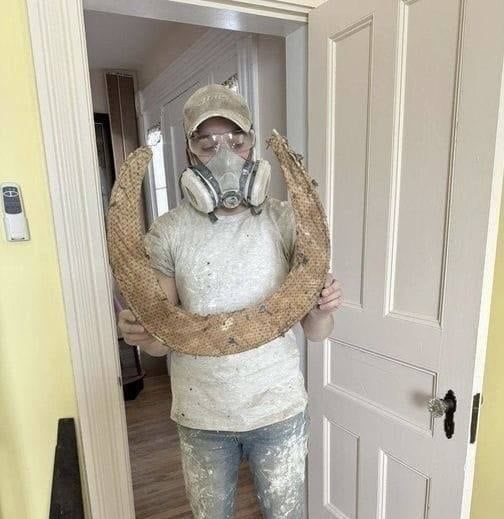
The hips are back—bold, deliberate, and unmistakably visible. What was once a hidden historical garment, tucked discreetly under layers of skirts, has reemerged in contemporary fashion as a statement of presence, creativity, and reinterpretation.
From the high-fashion runways of Paris, Milan, and New York to glossy editorial spreads, social media feeds, and even celebrity red carpets, exaggerated hip silhouettes are commanding attention with a confidence rarely seen in modern sartorial expression.
At the center of this revival is the bum roll, a padded structure with origins in the Renaissance, which is now being celebrated, reworked, and transformed for a 21st-century audience.
Historically, the bum roll was a functional, hidden accessory. Emerging in Europe during the 16th century, it was predominantly worn by women of the upper classes.
Its primary purpose was to accentuate the hips and support the heavy, ornate skirts that defined the era’s aesthetic of wealth and femininity.
The padded roll, often crescent-shaped or tubular, tied around the waist to push skirts outward, creating the bell-shaped silhouette synonymous with status and elegance.
Unlike corsets, which compressed the torso and reshaped the body itself, the bum roll worked externally, manipulating the form of clothing rather than the wearer’s natural proportions.
Its effect was subtle yet profound. Large skirts, requiring massive amounts of expensive fabric, were not merely fashion—they were a symbol of affluence and power. Exaggerated hips communicated social hierarchy, signaling that the wearer could afford luxury and leisure.
But despite its impact on perception, the bum roll was never intended to be permanent. Women could remove it, adjust it, or wear it selectively, maintaining comfort while conforming to the era’s beauty ideals.
Over the centuries, fashion evolved. Bustles, panniers, and crinolines replaced the bum roll, reflecting shifting ideals of proportion, femininity, and elegance.
By the modern era, the bum roll had largely vanished from daily life, surviving mostly in historical reenactments, theater, costume design, and fashion archives. It became a relic—acknowledged, studied, but largely invisible to contemporary audiences.
Reinterpreting the Past for the Present
The modern revival of the bum roll is part of a broader trend in contemporary fashion: a fascination with exaggerated silhouettes, sculptural garments, and performative clothing.
Designers are increasingly embracing volume, padding, and architectural tailoring, celebrating the transformative potential of clothing. Oversized shoulders, balloon sleeves, structured waists, and now, padded hips, all signify a departure from minimalism and a desire to engage fashion as a form of conceptual expression.
What makes today’s bum roll particularly remarkable is its visibility. Unlike its historical counterpart, modern iterations are not hidden beneath layers of fabric.
Designers highlight the padding deliberately—through tailored dresses, sheer fabrics, transparent layers, detachable elements, or sculpted hip extensions.

The result is a silhouette that feels at once historical, futuristic, and boldly performative. It challenges the viewer to confront assumptions about shape, beauty, and bodily proportion.
In a sense, the contemporary bum roll functions as a tool for experimentation rather than constraint. Just as makeup, wigs, prosthetics, or even temporary tattoos allow for self-expression without permanence, padded hips offer wearers the freedom to explore shape and volume without physically altering their bodies.
The structure becomes a medium through which identity, confidence, and creativity can be projected.
This reinterpretation is not simply aesthetic. By making padding visible, designers comment on the constructed nature of beauty standards. Historically, exaggerated hips suggested natural femininity, yet the truth was always mediated through fabric, structure, and social expectation.
Today, the bum roll’s openness reframes this narrative: the wearer is not concealing artifice but performing it intentionally. Fashion becomes self-aware, playful, and self-referential, inviting discussion rather than passive consumption.
Cultural Conversation and Debate
As with any bold revival, the bum roll has sparked debate within fashion circles and cultural commentary. Critics argue that padded hips may feel excessive, impractical, or regressive, fearing that historical references could unintentionally reinforce outdated gender norms or objectification.
Others, however, interpret the trend as liberatory, intellectual, and subversive. Visible padding exposes the artifice of societal beauty expectations, transforming what was once a tool of conformity into an instrument of empowerment.
Fashion scholars note that the shift toward transparency is crucial. By revealing the construction, designers shift control from social norms to the individual wearer.
The wearer no longer hides behind illusion; she—or anyone experimenting with the silhouette—chooses how to engage with perception, power, and identity. Clothing becomes participatory, a dialogue rather than a decree.

Gender, Space, and Power
Perhaps one of the most striking aspects of the bum roll’s resurgence is its relationship to gender. Historically coded as female, the exaggerated hip silhouette is now appearing in gender-neutral and menswear collections.
Designers are experimenting with padded hips across all bodies, challenging conventions that associate curves solely with femininity.
This evolution reflects broader societal conversations about space, visibility, and bodily autonomy. Volume in fashion often signifies presence; wide shoulders, full skirts, and structured hips demand attention.
They resist invisibility. By extending this principle across genders, the modern bum roll embodies a cultural assertion: everyone has the right to occupy space deliberately and confidently.
In this context, the padded hip becomes more than a design element. It is a statement about agency, rebellion, and self-definition. It challenges viewers to reconsider assumptions about who is entitled to visibility, who controls aesthetic norms, and how fashion can mediate identity.
The garment transforms from historical mimicry into a living, dynamic conversation between wearer, designer, and society.
From Runway to Everyday Style
While the bum roll may have begun its modern revival in high fashion and couture, its influence quickly extended into streetwear, casual fashion, and wearable design.
Subtle hip padding, structured tailoring, and soft sculptural elements appear increasingly in ready-to-wear collections, blurring the line between avant-garde and practical.
Some designs offer only gentle enhancements—soft volume that accentuates rather than exaggerates. Others embrace bold, theatrical exaggeration, creating garments that transform the wearer into living sculpture. This range allows individuals to interact with the trend at a personal comfort level, making the bum roll both accessible and aspirational.
Innovations in material have also played a role. Foam, neoprene, mesh, and recycled textiles provide designers with tools to experiment safely, sustainably, and effectively.
The modern bum roll is thus a fusion of history, contemporary design, and material innovation, embodying fashion’s ongoing dialogue between past and present.

The Body as a Canvas
At its core, the bum roll’s revival is a celebration of the body as a canvas for artistic expression. Fashion has always been about transformation. Just as makeup reshapes the face and shoes alter posture, padded hips reimagine proportion and presence. The wearer exercises control, dictating the drama, volume, and emphasis of the silhouette.
Exaggerated hips are no longer about compliance with societal ideals; they are about choice. Each wearer decides how loud the silhouette speaks, whether for personal expression, commentary, or performative flair. By embracing artifice openly, the wearer acknowledges fashion as a tool for self-definition, not deception.
The modern resurgence of the bum roll has not only revitalized a historical garment—it has sparked broader conversations about fashion, identity, and culture. Across fashion capitals, the padded hip has become a canvas on which designers, celebrities, and everyday wearers explore ideas of presence, power, and personal agency.
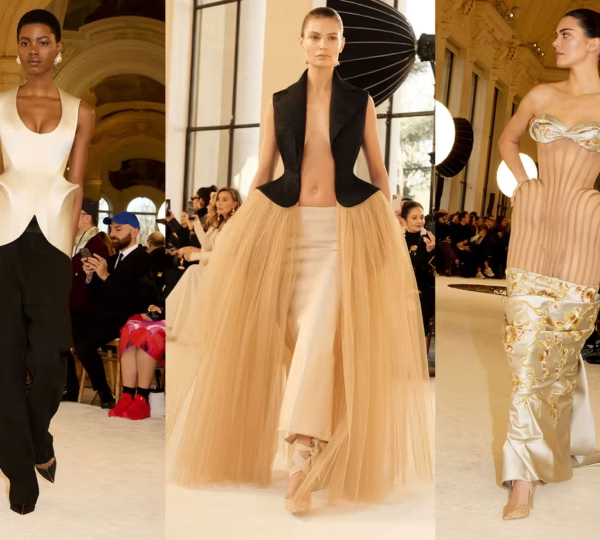
High-fashion runways provide the clearest stage for this phenomenon. At Paris Haute Couture Week, designers such as Schiaparelli, Balmain, and Iris van Herpen have showcased ensembles where the hip padding is unmistakable, sculptural, and theatrical.
In one collection, layers of translucent organza framed exaggerated hip rolls, creating silhouettes that seemed to float in space. In another, tailored leather and neoprene constructions emphasized the hips through stark geometric precision, producing an effect that was both historical and futuristic.
These presentations deliberately blur the line between clothing and performance art, demanding that the audience confront their assumptions about body shape, proportion, and the role of design in mediating identity.
Celebrities have further amplified the trend. Red carpet appearances featuring structured, padded hips generate conversation and viral attention, with paparazzi images circulating across social media platforms.
The visibility of these silhouettes encourages public discourse: Who is empowered by exaggerated curves? What messages are being communicated about femininity, masculinity, and body aesthetics? How does intentional artifice reshape our perception of natural beauty?
Each celebrity appearance becomes a microcosm of fashion’s broader cultural dialogue, highlighting the interplay between historical reference, contemporary experimentation, and mass consumption.
Social media has played a transformative role in normalizing and democratizing the trend. Instagram, TikTok, and Pinterest serve as platforms where users experiment with padded hips in everyday styling, from subtle enhancements in casual wear to full-scale recreations of couture designs.
Influencers and content creators provide tutorials, reviews, and commentary, allowing audiences to engage actively with the trend. Unlike historical fashion, which was largely dictated by class and access, today’s bum roll revival is participatory, enabling individuals across demographics to explore and reinterpret volume, proportion, and self-expression.

This democratization has significant cultural implications. By making a historically exclusive garment accessible, the modern bum roll challenges hierarchies of taste, class, and body politics.
Anyone with the desire to experiment can participate, highlighting fashion’s potential as a tool for empowerment rather than mere ornamentation. In this sense, the bum roll transcends its decorative function to become a symbol of agency, visibility, and choice.
Feminist and Body-Positive Interpretations
The padded hip trend intersects deeply with contemporary conversations about gender, feminism, and body positivity. Historically, exaggerated hips were coded as feminine and tied to societal expectations of beauty and reproduction.
Today, designers intentionally subvert these codes, offering padded hips across all genders, sizes, and silhouettes. This inclusivity challenges the assumption that curves are inherently female, or that visibility and volume are limited to certain bodies.
For women, the trend can be read as empowering: it allows the wearer to exaggerate form intentionally, reclaiming control over how their body is perceived. Rather than conforming to naturalistic or normative ideals, they can play with proportion, dramatize identity, and assert presence.
For men and non-binary individuals, padded hips destabilize traditional masculinity, introducing softness, roundness, and exaggerated form as acceptable expressions of self.
Fashion scholar Caroline Evans notes that “volume in clothing is a political act: it claims space in a culture that often dictates invisibility for certain bodies.” The bum roll’s revival embodies this philosophy, transforming historical artifice into contemporary empowerment.
Body-positive advocates similarly celebrate the trend for its inclusivity and performative freedom. Padding allows experimentation without judgment, offering temporary transformation without altering the natural body. Individuals of all shapes can participate, emphasizing self-expression over conformity.
By embracing visibility, wearers challenge the perception that curves—or the lack thereof—must align with prescribed ideals of attractiveness. Instead, exaggeration becomes a deliberate, self-aware choice, reinforcing the principle that fashion is about agency, creativity, and play.
Global Reach and Cultural Variations
The bum roll revival is not confined to Western fashion capitals. Designers in Asia, Latin America, and Africa are reinterpreting the silhouette within local aesthetics, materials, and cultural narratives.
In Japan, designers combine padded hips with traditional kimono draping, merging architectural structure with fluid, cultural heritage. In Brazil, streetwear designers experiment with foam-enhanced silhouettes in festival fashion, embracing color, texture, and performative dance movements.
African designers integrate structured hips with vibrant textiles and embroidery, emphasizing identity, movement, and celebration.
This global reach underscores fashion’s universality and adaptability. While the historical bum roll emerged from a European aristocratic context, its contemporary revival is a conversation across time, geography, and culture.
It reflects shared human fascination with shape, visibility, and transformation, while allowing each community to reinterpret the form according to its own values, traditions, and artistic language.
Practicality and Everyday Styling
Despite its couture origins, the bum roll has found its way into practical, wearable fashion. Contemporary interpretations include subtle padding in skirts, jackets, or trousers, creating gentle enhancement rather than theatrical exaggeration.
Designers experiment with materials such as lightweight foam, neoprene, or recycled synthetics to maintain comfort while emphasizing shape.
Detachable and modular elements allow flexibility: a garment can be transformed from minimal enhancement to sculptural statement within moments, reflecting the wearer’s mood, context, and intention.
This practicality ensures that the bum roll is not merely a museum piece or runway curiosity. It is an evolving, interactive design element that allows wearers to control how, when, and to what degree they participate in the trend. Whether in office attire, casual wear, or evening fashion, the padded hip adapts to context while maintaining conceptual depth.
Fashion as Historical Dialogue
The revival of the bum roll illustrates fashion’s unique relationship with history. Rather than merely imitating the past, contemporary designers engage in dialogue across time. The silhouette carries the memory of Renaissance opulence, social hierarchy, and artistry, but it is reshaped to speak to modern values: inclusivity, visibility, playfulness, and performative agency.
By revisiting historical forms, designers explore questions such as: Which elements of past fashion remain meaningful today? How does context change interpretation?
What cultural assumptions about gender, beauty, and space can we challenge through clothing? The bum roll exemplifies this dynamic: it is historical yet experimental, practical yet theatrical, subversive yet rooted in centuries of design.
Conclusion: The Bum Roll as Statement
Today, the bum roll is far more than a fashion accessory; it is a cultural statement. It asks viewers to reconsider ideas about proportion, identity, and presence.
By making volume visible, it transforms artifice into empowerment. By embracing historical reference, it reconnects the present with the past. By crossing gender and cultural boundaries, it affirms fashion’s universal potential for self-expression.
Far from a passing fad, the bum roll demonstrates that clothing can be simultaneously aesthetic, performative, and political. It allows wearers to experiment, claim space, and engage in dialogue about identity and perception. It challenges assumptions, celebrates creativity, and redefines the boundaries of what fashion can achieve.
From red carpets to social media, couture runways to streetwear, the bum roll is reclaiming its place in the spotlight. No longer hidden, padded hips are loud, deliberate, and visible—an enduring symbol of the intersection of history, artistry, and empowerment.
In embracing this once-forgotten accessory, fashion confirms a vital truth: innovation often begins with remembrance, and the past, when thoughtfully reinterpreted, can provide the foundation for bold, contemporary self-expression.
Global Reach and Cultural Variations
The bum roll revival is not confined to Western fashion capitals. Designers in Asia, Latin America, and Africa are reinterpreting the silhouette within local aesthetics, materials, and cultural narratives.
In Japan, designers combine padded hips with traditional kimono draping, merging architectural structure with fluid, cultural heritage. In Brazil, streetwear designers experiment with foam-enhanced silhouettes in festival fashion, embracing color, texture, and performative dance movements.
African designers integrate structured hips with vibrant textiles and embroidery, emphasizing identity, movement, and celebration.
This global reach underscores fashion’s universality and adaptability. While the historical bum roll emerged from a European aristocratic context, its contemporary revival is a conversation across time, geography, and culture.
It reflects shared human fascination with shape, visibility, and transformation, while allowing each community to reinterpret the form according to its own values, traditions, and artistic language.
Practicality and Everyday Styling
Despite its couture origins, the bum roll has found its way into practical, wearable fashion. Contemporary interpretations include subtle padding in skirts, jackets, or trousers, creating gentle enhancement rather than theatrical exaggeration.
Designers experiment with materials such as lightweight foam, neoprene, or recycled synthetics to maintain comfort while emphasizing shape. Detachable and modular elements allow flexibility: a garment can be transformed from minimal enhancement to sculptural statement within moments, reflecting the wearer’s mood, context, and intention.
This practicality ensures that the bum roll is not merely a museum piece or runway curiosity. It is an evolving, interactive design element that allows wearers to control how, when, and to what degree they participate in the trend. Whether in office attire, casual wear, or evening fashion, the padded hip adapts to context while maintaining conceptual depth.
Fashion as Historical Dialogue
The revival of the bum roll illustrates fashion’s unique relationship with history. Rather than merely imitating the past, contemporary designers engage in dialogue across time.
The silhouette carries the memory of Renaissance opulence, social hierarchy, and artistry, but it is reshaped to speak to modern values: inclusivity, visibility, playfulness, and performative agency.
By revisiting historical forms, designers explore questions such as: Which elements of past fashion remain meaningful today? How does context change interpretation?
What cultural assumptions about gender, beauty, and space can we challenge through clothing? The bum roll exemplifies this dynamic: it is historical yet experimental, practical yet theatrical, subversive yet rooted in centuries of design.
