
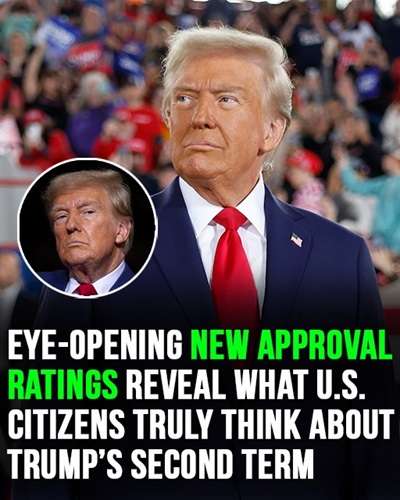
Public debate over presidential performance in the United States has historically involved a dynamic tension between how leaders present their records and how voters ultimately judge their effectiveness.
This interplay between political messaging and public perception is intrinsic to democratic systems, where citizens rely on both observable outcomes and leaders’ narratives to form judgments.
In the case of former President Donald Trump, this contrast between self-presentation and public evaluation has been particularly pronounced. From the outset of his political career, Trump employed a communication style that combined assertive self-promotion, hyperbolic language, and direct appeals to a populist base.
He consistently framed his leadership in expansive and transformative terms, frequently describing his policies as historic, unprecedented, and uniquely effective compared to prior administrations. This framing strategy was central not only to his campaign messaging but also to his governance style, influencing how supporters, critics, and media outlets interpreted policy outcomes.
Trump’s supporters often echoed his assessment, crediting him with reshaping national debates on trade, immigration, taxation, deregulation, and foreign policy. They argue that his administration represented a decisive break from conventional Washington politics, emphasizing a nationalist and “America First” approach. Critics, however, contend that Trump’s rhetoric frequently overstated measurable outcomes, describing initiatives in superlative terms that were not always supported by empirical evidence.

Many analysts point out that his governing style, which favored executive orders, unilateral decision-making, and frequent public confrontation, contributed to heightened political polarization and societal divisions. This dichotomy—between an assertive self-presentation and a contested public evaluation—illustrates broader trends in contemporary American politics, in which partisanship and media ecosystems amplify divergent interpretations of the same set of facts.
A central component of Trump’s political narrative was economic performance. Throughout his presidency, he consistently emphasized the strength of the U.S. economy as a measure of his effectiveness. During his first term (2017–2021), the economy experienced sustained expansion prior to the COVID-19 pandemic, characterized by historically low unemployment rates, rising wage growth for certain sectors, and robust stock market performance.
The administration’s signature economic initiatives included the Tax Cuts and Jobs Act of 2017, substantial deregulation efforts across multiple industries, and an assertive trade policy that included tariffs on imports from China and other nations. Proponents of these policies argued that they encouraged domestic investment, incentivized job creation, and restored competitiveness in key sectors such as manufacturing and energy.
Critics, on the other hand, emphasized that these policies contributed to increased federal deficits, strained international trade relationships, and provided uneven economic benefits across different income groups. Independent analyses noted that while the U.S. economy continued to grow, underlying structural challenges—including income inequality, wage stagnation in certain regions, and trade imbalances—remained largely unresolved.
Tariffs, in particular, became one of the defining aspects of Trump’s economic agenda. He frequently presented tariffs as both a defensive measure against perceived unfair trade practices and a source of revenue that would financially benefit the United States. In reality, tariffs are a form of tax on imports, meaning they are ultimately paid by businesses that import goods and, indirectly, by consumers who purchase those goods at higher prices. Economic research indicates that while tariffs may protect certain domestic industries in the short term, they also tend to raise production costs, disrupt supply chains, and provoke retaliatory tariffs from trading partners.
For example, agricultural exports were significantly affected during the trade war with China, leading to temporary government support payments to farmers to offset losses. Evaluating the net economic impact of tariffs requires careful consideration of multiple variables, including domestic production capacity, global market conditions, and the reactions of international trade partners. Political assessments of tariffs thus remain deeply influenced by ideological perspectives and partisan alignment, with supporters emphasizing protectionism and critics highlighting economic inefficiency.
Energy policy was another pillar of Trump’s messaging, framed around the concept of achieving American “energy dominance.” His administration frequently highlighted increases in domestic oil, natural gas, and coal production as evidence of successful policy implementation. Technological advancements such as hydraulic fracturing and horizontal drilling had already been driving significant growth in U.S. energy output prior to his presidency, yet Trump emphasized regulatory rollbacks, expanded drilling leases, and reduced restrictions on fossil fuel development as central to national energy strategy.
While energy production did increase during his term, gasoline prices remained influenced largely by global oil markets, geopolitical tensions, and seasonal demand patterns, illustrating the limited degree to which presidential policy alone determines retail fuel costs. Proponents of Trump’s energy policies argued that deregulation and domestic production strengthened U.S. energy independence and created jobs, whereas critics emphasized environmental risks, climate implications, and the benefits of accelerating a transition to renewable energy sources.
Beyond domestic economic and energy policies, Trump consistently framed his broader agenda as enhancing national security, restoring American sovereignty, and prioritizing U.S. interests in global affairs. Notable examples include renegotiating trade agreements, most prominently replacing the North American Free Trade Agreement (NAFTA) with the United States-Mexico-Canada Agreement (USMCA), and withdrawing from multilateral agreements such as the Paris Climate Accord and the Iran Nuclear Deal. Supporters praised these actions as assertive, corrective, and reflective of a strategic recalibration of U.S. international engagement.
Critics, in contrast, argued that such moves risked undermining long-standing alliances, eroding diplomatic credibility, and creating long-term geopolitical instability. The interpretation of these policy shifts often depended on ideological framing, with partisan lenses shaping whether observers emphasized perceived strength or recklessness.
Trump’s leadership style itself became a highly visible and widely discussed component of his presidency. His communication methods—particularly direct, confrontational messaging amplified through social media platforms such as Twitter—allowed him to bypass traditional media gatekeepers and engage directly with supporters. This style energized a base that valued his willingness to challenge political norms and confront entrenched institutional actors.
Simultaneously, it drew sharp criticism from opponents who argued that it deepened political polarization, fostered distrust in established institutions, and occasionally propagated misleading or inaccurate statements. Political scientists have observed that Trump’s tenure reshaped internal Republican Party dynamics, strengthened populist currents, and contributed to a new era of highly personalized, media-driven political leadership.
Public opinion data provides a measurable counterpoint to these self-presentations. Nonpartisan polling conducted by established organizations consistently shows that Americans remain deeply divided regarding Trump’s performance. Historical approval ratings during his first term were relatively stable compared with some prior presidents, often fluctuating in the low-to-mid 40 percent range, with disapproval ratings consistently exceeding approval in national surveys.
These patterns reflect a highly polarized electorate, in which partisan affiliation is one of the strongest predictors of presidential evaluation. Voters aligned with the Republican Party were significantly more likely to view Trump positively across policy areas, while Democratic-leaning voters were largely critical. Such divisions highlight that individual perceptions of presidential performance are shaped not only by observable outcomes but also by broader cultural, ideological, and partisan frameworks.
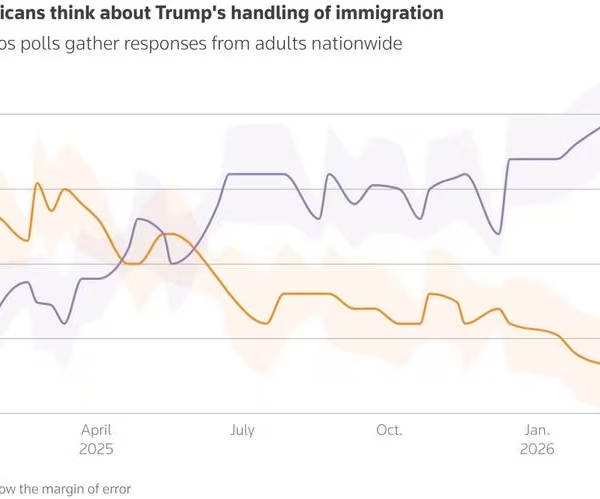
Policy-specific approval ratings offer additional nuance. Economic performance, particularly prior to the COVID-19 pandemic, was one of Trump’s strongest areas among supporters, reflecting positive perceptions of job growth, low unemployment, and stock market performance. Immigration enforcement remained a core issue, with strict border policies—including expansion of physical barriers and increased deportation authority—receiving strong support from voters concerned about national security.
Conversely, these policies faced legal challenges and criticism from those advocating for comprehensive immigration reform and humanitarian protections. Evaluations of foreign policy similarly varied: engagement with North Korea, brokered Middle East agreements (such as the Abraham Accords), and criticism of NATO allies were praised by supporters as evidence of pragmatic, results-oriented diplomacy, while critics viewed them as destabilizing or inconsistent with long-term strategic goals.
Media coverage played a critical role in shaping public perception. Supporters frequently contend that mainstream outlets portrayed Trump’s actions disproportionately negatively, while critics argue that scrutiny was warranted due to exaggerations or inaccuracies in presidential statements. Fact-checking organizations documented instances in which Trump’s claims were partially accurate, misleading, or outright false, particularly regarding crowd sizes, election integrity, and specific policy outcomes. At the same time, selective emphasis of favorable data is common across administrations, reflecting the inherent tension between political messaging and independent verification.

Another influential factor is the broader social and institutional climate. Trust in government institutions has declined steadily over decades, and political polarization has intensified. In this context, presidential approval ratings often reflect entrenched partisan identities more than the immediate impacts of policy decisions. Voters aligned with a president’s party are disproportionately likely to express approval, whereas those aligned with the opposing party tend to express disapproval. This dynamic was especially evident during Trump’s first term and has continued to characterize national political opinion broadly, highlighting the structural role of polarization in shaping public assessments of leadership.
While presidential self-presentation emphasizes accomplishments and strengths, the public’s evaluation is equally shaped by controversies, legal challenges, and the broader implications of leadership decisions. Former President Donald Trump faced a particularly high level of scrutiny throughout his first term, due to both the unconventional nature of his leadership and the intensity of partisan divisions. Among the most prominent controversies were two impeachments by the U.S. House of Representatives, which represented a rare and highly consequential occurrence in American political history.
The first impeachment, initiated in late 2019, focused on allegations that Trump solicited Ukraine to investigate political rivals while withholding military aid. The House charged him with abuse of power and obstruction of Congress. Ultimately, the Senate acquitted Trump in early 2020, following a largely party-line vote.
The second impeachment arose in the aftermath of the January 6, 2021 attack on the U.S. Capitol, when the House charged him with incitement of insurrection. Once again, the Senate acquitted Trump, though this vote included a small number of bipartisan convictions. These impeachments, along with ongoing investigations and legal proceedings in subsequent years, played a significant role in shaping public perception, reinforcing partisan divides, and generating sustained media coverage.
Legal and ethical controversies extended beyond impeachment. Trump faced scrutiny over his financial disclosures, conflicts of interest involving family members in the administration, and allegations of misuse of executive authority. While some claims were resolved in his favor, others remain the subject of ongoing investigation or litigation.
The perception of these controversies is deeply influenced by partisan alignment. Supporters often frame legal challenges as politically motivated attacks, while critics view them as evidence of overreach or misconduct. Political scientists note that high-profile legal scrutiny tends to polarize public opinion further, reinforcing pre-existing beliefs rather than prompting large-scale shifts in perception.
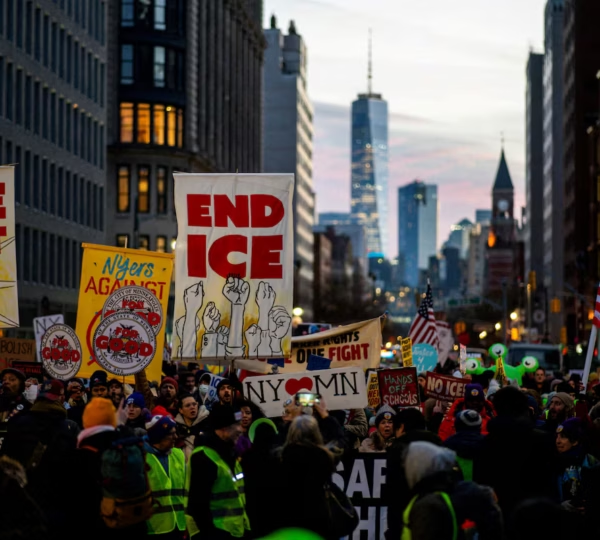
Immigration policy remained one of the most visible and debated aspects of Trump’s presidency. From the outset, his administration prioritized stricter border enforcement, expanded deportation authority, and reforms to asylum processing. High-profile initiatives included the construction of physical barriers along the southern border, the implementation of the “Remain in Mexico” policy for asylum seekers, and increased scrutiny of visa and refugee programs. Supporters lauded these measures as necessary to ensure national security, uphold the rule of law, and protect American jobs.
Critics raised concerns about humanitarian implications, the legal treatment of migrants, and the long-term societal consequences of family separations at the border. Many of these policies faced judicial challenges, resulting in a complex and frequently evolving legal landscape. Analysts emphasize that durable immigration reform in the United States is contingent on congressional action, which proved difficult to achieve amid entrenched partisan gridlock.
Trade policy also remained a defining feature of Trump’s administration and a focal point of debate. His “America First” economic strategy included renegotiation of trade agreements, such as replacing NAFTA with the United States-Mexico-Canada Agreement (USMCA), and the imposition of tariffs on imports from China, the European Union, and other trading partners. Supporters argued that these measures protected domestic manufacturing, incentivized onshoring of production, and promoted fairer trade practices. Critics contended that tariffs increased costs for American businesses and consumers, disrupted global supply chains, and produced retaliatory measures that harmed exporters, particularly in the agricultural sector.
Independent economic analyses indicate that while short-term gains were realized in certain industries, long-term trade imbalances and structural economic challenges remained largely unaddressed. The debate over the effectiveness of these measures underscores the complexity of trade policy, where benefits and costs are dispersed across sectors, regions, and social groups, leading to widely divergent assessments depending on political and economic perspective.
Foreign policy during Trump’s first term similarly generated mixed evaluations. The administration pursued a blend of unconventional diplomacy, unilateral decision-making, and traditional strategic initiatives. Notable achievements included direct engagement with North Korean leader Kim Jong-un, which produced historic summits and temporary de-escalation of nuclear tensions, though substantive denuclearization remained elusive. The administration brokered the Abraham Accords, facilitating normalization of relations between Israel and several Arab states—a significant diplomatic achievement lauded internationally.
Trump also emphasized burden-sharing within NATO, pressing European allies to increase defense spending, and at times withdrew from multinational agreements, such as the Paris Climate Accord and the Iran Nuclear Deal, citing perceived disadvantages to U.S. interests. Supporters characterized these actions as pragmatic, assertive, and reflective of a national-interest-first approach.
Critics argued that strained relationships with long-standing allies, inconsistent messaging, and unilateral policy decisions risked undermining long-term strategic goals and global stability. Public evaluation of these foreign policy moves frequently aligned with partisan perspectives, with Republicans more likely to emphasize assertiveness and Democrats more likely to stress diplomacy and multilateral cooperation.
Public opinion metrics provide important context for understanding how controversies and policy decisions shaped perceptions of Trump’s leadership. Throughout his first term, approval ratings remained relatively stable compared to some previous presidents, with fluctuations often linked to major national or international events. Surveys conducted by nonpartisan organizations such as Pew Research Center, Gallup, and ABC/Washington Post indicated consistent partisan splits: Republican approval was high and steady, while Democratic approval was uniformly low.
Independent or unaffiliated voters exhibited more variability, with evaluations influenced by economic conditions, pandemic response, and high-profile political events. These data highlight a key dynamic in contemporary American politics: deeply polarized electorates tend to evaluate presidents more through the lens of partisan identity than through neutral assessment of policy outcomes.
The COVID-19 pandemic introduced unprecedented challenges and further shaped public perception of presidential performance. Trump’s administration faced criticism for initial messaging on the severity of the virus, public health guidance, coordination with state governments, and the promotion of treatments later determined to be ineffective or unsafe. Supporters highlighted rapid mobilization of resources, including Operation Warp Speed to accelerate vaccine development, the invocation of the Defense Production Act to increase medical supply production, and economic relief measures such as the CARES Act.
Critics emphasized inconsistent messaging, politicization of public health measures, and delayed responses in critical areas. These contrasting assessments underscore the broader tension between presidential self-presentation and measurable outcomes, particularly in situations involving complex scientific, logistical, and social factors.
Media coverage and fact-checking mechanisms further shaped public perception. Trump’s frequent use of social media to communicate directly with the public bypassed traditional journalistic filters but also amplified the spread of claims that were partially accurate, misleading, or false. Independent fact-checkers documented these instances and provided context, which critics argue was essential for public accountability.
Supporters, conversely, often viewed media scrutiny as biased or unfair, reinforcing skepticism toward traditional information sources. The interaction between media framing, fact-checking, and public reception contributed to the intensification of partisan echo chambers, in which individuals consumed information that reinforced pre-existing beliefs and filtered contradictory evidence.
Social and institutional dynamics also played a critical role. Declining trust in government, increasing polarization, and heightened partisanship meant that evaluations of presidential performance were frequently influenced by broader cultural and identity-based factors rather than by purely empirical analysis. Political scientists note that in highly polarized contexts, even well-documented successes may be discounted by opponents, while errors or controversies are amplified, creating a feedback loop that reinforces division. This was evident not only in polling on Trump’s leadership but also in responses to impeachment, pandemic management, foreign policy, and economic outcomes.

In addition to domestic policy and legal controversies, Trump’s approach to governance—including his reliance on executive authority, appointments of federal judges, and restructuring of federal agencies—elicited strong reactions. Supporters praised decisive leadership and long-term influence on the judiciary, citing the confirmation of numerous conservative judges as a durable legacy. Critics argued that executive overreach and the politicization of institutions undermined democratic norms and eroded public trust. Evaluating the cumulative impact of these structural changes requires consideration of both immediate outcomes and long-term implications for governance and institutional integrity.
Finally, the intersection of policy, rhetoric, and public opinion highlights the enduring challenge of assessing presidential performance. The American electorate interprets events not solely through objective outcomes but through a lens shaped by ideology, partisanship, and cultural affiliation. This duality—between measurable accomplishments and subjective evaluation—remains central to understanding Trump’s political impact. Across policy areas, from trade and immigration to energy and foreign relations, supporters and critics view the same set of facts through profoundly different interpretive frameworks. Consequently, analyses of Trump’s presidency must integrate empirical data, partisan dynamics, media influence, and social context to provide a comprehensive understanding of his leadership and public perception.
Assessing the historical legacy of Donald Trump requires consideration not only of tangible policy outcomes but also of his broader influence on the political, institutional, and cultural landscape of the United States. Presidential legacies are complex, often combining objective metrics—such as economic performance, legislative accomplishments, and international agreements—with more qualitative dimensions, including leadership style, public perception, and influence on political norms. In Trump’s case, the interaction between self-presentation, policy implementation, and public evaluation has created a particularly distinctive and polarized narrative, with supporters emphasizing decisive action and critics highlighting institutional disruption.
Economic policy continues to be a central pillar of Trump’s legacy. The Tax Cuts and Jobs Act of 2017 represented the most significant federal tax overhaul in decades, lowering corporate tax rates from 35 percent to 21 percent and providing temporary reductions for individual income taxes. Supporters argue that these changes stimulated investment, encouraged repatriation of corporate profits, and fostered short-term job growth.
Critics emphasize that the legislation contributed to an increase in the federal deficit, disproportionately benefited higher-income individuals and corporations, and did not fully address structural issues in the labor market, such as regional disparities in wages and access to employment. Quantitative analyses indicate that while GDP growth accelerated modestly in the first years following the tax cuts, long-term fiscal sustainability remains a key consideration in evaluating the policy’s impact.
Regulatory policy represents another dimension of Trump’s economic legacy. The administration implemented broad deregulatory measures across sectors such as finance, energy, environmental protection, and labor. Supporters argue that reducing regulatory burdens improved efficiency, lowered costs for businesses, and promoted economic growth. Critics contend that the rollback of regulations—particularly in environmental protection and workplace safety—introduced long-term risks, including environmental degradation and reduced oversight of corporate practices. Independent analyses suggest that the deregulatory approach had sector-specific impacts: energy production increased, particularly in oil and natural gas, while environmental outcomes varied depending on state-level enforcement and technological mitigation strategies.
Trade and globalization policies further define Trump’s economic and geopolitical imprint. The imposition of tariffs on China, the renegotiation of NAFTA into USMCA, and pressure on allies to reduce trade deficits represent a substantial recalibration of U.S. trade strategy. Supporters assert that these policies strengthened domestic manufacturing, safeguarded intellectual property, and signaled a willingness to challenge perceived unfair practices by trading partners. Opponents argue that tariffs imposed costs on U.S. consumers, created uncertainties for businesses, and generated retaliatory measures that affected exporters, particularly in the agricultural sector. Long-term effects of these trade policies will continue to unfold, influenced by global economic trends, supply chain adjustments, and evolving geopolitical dynamics.
Immigration policy remains one of the most enduringly controversial aspects of Trump’s tenure. Physical barriers along the southern border, restrictions on asylum, and increased deportation authority symbolized a hardline approach that supporters interpret as necessary for national security and the preservation of rule of law. Critics argue that these measures raised humanitarian concerns and highlighted the limitations of executive authority in achieving comprehensive immigration reform. Judicial challenges, state-level interventions, and congressional gridlock shaped the implementation of these policies, illustrating the difficulty of translating rhetoric into lasting structural change without legislative support. The debate over immigration continues to resonate in American political discourse, influencing voter preferences, party platforms, and national identity debates.
Foreign policy initiatives during Trump’s first term have left a complex legacy. The Abraham Accords, which normalized relations between Israel and multiple Arab states, are widely recognized as a diplomatic milestone with potential long-term implications for Middle Eastern geopolitics. Engagement with North Korea, while historic in tone, achieved limited substantive denuclearization results, reflecting the challenges inherent in negotiating with highly insulated authoritarian regimes. Trump’s emphasis on “America First” in international agreements and alliances, including NATO and trade treaties, challenged long-standing assumptions about U.S. commitments to multilateralism. Supporters view these actions as recalibrating global relations in favor of U.S. interests, while critics highlight potential risks to international cooperation, global stability, and long-term strategic influence. The interpretation of these foreign policy actions remains highly partisan, with evaluations varying widely across ideological lines.
Trump’s leadership style—direct, confrontational, and amplified through social media—has had a lasting influence on political communication. By circumventing traditional media channels, he demonstrated the power of unmediated messaging to shape public discourse, mobilize supporters, and define national narratives. This approach has inspired a new generation of political figures to adopt similar tactics, emphasizing direct engagement with constituents via digital platforms. However, critics argue that this style has contributed to increased polarization, the spread of misinformation, and erosion of norms surrounding civil discourse. Political scientists note that while such communication strategies can be effective in consolidating a core support base, they may also weaken institutional trust and exacerbate divisions in an already fragmented political landscape.
Public opinion reflects the enduring polarization surrounding Trump’s leadership. Throughout his presidency, polling data consistently indicated a deep partisan divide, with approval and disapproval ratings largely mirroring party affiliation rather than shifts in policy or event-driven sentiment. This entrenched divide highlights the role of identity politics, media consumption patterns, and social affiliation in shaping perceptions of presidential performance. Even objective indicators such as economic performance, pandemic response, and foreign policy accomplishments were filtered through partisan lenses, producing markedly different interpretations among supporters, critics, and independents.
Controversies, legal proceedings, and impeachment episodes further shaped perceptions of Trump’s presidency. The two impeachments, ongoing investigations, and subsequent legal cases have remained salient in public discourse, influencing both voter behavior and the broader cultural understanding of executive accountability. Supporters often frame these events as politically motivated attacks designed to undermine a democratically elected leader, whereas critics interpret them as necessary checks on executive power and evidence of overreach. These divergent narratives reinforce the polarized nature of public opinion, making objective consensus difficult to achieve.
In evaluating Trump’s overall legacy, it is essential to consider both measurable outcomes and the qualitative dimensions of governance. Economic indicators, legislative accomplishments, trade agreements, judicial appointments, and diplomatic achievements provide tangible benchmarks of effectiveness. At the same time, public perception, media framing, and leadership style shape broader societal narratives about competence, trustworthiness, and national direction. Trump’s presidency illustrates the interplay between these factors, demonstrating how strong political narratives can amplify support, reinforce identity-based loyalty, and shape the historical record alongside empirical results.
Looking forward, the long-term assessment of Trump’s impact will depend on several factors: the durability of policy changes, their influence on subsequent administrations, evolving global economic and geopolitical conditions, and historical interpretation. His reshaping of the Republican Party, the normalization of populist rhetoric, and the strategic use of social media as a primary communication tool are likely to remain influential in American political discourse for years to come. At the same time, questions about institutional norms, partisanship, and polarization will continue to contextualize evaluations of his presidency.
Ultimately, the Trump presidency exemplifies the tension inherent in modern American political leadership: the gap between self-presentation and public evaluation, the interplay between measurable outcomes and subjective interpretation, and the persistent influence of partisan identity in shaping political judgment. Supporters view his tenure as a period of decisive action, protection of national interests, and assertive leadership, while critics see it as a time of institutional strain, divisive rhetoric, and policy outcomes that are unevenly distributed across society. Historical judgment will continue to evolve, integrating empirical analyses with long-term assessments of social, political, and economic impact.
In conclusion, the case of Donald Trump underscores the multifaceted nature of presidential evaluation. Measuring leadership effectiveness requires balancing quantitative indicators with qualitative considerations, assessing both short-term outcomes and long-term consequences. As with any presidency, interpretations of success or failure will differ depending on perspective, values, and partisan alignment. What remains indisputable is that Trump’s tenure has left an indelible mark on the political landscape of the United States, influencing policy, institutional norms, public discourse, and the contours of political engagement in a deeply polarized era. The interplay between narrative, perception, and measurable outcomes will continue to define how historians, voters, and political analysts understand his legacy for decades to come.
