
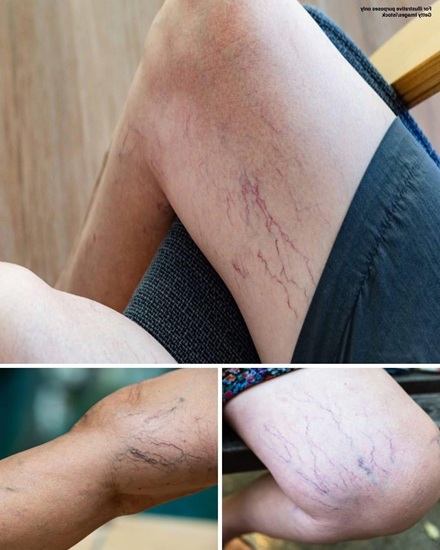
Purple veins appearing on the legs are often more than a cosmetic issue. They signal that venous circulation may be compromised, and blood is struggling to return efficiently to the heart, especially after long periods of standing or sitting.
These veins, typically bluish or purple, are often referred to as spider veins or early varicose veins. They form when small valves inside veins weaken, allowing blood to pool instead of moving upward against gravity.
Gravity makes leg veins particularly susceptible. Standing or sitting for extended hours increases venous pressure, causing blood to stagnate, which accentuates the visibility of purple veins, heaviness, and discomfort over time if preventive measures are ignored.
While some may dismiss these veins as superficial, they often indicate underlying circulatory strain. Pooling blood can cause leg heaviness, fatigue, burning, or mild swelling, signaling that the veins are under excessive pressure and not functioning optimally.

Early-stage purple veins usually cause minimal pain, yet they serve as important indicators of venous health. If left unaddressed, these early signs may progress into more serious varicose veins, affecting mobility and quality of life.
Lifestyle factors are a major contributor to vein stress. Sedentary habits, prolonged sitting at desks, lack of physical activity, and excess weight increase pressure within the veins, making circulation less efficient and veins more visible.
External factors, such as tight clothing or restrictive hosiery, can also worsen circulation. Compression on the legs restricts normal blood flow and can accelerate valve weakness, contributing to purple or bulging veins over time.
Hormonal changes, particularly during pregnancy, menopause, or hormone therapy, can relax vein walls, reducing valve efficiency and increasing the risk of spider veins. Women are generally more prone to vein issues due to these hormonal influences.
Genetics plays a significant role as well. If immediate family members have spider or varicose veins, there is a higher likelihood of developing similar vein issues, even for individuals who maintain a healthy lifestyle and regular exercise.

Symptoms of venous strain often develop gradually. Initially, veins may appear faintly purple or blue, darkening or becoming more prominent after long periods of standing, walking, or sedentary activity, signaling the veins’ struggle against gravity.
Leg heaviness, fatigue, and a sensation of pressure often accompany visible vein changes. Some individuals may feel mild throbbing, burning, or aching sensations in the calves or ankles, which typically worsen toward the evening.
Swelling around the ankles and lower legs may occur, particularly after standing or walking. Fluid accumulation is caused by inefficient venous return and can exacerbate discomfort, heaviness, or fatigue, further highlighting compromised circulation.
Ignoring purple veins can allow progression. Small spider veins may develop into larger, protruding varicose veins, causing increased pain, discomfort, and potential medical complications if circulation issues remain unaddressed over time.
Skin changes can accompany advanced venous issues. Discoloration, dryness, and thickening around the ankles are common, while severe cases may develop fragile or itchy skin, increasing the risk of minor injuries or infections.
Preventive action is crucial. Simple lifestyle changes such as regular exercise, walking, and stretching help strengthen calf muscles, which act as natural pumps to facilitate blood flow back toward the heart efficiently.
Targeted leg exercises, like calf raises, ankle rotations, and gentle stretching, improve venous return and support weakened valves. These exercises can be performed multiple times daily, even during short breaks from sitting or standing for long hours.

Elevating the legs above heart level periodically encourages blood flow back toward the torso, reducing venous pressure and alleviating swelling or fatigue. Even brief elevation sessions can significantly support vein health when practiced regularly.
Hydration plays a key role in maintaining optimal circulation. Adequate water intake prevents blood thickening, supports venous return, and ensures that valves and vein walls function efficiently, reducing the likelihood of purple vein formation.
Maintaining a healthy body weight reduces intra-abdominal pressure and leg vein strain. Excess weight can compress veins and compromise circulation, making purple veins more visible while increasing the risk of associated discomfort or swelling.
Compression stockings are an effective tool. They provide graduated pressure along the legs, supporting venous return, reducing blood pooling, and helping weakened valves function better, without restricting movement or causing additional strain.
Medical evaluation is recommended if symptoms progress. Vein specialists can assess circulation through non-invasive imaging such as Doppler ultrasound, providing guidance on interventions or therapies to improve venous function if necessary.
Minimally invasive treatments, including sclerotherapy or laser therapy, offer safe options for larger or persistent veins. These procedures close damaged veins, redirecting blood to healthy vessels while improving appearance and reducing discomfort.
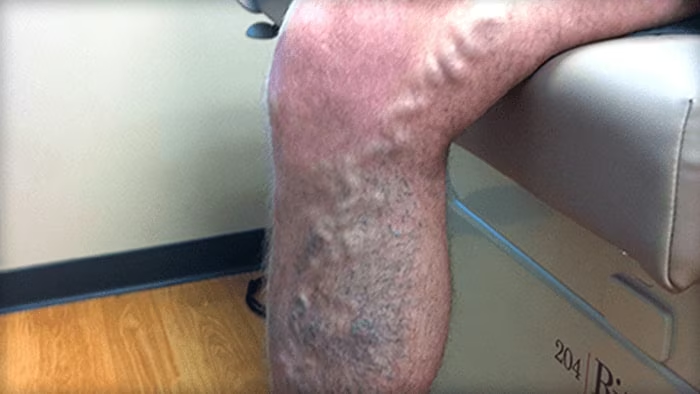
Early intervention can prevent long-term complications. Addressing purple veins promptly preserves leg comfort, reduces swelling, prevents skin changes, and supports mobility, allowing individuals to maintain daily activities without pain or limitation.
Awareness, rather than fear, should guide action. Purple veins indicate that the legs require better circulation support, prompting lifestyle adjustments that strengthen vein health and prevent progression toward more serious varicose vein conditions.
Simple adjustments, like walking short distances, alternating between sitting and standing, and flexing the ankles periodically, improve circulation significantly. These small habits cumulatively reduce venous strain and the visibility of spider or purple veins.
Loose clothing around the waist, thighs, and calves improves venous blood flow. Avoiding tight belts or restrictive garments prevents unnecessary compression, helping maintain healthy circulation and reducing the risk of worsening purple veins.
Diet also supports vein health. Nutrients like fiber, antioxidants, and flavonoids strengthen vein walls, reduce inflammation, and improve blood flow. Fruits, vegetables, and whole grains are particularly beneficial for maintaining optimal circulation.
Prolonged inactivity should be avoided. Standing or sitting for hours without movement increases pressure in leg veins, encouraging blood pooling and promoting the development of spider veins, particularly in the calves and ankles.

Recognizing early signs is key. Heaviness, mild swelling, burning sensations, or visible purple veins suggest compromised circulation and signal the need for lifestyle adjustments, preventive care, or medical evaluation to prevent further complications.
Pregnancy increases venous pressure, placing additional strain on leg veins. Compression garments, leg elevation, and regular movement can alleviate discomfort and prevent the progression of spider veins during and after pregnancy.
Family history should inform monitoring. Individuals with relatives affected by varicose veins are at higher risk and should adopt proactive measures, including leg exercises, circulation support, and regular medical checkups for early detection.
Conservative management often prevents the need for surgery. Lifestyle measures, exercise, hydration, and supportive garments frequently stabilize vein health, maintain mobility, and prevent progression to painful varicose veins or chronic leg swelling.
Ignoring purple veins may lead to increasing discomfort, persistent swelling, skin changes, and mobility limitations, emphasizing the importance of early awareness and proactive interventions to support leg health and overall quality of life.
The legs perform the vital task of pumping blood against gravity. Weak veins reflect increased strain, and supporting circulation through exercise, hydration, and compression reduces pressure and preserves long-term venous function.
Taking action early empowers individuals to protect their vein health. Walking, stretching, leg elevation, hydration, and balanced nutrition all strengthen circulation, reduce visible veins, and promote comfort and mobility throughout the day.
Even minor daily practices, such as ankle flexing, short walks, and alternating between sitting and standing, can significantly improve circulation. These habits help prevent purple veins from becoming larger varicose veins or causing discomfort.
Supporting veins from within through diet, hydration, and movement is often more effective than cosmetic remedies alone. Internal health strategies ensure long-term vein strength, appearance, and reduced risk of painful complications.
Purple veins are signals from the body, indicating that circulation requires attention. Early response with movement, hydration, supportive clothing, and exercise can maintain vein health and prevent future complications.
Regular monitoring of symptoms, including leg heaviness, swelling, and vein appearance, ensures early detection. Combining preventive measures with awareness empowers individuals to preserve vein health, mobility, and comfort over time.
Proactive management prevents purple veins from progressing to more severe varicose veins, alleviates discomfort, and supports overall leg health, demonstrating the importance of lifestyle interventions, exercise, and awareness in circulation care.
Compression therapy, leg elevation, hydration, exercise, and diet work synergistically to maintain vein function. This integrated approach strengthens veins, improves circulation, and ensures legs remain light, comfortable, and healthy for years.
Recognizing purple veins early is crucial. Awareness, consistent preventive care, and appropriate intervention allow individuals to maintain mobility, reduce discomfort, and support vein health while avoiding long-term complications or aesthetic concerns.
