
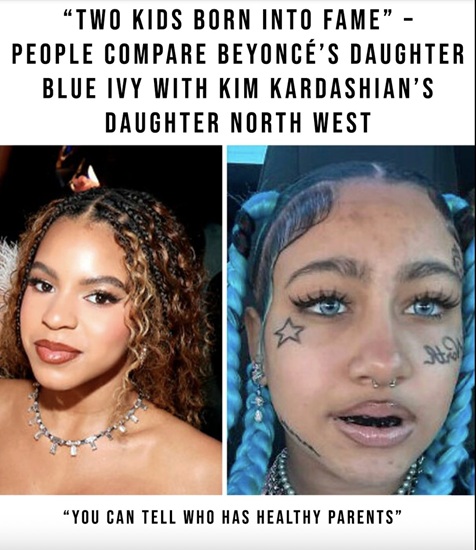
Celebrities often face intense public scrutiny, with fans commenting on everything from fashion to family life, making parenting choices a frequent topic of debate online.
Beyoncé and Jay‑Z’s daughter Blue Ivy Carter and Kim Kardashian and Kanye West’s daughter North West are both globally recognized celebrity children.
Blue Ivy, now 12, has grown up in the spotlight, performing on tour and appearing at high‑profile premieres alongside her superstar parents.
North West, also 12, shares a popular social media presence with her mom, often appearing in photos, videos, and fashion posts online.
Recently, a side‑by‑side social media video comparing the two girls went viral, amassing millions of views and igniting heated debate.
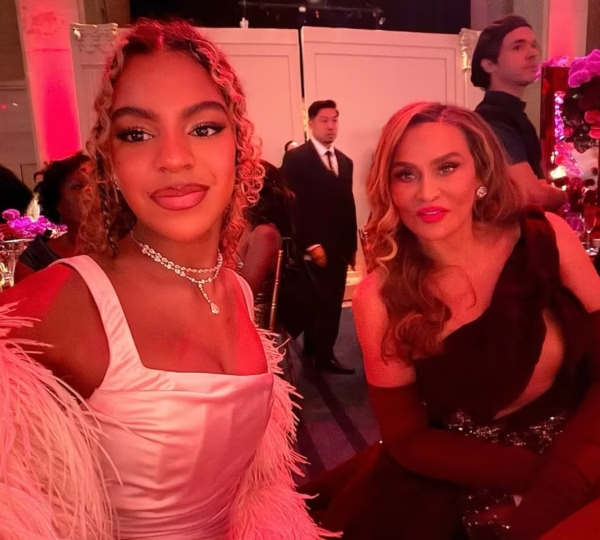
The post contrasted a natural photo of Blue Ivy with images of North in a stylized look featuring piercings and dental grills, often mistaken by some as real.
The caption suggested that differences in family structure — with Blue Ivy having two present parents and North being raised by one household — explained perceived differences in upbringing.
Many viewers were immediately offended, pointing out the post was unfair and misleading, especially since the images of North included costume or social media styling.
Critics responded that using a child’s Halloween or fashion look as a comparison point was inappropriate and did not reflect meaningful parenting differences.
Others stressed that children from both single‑parent and two‑parent homes can be healthy, successful, and well‑adjusted, rejecting the idea that family structure alone determines outcomes.
Some commentators also highlighted that children express themselves differently, especially when they grow up with global fame and widespread public attention.
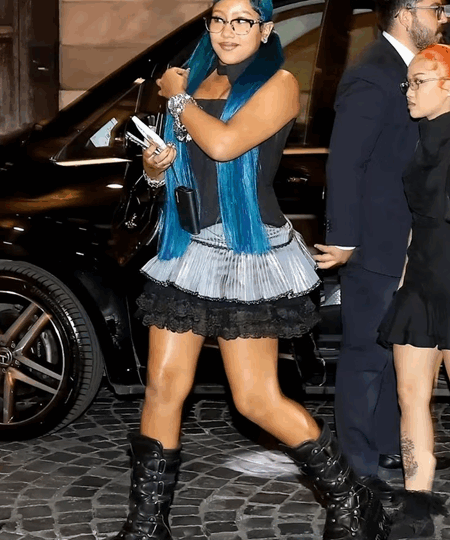
In the aftermath of the viral comparison, North West herself responded on social media, jokingly addressing critics by showcasing a new piercing and engaging humorously with viewers.
Social media discussions extended beyond the original comparison, with broader debates about how celebrity children are portrayed and judged in public.
For example, some have criticized the trend of treating preteens’ styling or fashion choices as adult subjects, arguing this puts unnecessary focus on image over individuality.
North West’s fashion and appearance choices have been frequently discussed online in recent years, including finger piercings and stylized looks shared on TikTok and other platforms.
Such posts often prompt divided reactions: while some defend self‑expression, others worry about children being pushed toward mature aesthetics too young.
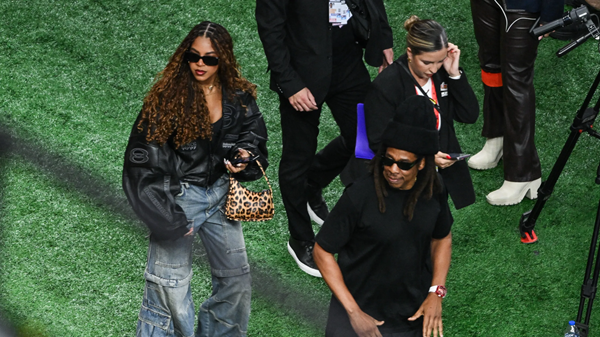
Critics of celebrity net culture emphasize that judgment of children’s appearances often reflects adult biases rather than any meaningful assessment of parenting.
Experts and commentators argue that social media can magnify trivial aspects of growing up into exaggerated controversies with real emotional impact.
Beyond the viral clip, discussions also touch on how children like Blue Ivy have faced criticism over performance or appearance, showing the wider pattern of public commentary.
Blue Ivy’s performances with her mother, such as her appearances on The Renaissance Tour, drew both praise and some online critique when she was younger.
This highlights that public reaction to celebrity kids is not new — even positive achievements sometimes bring disproportionate commentary.
Meanwhile, debates about North’s online presence illustrate how each generation of celebrity children navigates scrutiny shaped by rapidly evolving digital culture.
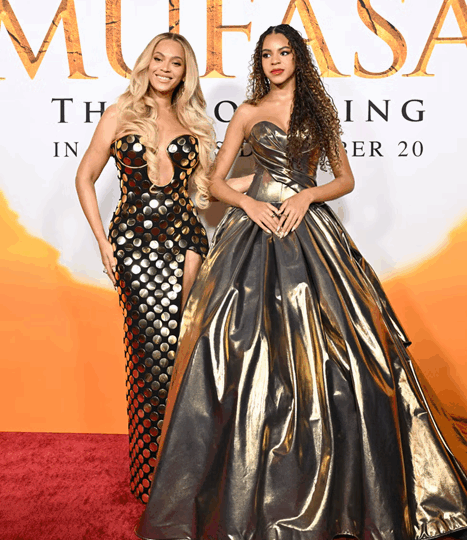
Supporters of both young girls often defend them, saying they are children first and deserve privacy and respect outside of social media narratives.
Many voices online have reminded commentators to distinguish between authentic family life and staged or curated imagery that fuels comparison content.
Some also encouraged focusing on the parents’ choices rather than making sweeping judgments about the children themselves.
This conversation intersects with broader societal debates over social media’s impact on youth, self‑expression, and parent‑child relationships.
Critics of constant online commentary argue that celebrity influence should not equate to permission to subject children to public opinion polls.
Others note that fame itself inevitably attracts attention, and navigating public perceptions can be both an opportunity and a burden for celebrity families.
Observers say the viral comparison reinforces the need for empathy and caution when discussing children’s lives, regardless of their parents’ fame.
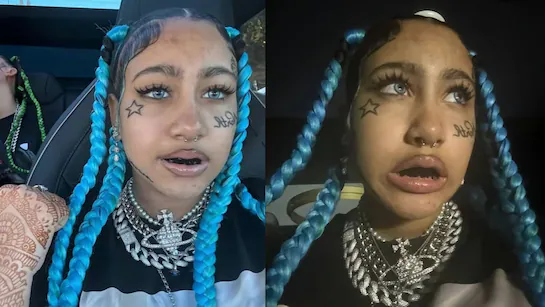
Parenting debates online often reveal more about cultural anxieties and biases than about individual families or children.
In each case, commentators urge people to consider how their own words impact real lives beyond pixelated screens and trending videos.
Ultimately, most experts agree that children’s personalities, interests, and futures cannot be accurately judged through isolated social media snapshots or comparisons.
The backlash against the viral post shows ongoing tensions between public fascination with celebrity culture and growing calls for more respectful online dialogue.
At its core, this episode highlights how celebrity children can become symbols in much larger discussions about family, fame, and social expectations.
It also illustrates the risks of oversimplifying complex issues like parenting into viral entertainment without considering the real people involved.
As the conversation continues, many commentators remind audiences that while celebrities live in public, their children remain individuals with lives beyond trending narratives.
And for social media users, this story serves as a reminder to think critically before sharing or amplifying content that involves minors and personal lives.
