
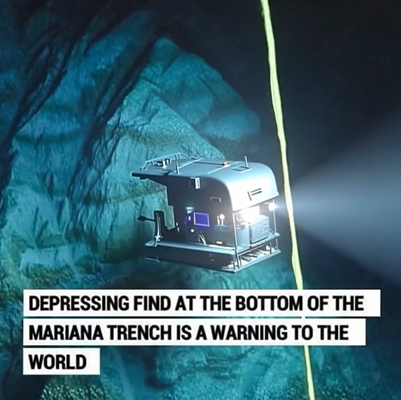
For decades, the Mariana Trench stood as one of the final frontiers of Earth’s untouched wilderness. Located in the western Pacific Ocean, it plunges deeper than the height of Mount Everest, reaching a depth of nearly 36,000 feet (approximately 11,000 meters).
For generations, it was widely regarded as a realm beyond human reach—a dark, pressurized, and frozen world that remained untouched by the consequences of modern civilization.
This perception was grounded in the Trench’s extreme environmental conditions. Sunlight never penetrates the abyssal depths, temperatures hover just above freezing, and water pressure exceeds one thousand times the pressure experienced at sea level.
Such conditions are lethal to most life forms found on the planet’s surface. It seemed almost inconceivable that human activity could reach such a remote and isolated ecosystem.
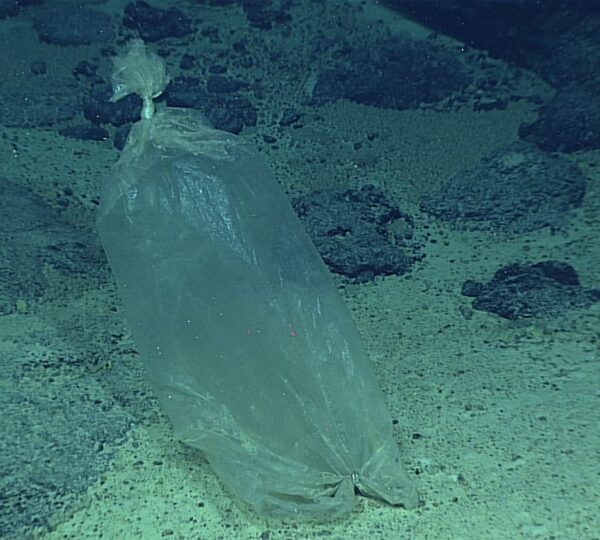
Yet in recent years, that belief was profoundly challenged. Researchers exploring the Mariana Trench discovered something unexpected: a plastic bag resting silently on the ocean floor.

At first glance, the object appeared mundane—something that could have been easily overlooked in any terrestrial setting. But its presence, seven miles beneath the ocean surface, conveyed a powerful, unsettling truth: no corner of Earth is truly free from human influence.
This single piece of plastic forced scientists, policymakers, and the global public to confront an uncomfortable reality. The Trench, long a symbol of Earth’s pristine wilderness, was now a mirror reflecting humanity’s environmental footprint. This discovery revealed how human actions ripple through natural systems in ways that are often invisible but deeply consequential.
The Mariana Trench: Life in Earth’s Deepest Frontier
Despite its forbidding environment, the Mariana Trench is not devoid of life. Over millions of years, isolated ecosystems have evolved to thrive under extreme pressure, low temperatures, and perpetual darkness. Remarkably, scientists have documented a surprising diversity of species, all uniquely adapted to survive in this environment:
- Translucent jellyfish that drift through the abyss with bioluminescent glows, creating ephemeral streaks of light in an otherwise impenetrable darkness.
- Snailfish with gelatinous bodies capable of withstanding immense pressure that would crush most surface-dwelling organisms.
- Giant amphipods scavenging detritus from the seafloor, sometimes reaching sizes far larger than their shallow-water relatives.
- Sea cucumbers and other benthic organisms that recycle nutrients, forming the backbone of deep-sea ecological processes.
- Microbial communities that survive without sunlight, relying on chemosynthesis—deriving energy from chemical reactions with minerals and compounds in the sediment.
These ecosystems developed over millennia in relative isolation. Their stability is fragile; small disturbances can have disproportionately large impacts. Until recently, scientists believed that the Trench’s extreme depth insulated it from the pollution affecting the surface world.
The discovery of plastic debris shattered that assumption. The presence of human-generated waste in such a remote environment is a stark reminder that no ecosystem, no matter how remote, is immune to the consequences of human behavior.
Plastic Pollution in the Abyss
The plastic bag found in the Mariana Trench was far from an isolated incident. Subsequent deep-sea explorations have revealed that plastic is surprisingly widespread even in the deepest parts of the ocean. Studies estimate that nearly one in five plastic items recovered from the Trench show evidence of interaction with marine life—ingestion, entanglement, or physical abrasion.
For deep-sea organisms, these encounters are more than minor inconveniences. Many species in the Trench grow slowly and have long lifespans. Damage to individual animals or their habitats can take decades—or even centuries—to repair, if recovery is possible at all.
For example, certain species of deep-sea corals can take hundreds of years to recover from physical disturbances. Introducing synthetic debris into these environments represents a profound and enduring challenge.
How Plastic Travels to the Deep Sea
The presence of plastic in the Mariana Trench raises an important question: how does everyday waste, discarded on land thousands of miles away, reach the most remote and extreme parts of the ocean?
The answer lies in the interconnected nature of Earth’s water systems. Plastic discarded in cities, rivers, or coastal regions is carried into the ocean by wind, rainfall, and surface runoff. Once in marine environments, ocean currents transport this debris across vast distances, often encircling the globe in gyres.
Over time, many plastics undergo biofouling, a process where microorganisms, algae, and small invertebrates attach to their surfaces. This increases the plastic’s density, eventually causing it to sink. Gravity and ocean circulation then carry these fragments downward, sometimes into deep-sea trenches like the Mariana.
Analysis of debris retrieved from the Trench shows that approximately 89% of items are single-use plastics, such as bags, food wrappers, and packaging materials. These are not products designed for ocean environments; they are ordinary consumer items that, through careless disposal, travel thousands of miles to reach one of the least accessible places on Earth.
The Durability and Longevity of Plastic
One of the most alarming characteristics of plastic is its durability. Unlike organic matter, which biodegrades over time, most plastics persist in the environment for centuries. In the ocean, they gradually break into smaller fragments known as microplastics, which can infiltrate ecosystems at every level.

Microplastics are particularly insidious because they are easily ingested by marine organisms, from plankton to fish and even deep-sea species. Once ingested, microplastics can:
- Cause physical injury, such as cuts or blockages in digestive systems.
- Act as carriers for toxic chemicals, including persistent organic pollutants that adhere to plastic surfaces.
- Disrupt reproductive and developmental processes in sensitive species.
In deep-sea environments, where natural processes like decomposition and microbial breakdown are slower due to low temperatures and high pressure, plastic can persist indefinitely. This represents a long-term, essentially permanent introduction of synthetic material into ecosystems that evolved without it.
Chemical and Biological Consequences
Plastic pollution poses both physical and chemical risks. Large debris can entangle animals, restrict movement, or damage fragile habitats, such as cold-water corals. Smaller fragments, meanwhile, have subtle yet serious impacts.
Plastics can absorb and concentrate environmental toxins, including polychlorinated biphenyls (PCBs), heavy metals, and pesticides. Once ingested, these substances can accumulate in the tissues of deep-sea species, potentially impacting their growth, reproduction, and survival.
Because the Mariana Trench remains poorly studied, scientists are concerned that these impacts may be occurring without immediate signs. By the time visible effects appear, ecosystems may have already suffered irreparable harm.
A Symbol of Global Responsibility
The discovery of a single plastic bag in the Mariana Trench is not merely symbolic; it is a tangible indicator of the global scale of human impact. Oceans recognize no political boundaries. Pollution introduced in one country can travel across thousands of miles, affecting ecosystems far beyond the point of origin.
Every community, every river, and every individual contributes to the health—or deterioration—of marine environments. Waste that is improperly managed does not vanish; it circulates through Earth’s interconnected systems.
This reality underscores the importance of collective responsibility. Governments, industries, and citizens all share a role in reducing plastic pollution. No solution can succeed in isolation.

Emerging Research and Ongoing Discoveries
Scientists continue to explore the Mariana Trench and other deep-sea environments, aiming to understand the extent of human impact. Advanced technologies, including remotely operated vehicles (ROVs) and deep-sea submersibles, allow researchers to document life forms, map debris distribution, and study environmental chemistry at depths previously inaccessible.
Findings indicate that plastic waste is not only abundant but interacting directly with deep-sea species, challenging previous assumptions that such ecosystems were untouched by human activity. The Trench, once considered the last bastion of untouched wilderness, now serves as a powerful case study in planetary interconnectedness.
Chemical and Biological Ramifications
While the physical presence of plastic debris in the Mariana Trench is alarming, its chemical impact is equally concerning. Plastics do not exist in isolation; they interact with the surrounding water and organisms in complex ways. Over time, plastics absorb persistent organic pollutants (POPs), including substances like PCBs, polycyclic aromatic hydrocarbons (PAHs), and other industrial chemicals that are already present in trace amounts in the ocean.
When deep-sea organisms ingest plastic fragments, these chemicals can be transferred into their tissues. The long-term effects of this bioaccumulation are still being studied, but evidence from other marine environments indicates that it can:
- Disrupt endocrine systems, affecting hormone regulation and reproduction.
- Reduce survival rates in juvenile organisms.
- Alter growth patterns in slow-growing deep-sea species, such as certain corals and sponge communities.
Because many deep-sea species are slow to reproduce and can live for decades or centuries, even minor disruptions can have cascading effects throughout the ecosystem. Damage that occurs today may take decades to manifest fully, and recovery may be slow or even impossible without human intervention.
Microplastics and the Food Web
The breakdown of larger plastics into microplastics introduces additional complexity. Microplastics are easily consumed by microscopic plankton, which form the foundation of marine food webs. Once ingested, these particles, often carrying absorbed toxins, can travel up the food chain, ultimately reaching larger fish, marine mammals, and potentially humans through seafood consumption.
Although the Mariana Trench is far removed from most human activity, the global circulation of microplastics means that the same patterns observed in surface waters—ingestion, bioaccumulation, and biomagnification—also apply to these extreme depths. This challenges previous assumptions that deep-sea ecosystems are insulated from human-induced chemical stressors.
The Global Significance of Local Actions
The plastic found in the Mariana Trench underscores a critical principle: local behavior has global consequences. Plastic products that are used briefly and discarded thoughtlessly can travel thousands of miles, crossing oceans and descending into ecosystems that most humans will never see.
This highlights a key point: the scale of environmental responsibility is planetary. Every piece of waste not properly managed, no matter how small, contributes cumulatively to widespread pollution. The Trench serves as both a literal and metaphorical reflection of human impact—a place where even our most mundane actions have far-reaching consequences.

Policy, Innovation, and Systemic Solutions
Addressing plastic pollution in the Mariana Trench and oceans globally requires coordinated action at multiple levels:
- Policy and Regulation
Governments worldwide are beginning to implement bans or restrictions on single-use plastics, especially bags, straws, and packaging materials. Policies such as extended producer responsibility (EPR) programs encourage manufacturers to consider the environmental lifecycle of their products, incentivizing reductions in plastic production and improved recycling systems. - Waste Management Infrastructure
Effective waste management is crucial. Regions with limited collection, recycling, or safe disposal capacity contribute disproportionately to ocean plastic. Investments in collection networks, recycling technologies, and public education are essential to reduce leakage into marine environments. - Innovation in Materials
Researchers are developing biodegradable plastics, compostable alternatives, and reusable packaging solutions. While promising, these innovations require widespread adoption and proper disposal practices to be effective. Biodegradable plastics, for instance, may degrade in industrial composting facilities but remain persistent in the ocean unless specifically designed for marine environments. - Corporate Responsibility
Companies can play a pivotal role by redesigning products, reducing packaging, and supporting circular economy models. Businesses that embrace sustainability not only reduce environmental impact but also influence consumer behavior at scale.
The Role of Individual Action
Although systemic solutions are critical, individual behavior matters immensely. Everyday choices—like using reusable shopping bags, stainless steel bottles, and food containers—collectively reduce the flow of plastic into rivers and oceans. Simple habits, when multiplied by millions of people, can shift the balance significantly.
Additionally, public engagement fosters a culture of responsibility. When individuals understand the link between their consumption habits and remote ecosystems, they are more likely to support sustainable products, proper waste disposal, and environmentally conscious policies. Education campaigns that highlight the story of the Mariana Trench can make abstract issues tangible and motivate action.
Reflecting on the Mariana Trench
The deep ocean is often invisible to human eyes, yet it provides critical ecological services:
- Climate regulation: Deep-sea organisms contribute to carbon sequestration. Organic matter that sinks to the abyss stores carbon for centuries.
- Biodiversity: Unique species in the Trench possess adaptations that may hold insights for medicine, biotechnology, and evolutionary studies.
- Food webs: Even remote ecosystems influence global nutrient cycles and surface fisheries.
The presence of a plastic bag in the Mariana Trench is thus not just symbolic—it represents a breakdown in the natural resilience of a critical global system. The Trench reflects how human convenience-driven lifestyles reverberate across the planet, reaching even its most hidden corners.
A Call for Long-Term Stewardship
Protecting the oceans requires sustained commitment. Short-term policies or isolated clean-up efforts, while valuable, are insufficient on their own. Comprehensive strategies must include:
- Monitoring and Research
Continued exploration of the Mariana Trench and other deep-sea ecosystems is essential. Understanding species, chemical dynamics, and the scale of pollution allows scientists to identify threats before they become irreversible. - Global Cooperation
Oceans are shared resources. International collaboration is necessary to regulate plastic production, manage transboundary waste, and establish marine protected areas. - Cultural Change
Reducing plastic pollution requires a shift in societal norms. Emphasizing reduce, reuse, and recycle in daily life, combined with systemic support for sustainable alternatives, creates lasting behavioral change.
Lessons for Everyday Life
The Mariana Trench teaches that no action exists in isolation. Just as a plastic bag discarded in one country can appear in the deepest ocean, individual choices ripple through systems far beyond our immediate perception. This is both a warning and an opportunity:
- A warning: Modern lifestyles, if left unchecked, produce consequences that manifest globally, often in hidden ways.
- An opportunity: Awareness of these impacts empowers us to act responsibly, influencing both local and global ecosystems positively.
The Trench reminds us that sustainability is not abstract—it is practical, measurable, and directly connected to human decisions. Each item avoided, recycled, or reused contributes to the preservation of fragile environments.
The Mariana Trench as a Mirror
In a profound sense, the Mariana Trench functions as a mirror of humanity’s global footprint. The species living there, from snailfish to amphipods, have evolved over millions of years in isolation. Yet today, they face the consequences of human convenience.
This realization challenges conventional conservation strategies, which often focus on visible landscapes such as forests, coral reefs, or urban waterways. True environmental stewardship requires attention to hidden ecosystems, recognizing that human influence now extends to the darkest depths of the ocean.
Moving Forward: Solutions and Hope
Despite the magnitude of the problem, there is hope. Progress is already underway:
- Cities and countries are implementing plastic bans and extended producer responsibility programs.
- Innovative materials and sustainable packaging are gaining traction globally.
- Citizen initiatives, beach clean-ups, and advocacy campaigns educate the public and encourage responsible consumption.
Individual and collective efforts, supported by science, technology, and policy, can mitigate the damage and protect marine ecosystems. The Mariana Trench reminds us that even remote environments rely on human stewardship.
Final Thoughts
The plastic bag discovered at the bottom of the Mariana Trench is far more than a piece of litter. It is a powerful symbol of humanity’s reach and responsibility. It demonstrates that:
- No place on Earth is truly untouched.
- Human actions have consequences that extend across oceans, ecosystems, and generations.
- Protecting life on Earth requires a combination of policy, innovation, individual responsibility, and long-term stewardship.
By adopting sustainable practices, reducing waste, and supporting systemic change, we can reduce the impact of plastic pollution even in the planet’s most inaccessible regions. The Trench serves as both a warning and an inspiration—a call to recognize our global interconnectedness and act accordingly.
From the shallow waters of our coasts to the deepest abyssal plains, the planet reflects our choices. The Mariana Trench stands as a profound reminder that Earth stewardship is a shared responsibility—and one we cannot afford to ignore.
Chemical and Biological Ramifications
While the physical presence of plastic debris in the Mariana Trench is alarming, its chemical impact is equally concerning. Plastics do not exist in isolation; they interact with the surrounding water and organisms in complex ways. Over time, plastics absorb persistent organic pollutants (POPs), including substances like PCBs, polycyclic aromatic hydrocarbons (PAHs), and other industrial chemicals that are already present in trace amounts in the ocean.
When deep-sea organisms ingest plastic fragments, these chemicals can be transferred into their tissues. The long-term effects of this bioaccumulation are still being studied, but evidence from other marine environments indicates that it can:
- Disrupt endocrine systems, affecting hormone regulation and reproduction.
- Reduce survival rates in juvenile organisms.
- Alter growth patterns in slow-growing deep-sea species, such as certain corals and sponge communities.
Because many deep-sea species are slow to reproduce and can live for decades or centuries, even minor disruptions can have cascading effects throughout the ecosystem. Damage that occurs today may take decades to manifest fully, and recovery may be slow or even impossible without human intervention.
Microplastics and the Food Web
The breakdown of larger plastics into microplastics introduces additional complexity. Microplastics are easily consumed by microscopic plankton, which form the foundation of marine food webs. Once ingested, these particles, often carrying absorbed toxins, can travel up the food chain, ultimately reaching larger fish, marine mammals, and potentially humans through seafood consumption.
Although the Mariana Trench is far removed from most human activity, the global circulation of microplastics means that the same patterns observed in surface waters—ingestion, bioaccumulation, and biomagnification—also apply to these extreme depths. This challenges previous assumptions that deep-sea ecosystems are insulated from human-induced chemical stressors.
The Global Significance of Local Actions
The plastic found in the Mariana Trench underscores a critical principle: local behavior has global consequences. Plastic products that are used briefly and discarded thoughtlessly can travel thousands of miles, crossing oceans and descending into ecosystems that most humans will never see.
This highlights a key point: the scale of environmental responsibility is planetary. Every piece of waste not properly managed, no matter how small, contributes cumulatively to widespread pollution. The Trench serves as both a literal and metaphorical reflection of human impact—a place where even our most mundane actions have far-reaching consequences.
Policy, Innovation, and Systemic Solutions
Addressing plastic pollution in the Mariana Trench and oceans globally requires coordinated action at multiple levels:
- Policy and Regulation
Governments worldwide are beginning to implement bans or restrictions on single-use plastics, especially bags, straws, and packaging materials. Policies such as extended producer responsibility (EPR) programs encourage manufacturers to consider the environmental lifecycle of their products, incentivizing reductions in plastic production and improved recycling systems. - Waste Management Infrastructure
Effective waste management is crucial. Regions with limited collection, recycling, or safe disposal capacity contribute disproportionately to ocean plastic. Investments in collection networks, recycling technologies, and public education are essential to reduce leakage into marine environments. - Innovation in Materials
Researchers are developing biodegradable plastics, compostable alternatives, and reusable packaging solutions. While promising, these innovations require widespread adoption and proper disposal practices to be effective. Biodegradable plastics, for instance, may degrade in industrial composting facilities but remain persistent in the ocean unless specifically designed for marine environments. - Corporate Responsibility
Companies can play a pivotal role by redesigning products, reducing packaging, and supporting circular economy models. Businesses that embrace sustainability not only reduce environmental impact but also influence consumer behavior at scale.
The Role of Individual Action
Although systemic solutions are critical, individual behavior matters immensely. Everyday choices—like using reusable shopping bags, stainless steel bottles, and food containers—collectively reduce the flow of plastic into rivers and oceans. Simple habits, when multiplied by millions of people, can shift the balance significantly.
Additionally, public engagement fosters a culture of responsibility. When individuals understand the link between their consumption habits and remote ecosystems, they are more likely to support sustainable products, proper waste disposal, and environmentally conscious policies. Education campaigns that highlight the story of the Mariana Trench can make abstract issues tangible and motivate action.
Reflecting on the Mariana Trench
The deep ocean is often invisible to human eyes, yet it provides critical ecological services:
- Climate regulation: Deep-sea organisms contribute to carbon sequestration. Organic matter that sinks to the abyss stores carbon for centuries.
- Biodiversity: Unique species in the Trench possess adaptations that may hold insights for medicine, biotechnology, and evolutionary studies.
- Food webs: Even remote ecosystems influence global nutrient cycles and surface fisheries.
The presence of a plastic bag in the Mariana Trench is thus not just symbolic—it represents a breakdown in the natural resilience of a critical global system. The Trench reflects how human convenience-driven lifestyles reverberate across the planet, reaching even its most hidden corners.
A Call for Long-Term Stewardship
Protecting the oceans requires sustained commitment. Short-term policies or isolated clean-up efforts, while valuable, are insufficient on their own. Comprehensive strategies must include:
- Monitoring and Research
Continued exploration of the Mariana Trench and other deep-sea ecosystems is essential. Understanding species, chemical dynamics, and the scale of pollution allows scientists to identify threats before they become irreversible. - Global Cooperation
Oceans are shared resources. International collaboration is necessary to regulate plastic production, manage transboundary waste, and establish marine protected areas. - Cultural Change
Reducing plastic pollution requires a shift in societal norms. Emphasizing reduce, reuse, and recycle in daily life, combined with systemic support for sustainable alternatives, creates lasting behavioral change.
Lessons for Everyday Life
The Mariana Trench teaches that no action exists in isolation. Just as a plastic bag discarded in one country can appear in the deepest ocean, individual choices ripple through systems far beyond our immediate perception. This is both a warning and an opportunity:
- A warning: Modern lifestyles, if left unchecked, produce consequences that manifest globally, often in hidden ways.
- An opportunity: Awareness of these impacts empowers us to act responsibly, influencing both local and global ecosystems positively.
The Trench reminds us that sustainability is not abstract—it is practical, measurable, and directly connected to human decisions. Each item avoided, recycled, or reused contributes to the preservation of fragile environments.
The Mariana Trench as a Mirror
In a profound sense, the Mariana Trench functions as a mirror of humanity’s global footprint. The species living there, from snailfish to amphipods, have evolved over millions of years in isolation. Yet today, they face the consequences of human convenience.
This realization challenges conventional conservation strategies, which often focus on visible landscapes such as forests, coral reefs, or urban waterways. True environmental stewardship requires attention to hidden ecosystems, recognizing that human influence now extends to the darkest depths of the ocean.
Moving Forward: Solutions and Hope
Despite the magnitude of the problem, there is hope. Progress is already underway:
- Cities and countries are implementing plastic bans and extended producer responsibility programs.
- Innovative materials and sustainable packaging are gaining traction globally.
- Citizen initiatives, beach clean-ups, and advocacy campaigns educate the public and encourage responsible consumption.
Individual and collective efforts, supported by science, technology, and policy, can mitigate the damage and protect marine ecosystems. The Mariana Trench reminds us that even remote environments rely on human stewardship.
Final Thoughts
The plastic bag discovered at the bottom of the Mariana Trench is far more than a piece of litter. It is a powerful symbol of humanity’s reach and responsibility. It demonstrates that:
- No place on Earth is truly untouched.
- Human actions have consequences that extend across oceans, ecosystems, and generations.
- Protecting life on Earth requires a combination of policy, innovation, individual responsibility, and long-term stewardship.
By adopting sustainable practices, reducing waste, and supporting systemic change, we can reduce the impact of plastic pollution even in the planet’s most inaccessible regions. The Trench serves as both a warning and an inspiration—a call to recognize our global interconnectedness and act accordingly.
From the shallow waters of our coasts to the deepest abyssal plains, the planet reflects our choices. The Mariana Trench stands as a profound reminder that Earth stewardship is a shared responsibility—and one we cannot afford to ignore.
