
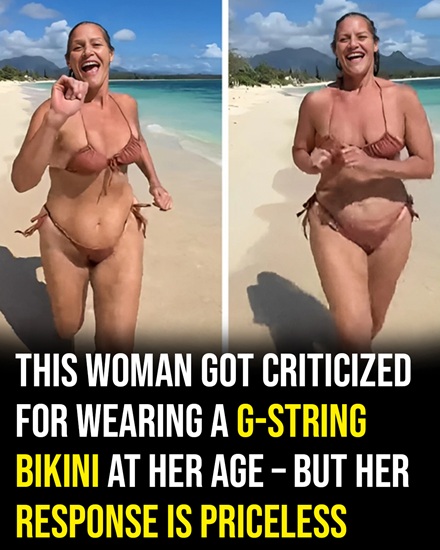
Elle Anthony has become a polarizing figure online — not because of controversy alone, but for boldly challenging society’s deeply entrenched beauty standards and urging women to embrace their bodies at any age.
At 55 years old, Anthony has gained attention for her candid, unapologetic presence on TikTok, where she shares unfiltered content encouraging confidence, self‑acceptance, and freedom from conventional body ideals.
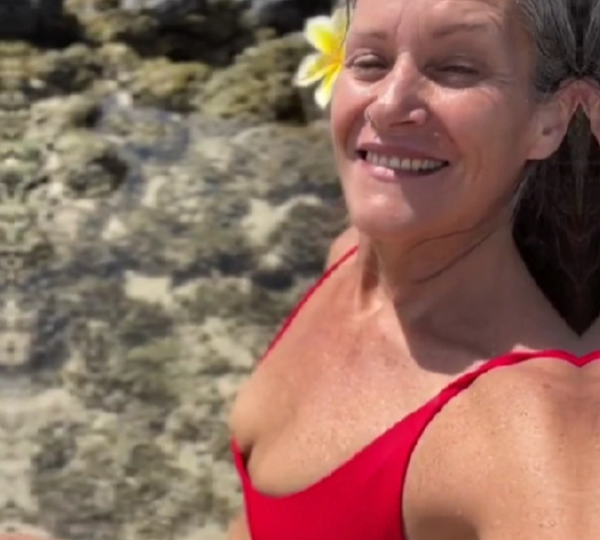
Her popularity stems partly from her charisma and willingness to defy expectations about age and appearance, especially around swimwear and “summer body” culture — a topic many women find stressful and frustrating.
For decades, women have been bombarded with images implying that only certain body types deserve celebration in warm weather or beachwear, pressuring people to conform to impossible ideals of flat stomachs, toned limbs, and zero cellulite.
This pressure to achieve a so‑called “bikini body” before summer arrives often comes from ads, diet culture, fitness messaging, and social media trends that equate worth with appearance rather than personal happiness.
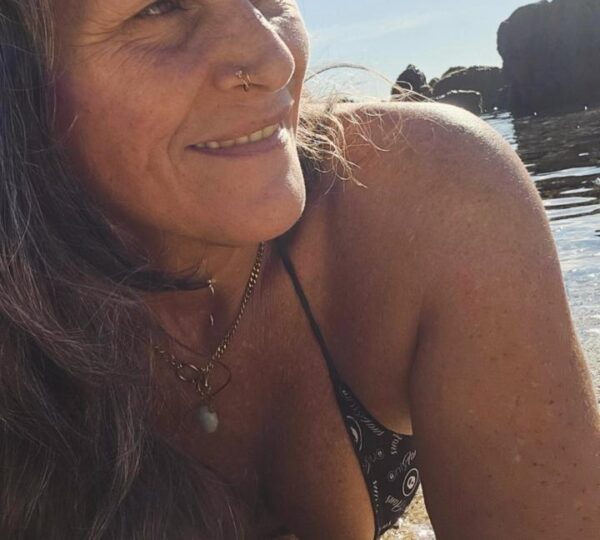
Anthony used this context to speak directly to her followers in a heartfelt video that rapidly gained attention and sparked widespread discussion online.
In the video, she addressed the common narrative that women must prepare themselves physically to be “beach body ready” each season, urging viewers to rethink that mindset altogether.
She explained that feeling confident at the beach or pool shouldn’t depend on age, body shape, or how closely someone matches society’s narrow beauty expectations.
“Summer is here,” she stated, “and everyone is always talking about getting their beach body ready,” framing the conversation around acceptance rather than criticism.
Anthony made it clear that self‑confidence and attitude matter far more than conforming to rigid ideals about form or proportions — a message that resonated deeply with many.
She encouraged women to wear “that bikini, wear that G‑string, wear those short shorts” — essentially whatever makes them feel joyful and comfortable — without shame.
Her words struck a chord, especially with older women who often feel sidelined by mainstream beauty culture and its fixation on youth and perfection.
Anthony also emphasized that many criticisms and standards placed on women are societal constructs, not truths people genuinely need to live by, reminding her audience they never asked for these rules.
“Remember, it’s only society that puts criticisms and labels and standards on us that we didn’t even ask for,” she added, highlighting how external pressures shape self‑judgment.
Her message — “Love you, do you, be you, be happy, be free” — was designed not as defiance but as an affirmation: that joy and self‑love are deeply personal and valid at any stage of life.
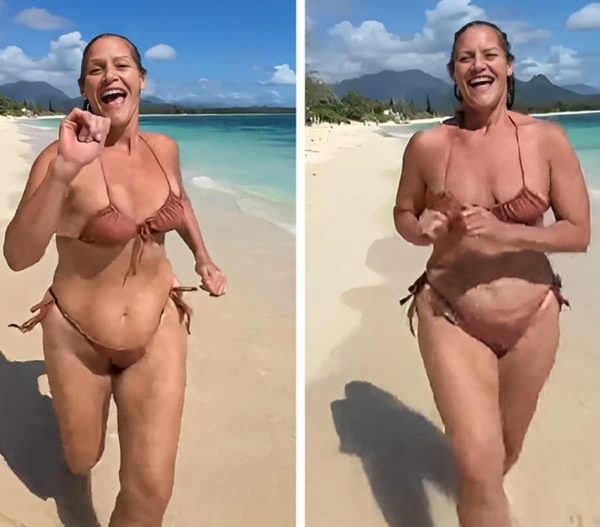
Despite the positive intent, not all viewers reacted positively to Anthony’s video or enthusiastic celebration of freedom in clothing choices.
Some critics responded to her message with dismissive or judgmental comments, saying things like “No thanks, I’ve seen enough,” or suggesting confidence should not be linked to revealing attire.
Others argued that confidence doesn’t require showing a lot of skin, contending that modest dress and comfort can coexist with self‑acceptance and fun at the beach.
Some critics also suggested that her message depends on individual body shape, indicating that not everyone can or wants to dress in the same way, even with confidence.
Many of these responses reflect broader cultural debates about clothing, age, and societal expectations, where personal freedom often clashes with long‑standing norms.
Despite the backlash, Anthony has continued to post content that showcases her body in bold outfits, swimwear, and fashion choices that align with her message of fearless self‑expression.
Her confidence isn’t just about clothing — it’s about showing that beauty, sexuality, and personal worth are not limited by age or dictated by outside opinion.
This resolve has led to clashes with platform policies; she has reportedly been banned from TikTok multiple times for posting revealing photos that the platform deemed inappropriate.
However, Anthony returned to TikTok with a new account, @WisewomanElle, continuing to promote her message of body positivity and acceptance.
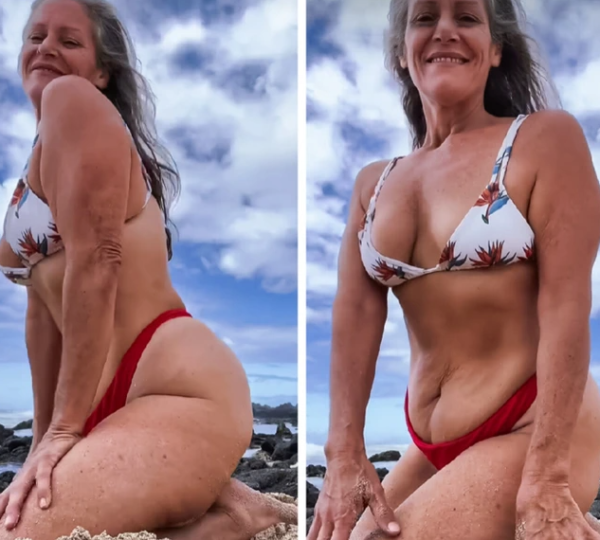
Her unapologetic stance resonates with many women who feel marginalized by ageist, sexist, or appearance‑focused narratives that dominate social media and mainstream culture.
According to her profile and public statements, Anthony identifies as a curvy, former Christian who later embraced work in the sex industry, a background she references as part of her broader journey to self‑acceptance.
This evolution of identity reflects a larger theme of her online presence: that people’s paths to empowerment can be complex, nonlinear, and deeply personal.
For many followers, seeing someone in her mid‑fifties confidently express herself challenges the pervasive idea that attractiveness and confidence fade with age.
She stands as a reminder that age does not disqualify someone from fashion, playfulness, or feeling good about their body — a refreshing contrast to youth‑centric beauty standards.
In a digital landscape where body positivity movements sometimes fade or shift focus, figures like Anthony help maintain a space where diversity of age, shape, and expression is celebrated.
The broader body positivity movement aims to dismantle stigma around appearance and champion respect for all bodies, a principle that Anthony’s content echoes consistently.
Experts in body image and cultural critique note that movements like these often clash with entrenched societal norms, especially those rooted in diet culture, thin ideals, and ageism.
Some segments of the public support radical self‑acceptance movements, arguing they provide mental health benefits and community for people historically judged for their appearance.
Others believe body positivity has sometimes been co‑opted by commercial messaging or aesthetic trends, which can dilute its original intent and make authentic voices harder to hear.
Nevertheless, individuals like Anthony continue to push back against criticism and remind audiences that embracing one’s body is a journey shaped by personal confidence rather than external validation.
Her willingness to confront criticism directly — even when it’s rooted in ageism or narrow beauty standards — has become part of her public identity and appeal.
Many supporters praise her message for encouraging women to prioritize self‑acceptance, freedom, and mental comfort over rigid appearance norms.
Others see her as part of a broader wave of creators who challenge traditional stereotypes about women’s bodies, aging, and what constitutes attractiveness.
This ongoing debate highlights how social media has amplified diverse voices, allowing people of all ages and backgrounds to participate in cultural conversations about beauty and self‑worth.
While not everyone agrees with her fashion or presentation choices, the discourse she generates prompts reflection about why certain bodies are praised and others are judged.
Some critics of the body positivity movement argue that true empowerment shouldn’t focus on any specific clothing, but on deeper self‑esteem unrelated to visual presentation.
Supporters counter that visible demonstrations of confidence, like Anthony’s videos, can help normalize diverse bodies in public spaces, which historically have been dominated by narrow ideals.
Across social platforms, hashtags related to body positivity, self‑love, and age inclusivity show that many people are actively seeking communities that validate their experiences and identities.
Anthony’s efforts contribute to this broader cultural shift, even if responses remain mixed or contentious, illustrating how deeply personal and emotional conversations about bodies and identity can be.
In the end, her message — that confidence and joy belong to everyone, regardless of age, shape, or choice of attire — continues to resonate with many and provoke debate with others.
Whether one agrees or disagrees with her approach, Elle Anthony’s presence has sparked important conversations about self‑acceptance, societal standards, and the freedom to exist authentically in one’s own skin.

