
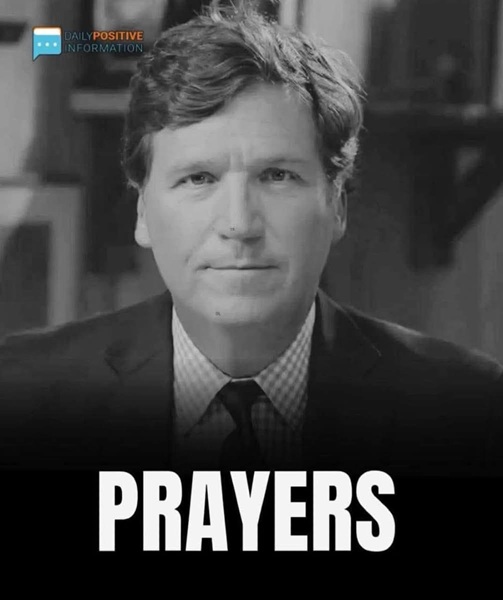
The toughest man Tucker Carlson ever knew is gone. But the toughness he spoke of was never the loud, performative kind often mistaken for strength in today’s world.
It was quieter, deeper, and far more difficult to emulate. It was forged long before cameras, accolades, or the trappings of power entered the picture.
In the small, uncelebrated moments of endurance, discipline, and unwavering principle. That toughness was Richard Warner Carlson, a man whose life story reads like a testament to resilience, integrity, and the unyielding pursuit of understanding the world on one’s own terms.
Richard Warner Carlson began life in circumstances most would consider tragic. Born to a teenage mother who was overwhelmed and frightened, he was abandoned to a Boston orphanage as an infant.
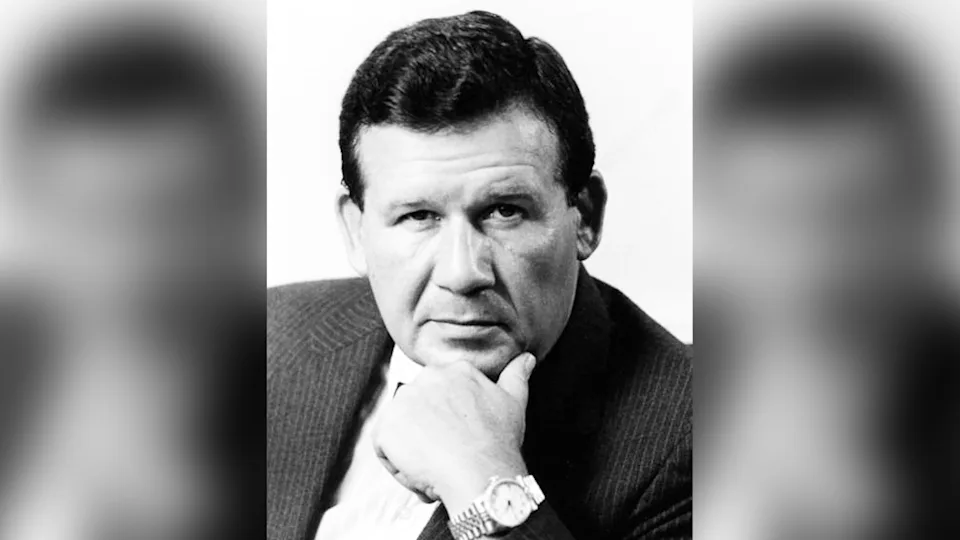
The early years of his life were marked by instability, moving from one foster home to another, often left to navigate a world that seemed indifferent to his presence.
Language, love, and security were lessons he had to learn slowly, through observation and adaptation rather than through the warmth of a stable home.
These formative experiences left a scar, but they also forged a core resilience: a quiet understanding that life would not offer guarantees, that trust had to be earned, and that personal responsibility was non-negotiable.
By the time he was seventeen, Carlson had faced setbacks most teens could never imagine. Expelled from school, he stood at a crossroads, unsure of where to turn.
The Marine Corps offered structure and purpose — not glamorous, perhaps, but transformative. It instilled discipline, accountability, and a framework for navigating the unpredictable nature of life.
Those years in the Corps honed both his physical endurance and mental fortitude. He learned the importance of preparation, observation, and steadfastness in the face of adversity — lessons that would echo throughout his entire life.
After his time in the Marines, Carlson ventured into journalism, a field he approached with the same tenacity and independence that had carried him through childhood and military service.
He did not enter the industry through connections or privilege; he carved his path through persistence, curiosity, and a refusal to accept convenient narratives.
Reporting became both vocation and calling. He developed a reputation as a meticulous journalist who valued facts over spin, who pursued truth even when it was uncomfortable or unprofitable.
His work eventually took him into foreign correspondence, placing him in conflict zones, political capitals, and historical crossroads, all while maintaining a commitment to integrity over spectacle.
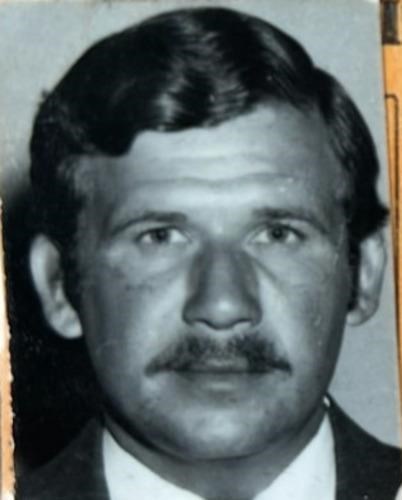
Though his career exposed him to power, privilege, and public attention, those closest to Carlson insist that such things never defined him. He was a voracious reader, endlessly curious about history, politics, and human behavior.
He distrusted simplistic explanations, believing instead that patterns in history repeated because human nature itself rarely changed.
Friends often described him as possessing an “outlaw spirit,” a skepticism toward authority and convention, but it was tempered by decency, moral clarity, and a profound sense of obligation to do right. Authority never intimidated him; integrity, however, demanded respect.
As a father, Carlson’s philosophy became a form of instruction. His marriage, at one point, ended, leaving him to raise his sons largely alone. He did so not out of obligation alone, but with deliberate engagement.
Carlson brought his children along on reporting trips, turning airplanes, hotel rooms, and even quick dinners into lessons on literature, politics, and historical revolutions.
Dinner tables became informal classrooms, where debate and critical thinking were encouraged, and rote repetition discouraged.
He wanted his children to understand the world as it actually existed — complex, often harsh, and never as marketed by easy narratives — a worldview that required them to think critically, empathize broadly, and act responsibly.
Carlson’s commitment to education extended beyond words. He modeled the behaviors he wanted his children to emulate: integrity, courage, and persistence.
He encouraged them to question, to read widely, and to observe carefully. He instilled the notion that life’s challenges were not obstacles to evade, but tests of character to confront with honesty and tenacity.
And though the world sometimes seemed indifferent, he imparted the idea that one’s actions, no matter how quiet, carried consequences — and the responsibility to meet them fell squarely on one’s own shoulders.
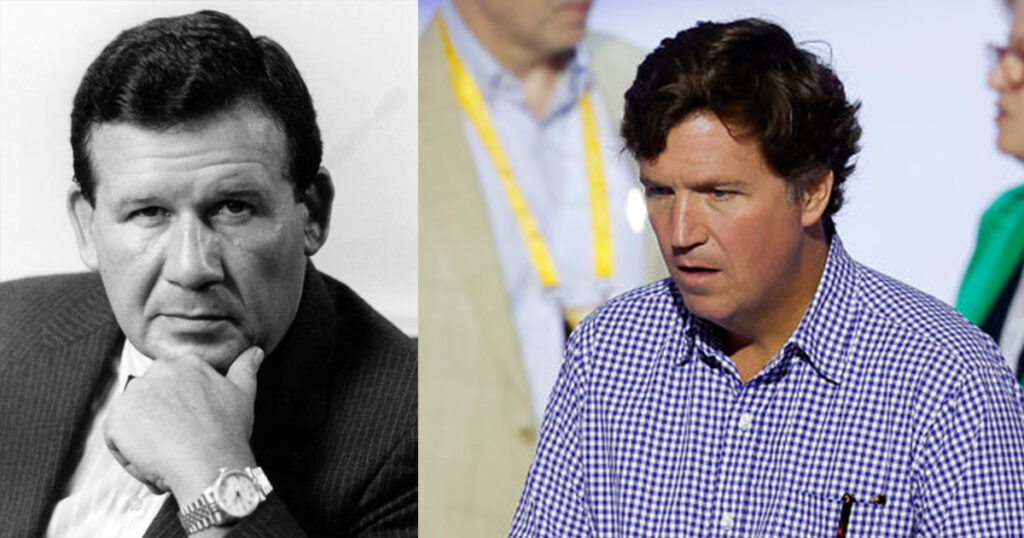
Later in life, Carlson found enduring personal happiness in his marriage to Patricia Swanson. Their four decades together provided him with stability and a partnership that grounded his restless energy.
Swanson’s death, occurring years before his own, left a quiet grief, one that never fully lifted, yet Carlson carried it with restraint, dignity, and composure.
Even in sorrow, he remained consistent, demonstrating a rare ability to feel deeply without spectacle. Those who knew him during this period recall a man who balanced resilience with empathy, intellect with humility, and personal loss with continued commitment to family and vocation.
In his later years, Richard Carlson continued to live with the same clarity, discipline, and quiet strength that had defined his entire life. Those who knew him during his final decades emphasize that despite his accomplishments and public recognition, he never allowed external validation to define him.
Titles, accolades, and positions of influence were secondary to the principles he held dear — integrity, perseverance, and responsibility. He remained a voracious reader, a keen observer, and a thoughtful mentor, always seeking understanding and reflection over applause or attention.
As a father, Carlson’s influence persisted throughout the years. He maintained close relationships with his children, even as they grew into adulthood and pursued lives of their own.
He guided them with patience and intellect, not through authoritarian instruction but through dialogue, observation, and example. He emphasized the importance of critical thinking, encouraging his children to question assumptions, explore the world independently, and approach life with both courage and humility.
Family dinners, once classrooms in miniature, became occasions for reflection, storytelling, and shared insights. Every interaction, whether a conversation about global politics, literature, or personal challenges, carried lessons designed to prepare his children for a life of thoughtfulness and ethical engagement.
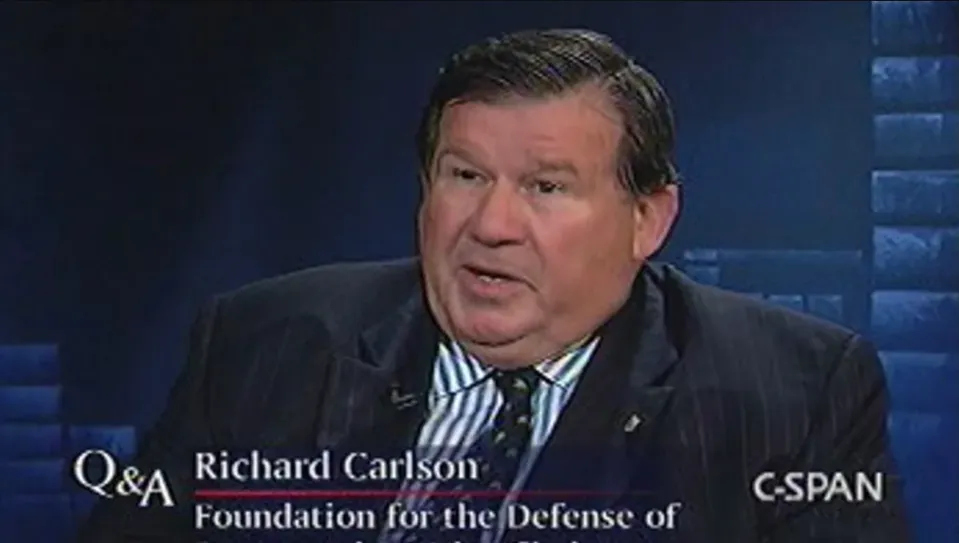
Even in retirement, Carlson did not retreat from the world. He remained engaged in journalism, mentoring young reporters, writing, and analyzing current events.
He carried the same skepticism toward convenient narratives that had guided his career, refusing to accept half-truths or easy explanations.
To his friends and colleagues, he was a man who valued understanding above all else — a man who believed that knowledge, tempered by wisdom and moral judgment, was the foundation of meaningful action.
The quiet strength Carlson exhibited throughout his life became even more apparent in his final weeks. Stricken with illness, he refused heavy painkillers, opting instead to remain lucid and present. In this choice, he demonstrated the same principles that had guided him since childhood: endurance, self-control, and responsibility.
He wanted to experience his final days with clarity, to engage with his family fully, to speak, pray, and reflect with an awareness that many are denied. Those close to him recall a remarkable calmness during this period, a composed acceptance of mortality that was neither bitter nor performative, but profoundly human.
During these final weeks, Carlson’s children were a constant presence, offering support, conversation, and companionship. Their interactions reflected years of careful parenting: mutual respect, open communication, and a deep understanding of one another’s character.
Even his dogs, loyal companions for decades, stayed at his side, a testament to his enduring love for the creatures who shared his life.
In the quiet of his home, surrounded by family and familiarity, Carlson passed away — not with fanfare, but with honesty and dignity, a reflection of the life he had always led.
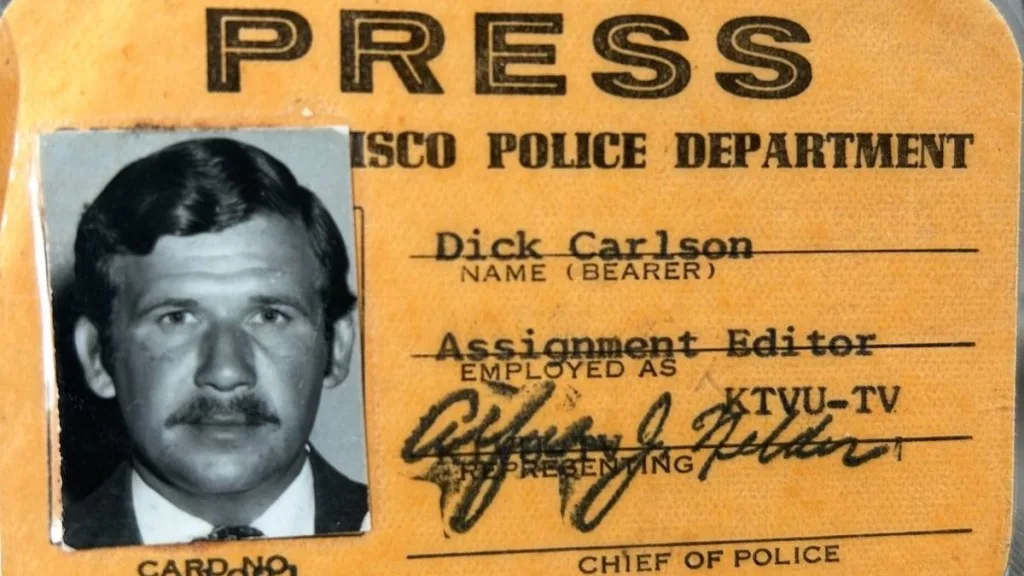
Those who knew him emphasize that his legacy is not preserved in the offices he held, the countries in which he served as ambassador, or even the articles he wrote that reached millions.
His legacy lives in the people he shaped — his children, the colleagues he mentored, and the friends who relied on his guidance and judgment. The lessons he imparted were not abstract or theoretical; they were practical, lived, and demonstrated through consistent action.
Carlson embodied the principle that true strength is measured not by visibility or force, but by endurance, ethical consistency, and the choices one makes in private.
One of the defining characteristics of Carlson’s life was his understanding of toughness as an inner quality. True toughness, he believed, was about withstanding adversity, making difficult decisions, and maintaining integrity in moments when no one is watching.
It was evident in his career choices, in his parenting, and in the way he approached personal loss. When Patricia Swanson, his devoted wife of forty years, passed away, Carlson grieved quietly, allowing himself to feel the depth of the loss without spectacle or self-pity.
His response was not to withdraw, but to continue living according to the principles they had shared: with honor, patience, and compassion.
Friends, colleagues, and family often described Carlson as a man of remarkable moral clarity. He combined an outlaw spirit — questioning authority and convention — with a deep respect for human dignity and ethical boundaries.
He was a man who could challenge the status quo without compromising decency, and who could navigate the complexities of international diplomacy with both strategic acumen and empathetic insight.
These qualities were mirrored in his personal life, where he remained a mentor, confidant, and steady presence for those he loved.
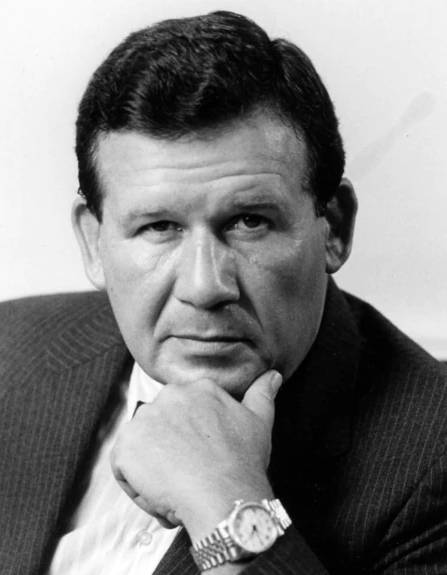
Carlson’s life also demonstrates that toughness is inseparable from responsibility. From his early years in foster care to his final days surrounded by loved ones, he consistently chose responsibility over convenience, presence over indulgence, and principle over personal gain.
His endurance was not performative; it was quiet, uncelebrated, and profound. He faced hardship and loss with a steady hand, teaching those around him — particularly his children — that strength is measured not by confrontation or display, but by the capacity to persist, to guide, and to act ethically under pressure.
In the end, Richard Warner Carlson’s story is one of remarkable achievement paired with extraordinary humanity. He transformed abandonment into resilience, instability into structure, and challenge into opportunity.
He raised thoughtful, capable children, mentored countless journalists, and engaged deeply with the world around him. Yet through all of this, he remained grounded, humble, and morally anchored.
His life exemplifies the idea that the most important achievements are not accolades or positions, but the ways in which one shapes the lives of others, nurtures integrity, and confronts the responsibilities of existence with courage and clarity.
Carlson’s passing reminds us that true toughness is not measured by outward force or spectacle. It is measured by the choices we make, the integrity we uphold, and the love we cultivate for others.
It is about endurance in the face of adversity, faith in oneself and humanity, and the conscious decision to act responsibly even when no one is watching.
Richard Warner Carlson did not merely survive the challenges of life; he approached them with dignity, shaping a legacy that will endure through his children, the people he influenced, and the lessons he imparted.
In the final analysis, Carlson’s life was defined by quiet heroism — a steadfast commitment to truth, family, and principle. It is this form of toughness, forged through experience, reflection, and moral courage, that endures as his true inheritance.
Though he began life abandoned, he ended it fully loved, surrounded by those whose lives he had profoundly shaped, leaving behind a legacy that reflects the depth of his character, the seriousness with which he approached life, and the enduring power of quiet strength.
