
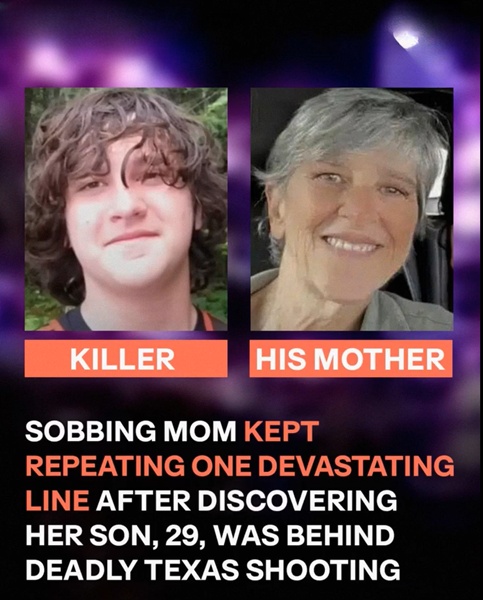
Violence directed at federal institutions is rare but deeply unsettling when it occurs. Earlier this week, authorities identified 29-year-old Joshua Jahn as the primary suspect in a shooting that took place near a U.S.
Immigration and Customs Enforcement facility in Dallas. The incident resulted in the death of one detainee and serious injuries to two others who were inside an ICE transport van at the time of the attack.
No ICE officers were physically harmed, though the psychological and institutional impact has been significant.
The event has reverberated beyond the immediate scene, prompting renewed discussions about security at federal detention facilities, the safety of detainees during transport, and the broader issue of threats against law enforcement agencies. While investigators continue to examine the suspect’s motives and background, officials have emphasized that the situation appears to involve a lone individual rather than a coordinated network.
This first section provides a comprehensive overview of the incident itself, the immediate response by authorities, and the early developments that followed.

The Setting: Federal Immigration Enforcement in Dallas
The shooting occurred near a facility operated by U.S. Immigration and Customs Enforcement, commonly known as ICE. The agency, which operates under the umbrella of the U.S. Department of Homeland Security, is responsible for enforcing federal immigration laws, overseeing detention operations, and transporting detainees between facilities and court appearances.
Facilities such as the one in Dallas are secured environments with multiple layers of protective measures. These typically include surveillance systems, controlled entry points, and coordination with local law enforcement. Detainee transport procedures are also highly regulated, involving trained officers and standardized security protocols intended to reduce risk during transfers.
Despite these precautions, the attack unfolded in a manner that surprised both officials and observers.
The Incident: What Investigators Have Confirmed
According to preliminary law enforcement reports, the ICE transport van was en route between facilities when it was targeted by gunfire. The van was carrying multiple detainees at the time. Investigators state that the suspect fired multiple rounds toward the vehicle, striking it and causing critical injuries to occupants inside.
Authorities recovered several shell casings from the scene. Some reportedly contained written messages critical of ICE and federal immigration enforcement. While officials have not publicly detailed the exact wording, they have confirmed that the messages appeared to reference anti-ICE sentiment. This discovery immediately raised questions about whether the act was politically motivated.
Emergency response teams arrived quickly. First responders secured the perimeter while medical personnel assessed the injured detainees. The two survivors were transported to nearby hospitals, where they were treated for serious injuries. Their conditions were later described as stable but critical in the immediate aftermath. Tragically, one detainee succumbed to injuries sustained during the attack.
Law enforcement officers at the facility were placed on temporary heightened alert, and additional patrol units were dispatched to ensure there was no ongoing threat. Authorities have indicated that the suspect was apprehended shortly thereafter without further violence.
A Chaotic Scene: Eyewitness Accounts
Several civilians were present in the area when the shooting occurred. Witnesses described hearing rapid gunfire and seeing immediate confusion as individuals sought shelter.
One witness, Denises Robleto, had been waiting in her vehicle while her mother was inside the facility. She later described the moment as deeply frightening, stating that her first concern was for her mother’s safety. According to officials, Robleto’s vehicle was temporarily examined as part of standard investigative procedures, a step taken to gather potential evidence and reconstruct the sequence of events.

Other witnesses reported hearing multiple shots fired in quick succession. Some described seeing officers draw their weapons and instruct bystanders to move away from the area. The swift response helped prevent additional injuries among civilians in the vicinity.
For many who were nearby, the psychological impact lingered long after the scene was secured. Local authorities have since encouraged anyone affected to seek counseling or trauma support services.
Immediate Federal Response
National leaders responded quickly. Donald Trump issued a statement condemning the attack, describing it as an act of violence against federal authority and reaffirming support for ICE officers and other federal personnel. He emphasized the need for strong security measures to protect law enforcement officials and those in federal custody.
Kristi Noem, serving as Secretary of Homeland Security, also addressed the public. She expressed condolences to the victims and their families while underscoring the seriousness of threats faced by immigration enforcement officers. Noem emphasized that the department would review security protocols nationwide to determine whether additional measures were necessary.
Local leadership in Dallas echoed those sentiments. Eric Johnson, Mayor of Dallas, issued a statement highlighting the importance of community unity and cooperation with law enforcement during the investigation.
Joshua Jahn: Early Background Details
Authorities identified the suspect as 29-year-old Joshua Jahn. Public records indicate that Jahn had attended the University of Texas at Dallas for a brief period. Former classmates described him as quiet and introverted, someone who kept largely to himself.
Investigators reviewing his digital footprint reportedly found extensive engagement with online gaming platforms. There was little evidence of active participation in political discourse or extremist online communities. Family members have publicly stated that they were shocked by the allegations, describing Jahn as non-political and socially withdrawn but not violent.
According to available court records, Jahn’s only known legal issue prior to the shooting was a minor marijuana possession charge in 2016, which resulted in probation and a fine. There is no documented history of violent offenses.
Authorities have not yet released detailed information about what may have motivated the attack. While the shell casings reportedly contained anti-ICE messages, investigators have stated that they are still working to determine whether the act stemmed from ideological grievances, personal circumstances, or a combination of factors.
Security Questions and Institutional Review
The shooting has prompted immediate internal reviews of detainee transport procedures. While ICE facilities operate under established safety guidelines, any targeted attack highlights potential vulnerabilities.

Officials have indicated that additional patrol presence, expanded surveillance coverage, and updated threat assessment protocols are already under consideration. The U.S. Department of Homeland Security has also initiated a broader review of federal immigration enforcement facilities to assess risk factors.
Security experts note that transportation moments can represent heightened vulnerability. Unlike fixed facilities, transport vehicles must operate in public spaces, making it more difficult to anticipate or control external threats. Strengthening coordination between federal and local law enforcement during detainee movements may become a central focus of policy discussions moving forward.
A Community Confronts Violence
The Dallas community has been left grappling with both grief and concern. The death of a detainee has raised questions about the safety of individuals in federal custody. Advocacy groups have called for transparency regarding transport procedures and medical response protocols.
At the same time, local residents have expressed support for law enforcement officers tasked with maintaining order in difficult circumstances. Community meetings have been organized to discuss safety concerns and ensure that residents feel informed about ongoing investigations.
City officials have emphasized that while the incident was serious, it appears isolated. Authorities have reassured the public that there is no indication of an ongoing threat.
Broader Implications Emerging
While the investigation remains active, the incident has already sparked a national conversation about the intersection of political tensions and public safety. Acts of violence directed at government institutions can have far-reaching effects, influencing public policy, operational procedures, and public perception.
Experts in threat assessment caution against drawing premature conclusions about motive. Lone-actor incidents often involve complex personal dynamics that may not be immediately apparent. Investigators are examining digital communications, personal history, and behavioral patterns to better understand the factors that may have contributed to this attack.
At the same time, federal agencies are focused on prevention strategies. This includes enhanced intelligence sharing, improved situational awareness training, and updated emergency response drills for personnel working at detention facilities.

Moving Forward
As Dallas begins to process what occurred, attention is shifting toward accountability, prevention, and healing. The families of the victims are seeking answers, while federal agencies continue to gather evidence. Officials have reiterated that justice will proceed through the legal system and that the investigation will be conducted thoroughly and transparently.
The coming weeks are expected to bring additional clarity regarding Joshua Jahn’s background, intentions, and any potential contributing factors. For now, the focus remains on supporting those affected and reinforcing safeguards to prevent similar incidents in the future.
Following the attack, authorities have conducted an extensive review of Joshua Jahn’s personal and social history in order to better understand the factors that may have led to the violent incident. Jahn, 29, grew up in a relatively quiet suburban environment and completed his early education without notable disciplinary issues. Classmates and acquaintances described him as reserved and somewhat socially withdrawn, with a preference for solitary activities over group engagement.
Investigators have noted that Jahn maintained an active digital presence, primarily through gaming platforms and streaming services. Analysis of his online activities suggests he devoted thousands of hours to video gaming, largely in multiplayer and strategy-based environments. Despite the messages found at the scene that criticized ICE, law enforcement has indicated that Jahn’s prior digital activity shows minimal engagement with political discussions, advocacy groups, or extremist forums. This has complicated the profiling process, as the lack of overt ideological motivation does not align with many cases of politically inspired attacks.
Family members have publicly stated their shock and disbelief. Jahn’s mother, Sharon, was reportedly overwhelmed with emotion when contacted by the media and declined to comment publicly. His brother, Noah Jahn, described Joshua as “non-political” and noted that he had long expressed a desire to live a quieter life away from urban stress, particularly at their family property in rural Oklahoma. Relatives further emphasized that Jahn had not demonstrated violent tendencies or aggressive behavior prior to this incident.
Legal History and Context
Court records reveal that Joshua Jahn’s only previous encounter with the legal system was a minor marijuana possession offense in 2016, which resulted in a fine and probation. He completed probation early without incident. There are no records indicating prior violence, threats, or conflicts with law enforcement. Authorities have emphasized that there were no warning signs in Jahn’s past that could have predicted such an attack, making the motives behind his actions particularly challenging to ascertain.
Legal experts note that the nature of the offense—targeting federal detainees—carries serious federal charges. Potential legal consequences include federal homicide charges for the death of the detainee, attempted homicide for the injured detainees, and multiple counts of assault and weapons violations. Prosecutors will likely pursue the maximum penalties permissible under federal law, particularly given the symbolic nature of the attack on a federal law enforcement operation.
Investigative Findings: Evidence and Digital Footprint
Law enforcement agencies have carried out an expansive investigation into Jahn’s movements, communications, and possessions. Authorities have executed search warrants at his family home, temporary residences, and vehicles linked to him. One vehicle near the incident scene displayed unusual signage, which investigators examined closely for any potential messages or ideological content.
Digital forensics have been a critical component of the investigation. Jahn’s social media accounts, email correspondence, and online interactions are being scrutinized to determine whether any underlying grievances, radicalization processes, or social influences contributed to his actions. While the shell casings found at the scene contained written messages critical of ICE, no direct links to organized extremist groups have been established. Investigators are thus considering the possibility of a “lone-actor” attack motivated by personal grievances or psychological factors rather than an organized political agenda.

Psychological and Behavioral Considerations
Experts in criminal psychology and threat assessment have highlighted the importance of understanding the mental and emotional factors in lone-actor attacks. Individuals with minimal criminal history, no clear ideological commitment, and a history of social withdrawal present unique challenges for law enforcement in terms of prevention and intervention.
Preliminary psychological analysis by independent consultants and law enforcement advisors suggests that Jahn may have experienced a combination of social isolation, stress, and frustration leading up to the incident. While these factors alone do not justify or predict violent behavior, they may have contributed to his decision-making process in this extreme situation. Officials are also examining potential triggers, such as recent life stressors, perceived injustices, or interpersonal conflicts that may have escalated into violence.
Coordination Among Law Enforcement Agencies
The Dallas shooting prompted immediate coordination among multiple law enforcement bodies, including federal, state, and local agencies. ICE officers, the Dallas Police Department, and the Bureau of Alcohol, Tobacco, Firearms and Explosives (ATF) collaborated to secure the scene, gather evidence, and apprehend the suspect. This multi-agency approach allowed investigators to quickly reconstruct the sequence of events and collect critical forensic evidence.
Investigators have also focused on officer safety protocols. Though no ICE officers were harmed, the attack highlighted vulnerabilities in detainee transport operations, prompting an immediate review of security measures for high-risk transfers. Enhanced patrols, updated surveillance technology, and controlled-access procedures are being implemented as preventative measures.
Legal Proceedings and Potential Charges
Federal prosecutors are preparing to bring charges against Joshua Jahn in accordance with U.S. federal law. Expected charges may include:
- First-degree murder or manslaughter for the death of the detainee
- Attempted murder for the injuries sustained by other detainees
- Assault with a deadly weapon on federal personnel
- Use of a firearm in a violent crime
Given the nature of the crime, Jahn is likely to be held in a high-security federal detention facility pending trial. The legal proceedings are expected to be closely monitored by federal authorities, media outlets, and advocacy groups due to the unusual circumstances of the attack.
Broader Implications for Federal Facility Security
The attack has reignited a national debate about the safety of federal facilities, especially those involved in immigration enforcement. Key points under consideration include:
- Transportation Vulnerabilities: ICE transport vehicles, though equipped with security features, are mobile targets. The public exposure of transport routes increases risk, particularly in urban areas.
- Infrastructure Improvements: Federal facilities are being assessed for potential upgrades in surveillance systems, physical barriers, and emergency response capabilities.
- Officer Training: Enhanced threat recognition, active shooter drills, and interagency coordination are becoming priorities in response to potential future incidents.
The incident underscores the necessity of proactive risk assessment and continuous review of protocols to ensure the safety of both detainees and law enforcement personnel.
National Dialogue and Public Response
Beyond law enforcement, the Dallas shooting has stimulated conversation among policymakers, community leaders, and advocacy groups. Issues being discussed include:
- Public Safety and Community Preparedness: Cities nationwide are examining emergency response protocols and public awareness campaigns.
- Support for Law Enforcement: There is a heightened emphasis on providing mental health resources and counseling for officers exposed to violent incidents.
- Detainee Protection: Advocates have renewed calls for transparent policies regarding detainee treatment and safety during transport.
Local leaders in Dallas have organized town halls and community outreach programs to address public concern and reinforce trust between residents and law enforcement. Efforts include trauma-informed support for witnesses, victims’ families, and those directly impacted by the event.
Early Lessons and Threat Assessment
Experts in criminal justice and public safety emphasize that understanding the motivations and behaviors of lone actors like Joshua Jahn is critical for prevention. Patterns under review include:
- Digital Footprints: Online behavior can reveal signs of frustration, obsession, or potential for violent escalation.
- Social Isolation: Individuals with limited social support networks may be more prone to acting on extreme impulses.
- Behavioral Triggers: Recent life stressors, perceived grievances, or escalating conflicts can serve as immediate catalysts.
Federal agencies are using this case as an opportunity to strengthen early warning mechanisms and improve communication between community members, law enforcement, and mental health professionals.The violent attack near the Dallas ICE facility left the surrounding community grappling with fear, grief, and uncertainty. Residents who were near the scene reported lasting psychological effects, including anxiety, hypervigilance, and difficulty returning to normal routines. Local mental health professionals have emphasized the need for trauma-informed care, not only for victims and witnesses but also for law enforcement personnel and families indirectly affected.
Community organizations and support groups quickly mobilized in the days following the incident. Counseling services were offered to family members of the deceased and injured detainees, as well as to local civilians who witnessed the shooting. Social service agencies coordinated with hospitals to provide assistance with medical bills, mental health resources, and practical support for impacted families.
Witnesses, such as Denises Robleto, who had been waiting in her car outside the facility, described the incident as life-altering. Her statement underscores the ripple effect of such attacks: “Even though I wasn’t inside, the fear, the uncertainty, and the chaos—it stays with you.” These firsthand accounts have highlighted the broader community need for education on emergency preparedness and coping mechanisms following traumatic events.
Local Leadership and Community Cohesion
Dallas officials took proactive steps to ensure public safety and reassure residents. Eric Johnson, emphasized that community unity and cooperation with law enforcement were critical. Town halls, public briefings, and coordinated outreach efforts aimed to provide transparent updates on the investigation while addressing residents’ concerns about safety.
Business owners and local organizations were also engaged to discuss security measures for public spaces, emergency response strategies, and reporting suspicious activity. By fostering collaboration between civic institutions and law enforcement, city leaders hoped to mitigate fear and prevent the erosion of community trust.
National Policy Implications
The Dallas ICE shooting has prompted broader discussions on the protection of federal employees and detainees. Key policy considerations emerging from this incident include:
- Enhanced Officer Protection: Law enforcement agencies nationwide are reviewing protocols for officer safety during detainee transport, facility access, and high-risk operations. This includes the use of reinforced vehicles, body armor, and rapid-response coordination with local police.
- Threat Assessment Programs: Authorities are implementing proactive monitoring programs to identify potential threats from individuals who may act as lone aggressors. Early warning systems rely on behavioral analysis, digital activity monitoring, and interagency communication.
- Facility Security Upgrades: Federal detention centers are being evaluated for vulnerabilities, including perimeter security, surveillance systems, controlled access points, and emergency response infrastructure.
- Training and Preparedness: Officers are receiving advanced training in active shooter situations, de-escalation strategies, and crisis response coordination. Simulated drills aim to improve readiness for unpredictable scenarios.
- Mental Health Resources: Both officers and detainees are being provided with expanded mental health support to reduce stress-related vulnerabilities that can lead to errors or escalate conflicts.
Experts note that these measures, while not eliminating risk entirely, significantly improve the ability of law enforcement and civilian personnel to respond effectively to threats.
Understanding Lone-Actor Violence
The Dallas shooting serves as a stark reminder of the challenges in predicting and preventing lone-actor attacks. Unlike organized extremist operations, incidents carried out by individuals acting alone often involve a combination of psychological, social, and situational factors.
Authorities are analyzing Joshua Jahn’s history, behavioral patterns, and digital footprint to develop a more complete understanding of what prompted the attack. While messages critical of ICE were found at the scene, investigators emphasize that no ties to organized extremist groups have been identified. Psychological experts suggest that social isolation, stress, and unresolved personal grievances can create conditions where individuals may attempt symbolic acts of violence against perceived authority figures.
Law enforcement and threat assessment specialists have highlighted the need for continuous monitoring of potential warning signs, including:
- Rapid shifts in behavior or mood
- Obsessive focus on perceived injustices
- Social withdrawal or detachment from support networks
- Preoccupation with weapons, tactical planning, or violence
By studying cases like Jahn’s, federal agencies aim to improve intervention strategies that can identify risks before they escalate into attacks.
Federal Enforcement and ICE Operational Reforms
Following the attack, ICE has initiated a comprehensive review of operational procedures. Measures under consideration include:
- Secure Transport Enhancements: Implementing reinforced transport vehicles, GPS tracking, and communication redundancies to protect detainees during transit.
- Coordination with Local Authorities: Expanding partnerships with city police, sheriff’s offices, and federal agencies to ensure rapid response capabilities.
- Surveillance and Monitoring Upgrades: Installing advanced camera systems, motion detection, and controlled access points to reduce vulnerabilities.
- Emergency Protocol Revisions: Updating protocols for immediate lockdowns, evacuation procedures, and mass casualty scenarios.
Homeland Security leadership has stressed that these reforms are intended to strengthen security while maintaining humane conditions for detainees, reinforcing the dual priorities of safety and accountability.
National and Community Healing
As investigations continue, emphasis has also been placed on healing at both the national and local levels. Public messaging has highlighted solidarity with victims, families, and law enforcement personnel. Faith-based organizations, community centers, and advocacy groups have collaborated to offer grief counseling and practical support.
Experts in community resilience note that restoring a sense of safety requires ongoing efforts, including:
- Public education on emergency preparedness
- Access to mental health and trauma-informed care
- Transparent communication from authorities
- Engagement programs to rebuild trust between civilians and law enforcement
By addressing both emotional and practical needs, communities can recover more effectively from the psychological impact of violence.
Long-Term Lessons and Prevention Strategies
The Dallas ICE shooting provides important lessons for the future:
- Proactive Threat Mitigation: Early identification of potential risks through behavioral analysis, community reporting, and digital monitoring can reduce the likelihood of lone-actor attacks.
- Comprehensive Security Upgrades: Federal facilities and transport protocols must continuously evolve to adapt to emerging threats.
- Training and Preparedness: Recurrent drills, scenario-based training, and interagency coordination improve operational effectiveness under high-stress conditions.
- Mental Health and Social Support: Addressing stress, isolation, and other psychological vulnerabilities is critical for both law enforcement officers and individuals under federal supervision.
- Community Engagement: Open dialogue and trust-building between residents, federal personnel, and local authorities help ensure rapid reporting of suspicious activity and community-wide resilience.
Experts agree that these strategies, when applied systematically, can reduce the risk of future incidents while supporting both public safety and individual rights.
Conclusion: Justice, Healing, and Moving Forward
The Dallas ICE facility shooting represents a sobering convergence of tragedy, vulnerability, and the challenge of safeguarding public institutions. Joshua Jahn’s actions caused profound human suffering, and the investigation into his motives remains ongoing. Meanwhile, federal and local authorities have mobilized to strengthen security, support victims and their families, and restore community confidence.
This incident underscores the critical importance of vigilance, preparedness, and interagency collaboration. It also highlights the necessity of addressing psychological, social, and operational factors that can contribute to acts of violence.
For the Dallas community, the path forward involves grief, healing, and resilience. Families mourn lost loved ones, injured individuals continue recovery, and law enforcement personnel work to prevent recurrence. Nationally, the case serves as a catalyst for improved threat assessment, facility security, and public safety strategies.
Ultimately, the shooting is a reminder of the complex interplay between individual actions, societal vulnerabilities, and institutional responsibilities. As investigations progress and reforms are implemented, the focus remains on protecting lives, supporting communities, and ensuring that lessons learned lead to tangible improvements in safety, preparedness, and resilience across the nation.
