
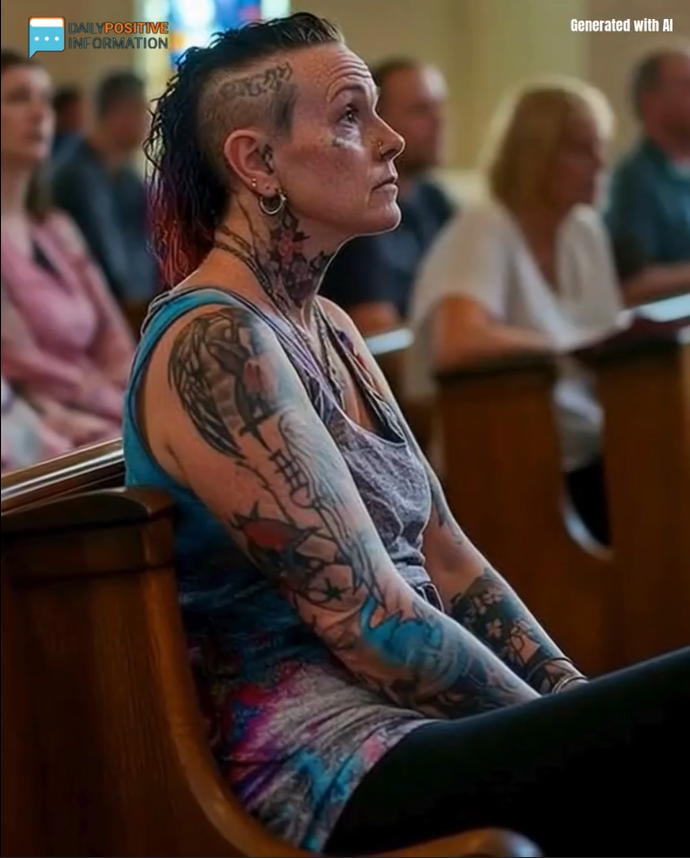
A recent incident at a local church sparked a wider debate about appearance, judgment, and what it really means to welcome people into places of worship. What began as a personal discomfort became a public discussion.
Last Sunday, a woman in her forties attended a church service, but her appearance caught the attention of another congregant in an unexpected way. She was covered in tattoos and displayed multiple visible piercings.
To some churchgoers, the woman’s appearance felt unfamiliar in that setting, leading one attendee to feel uneasy. She later shared her experience and concerns in an open online post asking for others’ opinions.
“Last Sunday, I saw something in church that really unsettled me,” the original poster wrote, setting the tone for a story that unexpectedly resonated with many people online. The post was heartfelt and personal.
“I saw a woman walk in, and she was heavily tattooed with numerous body piercings visible. I’ve always thought of church as a place of modesty, reverence, and respect. Her appearance didn’t feel right here.”
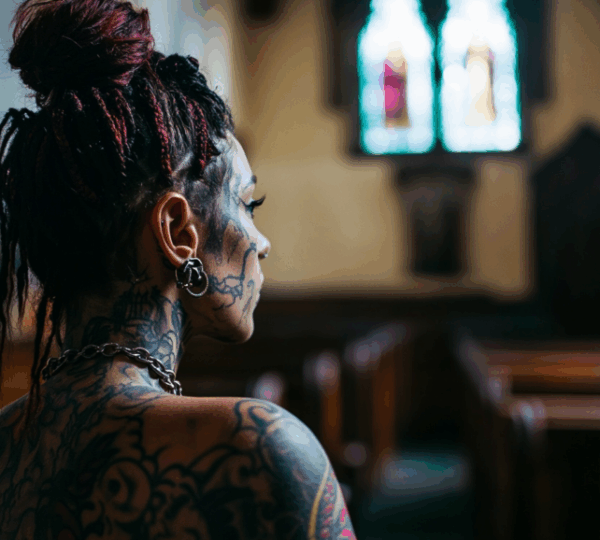
The poster went on to say she wasn’t opposed to individuality generally, but in a sacred space like church she expected a particular standard of dress and presentation that aligned with her understanding of modesty and reverence.
“I know people are different,” she continued, “but I couldn’t help but feel like she didn’t belong there looking like that. I was uncomfortable, and I couldn’t shake the feeling all through the service.”
After the service, the woman decided to approach the newcomer outside, hoping to gently express her discomfort. She described trying to be polite and respectful in her phrasing, though she acknowledged feeling unsure about how to start the conversation.
“I told her I didn’t think her look was appropriate for church,” she admitted frankly. “I even suggested she might want to tone it down if she planned to attend regularly. I wasn’t trying to be mean, but I honestly thought I was right.”
To her surprise, the tattooed woman didn’t react how she had expected. “She looked at me like I was crazy,” the original poster wrote, showing how taken aback she was by the response.
The tattooed woman replied sharply, “It’s none of your business how I look,” leaving the original poster stunned and emotionally taken aback by the bluntness of her reaction.
Feeling confused and unsure, the poster walked away, admitting in her online account that she left feeling even more unclear about what was appropriate and what wasn’t in a house of worship.

She concluded her post with a simple question: “Am I being too old‑fashioned here? Shouldn’t we expect a certain standard of dress and modesty in church? Has anyone else experienced this, and how did you handle it?”
What happened next surprised her. The reaction to her post was overwhelmingly critical, with many people telling her that her view felt judgmental and contrary to the teachings of Christianity.
Numerous commenters reminded her that Christianity places strong emphasis on love, acceptance, and refraining from passing judgment on others, quoting familiar teachings about compassion and inclusion.
One person responded: “How wonderful that she felt comfortable enough to attend church. Acceptance, tolerance, empathy, and compassion are all important aspects of faith that you seem to be forgetting.”
Another echoed the idea that church should be a welcoming place for everyone, regardless of how they look. “I was always told we are all God’s children. We are equal in His eyes, and only He has the right to judge us,” they wrote.
Someone else offered an even broader perspective: “It’s better that she’s there — tattooed and all — than not there at all. Her personal style doesn’t impact her faith. It’s nobody else’s business how she expresses herself.”
Many emphasized that outward appearance and personal style have no bearing on a person’s relationship with spirituality or their worthiness to worship alongside others in a sacred space.
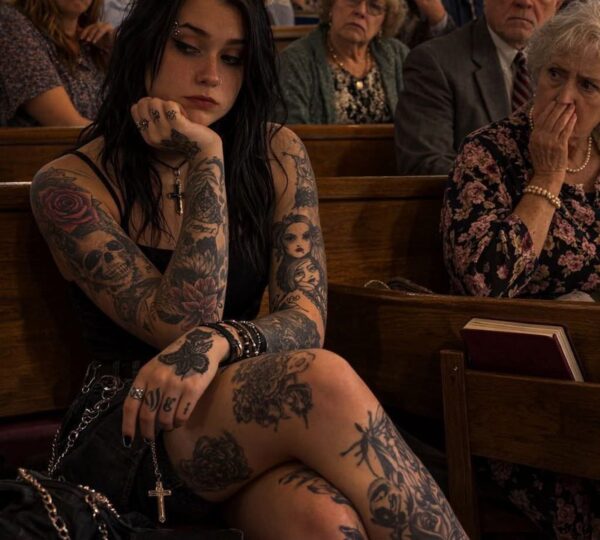
“Good on her for having the courage to go to church and feel comfortable just as she is,” one commenter wrote. “We should never judge others until we’ve walked a mile in their shoes.”
Others shared similar stories from their own lives, recounting times when they felt judged in worship spaces because of their clothes, hairstyles, or cultural expressions, making clear that the issue wasn’t isolated.
This story highlights a much larger issue that many people struggle with: the tension between personal standards of presentation and collective values rooted in faith, acceptance, and love.
It raises important questions about what truly matters in a house of worship — is it how someone looks on the outside, or that they’ve shown up with an open heart, seeking connection with God and community?
To many people, the tattooed woman’s presence was not disrespectful but powerful. Her decision to walk through those church doors as her authentic self was seen by many as brave, not inappropriate.
In a time when people are often made to feel unwelcome or judged for not fitting a particular mold, her decision to attend as she was became an example of courage and spiritual sincerity.
Some commenters wrote about their own journeys toward acceptance. Many said they, too, came to church feeling different or out of place, and remembering how meaningful it felt to be welcomed despite outward appearances.
“Judgment should be left at the door,” one person wrote. “The church should be a home for seekers, not a club for those who look a certain way.” Their sentiment was echoed repeatedly across threads.
Another commenter pointed out that many people in history who were marginalized or misunderstood by their communities eventually became central figures in Christian teachings precisely because they demonstrated faith beyond appearance.
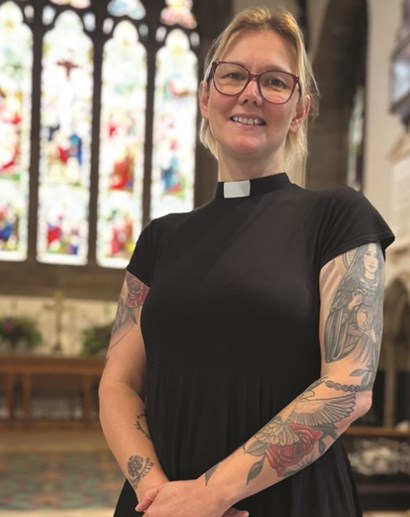
People shared stories of saints, outcasts, strangers, and everyday believers who were first misunderstood but later accepted as vital members of their spiritual communities, emphasizing that outward looks rarely reflect inner faith.
In some traditions, tattoos and body art carry spiritual or personal significance that has nothing to do with rebellion or disrespect, and many people mentioned this in support of the tattooed woman’s choice to attend worship.
Many emphasized that faith and outward appearance are not connected. What matters, they argued, is sincerity, devotion, and openness to spiritual growth while surrounded by others on a similar path.
One person wrote, “If she came to church seeking peace, connection, or healing, that matters far more than what’s on her skin.” This perspective resonated with countless others who commented on the post.
Some commenters reminded the original poster that Jesus himself challenged religious leaders who focused too much on outward appearance and not enough on compassion, mercy, and acceptance.
“Jesus ate with tax collectors and sinners because He saw their hearts, not their clothes,” one person wrote. “Maybe we should take a cue from that example.” Others agreed strongly with this interpretation.
Still, some responses attempted to offer understanding to both perspectives, acknowledging that many people feel uncomfortable when confronted with something outside their expectations.
Several commenters even pointed out that the original poster’s discomfort was understandable, but that discomfort shouldn’t be translated into judgment or rejection of another worshipper.
They encouraged reflection on why certain appearances might trigger discomfort and suggested that compassion and curiosity could replace judgment and exclusion.
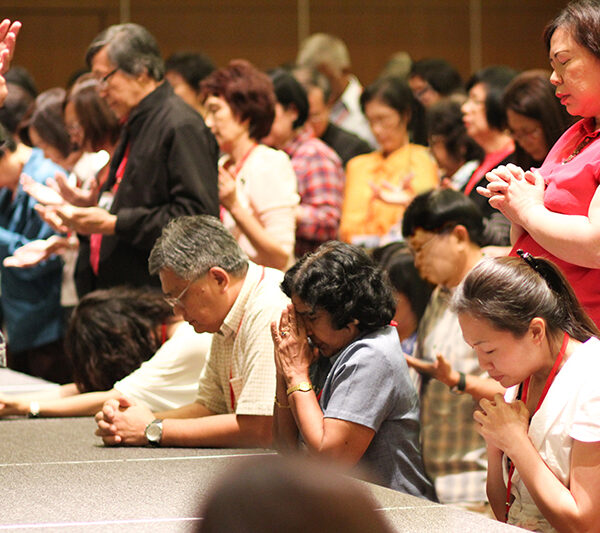
This discussion opened up a deeper dialogue about the role of community, tradition, and evolving cultural norms within church spaces as more people with diverse backgrounds choose to attend services.
Some responders suggested that churches use incidents like this as opportunities for guided conversations about inclusivity, welcome, and the diversity of human expressions of faith.
Others shared that their own congregations have intentionally emphasized acceptance over conformity, creating spaces where people feel safe regardless of appearance, background, or life story.
In some regions, churches have even begun hosting workshops and talks on understanding generational, cultural, and stylistic differences to prevent misunderstandings exactly like the one described in the original post.
Many noted that the original poster’s intentions may not have been unkind, but that the way her discomfort translated into a suggestion that the woman “do better” was what many found troubling.
The tattooed woman’s response — “It’s none of your business how I look” — became a common refrain among commenters, highlighting how strongly many people believe that personal expression should not be policed in sacred spaces.
Some people reflected on how deeply personal tattoos and piercings can be, often tied to stories of struggle, healing, memory, or identity that are entirely separate from any sense of disrespect or immodesty.
Others mentioned that in many communities, visible tattoos are simply a normal part of everyday life and no longer carry the negative connotations they once did, even among adults of faith.
This broader cultural shift, they argued, should be reflected in how communities of faith respond to newcomers rather than holding strictly to past standards of appearance and attire.
One commenter summarized the change this way: “Churches are not museums of fashion. They are places of healing, of refuge, and of belonging — and that begins with welcoming the person who walks in.”
In reflecting on the incident, some people turned the conversation toward the idea that the real measure of faith is not what someone wears, but whether they come seeking connection, growth, and healing.
Another person wrote, “If she came with a sincere heart and open mind, that’s what matters. She chose to be there — and that matters more than any ink on her skin.”
Supporters of the tattooed woman also pointed out that judgment often keeps people away from faith communities altogether, and that acceptance has the power to draw people closer.
Many agreed that if someone is brave enough to enter a church despite knowing they might be judged, that courage should be met with empathy, not criticism or unsolicited comments about appearance.
This story highlights a much larger conversation happening in many faith communities worldwide, where long‑held traditions meet changing cultural norms and evolving expressions of personal identity.
It raises important questions about what truly matters in a house of worship — whether it’s outward appearance or the condition of one’s heart and intention to engage in spiritual practice.
The tattooed woman’s presence may have challenged one person’s expectations, but to many others, her attendance was a powerful symbol of inclusivity and faith.
In a time when people are often made to feel unwelcome or excluded for not fitting a particular mold, her decision to walk through those church doors as her authentic self was seen as affirming and brave.
In the end, perhaps the real question isn’t whether someone looks “appropriate” for church — but whether the church truly looks like a place where all are welcome, accepted, and embraced with compassion.
This incident served as a reminder that the teachings of love, mercy, empathy, and non‑judgment are central to many faith traditions, and that these values often transcend personal expectations about dress or style.
Ultimately, the debate brought forward by this experience encouraged many people to reflect deeply on their own assumptions, biases, and the meaning of community within sacred spaces.
For some, it became an opportunity for personal growth; for others, a moment to rethink long‑held assumptions about how faith should look from the outside.
While people continue to express differing opinions, most agreed on one point: churches should strive to be places of welcome, safety, and spiritual nourishment for all who choose to enter.
In the end, what matters most in any house of worship is not what someone looks like, but that they are seeking connection — with God, with others, and with a community that embraces them fully.
