
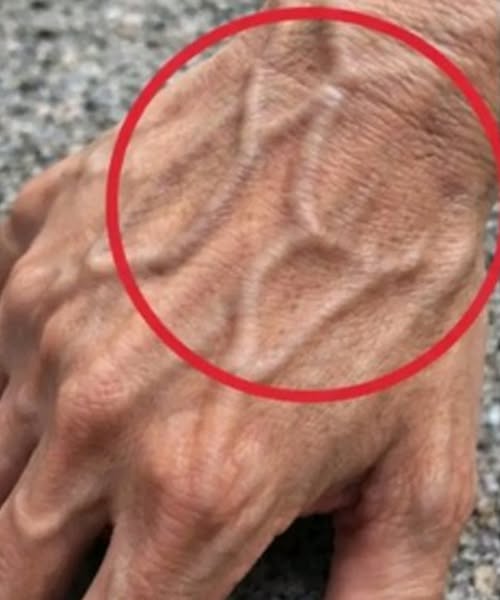
Seeing visible veins on the body can immediately raise concern, especially when they appear suddenly or seem more noticeable than before. Many people wonder whether this change signals a problem with circulation or overall health.
It is a common assumption that prominent veins mean blood is not flowing properly. However, in most situations, visible veins are not a sign of poor circulation and are often a completely normal physical characteristic.
To understand this better, it helps to look at how the circulatory system functions. Blood travels through arteries to deliver oxygen and nutrients, then returns to the heart through veins to be recirculated.
Veins are positioned closer to the surface of the skin compared to arteries. Because of this, they are naturally more visible under certain conditions, especially when the skin or surrounding tissue allows them to stand out.

One major factor influencing vein visibility is body composition. Individuals with lower levels of body fat tend to have more visible veins because there is less tissue covering them beneath the skin.
This is particularly noticeable in athletes, fitness enthusiasts, or individuals who maintain a lean build. In these cases, visible veins are often associated with good physical condition rather than any health issue.
Skin thickness also plays an important role. As people age, the skin gradually becomes thinner and loses elasticity, making veins more apparent over time without indicating any underlying circulation problem.
This natural aging process can make veins on the hands, arms, and legs appear more pronounced. While it may seem concerning, it is usually a harmless and expected change in the body.
Temperature is another important factor. When the body is exposed to heat, blood vessels expand to help regulate temperature, which can cause veins to appear larger and more noticeable temporarily.
This effect is known as vasodilation and is a normal response to warm environments or physical exertion. Once the body cools down, veins often return to their usual appearance.
Exercise also contributes to temporary vein visibility. During physical activity, muscles require more oxygen, increasing blood flow and causing veins to expand, making them more visible during and shortly after exercise.
This effect is commonly referred to as a “vascular” appearance and is often seen as a sign of efficient circulation rather than a problem. It usually fades as the body returns to rest.

Genetics also significantly influence how visible veins are. Some individuals naturally have lighter or thinner skin, making veins easier to see even without other contributing factors like exercise or temperature.
In these situations, visible veins are simply part of a person’s natural anatomy. They do not indicate disease or dysfunction and typically do not require medical attention.
It is important to understand that visible veins alone are not considered a reliable indicator of poor circulation. Many healthy people have prominent veins without experiencing any symptoms related to blood flow problems.
Poor circulation usually presents with additional symptoms rather than just a visual change. These symptoms provide more meaningful information about whether blood flow is impaired or functioning normally.
Common signs of circulation issues include pain or cramping in the legs during walking, often referred to as claudication, which may improve with rest and return with activity.
Other symptoms may include numbness or tingling in the hands or feet, persistent swelling in the lower extremities, or a sensation of heaviness in the legs, especially after prolonged standing.
Cold hands or feet, particularly when they feel unusually cold compared to the environment, may also indicate reduced blood flow, although occasional coldness can be normal in certain conditions.
Changes in skin color, such as pale, bluish, or reddish tones, can sometimes signal circulation problems. These changes may reflect reduced oxygen delivery to tissues and should be evaluated if persistent.

Slow-healing wounds, especially on the feet or legs, can also indicate compromised circulation. Adequate blood flow is essential for healing, so delays may suggest an underlying vascular issue.
While visible veins are usually harmless, certain vein conditions can cause changes in appearance along with discomfort. One common example is varicose veins, which are enlarged, twisted veins often found in the legs.
Varicose veins develop when the valves inside veins weaken or fail, allowing blood to pool instead of flowing efficiently back toward the heart. This can cause swelling, aching, and a heavy sensation.
Symptoms of varicose veins may include itching, burning, or discomfort in the affected area. In some cases, the veins may appear raised, bulging, or darker in color than surrounding skin.
Another condition to consider is chronic venous insufficiency, where veins struggle over time to return blood to the heart. This can lead to swelling, skin changes, and sometimes ulcers in more severe cases.
These conditions differ significantly from simply having visible veins. The key difference lies in the presence of symptoms such as pain, swelling, or skin damage rather than appearance alone.
There are also warning signs that should not be ignored. Sudden swelling in one leg, especially when accompanied by pain or warmth, may indicate a more serious condition requiring prompt evaluation.

A condition known as deep vein thrombosis involves a blood clot forming in a deep vein, usually in the leg. This condition can be dangerous and requires immediate medical attention.
Symptoms of deep vein thrombosis may include swelling, pain, redness, and warmth in the affected area. If untreated, the clot can travel to the lungs, causing a potentially life-threatening complication.
Although this condition is not caused by typical visible veins, it highlights the importance of paying attention to symptoms that go beyond appearance and signal a deeper issue.
Supporting healthy circulation involves maintaining consistent, practical habits rather than relying on quick fixes. Regular movement and exercise are among the most effective ways to promote proper blood flow.
Physical activity helps muscles contract, assisting veins in pushing blood back toward the heart. Even simple activities like walking, stretching, or light exercise can have meaningful benefits over time.
Staying hydrated also plays an important role. Adequate hydration helps maintain proper blood volume and consistency, allowing blood to circulate more efficiently throughout the body.
Avoiding smoking is critical for vascular health. Smoking damages blood vessels, reduces oxygen delivery, and increases the risk of circulation-related conditions and cardiovascular disease.
Managing underlying health conditions such as diabetes, high blood pressure, and high cholesterol is equally important. These conditions can affect blood vessels and circulation if not properly controlled.
Some natural remedies and supplements are often promoted for improving circulation. These include garlic, ginger, fish oil, ginkgo biloba, and cayenne pepper, among others.

While some of these may have mild effects, scientific evidence supporting their effectiveness is mixed. They should not replace medical advice or treatment, especially in individuals with existing health conditions.
It is also important to be cautious when using supplements, as they can interact with medications or increase risks such as bleeding. Professional guidance is recommended before starting any supplement routine.
Ultimately, visible veins are usually a normal and harmless feature. They often reflect natural variations in body composition, skin characteristics, and environmental influences rather than indicating a health problem.
The most important factor is whether visible veins are accompanied by symptoms such as pain, swelling, discoloration, or sudden changes. These signs provide more meaningful insight into circulation health.
If there is any uncertainty, consulting a healthcare professional is always a sensible step. Proper evaluation can help rule out potential conditions and provide reassurance when no issue is present.
Understanding the difference between normal vein visibility and signs of a medical condition can reduce unnecessary worry while ensuring that real concerns are addressed appropriately and without delay.
In conclusion, visible veins do not usually mean poor circulation. They are most often a normal variation of the human body, influenced by factors such as age, genetics, body fat, and activity level.
By focusing on overall health, staying active, and paying attention to accompanying symptoms rather than appearance alone, individuals can better understand their bodies and make informed decisions about their well-being.
