

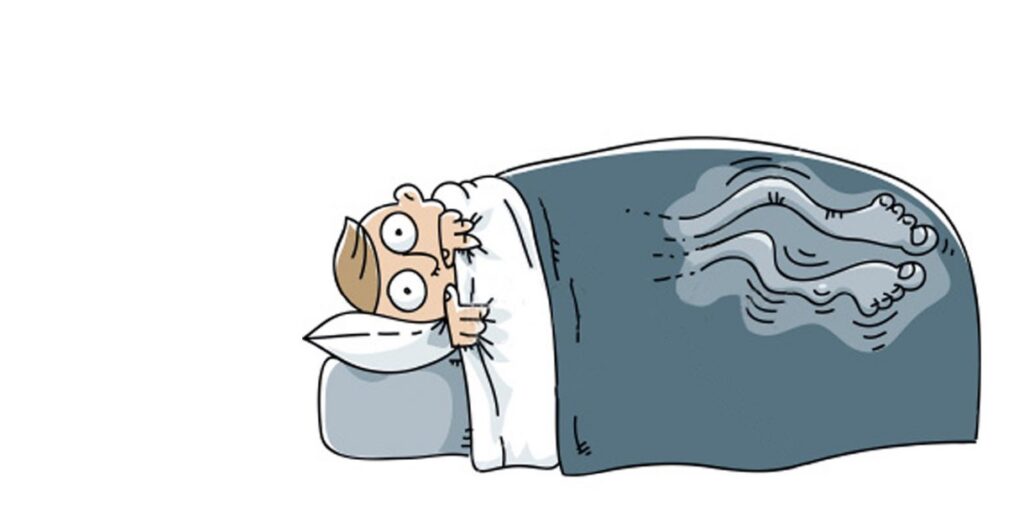
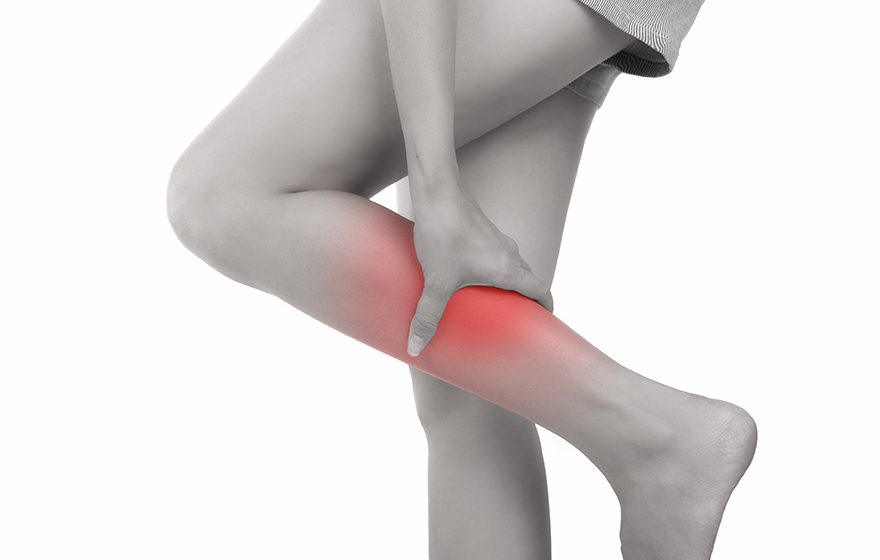
You wake up in the middle of the night, your body betraying you. Your calf is locked in a painful twist, each fiber burning as if caught in an invisible vice.
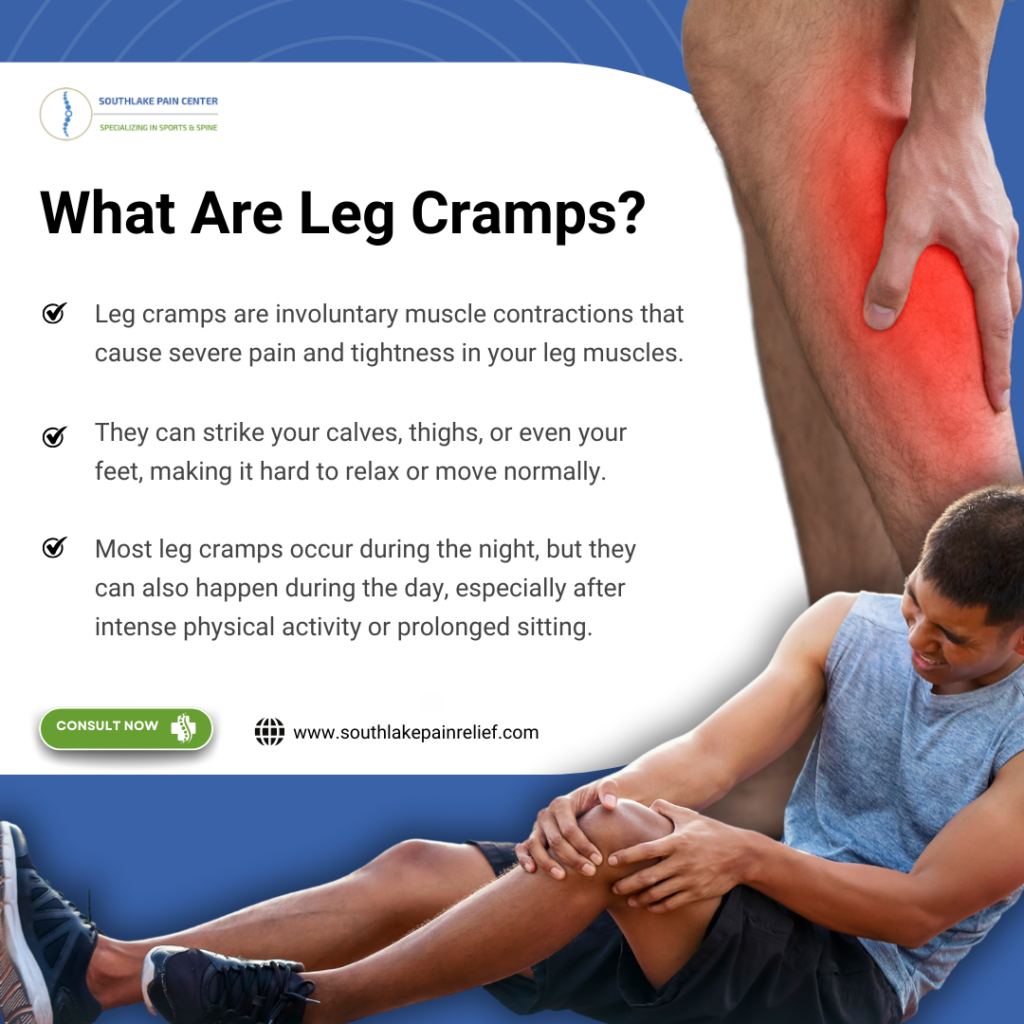
Millions of older adults experience this scenario, often multiple times a week. What begins as a brief discomfort can escalate into prolonged agony.
Leaving not only pain but also anxiety about the health of your legs and cardiovascular system. For adults over 60, nocturnal leg cramps are far from occasional—they are often predictable events.
According to the American Academy of Family Physicians, roughly 60% of adults over 60 experience nighttime leg cramps at least once a month, and nearly 30% report weekly occurrences. Known medically as charley horses, these cramps are frequently dismissed as an inevitable part of aging.
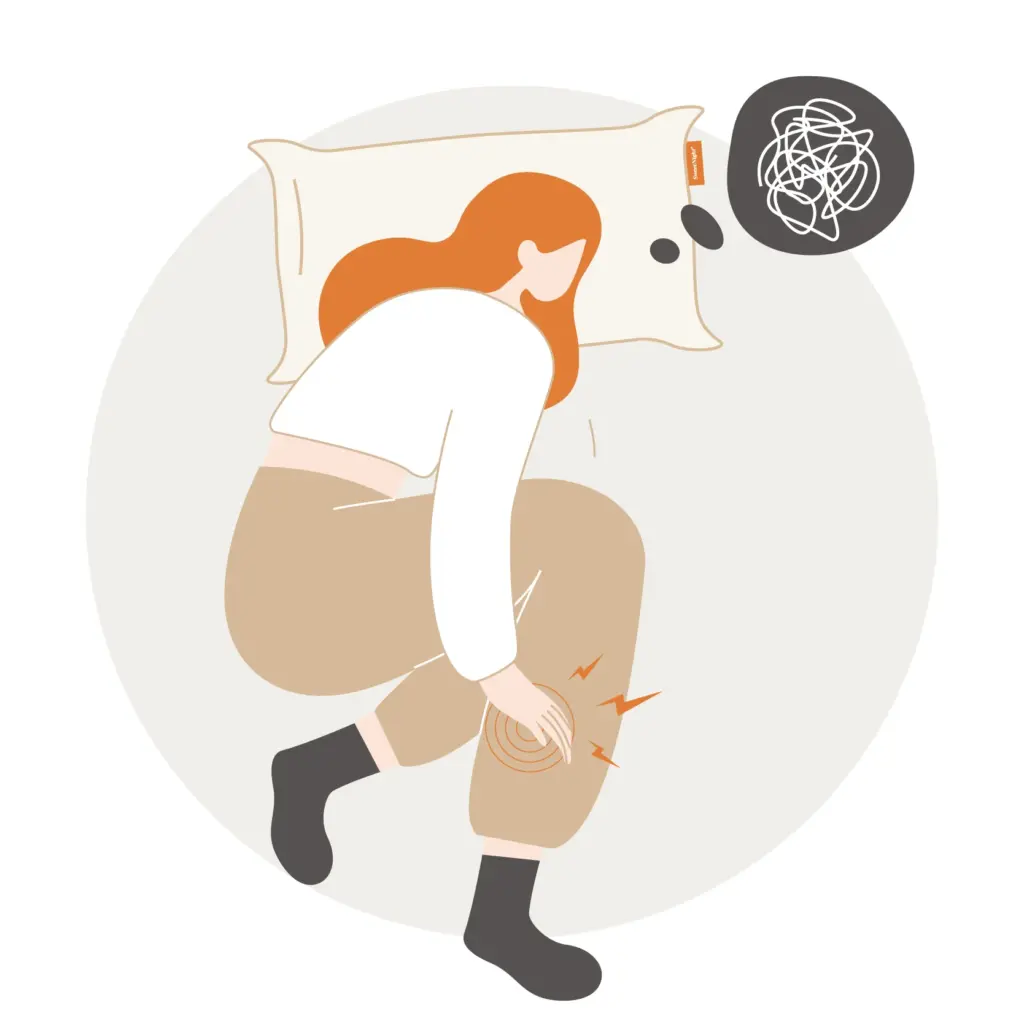
However, research shows that repeated episodes can sometimes indicate underlying cardiovascular, vascular, or neurological issues.
Why the Calf Muscles Are Most Affected
The calf, consisting mainly of the gastrocnemius and soleus muscles, is the primary site of nocturnal cramps. These muscles play a crucial role in walking, balance, and standing.
After age 30, humans experience gradual muscle mass loss, known as sarcopenia, which accelerates after 60. This decline decreases muscle fiber density, weakening previously resilient tissue and making it more prone to involuntary contractions.
Aging nerves compound the problem. Peripheral nerve conduction slows, and the precision of signals from the spinal cord diminishes.
As a result, a small twitch—a minor misfiring motor neuron—can trigger multiple neighboring fibers, creating a painful, knotted contraction that can last several minutes, or even over ten minutes in severe cases.
Reduced nighttime circulation further exacerbates the issue. During sleep, blood flow to the legs drops, lowering oxygen and nutrient delivery to already vulnerable muscles.
This transient ischemia makes cramps more likely, often striking in the early morning hours and abruptly waking individuals with stabbing pain.
Beyond Discomfort: When Cramps Signal a Bigger Problem
While most night cramps are benign, persistent or severe episodes may indicate underlying health concerns:
Peripheral artery disease (PAD): Narrowed arteries reduce blood flow to the legs, increasing cramp frequency and signaling higher risk for heart attack and stroke.
Electrolyte imbalances: Low levels of magnesium, potassium, or calcium can destabilize muscle excitability.
Medication side effects: Diuretics, statins, and beta-agonists may increase cramp susceptibility by altering electrolyte balance or neuromuscular function.
Chronic conditions: Type 2 diabetes, thyroid disorders, and kidney disease can impair nerve function or circulation, making cramps more common and severe.
Recognizing these risk factors is essential. Nighttime cramps can act as an early warning, prompting timely evaluation and intervention before more serious complications arise.
Lifestyle Factors That Influence Nighttime Cramps
While aging is inevitable, daily habits play a significant role in cramp frequency:
Sedentary behavior: Long periods of sitting or poor lower limb circulation increase the likelihood of cramps.
Physical activity: Regular exercise, especially routines that strengthen and stretch the calves, reduces cramp frequency. Walking, swimming, cycling, and gentle yoga all promote healthier muscle tone and circulation.
Hydration: Older adults often drink less water due to reduced thirst perception or nighttime urination concerns. Even mild dehydration can trigger muscle hyperexcitability.
Consuming water consistently throughout the day, along with electrolyte-rich foods like bananas, spinach, yogurt, and nuts, can stabilize muscle function.
Targeted Stretching Techniques
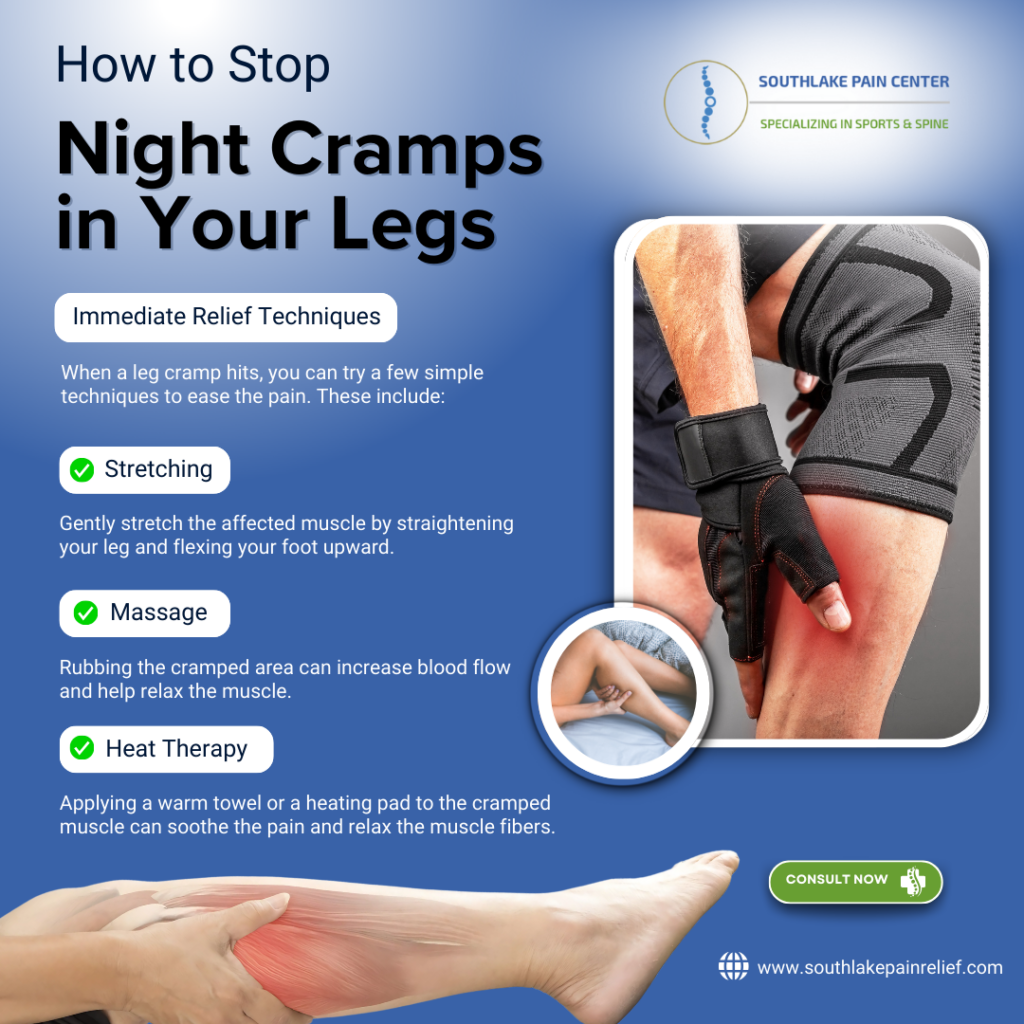
Stretching is one of the simplest yet most effective strategies to prevent night cramps. Calf stretches performed consistently before bedtime help relax muscle fibers and improve blood flow. Recommended techniques include:
Standing calf stretch: Place both hands on a wall, step one foot back, keep the heel down, and lean forward. Hold 20–30 seconds, repeat 2–3 times per leg.
Seated towel stretch: Wrap a towel around the ball of the foot while seated on the floor, gently pull toes toward you to stretch the calf.
Heel raises: Standing near a counter, rise slowly onto the balls of your feet, hold, and lower. This strengthens the calf muscles and improves tone, reducing susceptibility to cramps.
Consistency is key. Daily stretching helps maintain muscle length, promotes blood flow, and reduces involuntary contractions during periods of reduced nighttime circulation.
Strength and Flexibility Programs
Beyond stretching, strengthening the lower legs is vital. Exercises like leg presses, seated calf raises, and resistance band workouts enhance muscle endurance and neuromuscular coordination.
Stronger muscles require less energy to maintain posture, lowering fatigue-related cramps.
Low-impact practices like yoga and tai chi offer dual benefits: improving flexibility and balance while promoting circulation and relaxation.
These practices collectively reduce nighttime cramp risk, especially in older adults with decreased mobility or muscle strength.
Having understood the mechanisms behind nocturnal leg cramps and the role of aging muscles, nerves, and circulation, the next step is proactive management.
Older adults can take multiple approaches to prevent cramps, improve leg health, and reduce cardiovascular risks.
Advanced Stretching and Muscle Conditioning
Beyond basic stretches, more structured muscle conditioning programs provide superior protection against nocturnal cramps. These include:
Dynamic calf warm-ups: Gentle ankle circles, marching in place, or calf pumps before bed improve blood flow and prepare muscles for rest.
Progressive resistance training: Using light weights or resistance bands to strengthen the gastrocnemius and soleus can significantly reduce spasm frequency. This includes exercises like seated calf presses, standing toe lifts, and banded plantar flexion.
Proprioception and balance exercises: Standing on one leg or using a balance board enhances neuromuscular coordination. Better coordination reduces the likelihood of sudden muscle misfires that trigger cramps.
Clinical studies show that a combination of stretching and strengthening performed 3–5 times per week can cut cramp frequency by 40–50% in adults over 60. Incorporating low-impact activities such as yoga, tai chi, or aquatic exercises improves both flexibility and circulation while minimizing joint strain.
Nutrition and Hydration Strategies
Maintaining adequate hydration and electrolyte balance is critical. Older adults may need reminders to drink water consistently, as the thirst mechanism diminishes with age. Experts recommend:
Hydration: Aim for 6–8 glasses of water daily, adjusting for activity and climate.
Electrolytes: Foods rich in potassium, magnesium, and calcium—such as bananas, spinach, nuts, dairy, and fortified plant-based options—help stabilize muscle excitability.
Balanced diet: Protein supports muscle maintenance, while omega-3 fatty acids (found in salmon, walnuts, and flaxseed) improve vascular function.
Limiting dehydrating substances: Reduce excessive caffeine and alcohol, which can exacerbate cramping.
For those on medications like diuretics or statins, regular blood tests are important to monitor electrolyte levels, ensuring that supplementation or diet adjustments are properly tailored.
Improving Circulation and Vascular Health
Since reduced nighttime blood flow contributes significantly to leg cramps, older adults should focus on circulatory health:
Evening activity: A short walk or gentle leg exercises before bed promotes oxygen delivery to calf muscles.
Leg elevation: Slightly elevating legs while resting reduces pooling and enhances venous return.
Compression stockings: For individuals with varicose veins or PAD, medical-grade compression can prevent blood from stagnating and reduce cramp incidence.
Those with chronic conditions like diabetes or vascular disease should consult healthcare providers for tailored strategies, potentially including pharmacologic support or structured physical therapy programs.
When to Seek Medical Evaluation
Nighttime leg cramps can serve as an early warning sign for more serious health issues. Seek professional evaluation if cramps are:
Persistent or increasing in frequency despite lifestyle modifications.
Prolonged, lasting over ten minutes or accompanied by severe pain.
Associated with swelling, redness, or skin changes, which could indicate vascular compromise.
Accompanied by other symptoms like chest pain, shortness of breath, or numbness in the legs.
Medical assessment may involve vascular testing, blood work, neurological evaluations, or medication reviews. Identifying the root cause can prevent complications like PAD, cardiovascular events, or nerve damage.
Long-Term Implications of Ignoring Nighttime Cramps
While a single cramp may seem minor, repeated nocturnal spasms signal declining muscle, nerve, or vascular health. Untreated cramping, especially in the context of PAD or electrolyte imbalances, may increase risks for:
Heart attacks or strokes if arterial circulation is compromised.
Falls and mobility issues due to weakened or fatigued muscles.
Sleep disruption, leading to cognitive decline, mood changes, and reduced quality of life.
By taking nocturnal cramps seriously and addressing both preventive and medical aspects, older adults can preserve independence, mobility, and overall health.
Comprehensive Nighttime Cramp Management Plan
A practical, structured approach includes:
Daily stretching and strengthening: Focused on calf muscles and lower limbs.
Regular cardiovascular and balance exercise: Walking, yoga, tai chi, or swimming.
Hydration and nutrition optimization: Maintaining electrolyte balance and adequate fluid intake.
Lifestyle modifications: Supportive footwear, avoiding prolonged sitting, and good sleep hygiene.
Medical consultation: Early evaluation for persistent or severe cramps, particularly in individuals with cardiovascular risk factors.
By combining these strategies, what once seemed like a random, uncontrollable nocturnal attack can become manageable and even preventable, turning restless nights into restful sleep.
