
There are few household experiences more unsettling than entering your kitchen late at night and hearing the faint buzz of flies near the sink or catching a glimpse of a cockroach disappearing beneath an appliance.
These moments, though brief, can instantly shatter the sense of comfort and control that defines a healthy home.
A living space is meant to be a sanctuary—a place associated with cleanliness, safety, and peace of mind. When pests invade that space, they do more than create physical discomfort.
They introduce stress, anxiety, and concerns about hygiene, health, and long-term cleanliness. Even a small number of insects can trigger an ongoing feeling that something is “wrong” within the home environment.
For this reason, many people instinctively turn to chemical pest-control sprays, aerosols, and insecticides at the first sign of infestation. These products are heavily marketed as fast-acting and powerful, promising immediate results with minimal effort.
While they may appear effective at first, chemical-based solutions often come with significant hidden costs—both to personal health and to the long-term safety of the household.
The Illusion of Convenience in Chemical Pest Control
Chemical insecticides are designed to kill insects quickly, but speed does not always equate to safety or sustainability. Most commercial sprays rely on synthetic compounds that disrupt insects’ nervous systems. While effective against pests, these compounds are not always selective in their effects.

Once sprayed indoors, chemicals can linger in the air, settle on surfaces, and remain active long after the visible insects are gone. Kitchen counters, floors, cabinet handles, and even food preparation areas can become contaminated with residues that are difficult to fully remove.
For households with children, pets, or elderly family members, this exposure poses particular risks. Young children are more likely to touch treated surfaces and put their hands in their mouths.
Pets walk, sit, and lie on floors where chemicals may accumulate. Individuals with asthma, allergies, or respiratory sensitivity may experience irritation or discomfort from lingering fumes.
Beyond immediate health concerns, repeated chemical use can gradually degrade household surfaces. Certain formulations may discolor countertops, weaken sealants, or damage wood, laminate, and painted finishes over time. What begins as a short-term fix can evolve into a cycle of dependency on increasingly aggressive treatments.
Indoor Air Quality and Long-Term Exposure
One of the least discussed consequences of chemical pest control is its impact on indoor air quality. Homes are enclosed environments, and unlike outdoor spaces, airborne particles tend to remain trapped. Frequent use of sprays can contribute to indoor pollution, compounding exposure over weeks or months.
Studies in environmental health have consistently shown that reducing unnecessary chemical exposure indoors is beneficial, particularly for vulnerable populations.
This has led many homeowners to seek alternatives that address pest problems without introducing additional toxins into their living spaces.
Fortunately, effective pest management does not require harsh chemicals. In many cases, insects are attracted not by the absence of poison, but by environmental conditions—food residue, moisture, scent trails, and access points. Addressing these factors directly often produces better, longer-lasting results.
A Natural Alternative Using Everyday Household Ingredients
An increasingly popular approach to pest control involves the strategic use of simple, non-toxic ingredients that disrupt insect behavior rather than relying on outright extermination.
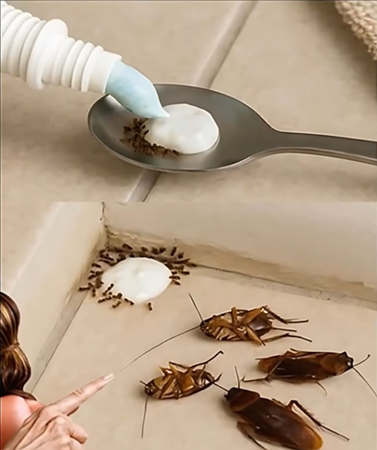
One such solution combines mint toothpaste, baking soda, and white vinegar—three items commonly found in most households.
This mixture does not work by poisoning insects. Instead, it creates an environment that pests actively avoid, while simultaneously removing the conditions that attract them in the first place.

This distinction is crucial, as it aligns with a more preventive and sustainable approach to home maintenance.
Why Insects Enter Homes in the First Place
To understand why this natural solution works, it helps to understand insect behavior. Household pests such as flies, ants, and cockroaches are primarily motivated by three factors:
- Food sources, including crumbs, grease, and organic residue
- Moisture, especially around sinks, drains, and appliances
- Chemical scent trails, which guide insects back to feeding or nesting sites
Traditional insecticides focus on killing insects after they appear. Natural repellents, by contrast, interfere with these underlying motivators, making the environment unattractive and confusing for pests.
The Role of Mint Toothpaste in Pest Repulsion
Mint toothpaste is more than a hygiene product—it often contains peppermint oil or menthol, both of which produce strong aromatic compounds.
While humans associate these scents with freshness and cleanliness, many insects find them overwhelming and disorienting.
Peppermint has been shown to interfere with insects’ sensory perception. Ants, for example, rely heavily on pheromone trails to navigate. Strong mint odors can mask or disrupt these trails, making it difficult for insects to locate food or return to established paths.
Flies and cockroaches are similarly sensitive to strong scents. The persistent mint aroma discourages them from settling in treated areas, encouraging them to seek more neutral environments elsewhere.
Baking Soda as a Functional Cleaning and Drying Agent
Baking soda plays a dual role in this mixture. Chemically, it reacts with vinegar to produce a fizzing action that helps loosen debris and residue from surfaces.
Mechanically, this reaction assists in cleaning areas where insects may have left scent markers or food traces.

Additionally, baking soda absorbs moisture—a critical factor in pest prevention. Cockroaches, ants, and flies are drawn to damp environments, particularly under sinks and near drains.
Reducing surface moisture removes one of the key attractions that bring pests indoors.
White Vinegar: Disrupting Trails and Sanitizing Surfaces
White vinegar is mildly acidic and has long been used as a household cleaner. Its sharp scent effectively masks insect pheromones, while its cleaning properties help remove organic material that attracts pests.
When combined with baking soda, vinegar enhances the overall cleaning effect, breaking down grease and residue that may be invisible to the eye but highly attractive to insects.
Importantly, vinegar does this without leaving behind toxic residues. Once it dries, the odor dissipates for humans, while its disruptive effect on insects remains.
A Safer Choice for Families and Pets
One of the most significant advantages of this natural solution is its safety. Because it contains no synthetic pesticides, it can be used confidently in kitchens, living areas, and homes with pets or children.
There are no harmful fumes, no toxic runoff, and no risk of accidental poisoning when used as directed. This makes it particularly appealing for households seeking to reduce chemical exposure without compromising cleanliness or comfort.
A Shift Toward Preventive Home Care
Rather than reacting to pests after they appear, this approach encourages proactive maintenance. Regular use of natural repellents, combined with basic hygiene practices, can significantly reduce the likelihood of infestations.
By focusing on prevention—eliminating attractants, masking scent trails, and maintaining a clean, dry environment—homeowners regain control of their living spaces without relying on aggressive chemical interventions.
How to Use the Mixture Responsibly and Effectively
While natural solutions are appealing for their safety and simplicity, their effectiveness depends heavily on how and where they are used.

This homemade mixture is not designed to instantly eliminate an infestation in the way industrial pesticides might. Instead, it functions best as a preventive and deterrent measure, creating an environment that is unattractive and inhospitable to common household pests.
To achieve consistent results, application should be thoughtful and strategic rather than random.
Key Areas to Target
Household insects are not evenly distributed throughout a home. They are drawn to specific conditions—mainly food availability, moisture, warmth, and shelter. The mixture should therefore be applied in areas where these conditions overlap.
High-priority locations include:
- Kitchen counters and backsplashes
- Areas around sinks and drains
- Under appliances such as refrigerators and dishwashers
- Near trash cans and recycling bins
- Entry points such as door frames, window sills, and vents
- Bathroom corners, especially near plumbing fixtures
Applying the solution consistently in these zones helps reduce insect traffic over time by interrupting their patterns of movement and attraction.
Frequency and Maintenance
Natural solutions require regular maintenance to remain effective. Unlike chemical pesticides that linger for weeks, the active components of this mixture—particularly scent-based repellents like peppermint—gradually dissipate.

For best results:
- Refresh the mixture every 2–3 days
- Reapply after deep cleaning or heavy surface washing
- Increase frequency during warmer months when insect activity is highest
Consistency is key. Regular use reinforces the repellent effect and helps prevent pests from reestablishing habitual routes within your home.
What This Solution Can — and Cannot — Do
It is important to be realistic about what a homemade pest-repellent solution can accomplish. Transparency is essential, especially when providing information intended for broad audiences and advertising platforms.
What It Can Do
- Deter insects from entering treated areas
- Reduce the likelihood of pests returning to frequently used surfaces
- Help eliminate food residues and moisture that attract insects
- Support a cleaner, fresher-smelling home environment
- Serve as a safe alternative to chemical sprays for routine use
What It Cannot Do
- Eliminate severe infestations on its own
- Kill insects instantly or in large numbers
- Replace professional pest control in extreme cases
This solution works best as part of an integrated pest-management approach, not as a standalone cure for deeply rooted infestations.
The Importance of Environmental Control
One of the most overlooked aspects of pest prevention is environmental management. Even the most effective repellent will fail if underlying conditions remain unchanged.
Household pests are opportunistic. They thrive where food, water, and shelter are easily available.
Reducing Attractants
To enhance the effectiveness of the mixture, consider the following supportive practices:
- Wipe down kitchen surfaces daily
- Store food in sealed containers
- Avoid leaving dirty dishes overnight
- Take trash out regularly
- Clean pet feeding areas after each meal
These simple habits significantly reduce the appeal of your home to insects, making repellents far more effective.
Moisture Control
Moisture is one of the strongest attractants for pests such as cockroaches and ants.
Helpful steps include:
- Fixing leaky faucets promptly
- Drying sinks and countertops before bedtime
- Using exhaust fans in kitchens and bathrooms
- Avoiding standing water in plant trays or cleaning buckets
When moisture is controlled, insects are far less likely to establish themselves indoors.
Long-Term Benefits of Natural Pest Management
Choosing natural pest-control methods offers advantages that extend well beyond immediate results.
Improved Indoor Air Quality
Chemical pesticides can contribute to indoor air pollution, particularly in enclosed spaces. Over time, repeated exposure—even at low levels—may irritate the respiratory system or worsen existing sensitivities.
Natural mixtures, when used properly, do not introduce synthetic toxins into the air, helping maintain a healthier indoor environment.
Safer Daily Living
Homes with children, pets, or elderly individuals benefit especially from non-toxic solutions. The reduced risk of accidental exposure makes natural methods suitable for frequent use without anxiety or special precautions.
Environmental Responsibility
Many commercial pesticides persist in the environment long after application. By contrast, household ingredients like vinegar and baking soda break down naturally, minimizing environmental impact.
Adopting eco-friendly practices at home contributes—on a small but meaningful scale—to broader environmental sustainability.
When to Consider Professional Help
While natural solutions are excellent for prevention and minor pest issues, there are times when professional intervention is necessary.
Signs that indicate a more serious problem include:
- Frequent sightings despite consistent cleaning
- Insects appearing during daylight hours (especially cockroaches)
- Evidence of nesting or breeding
- Persistent odors or droppings
In such cases, consulting a licensed pest-control professional is the responsible choice. Natural methods can still be used as a complementary strategy, but they should not replace expert evaluation when health or structural integrity is at risk.
Integrating Natural Solutions Into Daily Life
Rather than viewing pest control as a reactive task, the most effective approach is to integrate it seamlessly into everyday routines.
Using this mixture as part of regular cleaning encourages proactive prevention rather than crisis response. Over time, this shift in mindset reduces stress, saves money, and fosters a greater sense of control over the home environment.
Final Thoughts
Pest management does not need to rely solely on harsh chemicals or costly services. By understanding insect behavior, addressing environmental factors, and using safe household ingredients wisely, it is possible to maintain a cleaner and more comfortable living space.
The mixture of mint toothpaste, baking soda, and vinegar represents a practical, accessible, and responsible option for those seeking a natural alternative. While it is not a miracle cure, its value lies in prevention, safety, and sustainability.
When paired with good hygiene habits and routine maintenance, this approach supports a healthier home—one where comfort, cleanliness, and peace of mind can coexist naturally.
