
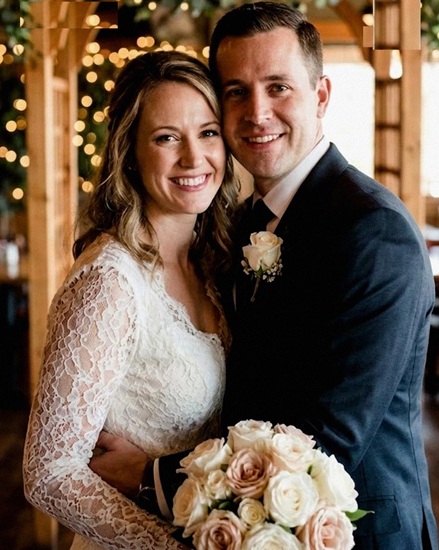
The morning of our wedding was sunny and warm, the light streaming through the reception hall windows, painting the polished floors gold. I felt a mix of excitement and nerves, unaware that joy would soon turn to unimaginable grief.
Karl stood at the altar with his usual calm demeanor, but that morning he seemed lighter, happier, almost as though the years of hidden worry had lifted for a brief, perfect moment. His smile reached his eyes fully.
I approached him, and the air smelled faintly of his cologne, lavender and cedarwood. Guests laughed and clinked glasses behind us. Everything seemed normal, serene, and completely alive with celebration, a stark contrast to what would come next.
He took my hands, and I felt the warmth of his grip, familiar and reassuring. For four years, I had trusted him completely, never imagining that he had secrets that could unravel everything we built together.
The ceremony passed in a blur of music and vows. The officiant spoke, guests cheered, and I whispered to Karl that I loved him, smiling, never expecting the day would end in tragedy rather than joy.

When the reception began, laughter and music filled the hall. Karl rolled up his sleeves and loosened his tie, looking relaxed and radiant. He made a toast that had everyone laughing, lifting their glasses in celebration.
Suddenly, his hand flew to his chest. His face contorted briefly, a shadow crossing his features, then his body jerked violently. I reached for him instinctively as he collapsed, the world spinning around us.
The sound of him hitting the polished floor echoed, sharp and terrifying. Screams erupted from nearby guests, while others froze, unable to comprehend the horror unfolding in front of them at a moment that should have been joyful.
I dropped to my knees beside him, my dress pooling around me, and held his face in my hands. “Karl? Karl, look at me!” I shouted, panic consuming every rational thought I had.
Paramedics arrived quickly, moving around him efficiently, shouting medical commands. I watched them with trembling hands, praying, hoping desperately that this was some horrible mistake that could be undone with a miracle.
Minutes stretched endlessly. I saw flashes of faces around me—shock, fear, disbelief. The crowd’s energy shifted from celebration to chaos, each second punctuated by the echo of my own desperate heartbeat in my ears.
Finally, one paramedic stepped aside, his expression grim. “It appears to be cardiac arrest,” he said. Those words shattered me, leaving a hollow ache where hope had been, as if the air had been sucked from the room.
They moved him out on a stretcher, and I remained on the dance floor, frozen. My fingers dug into the fabric of my gown, tears blurring my vision, unable to comprehend that he was gone.
Somebody draped a coat over my shoulders. I barely felt its warmth. The weight of my loss was overwhelming. Karl was gone, leaving behind an emptiness that nothing could fill, not even the echoes of the celebration.
The next days were a blur. The funeral needed to be planned, decisions made, arrangements coordinated. I handled everything alone because, as it turned out, Karl’s family was largely absent, their presence limited to distant concern.
The only relative who attended was a cousin named Daniel. He lingered awkwardly at the edge of the cemetery, keeping his hands in his pockets, looking as though he wanted to vanish but felt obliged to appear.
I approached him, grief and anger intertwined. “You’re Karl’s cousin, right?” I asked, my voice trembling. He nodded, and I demanded answers about his family’s absence, but he only gave vague, evasive responses.
“They’re complicated people,” Daniel muttered, rubbing the back of his neck nervously. That phrase sent a surge of anger through me. Their son was dead, and yet the word “complicated” seemed like an excuse for their absence.

Daniel left abruptly, phone buzzing, muttering apologies. That was the first crack in the story I thought I knew, the first hint that Karl had secrets bigger than I could have imagined.
That night, I lay in the house we had shared, the silence pressing against me. Every corner seemed to echo his absence. I couldn’t sleep. My mind replayed the collapse over and over again.
By dawn, I made a decision. I packed a backpack, bought a bus ticket to a city I didn’t know, and left. I needed distance, a sense of control, however small, amidst the chaos of grief.
The bus ride was surreal. The city blurred by, gray morning stretching endlessly outside the window. For a fleeting moment, I allowed myself to breathe, feeling a temporary relief that I had escaped the house and memories.
At the next stop, a man slid into the seat beside me. The faint scent of cologne made my stomach drop. It was Karl—alive, pale, and exhausted, yet very real. My grief and disbelief collided violently.
Before I could react, he whispered, “Don’t scream. You need to know the whole truth.” My voice was hoarse as I stammered, barely able to form words. “You died. I buried you.”
He leaned closer, urgency in his eyes. “I had to. I did it for us.” Confusion, anger, and disbelief churned inside me. My hands trembled, clinging to my bag as if it were the last thing anchoring me to reality.
He explained his parents had cut him off for refusing to join the family business. He couldn’t bear to be controlled and decided that faking his death was the only way to gain freedom and security.
The money had been transferred days before the wedding, enough to guarantee a future without financial worry. His reasoning made sense logically, but emotionally, I was shattered by the betrayal and the manipulation I had endured.
I realized then that Karl’s actions had been self-serving. He had allowed me to grieve, plan his funeral, and stand alone in anguish to orchestrate a plan that served only him.
The bus around us was silent at first, then murmurs of disbelief spread among passengers. An elderly woman, a young man, and others watched in shocked fascination as Karl continued to justify his deception.
I took control. I opened my phone and activated the microphone, leaving it recording. I asked calmly, “How did you do it? The paramedics, the doctor?” I needed to know every detail before taking action.
Karl hesitated but revealed that Daniel had arranged for actors to pose as paramedics, and a doctor had assisted as a favor. Every part of the plan had been meticulously executed, betraying my trust completely.
The bus doors hissed open at the next stop. I grabbed my bag and moved past Karl, my decision clear. The police station across the street was my next step. I would report the entire confession.
Karl pleaded, desperation in his voice. “Don’t do this. Don’t destroy our chance to be happy.” But I walked, steady and determined. My love had ended; what remained was the need for justice and truth.
As I entered the police station, I stood at the desk and prepared to play the recording. The weight of my wedding ring on my hand felt symbolic, heavy with the realization that the man I loved had truly died that day.
Not his body, not his heart, but the man I knew was gone. The man I married, the partner I trusted, no longer existed. Only the manipulative, self-serving Karl remained, and I was finally free to act.
I sat across from the officer, hands still shaking, phone in my lap. The recording of Karl’s confession played clearly. Each word hit like a hammer, confirming every suspicion I had and more.
The officer’s expression was serious, but patient. “We’ll need a full statement from you, and any evidence you have. This isn’t just fraud—this is identity deception, financial manipulation, and emotional abuse.” I nodded slowly.
I recounted the entire wedding day, the collapse, the funeral, and the final confrontation on the bus. Every small detail mattered, from Daniel’s sudden departure to the paramedics’ strange behavior. Nothing could be left out.

He took meticulous notes while I spoke, occasionally asking clarifying questions. The more I described Karl’s plan, the more I realized how much I had endured alone, and how carefully he had orchestrated my grief.
“I understand this is incredibly difficult,” the officer said gently. “You were manipulated in the most personal ways. You’re not at fault. He planned everything meticulously to deceive you and secure the money.”
After I finished, I handed over the recording. The officer promised it would be critical evidence. I felt a strange mix of relief and fear. The truth was safe now, but Karl was still out there.
I left the station with my head spinning, unsure what would happen next. The city streets felt overwhelming, the hum of traffic and pedestrians clashing with my inner storm of shock and betrayal.
At home, I tried to breathe, to calm my racing heart. The apartment felt quiet, yet the silence pressed in. Memories of Karl filled every corner, like ghosts of the life I thought I had.
I called a close friend to talk, needing someone outside the chaos. As I explained everything, my voice cracked repeatedly. She didn’t judge, only listened and reminded me that I had survived unimaginable deceit.
That night, sleep was impossible. Every time I closed my eyes, I saw him on the bus, his pale face and pleading eyes. The love I had felt turned to anger, confusion, and finally acceptance.
The following morning, I contacted my lawyer. I needed advice on protecting myself and ensuring Karl couldn’t access the money or disappear without consequence. Legal safeguards felt like the only way to reclaim control.
He instructed me to freeze any shared accounts and change passwords immediately. “He can’t manipulate what you protect,” the lawyer said firmly. I felt empowered, though the emotional toll was still immense and exhausting.
Meanwhile, news about the incident began to leak. Friends and family called, shocked and confused. I answered carefully, avoiding sensationalism, but each conversation reminded me that Karl’s deception had wider consequences than I could have imagined.
I realized I needed closure beyond the police report. Seeing him again, confronting him directly, felt necessary. Not for reconciliation, but to reclaim the dignity he had tried to strip from me.
I traced his likely movements through mutual contacts. It wasn’t easy—he had disappeared methodically—but with the help of authorities and diligent research, I began to narrow down his possible locations and patterns.
A week later, the officer called. Karl had been located at a small, private villa outside the city, attempting to lay low. They assured me he would be served with charges and prevented from fleeing further.
Relief and anger mixed in me. I wanted justice, not revenge. The man I loved was gone, replaced by someone unrecognizable, yet I felt strength growing within me. I had survived, and now I would rebuild.

I returned home and took a long look around the apartment we had shared, imagining Karl’s absence in every corner. The betrayal had carved space for reflection, forcing me to confront what I truly valued in life.
I wrote down every detail of my experience in a private journal. Recording my thoughts helped me process the trauma and understand how deeply manipulation can wound, even when love blinds us initially.
For days, I walked the city, letting the bustle distract me while my mind processed the enormity of Karl’s deception. Every street, every park, became a space to reclaim control over my emotions and my body.
Friends became lifelines. They cooked meals, sat with me, and offered companionship. Conversations were sometimes awkward, but each small interaction reminded me that I was still connected to the world outside the trauma.
Then, the court date arrived. Sitting in the courtroom, I felt tension spike. Seeing Karl, pale and defiant, reminded me of how carefully he had planned every step, yet also of how powerless he now was against truth and law.
I gave testimony with clarity and honesty, describing not only his actions but the emotional consequences. The jury listened, witnesses corroborated, and the evidence from the recording was undeniable, revealing the scope of his manipulation.
After the proceedings, I walked out of the courthouse into sunlight. A sense of release mingled with sorrow. The man I had loved was gone, but so too was the fear and uncertainty he had imposed.
I began volunteering at a local grief support center, helping others navigate loss and betrayal. Sharing my experience provided meaning, turning personal tragedy into guidance and compassion for people facing similar circumstances.
Weeks later, I started planning travel I had long postponed. Solo trips, new cities, quiet retreats—small steps toward reclaiming autonomy and joy that Karl had tried to overshadow with deceit.
In quiet moments, I reflected on the wedding day, the funeral, and the bus ride. The sequence of betrayal and survival became a story of resilience, one I would carry carefully, never forgetting, yet never allowing to define me.
By the end of the year, I had rebuilt routines, friendships, and trust in myself. Karl’s actions, though devastating, had inadvertently forced me to confront inner strength I hadn’t recognized until everything I knew was stripped away.
Months passed, and life slowly regained a sense of rhythm. I filled my days with work, friends, and small joys, learning to live without the shadow of Karl’s betrayal constantly looming over me.
I kept in contact with the authorities, checking updates on Karl’s case. The legal proceedings dragged on, but each hearing confirmed that justice was moving forward, reinforcing my sense of empowerment and closure.
Therapy became a cornerstone of my healing. Sitting with a professional helped me untangle the knot of grief, anger, and disbelief, providing clarity and strategies to rebuild trust in myself and in others.
I returned to the places Karl and I had loved, walking through the same streets, cafes, and parks, reclaiming memories that weren’t tainted by his deceit and allowing myself to separate past love from present reality.
Friends and family remained my lifeline. Their support was unwavering, showing me that vulnerability wasn’t weakness but a conduit for human connection and an essential part of moving forward after betrayal.
I began volunteering at a local community center, helping couples navigate challenges in relationships and grief. Sharing my experience gave purpose to my pain, transforming my trauma into guidance for others struggling with trust.
On quiet evenings, I wrote letters I never sent—messages to Karl that were more for my own closure than confrontation, allowing me to release lingering anger and reclaim emotional space he had once occupied.
Eventually, I started dating again. Tentatively, carefully, I allowed myself to connect with people who valued honesty and transparency, rebuilding my sense of intimacy while establishing firm boundaries and trust.
I discovered hobbies I had abandoned during the years with Karl—painting, gardening, and reading novels that allowed me to travel through imagination, reclaiming parts of myself that had been suppressed in fear and grief.
News about Karl’s legal situation reached me gradually. He had been found guilty of fraud and deception. Knowing the law had caught up with him provided a strange but essential sense of justice and closure.
The apartment I had shared with Karl became my sanctuary. I redecorated, repainted, and filled it with things that reminded me of resilience and renewal, transforming the space from a symbol of betrayal into one of empowerment.
I joined a local book club, meeting new people, and engaging in lively discussions. Intellectual stimulation and social connection helped me rebuild confidence, reminding me that life could be fulfilling without relying on any single relationship.
Every now and then, I revisited the memory of standing over Karl’s “body,” planning his funeral, and feeling paralyzed with grief. Reflecting on it now, I understood how much strength it had taken to survive that initial shock.
I began mentoring younger professionals in my field, sharing insights on coping with personal trauma while maintaining professional dedication. Offering guidance allowed me to channel past pain into proactive, meaningful support for others.
Travel became a therapeutic ritual. I visited coastal towns, mountains, and historic cities alone, embracing solitude and adventure, rediscovering the joy of spontaneity that Karl had once attempted to control and overshadow.
I maintained a journal of gratitude. Each night, I wrote down small victories, comforting interactions, and moments of peace, reinforcing a habit of mindfulness that helped counteract lingering shadows from past trauma.
Through therapy and self-reflection, I realized the importance of boundaries. I learned to distinguish between love that nurtures and love that manipulates, understanding that my compassion was valuable but not limitless.
When I visited the cemetery where Karl had been buried (and, ironically, where I had almost laid him to rest), I felt a mix of sorrow and release. That chapter was closed, not erased, but healed.
I found comfort in community activities, attending charity events, fundraisers, and volunteer groups. Being part of something larger than myself provided perspective, reminding me that my story, while tragic, was not the entirety of my existence.
Months turned to a year. I reflected on how far I had come—from grief and betrayal to resilience and self-discovery. The pain had not disappeared, but it had transformed into strength and clarity.
I began speaking publicly about resilience and overcoming deception. Sharing my story cautiously, I emphasized lessons of caution, self-awareness, and the importance of inner strength, helping others navigate complex emotional landscapes.
The memories of Karl’s deception never fully faded, but they no longer dominated my daily life. I had reclaimed my narrative, understanding that survival and growth were the true measures of triumph over adversity.
Eventually, I allowed myself to love again, carefully and thoughtfully, recognizing red flags and trusting my instincts. I had learned the value of honesty, transparency, and mutual respect in a way I never had before.
Evenings became my time for reflection. I would sit with a cup of tea, reviewing the week’s events, noting achievements, and letting go of residual bitterness, feeling a deep sense of calm and empowerment.
I reconnected with family members I had distanced myself from, learning to lean on supportive relatives while maintaining independence, discovering that trust could be rebuilt gradually without compromising personal safety or emotional well-being.
I celebrated milestones, small and large, without Karl’s shadow looming. Promotions at work, birthdays, holidays—they became opportunities for joy and remembrance, untainted by deception, honoring resilience rather than loss.
Through it all, I learned the power of narrative. By documenting, sharing, and reflecting on my experiences, I reclaimed agency over my life, transforming trauma into a story of survival, resilience, and cautious optimism.
The story of Karl and the wedding day became a quiet lesson. One of deception, betrayal, and manipulation—but also of endurance, wisdom, and the human capacity to heal even when love is weaponized.
Finally, I understood the most important truth: love can be lost, trust can be broken, but self-respect and courage are mine to reclaim. No one can take them without my consent or complicity.
