

Magnesium is one of the most vital minerals in the human body, yet it remains surprisingly underappreciated in mainstream discussions about nutrition and wellness. It is estimated that magnesium participates in over 300 enzymatic and biochemical reactions, influencing nearly every organ system.
Despite its foundational role in maintaining physiological balance, modern diets, lifestyle factors, and certain health conditions make magnesium deficiency a prevalent concern worldwide. Understanding magnesium’s multifaceted importance, the signs of deficiency, and strategies to maintain optimal levels is critical for supporting long-term health, energy, and vitality.
Why Magnesium is Essential
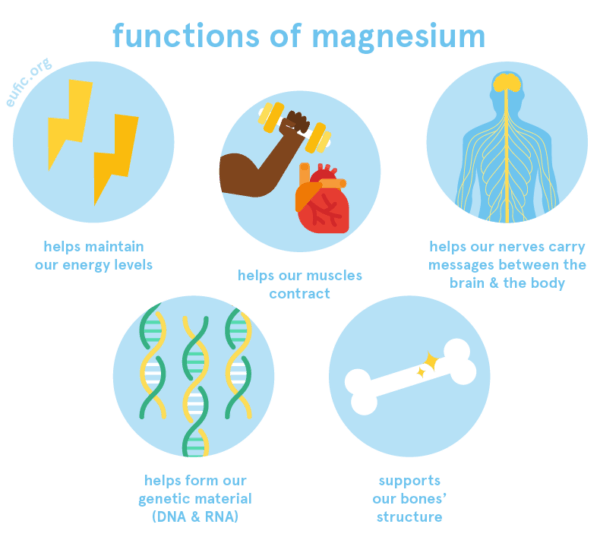
Magnesium is not merely a trace mineral; it is a central player in numerous bodily functions, encompassing energy production, muscular and neurological health, cardiovascular regulation, bone integrity, metabolic control, and mental well-being.
Without sufficient magnesium, the body’s ability to maintain homeostasis and optimal performance diminishes, often leading to subtle, yet progressively worsening health issues.
Unlike some nutrients whose deficiency manifests immediately, magnesium deficiency typically develops gradually. Early signs can be subtle, making awareness of magnesium’s sources, functions, and benefits crucial for prevention.
This mineral is particularly critical for adults, the elderly, athletes, and individuals with chronic illnesses, as their magnesium demands or losses may be higher than average.
Magnesium and Energy Production
One of the most critical functions of magnesium is its role in energy metabolism. Magnesium acts as a cofactor in the conversion of carbohydrates, fats, and proteins into adenosine triphosphate (ATP), the primary energy currency of the body.
ATP molecules are responsible for powering virtually every cellular process, from muscle contraction to nerve transmission and enzymatic reactions. Without sufficient magnesium, cells struggle to produce energy efficiently, leading to fatigue, low motivation, cognitive fog, and decreased physical performance.
The Cellular Mechanisms
Magnesium binds to ATP molecules in a form known as magnesium-ATP complex, which is essential for the molecule to function. This complex allows energy to be released and utilized in cellular processes.
A deficiency in magnesium disrupts this process, which can compromise the function of muscles, the heart, and the brain. Athletes and physically active individuals may notice reduced endurance, slower recovery, and increased risk of muscle injury when magnesium levels are inadequate.
Additionally, magnesium supports over 300 enzymatic reactions in metabolism. These enzymes regulate processes such as glucose breakdown, protein synthesis, and lipid metabolism.
Low magnesium can interfere with these biochemical pathways, contributing to poor exercise recovery, impaired cognitive function, and increased risk of metabolic disorders.
Muscle Function and Nerve Health
Magnesium plays a pivotal role in both muscular and neurological function. Muscle contraction is a carefully coordinated process: calcium ions trigger contraction, while magnesium facilitates muscle relaxation.

When magnesium is insufficient, the muscles may remain partially contracted, leading to cramps, spasms, and twitching. This effect is especially noticeable during prolonged exercise or in individuals who maintain high-intensity training routines.
Magnesium also ensures proper nerve signaling. Neurons rely on magnesium to regulate electrical impulses between the brain, spinal cord, and muscles.
A deficiency can disrupt this communication, causing symptoms such as tingling sensations, numbness, or neurological impairments. Chronic magnesium deficiency may contribute to more severe conditions such as neuropathy or increased susceptibility to anxiety and depression due to impaired neurotransmitter regulation.
Cardiovascular Health
Magnesium’s importance extends deeply into cardiovascular function. It is essential for maintaining a normal heart rhythm by influencing electrical conduction within the cardiac tissue. Adequate magnesium intake is associated with a stable heartbeat and reduced risk of arrhythmias.
Magnesium also acts as a natural vasodilator, relaxing blood vessels and promoting healthy blood pressure levels. This vasodilatory effect reduces the risk of hypertension, stroke, and atherosclerosis. Studies have demonstrated that populations with higher magnesium intake exhibit lower rates of cardiovascular diseases, including coronary artery disease, heart failure, and sudden cardiac events.
Beyond these direct effects, magnesium also modulates inflammation and oxidative stress, both of which play a significant role in cardiovascular health. Low magnesium levels have been linked to higher markers of systemic inflammation, contributing to the progression of heart disease and endothelial dysfunction.
Bone Strength and Skeletal Integrity
Approximately 60% of the body’s magnesium is stored in bones, where it contributes to structural development and mineralization. Magnesium interacts closely with calcium and vitamin D, facilitating proper bone density and strength. Insufficient magnesium can impair calcium absorption and disrupt the balance between bone formation and resorption, increasing the risk of osteoporosis and fractures, particularly in older adults.
Emerging research also suggests that magnesium may influence the activity of osteoblasts (cells responsible for bone formation) and osteoclasts (cells responsible for bone resorption), highlighting its role in maintaining skeletal health beyond mere mineral storage. Maintaining magnesium levels can therefore provide long-term protective effects against age-related bone degeneration.
Metabolic Health and Blood Sugar Regulation
Magnesium has a profound impact on glucose metabolism and insulin sensitivity. Adequate magnesium intake helps the body utilize insulin effectively, promoting stable blood sugar levels. Low magnesium levels are strongly associated with an increased risk of insulin resistance, metabolic syndrome, and type 2 diabetes.
Studies have shown that individuals with higher dietary magnesium consumption have better glycemic control and lower fasting glucose levels. Magnesium supplementation in individuals with diabetes or prediabetes has been found to improve insulin sensitivity, reduce inflammation, and support lipid metabolism, further highlighting its metabolic benefits.

Mental Health, Mood, and Sleep
Magnesium’s influence on mental health is substantial yet often overlooked. The mineral is essential for regulating neurotransmitters, including gamma-aminobutyric acid (GABA), which promotes relaxation and reduces neural excitability. By supporting GABA production, magnesium helps manage stress, anxiety, and mood disorders.
Research indicates that magnesium supplementation can reduce symptoms of depression and anxiety, particularly in individuals with low magnesium levels. Furthermore, magnesium enhances sleep quality by improving sleep onset latency and promoting deeper, more restorative sleep.
Poor magnesium status has been associated with insomnia and restless sleep, creating a feedback loop where sleep deprivation further depletes magnesium levels.
Magnesium deficiency is often referred to as a “silent epidemic” because it can develop gradually over time without obvious symptoms, yet it affects multiple organ systems and overall health.
Awareness of early signs and underlying causes is essential, as undiagnosed deficiency can contribute to chronic fatigue, metabolic disorders, cardiovascular problems, musculoskeletal issues, and mental health challenges.
Recognizing the Subtle Symptoms of Magnesium Deficiency
Magnesium deficiency can be difficult to detect in its early stages because the body has mechanisms to compensate for low levels. However, prolonged deficiency eventually manifests through a range of physical, neurological, and mental symptoms. Understanding these early warning signs can help prevent more severe complications later in life.
Common Physical Symptoms
- Persistent Fatigue and Low Energy
Magnesium is crucial for ATP production—the energy currency of the body. A deficiency reduces cellular energy availability, leading to feelings of constant tiredness, lethargy, and decreased motivation. Even individuals who get adequate sleep may experience persistent fatigue when magnesium levels are insufficient. - Muscle Cramps, Twitches, and Spasms
Muscle contraction and relaxation depend on a balance between calcium and magnesium. Calcium triggers contraction, while magnesium ensures proper relaxation. Low magnesium disrupts this balance, resulting in involuntary muscle cramps, twitching, spasms, and stiffness, especially in the legs and feet. Athletes or individuals engaged in heavy physical activity may notice worsened muscle fatigue and delayed recovery. - Bone and Joint Pain
While calcium is often highlighted for bone health, magnesium’s role in mineralization and bone density is equally important. A deficiency can contribute to weakened bones, joint pain, and increased risk of fractures, particularly in older adults. - Headaches and Migraines
Studies have linked low magnesium levels with a higher prevalence of migraines and tension headaches. Magnesium supports proper nerve function and blood vessel regulation, both of which influence headache frequency and severity. Supplementation in migraine sufferers has been shown to reduce the number of attacks and the intensity of pain. - Cardiac Symptoms
Magnesium deficiency can affect cardiac rhythm, potentially causing palpitations, arrhythmias, or irregular heartbeat. Individuals with low magnesium are at higher risk of hypertension, heart disease, and other cardiovascular conditions. Maintaining optimal magnesium levels is crucial for heart health.
Neurological and Mental Symptoms
- Nervous System Disruptions
Magnesium plays a key role in nerve signaling. Deficiency may lead to numbness, tingling sensations, and, in severe cases, neuromuscular disorders. - Mood Changes and Anxiety
Low magnesium is associated with increased stress response, anxiety, irritability, and mood swings. Magnesium interacts with neurotransmitters such as serotonin and GABA, influencing emotional stability. Deficiency can contribute to chronic anxiety and depressive symptoms. - Sleep Disturbances
Magnesium deficiency can disrupt sleep patterns by impairing GABA-mediated relaxation. Individuals may experience difficulty falling asleep, restless sleep, or insomnia, further exacerbating fatigue and stress. - Restless Legs Syndrome (RLS)
Characterized by an uncontrollable urge to move the legs, often accompanied by uncomfortable sensations, RLS has been linked to magnesium insufficiency in some cases. Supplementation has helped improve symptoms in clinical studies.
Common Causes of Magnesium Deficiency
Magnesium deficiency can occur due to a combination of dietary, lifestyle, and medical factors. Understanding these contributors is essential for effective prevention and treatment.
Dietary Factors
- Modern Processed Diets
Many modern diets rely heavily on processed foods, refined grains, and sugars, which are low in magnesium. Foods naturally rich in magnesium—such as leafy greens, nuts, seeds, legumes, and whole grains—are often underconsumed. - Excessive Caffeine and Alcohol Consumption
High caffeine or alcohol intake increases urinary excretion of magnesium. Chronic overconsumption can deplete magnesium levels over time. Individuals who frequently consume coffee, energy drinks, or alcohol should be particularly mindful of replenishing magnesium. - Low Intake of Magnesium-Rich Foods
Insufficient consumption of nutrient-dense foods such as spinach, kale, almonds, pumpkin seeds, black beans, and avocados contributes directly to magnesium deficiency. Even diets that appear healthy may be low in magnesium if these key foods are absent.
Stress and Magnesium
Chronic stress is a significant factor in magnesium depletion. Elevated cortisol levels increase urinary magnesium excretion while simultaneously raising the body’s magnesium requirements.
This creates a cycle: stress depletes magnesium, magnesium deficiency exacerbates stress and anxiety, which further increases magnesium loss. Mind-body interventions such as meditation, yoga, deep breathing, and mindfulness can help break this cycle.

Medical Conditions Contributing to Magnesium Deficiency
- Diabetes and Insulin Resistance
Individuals with type 2 diabetes often excrete higher levels of magnesium in urine due to elevated blood glucose. This loss can worsen metabolic control, creating a feedback loop that increases the risk of complications. - Digestive Disorders
Conditions such as Crohn’s disease, celiac disease, irritable bowel syndrome (IBS), and chronic diarrhea can impair magnesium absorption, even when dietary intake is sufficient. - Kidney Disorders
Kidney function regulates magnesium balance. Impaired kidneys may either increase magnesium excretion or, in some cases, cause accumulation, depending on the type and severity of the disorder.
Medications That Affect Magnesium Levels
Several common medications can contribute to magnesium deficiency:
- Diuretics: Prescribed for high blood pressure or fluid retention, they increase urinary magnesium loss.
- Proton Pump Inhibitors (PPIs): Long-term use can reduce magnesium absorption in the intestines.
- Certain Antibiotics: Some antibiotics interfere with magnesium retention and utilization.
- Chemotherapy and Other Treatments: Certain cancer treatments may reduce magnesium levels or increase excretion.
Awareness of these risks is critical for individuals taking long-term medications. Regular blood tests and dietary adjustments can help maintain adequate magnesium levels.
Natural Strategies to Restore and Maintain Magnesium Balance
Optimizing magnesium levels often involves a combination of dietary changes, lifestyle adjustments, and supplementation when necessary.
Magnesium-Rich Foods
Incorporating magnesium-rich foods into daily meals is the most natural way to prevent deficiency:
- Leafy Greens: Spinach, Swiss chard, kale, and collard greens are exceptionally rich in magnesium.
- Nuts and Seeds: Almonds, cashews, pumpkin seeds, sunflower seeds, and sesame seeds provide concentrated sources of magnesium.
- Whole Grains: Brown rice, quinoa, oatmeal, buckwheat, and whole wheat products contribute essential magnesium.
- Legumes: Black beans, lentils, chickpeas, and soybeans are excellent plant-based sources.
- Fruits: Bananas, avocados, and dried figs contain moderate magnesium.
- Dark Chocolate: High-quality dark chocolate (70% or more cocoa) offers both magnesium and antioxidants.
- Fish: Fatty fish such as mackerel, salmon, and halibut contribute magnesium along with omega-3 fatty acids.
A varied diet that emphasizes these foods can prevent deficiency and support overall health.
Lifestyle Considerations
- Stress Management: Meditation, yoga, and mindfulness reduce cortisol levels, conserving magnesium.
- Regular Exercise: Supports metabolism, cardiovascular function, and muscular health, all enhanced by adequate magnesium.
- Hydration: Proper fluid balance aids nutrient absorption and kidney regulation of magnesium.
- Sleep Hygiene: Adequate sleep enhances magnesium utilization and supports hormonal balance.
Magnesium is much more than just a mineral—it is a cornerstone of human health. Ensuring adequate magnesium intake and maintaining optimal levels has profound and long-lasting benefits across virtually all bodily systems.
While deficiency can silently compromise health over time, intentional strategies to restore and sustain magnesium balance can significantly enhance energy, mental clarity, cardiovascular stability, bone strength, and metabolic resilience.
The Long-Term Benefits of Adequate Magnesium
1. Enhanced Energy and Physical Performance
Magnesium’s role in ATP production directly supports cellular energy metabolism. Individuals with sufficient magnesium experience higher energy levels, improved stamina, and faster recovery from physical exertion. Athletes and fitness enthusiasts benefit particularly from magnesium’s contribution to:
- Muscle contraction and relaxation
- Efficient energy conversion in muscle cells
- Reduction of exercise-induced cramps, spasms, and fatigue
- Faster recovery and reduced risk of injury
Additionally, magnesium helps reduce lactic acid accumulation during high-intensity exercise, lowering post-workout soreness and promoting muscular endurance.
2. Cardiovascular Protection
Magnesium supports heart health by maintaining normal electrical conduction and heart rhythm. Long-term benefits include:
- Stable Heart Rhythm: Reduces risk of arrhythmias, palpitations, and sudden cardiac events.
- Blood Pressure Regulation: Magnesium relaxes blood vessels, contributing to healthy vascular tone and reducing the risk of hypertension.
- Anti-inflammatory Effects: Magnesium reduces systemic inflammation, protecting arteries and supporting endothelial function.
- Prevention of Cardiovascular Disease: Adequate magnesium intake is linked to lower incidence of coronary artery disease, stroke, and heart failure.
Research has repeatedly shown that populations with higher dietary magnesium consumption have a lower prevalence of heart disease, highlighting its crucial role in long-term cardiovascular protection.
3. Bone Health and Skeletal Integrity
Magnesium is vital for the structural integrity of bones and teeth. It works synergistically with calcium, vitamin D, and phosphorus to maintain bone density and prevent age-related degeneration. Long-term magnesium sufficiency helps:
- Reduce risk of osteoporosis and fractures
- Support osteoblast and osteoclast function for proper bone remodeling
- Improve calcium utilization and prevent calcium-related complications such as kidney stones
Older adults, postmenopausal women, and individuals with limited sun exposure or poor dietary calcium intake benefit greatly from consistent magnesium support.
4. Mental Health and Cognitive Function
Magnesium is essential for brain health and emotional balance. Long-term benefits include:
- Mood Stabilization: Supports neurotransmitters like serotonin and GABA, reducing anxiety and depressive symptoms.
- Improved Sleep Quality: Enhances deep, restorative sleep and reduces insomnia risk.
- Cognitive Clarity: Supports memory, learning, and neural plasticity, reducing brain fog and improving focus.
- Stress Resilience: Magnesium helps modulate the stress response, lowering cortisol levels and improving overall emotional resilience.
Individuals with chronic stress, anxiety, or sleep disorders often experience noticeable improvements when magnesium levels are optimized through diet or supplementation.
5. Metabolic and Endocrine Support
Magnesium plays a pivotal role in regulating glucose metabolism, insulin sensitivity, and metabolic health. Long-term adequacy can:
- Reduce risk of type 2 diabetes and metabolic syndrome
- Improve glucose uptake and insulin function
- Support lipid metabolism and reduce systemic inflammation
- Aid in weight management and fat metabolism
By supporting both cellular energy production and glucose regulation, magnesium serves as a central nutrient in preventing metabolic disorders and promoting lifelong vitality.
Advanced Strategies to Optimize Magnesium Levels
To maximize magnesium’s benefits, it is essential to adopt a holistic approach that combines nutrition, lifestyle, and, when necessary, supplementation.
Diet Optimization
A nutrient-rich, magnesium-focused diet should emphasize:
- Leafy Greens: Spinach, kale, Swiss chard, and collard greens
- Nuts and Seeds: Almonds, pumpkin seeds, sesame seeds, sunflower seeds
- Legumes: Lentils, chickpeas, black beans, soybeans
- Whole Grains: Quinoa, brown rice, oats, buckwheat
- Fruits: Avocado, bananas, figs
- Seafood: Mackerel, salmon, halibut
- Dark Chocolate: High-cocoa content chocolate for magnesium and antioxidants
Incorporating a diverse array of these foods ensures not only magnesium intake but also a full spectrum of vitamins, minerals, fiber, and phytonutrients essential for overall health.
Lifestyle Enhancements
- Stress Management: Meditation, yoga, tai chi, and deep breathing exercises help conserve magnesium and reduce cortisol-mediated depletion.
- Regular Exercise: Supports cardiovascular health, metabolism, and muscle function—all enhanced by magnesium.
- Hydration: Proper fluid intake aids kidney function, nutrient absorption, and magnesium homeostasis.
- Sleep Hygiene: Sufficient restorative sleep enhances magnesium utilization and hormonal balance, supporting overall health.
Supplementation When Needed
While dietary sources are ideal, supplementation can be necessary in cases of deficiency, chronic illness, or specific medical conditions. Key forms of magnesium supplements include:
- Magnesium Citrate: Highly absorbable, supports digestion and mild constipation relief.
- Magnesium Glycinate: Gentle on the stomach, ideal for sleep support and anxiety reduction.
- Magnesium Malate: Supports energy production and may help reduce muscle pain and fatigue.
- Magnesium Oxide: Less bioavailable but useful in certain digestive conditions.
Important Note: Supplementation should be individualized and monitored. Excessive magnesium can cause side effects like diarrhea, nausea, or cardiac disturbances. Blood tests can ensure safe and effective supplementation.
Combining Magnesium with Other Nutrients
Magnesium works synergistically with other key nutrients to amplify health benefits:
- Calcium: Together, they maintain bone density and support muscular contraction/relaxation.
- Vitamin D: Enhances magnesium absorption and supports bone and immune health.
- Potassium: Works with magnesium to regulate blood pressure and nerve/muscle function.
- Vitamin B6: Facilitates magnesium absorption and supports neurological function.
A nutrient-dense diet that balances these minerals and vitamins provides optimal conditions for magnesium to function effectively.
Long-Term Lifestyle and Health Impact
Maintaining magnesium sufficiency over the long term yields profound benefits that span physical, mental, and metabolic health:
- Increased Energy and Reduced Fatigue: Optimized ATP production enhances daily activity levels and reduces chronic tiredness.
- Better Cardiovascular Outcomes: Lower blood pressure, reduced inflammation, and stabilized heart rhythm promote long-term heart health.
- Muscle and Skeletal Support: Reduced cramps, improved strength, and bone integrity prevent injuries and age-related degeneration.
- Enhanced Mental Health: Reduced anxiety, improved mood, and better sleep quality support cognitive performance and emotional resilience.
- Metabolic Resilience: Improved insulin sensitivity, stable blood sugar, and reduced inflammation lower the risk of diabetes and obesity.
By prioritizing magnesium, individuals can create a foundation for sustainable health, vitality, and longevity.
Conclusion
Magnesium is far more than a simple mineral—it is an essential component for life. Its influence spans hundreds of biological processes, from energy production and muscle relaxation to nerve signaling, cardiovascular stability, bone strength, metabolic regulation, and mental well-being.
Deficiency often develops silently, and risk factors include poor diet, chronic stress, medical conditions, and certain medications. However, the solution is within reach: a magnesium-rich diet, consistent lifestyle practices, and targeted supplementation can restore and maintain optimal levels.
Prioritizing magnesium is a simple yet profoundly effective strategy to enhance overall health. Individuals who focus on this essential mineral are likely to experience increased energy, improved physical and mental performance, stronger bones, better metabolic health, and greater resilience against stress and chronic disease.
In essence, magnesium is a cornerstone of well-being—its presence, balance, and sufficiency are indispensable for living a vibrant, energetic, and healthy life.
