
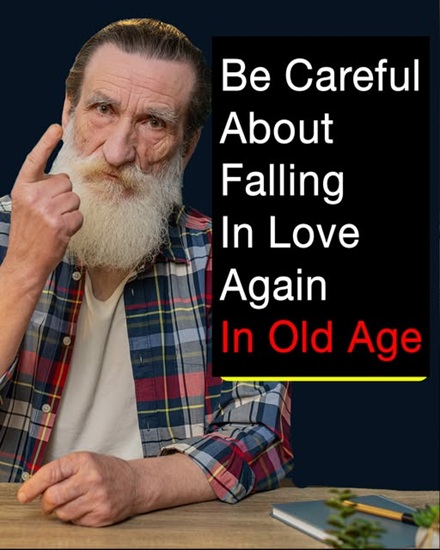
Love after age 60 can be incredibly rewarding, opening up opportunities for companionship, joy, and emotional intimacy that many people never believed possible later in life.
For individuals entering their 60s and beyond, the meaning of romance often shifts — from future‑focused goals to appreciation of shared moments and deep emotional connection with a partner.
Unlike earlier relationships centered on building homes, raising children, and planning long‑term futures, love in later years is more about affinity, emotional resonance, and mutual appreciation of life’s present moments.
Many older adults carry a rich tapestry of experiences, including careers, family bonds, travel memories, losses, and lessons about themselves that shape how they approach new relationships.
According to Dr. Michele Leno in Parade, “the need for love, attachment, and belonging does not change with age,” reminding readers that emotional connection is a lifelong human drive.

After 60, love can be tender, nuanced, and deeply supportive — yet it also carries challenges and risks that are often overlooked in public discussions about mature romance.
One of the most significant emotional challenges for older adults is loneliness, which may emerge as friendships change, children move away, or long‑time partners pass on with time.
Retirement — once anticipated as a moment of freedom — can sometimes bring unexpected emotional gaps as daily routines, social networks, and sources of purpose shift dramatically.
When someone new enters life during a period of loneliness, the emotional relief of connection can be mistaken for true love before trust and intimacy are fully established.
Loneliness creates a longing for companionship that is deeply human, but rushing into a relationship driven by emotional need rather than compatibility can blur judgment and wise decision‑making.
A genuine mature connection, however, is built over time, with mutual respect, clear boundaries, and shared values that align with both partners’ life stages and aspirations.
Another common concern among older singles is the fear that “time is running out” — a belief that this might be their last chance for love or deep connection.

This mindset can unintentionally pressure people to commit too quickly or to overlook signs that a relationship may not be fully healthy or mutually supportive.
Feeling rushed into emotional commitment can lead someone to ignore mismatched values, incompatible goals, or a lack of readiness for shared life planning.
In later‑life relationships, it is vital to balance desire with discernment, ensuring that the connection is meaningful, respectful, and sustainable over time.
This requires slowing down the pace of emotional involvement, asking thoughtful questions, and taking time to observe behavior and intentions before making long‑term commitments.
Clinical psychologist Dr. Dianne Mani has emphasized in interviews that expecting a partner to immediately drop everything to meet every need is a sign of poor boundaries.
Such demands can indicate that one person is more focused on their own agenda than on building a balanced partnership that honors both individuals’ priorities, autonomy, and dignity.
Valuing independence and interdependence equally is a hallmark of mature relationships that support emotional wellbeing and long‑term harmony between partners.

Establishing clear boundaries early on — including how time is spent, how communication occurs, and how expectations are managed — creates a foundation of mutual respect.
When people over 60 enter relationships with clear communication and realistic expectations, they are more likely to experience love that enhances life rather than compels sacrifice.
One of the most sensitive areas in later‑life relationships is financial boundaries, which play a central role in long‑term comfort, security, and peace of mind.
According to counseling platforms like eHarmony, dating someone who struggles with money management can introduce conflict and stress that extends far beyond everyday expenses.
At this stage, many adults have planned carefully for retirement, settled into routines, and made financial decisions that support health care, travel, family responsibilities, and legacy goals.
A partner who consistently expects the other to pay for outings, avoids conversations about financial planning, or resists sharing financial responsibilities may create imbalance and tension over time.
Such patterns can affect not only day‑to‑day peace but also retirement savings, inheritance planning, and the ability to meet future needs without compromise or uncertainty.
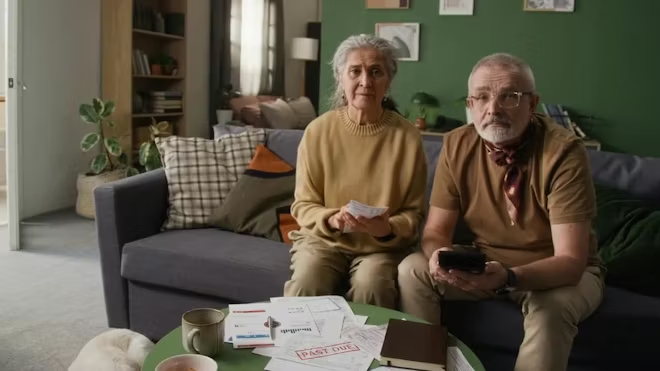
Dr. Mani notes that financial strains can be difficult for older adults because many are navigating not only their own security but also supporting children, grandchildren, or aging relatives.
For mature partners considering long‑term commitment, open dialogue about finances, spending habits, retirement goals, and investment priorities is essential before merging lives or assets.
Healthy financial boundaries include transparency about debts, spending values, medical insurance, estate planning, and how expenses will be managed in daily life and unforeseen challenges.
Couples who navigate money conversations with mutual respect and a spirit of partnership often avoid avoidable conflicts that otherwise erode trust and emotional connection.
In addition to financial matters, emotional compatibility remains central to love after 60, requiring openness about past experiences, communication styles, and hopes for the future.
Many older adults bring rich emotional histories into relationships, including previous marriages, losses, long‑standing friendships, and deep insights about themselves and others.
These histories can be strengths in a new partnership, offering wisdom, empathy, and a clearer understanding of what emotional support and connection truly mean.
However, unresolved emotional trauma — such as grief over a lost partner or lingering resentment from past relationships — can shape expectations in subtle ways if not acknowledged.

Therapeutic support, reflection, and honest self‑assessment can help mature individuals enter relationships with emotional clarity rather than unexamined longing for past companionship.
Today’s dating world is also shaped by technology, and many adults over 60 are finding new possibilities for connection through online dating platforms designed for mature singles.
These platforms allow individuals to meet others with shared interests, values, and life goals, expanding social networks beyond traditional community circles or social events.
Online dating for older adults can be empowering, offering choices and connections that might otherwise be difficult in a smaller local dating pool.
But navigating digital romance also requires caution, clear boundaries, and awareness of potential risks including misrepresentation of identity, intentions, or life circumstances.
Wise online communication involves verifying information, meeting in safe public places, and involving trusted friends or family in initial introductions or observations.
Older adults should also be mindful of declining to share sensitive personal information online, such as financial details or private family matters, until trust is firmly established.
Beyond digital connections, in‑person social environments also provide opportunities for romantic relationships — from classes and volunteering to travel groups and community events.
Finding connection in shared activities allows older adults to meet others with similar lifestyles, interests, and emotional temperaments, fostering natural connections without undue pressure.
Maintaining an active social life outside of romantic involvement is also linked to greater emotional resilience, higher life satisfaction, and a sense of independence that enriches long‑term relational health.
Friends, family, and community networks offer emotional support, honest perspective, and grounding that helps older adults evaluate new relationships wisely and compassionately.
Healthy relationships are not formed in emotional isolation; they flourish when individuals maintain robust support systems and retain a sense of self outside of romantic attachment.
In many loving later‑life partnerships, both individuals continue pursuing personal interests, friendships, and individual growth while celebrating shared experiences and companionship together.
Shared values about lifestyle, travel, family interaction, religion, health habits, and leisure activities often strengthen a mature partnership because they support harmony rather than friction.
For example, two partners who enjoy travel and cultural experiences may find their bond deepened through shared exploration and the joy of discovery together.
Couples who prioritize health and wellness — such as walking, cooking nutritious meals, or attending fitness classes — often enjoy longer, more vibrant life phases together.
Older partners can also enrich each other’s lives through intellectual engagement, artistic appreciation, and collaborative hobbies that sustain curiosity and passion.
Family dynamics play a significant role in many later‑life relationships as well, especially when adult children and grandchildren are part of the emotional landscape.
Balancing a new romantic relationship with family responsibilities requires sensitivity, open communication, and an understanding that loved ones may have strong opinions or emotional investment.
Transparent conversations with children about intentions, boundaries, and emotional priorities can help families support one another while respecting individual choices.
Healthy relationships also involve legacy planning, during which partners discuss wills, estate management, health care directives, and how they want their later years to be structured legally and emotionally.
Aligning legacy goals ensures that both partners feel secure and respected, avoiding confusion or conflict in the future as life circumstances unfold.
Couples who communicate honestly about retirement dreams — whether it’s travel, relocation, or home life — often find harmony in shared vision rather than assuming compatibility without discussion.
Shared commitments to personal growth, social involvement, and maintaining independence enrich the texture of later‑life love by fostering mutual respect and ongoing curiosity about one another.
Love after 60 can also involve intergenerational integration, in which partners develop meaningful relationships with each other’s children and grandchildren over time.
These extended bonds — though complex — can bring joy, connection, and broader support networks that help all family members feel included and valued.
In some cases, blended family dynamics require patience and respect as relationships form authentically without pressure or expectation of immediate closeness.
Older partners often find that the strongest emotional bonds grow not from urgency but from shared reflection, laughter, understanding, and the freedom to be their authentic selves.
Mature love also involves emotional resilience, the ability to navigate conflict with compassion, and an appreciation for vulnerability as a strength rather than a liability.
Couples who have weathered life’s transitions independently bring valuable perspective to their relationships, helping them navigate disagreements with empathy, dignity, and patience.
Conflict in later‑life partnerships is inevitable at times, but how partners respond — with listening, compromise, and mutual respect — determines whether intimacy deepens or erodes.
Love after retirement can be a source of profound joy, offering a partner to share simple moments like morning coffee, evening walks, or quiet conversation over dinner.
These everyday experiences often become the heart of mature relationships, where connection is felt in presence rather than grand gestures or dramatic romance.
Older adults in love frequently describe a heightened appreciation for the small pleasures of daily life — moments of shared laughter, comfort, and mutual understanding.
Romance at this stage is not defined by opportunity for lifelong child‑rearing but by the opportunity for emotional partnership, shared adventure, and compassionate companionship.
For many, love after 60 brings renewed purpose, anchored in mutual support, gratitude, and the joy of living each day with someone who appreciates them deeply.
Such relationships can be a source of healing, reminding individuals that connection is possible even after loss, disappointment, or emotional hardship earlier in life.
When approached with intention and wisdom, later‑life love adds richness without undermining the independence and stability individuals have cultivated over decades.
Healthy mature relationships should enhance life, magnify joy, and support emotional wellbeing without demanding self‑sacrifice or loss of identity.
For those contemplating love after 60, focusing on self‑knowledge, clear boundaries, shared values, and respectful communication builds lasting connection rather than fleeting romance.
Romantic hope combined with emotional awareness and practical insight yields relationships that feel secure, joyful, and deeply fulfilling — a true celebration of later‑life love.
If you’ve experienced love after 60, what insights or advice can you offer others navigating late‑life relationships? Share your thoughts so more voices can be heard.
