
King Charles III has continued to appear in public in recent months, giving the impression that he is gradually returning to a sense of normality following his cancer diagnosis.
However, behind the carefully managed royal schedule and reassuring official statements, there remains widespread public interest.
And concern—about the true state of the monarch’s health. Reports from various media outlets suggest that while the King remains committed to his duties, his condition may be more complex than it appears on the surface.
In February 2024, Buckingham Palace confirmed that King Charles, now 75 years old, had been diagnosed with cancer following a medical procedure for an enlarged prostate.
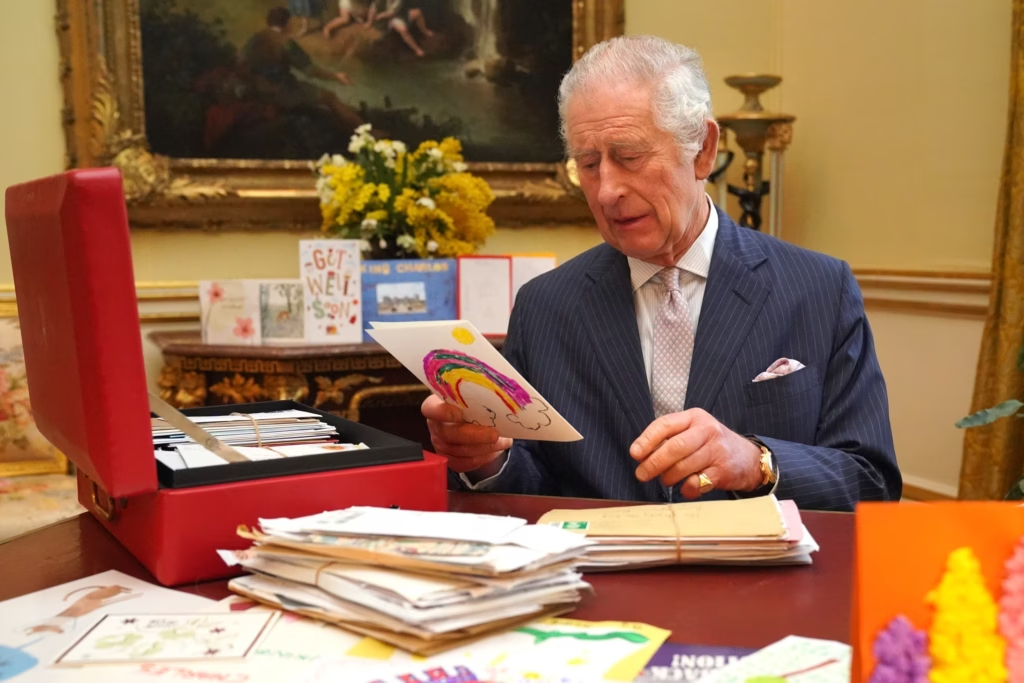
The Palace made it clear at the time that the cancer was not prostate cancer, but it did not disclose the specific type.
This decision aligned with longstanding royal practice, which prioritizes personal medical privacy while offering limited transparency in matters of national importance.
Since that announcement, the Palace has issued periodic updates emphasizing that the King is undergoing treatment, responding to medical advice, and continuing to carry out state duties where possible.
These statements have consistently struck a calm and measured tone, stressing that His Majesty remains in good spirits and focused on his role as head of state.
At the same time, some commentators and publications have suggested that the King’s health challenges are more demanding than the public has been led to believe. It is important to note that such claims are largely based on unnamed sources or insider commentary and have not been officially confirmed.
Responsible reporting requires a clear distinction between verified information and speculation, particularly when discussing the health of a public figure.
One reason for ongoing public discussion is the noticeable adjustment in King Charles’s workload. While he has continued to meet with government officials, receive foreign dignitaries, and attend selected public engagements, his schedule has been more limited and flexible than in previous years.
Longer overseas trips have been reduced, and certain ceremonial duties have been delegated to other senior members of the Royal Family.
Prince William, the Prince of Wales, has increasingly taken on a more prominent role during this period. As the heir to the throne, this shift is both expected and constitutionally appropriate.
Prince William has represented the Crown at high-profile events, led major initiatives, and increased his visibility on the international stage.
Royal observers widely interpret this as a sign of prudent planning rather than an indication of immediate concern.
In modern monarchies, continuity and stability are essential. The British Royal Family operates according to detailed protocols designed to ensure that the functions of the state continue smoothly under all circumstances.
These arrangements are not created in response to crises but are maintained continuously, often updated quietly over time.
One such protocol is Operation Menai Bridge, the codename assigned to the funeral plan of King Charles III. The existence of this plan has attracted public attention, particularly in the context of the King’s illness.
However, it is crucial to understand that having a funeral plan in place is standard practice for senior royals. Queen Elizabeth II’s funeral was guided by Operation London Bridge, a plan that had been developed and refined over several decades.
Royal funeral plans cover a wide range of logistical, ceremonial, and constitutional matters. These include coordination with government departments, arrangements for national mourning, security planning, and the involvement of Commonwealth nations.
The purpose of such plans is not to signal imminent death but to ensure preparedness, dignity, and clarity whenever the time comes—whether that is soon or many years in the future.
Buckingham Palace has not indicated that Operation Menai Bridge has been activated or accelerated beyond routine updates.
Any suggestion that its existence alone reflects a worsening health condition would be misleading. Experts in royal affairs consistently emphasize that these protocols are part of normal institutional planning.
Nevertheless, it is understandable that public concern persists. King Charles ascended to the throne later in life, following the longest reign in British history. His reign began during a period of global uncertainty, domestic political change, and evolving public expectations of the monarchy.
His diagnosis inevitably raised questions about how his leadership might be shaped by health considerations.
Friends and associates of the King, speaking in general terms through the media, have described him as determined and deeply committed to duty.
They have also acknowledged that cancer treatment can be physically demanding, particularly for someone of his age. Fatigue, the need for rest, and adjustments to daily routines are common realities for many patients, even when treatment is progressing as hoped.
From a constitutional perspective, the United Kingdom is well prepared for any scenario. The monarchy operates within a framework that allows responsibilities to be shared and transferred seamlessly if required.
Counsellors of State, senior royals, and government institutions all play defined roles in maintaining continuity.
Public communication from the Palace has aimed to strike a careful balance: offering reassurance without overpromising, and respecting personal privacy while acknowledging legitimate public interest.
This approach reflects lessons learned during previous periods of royal illness, when either excessive secrecy or excessive disclosure created uncertainty and speculation.
As King Charles continues treatment and adapts his role accordingly, the focus remains on stability, service, and the long-term health of the institution.
While rumors and dramatic headlines may attract attention, the confirmed facts point to a monarch who is receiving medical care, remaining engaged where possible, and supported by a system designed to endure beyond any one individual.
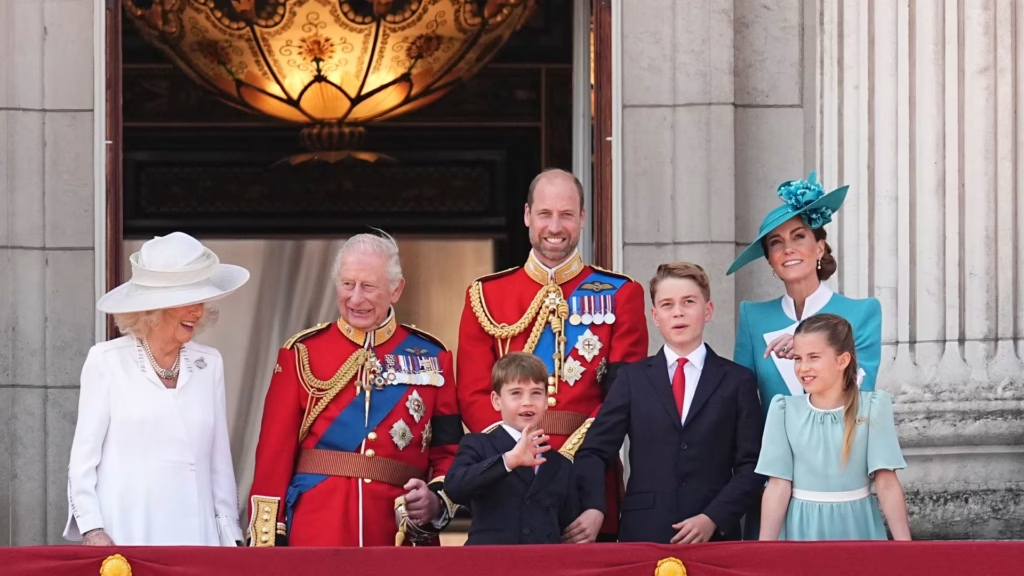
Public interest in the health of King Charles III is not driven solely by curiosity, but by the unique role the monarch holds within the United Kingdom and the wider Commonwealth.
As head of state for multiple nations, Supreme Governor of the Church of England, and a symbolic figure of continuity, the King’s wellbeing carries both emotional and constitutional significance.
This reality explains why even limited changes in his public schedule are closely analyzed and widely discussed.
In recent years, the British monarchy has faced increasing expectations for transparency. Compared to earlier generations, modern audiences expect clearer communication and more openness, particularly during moments of uncertainty.
However, the Royal Family continues to operate within a framework that values discretion, dignity, and medical privacy.
This balance is difficult to maintain, especially in an era of instant news, social media speculation, and a 24-hour global media cycle.
Buckingham Palace’s communications regarding King Charles’s health have followed a consistent pattern. Official updates confirm the existence of treatment, acknowledge temporary hospital observations when necessary, and emphasize that medical advice guides the King’s public role.
What these updates avoid are detailed medical descriptions, specific prognoses, or timelines—information that remains private and, in many cases, medically inappropriate to disclose.
This approach has led some commentators to suggest that the public is not being told the full story. It is important, however, to distinguish between not sharing every detail and actively misleading.
There is no verified evidence that the Palace has provided false information about the King’s condition. Rather, it has chosen to communicate cautiously, a strategy consistent with both royal tradition and modern medical ethics.
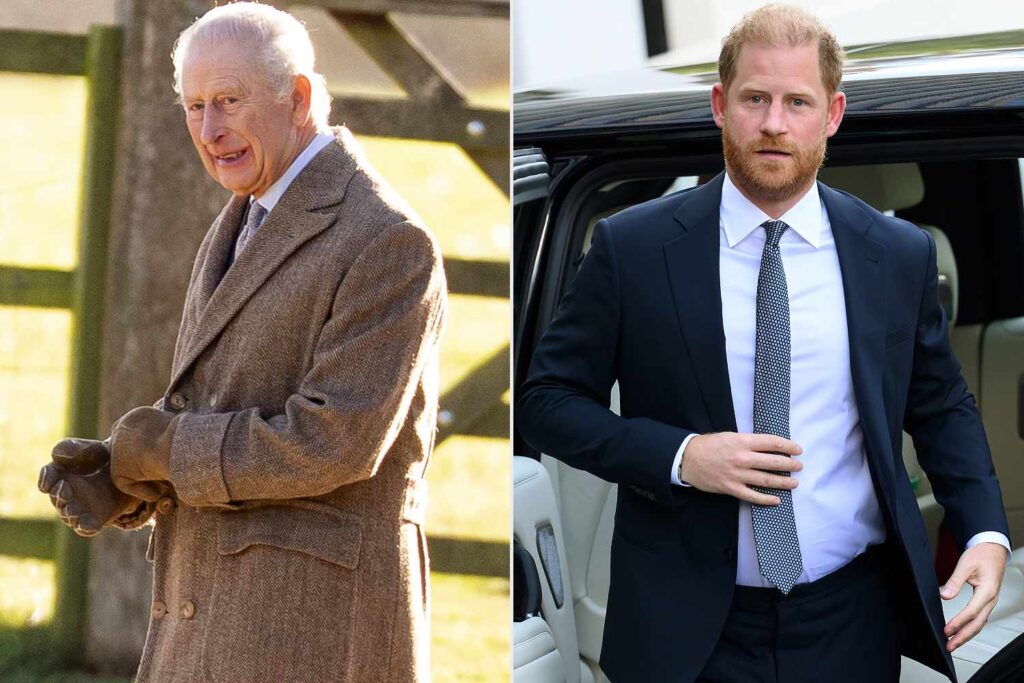
Meanwhile, the increased visibility of Prince William has fueled broader discussion about the future of the monarchy.
As Prince of Wales, William has long been preparing for kingship, and his expanding role reflects that preparation.
From diplomatic engagements to domestic initiatives, he has taken on responsibilities that ensure continuity and stability without undermining the authority of the reigning monarch.
This gradual transition of duties should not be interpreted as an indication that King Charles is unable to perform his role.
Instead, it reflects a modernized approach to monarchy—one in which responsibilities are shared, workloads are adjusted, and long-term planning is normalized rather than hidden.
Queen Camilla has also played a significant role during this period. She has maintained a visible public presence, supporting charitable causes and representing the Crown at key events.
Her consistency has provided reassurance to the public and reinforced the sense that the monarchy remains fully functional, despite the King’s reduced schedule.
From an institutional perspective, the monarchy has learned from history. Previous reigns demonstrated that sudden changes, if poorly communicated, can lead to confusion and instability.
As a result, today’s royal household emphasizes preparedness. This includes maintaining updated operational plans, such as Operation Menai Bridge, alongside constitutional mechanisms that allow the state to function without interruption.
Operation Menai Bridge itself is often misunderstood. The plan is not a prediction, nor is it evidence of urgency. Instead, it is a comprehensive framework that outlines ceremonial procedures, national mourning periods, coordination with Parliament, and international diplomacy.
These plans are reviewed periodically, just as emergency preparedness plans are reviewed by governments—even when there is no immediate threat.
Experts in constitutional law consistently stress that such preparation is a hallmark of responsible governance. Far from being alarming, it demonstrates foresight and respect for the public, ensuring that moments of national significance are handled with clarity and unity.
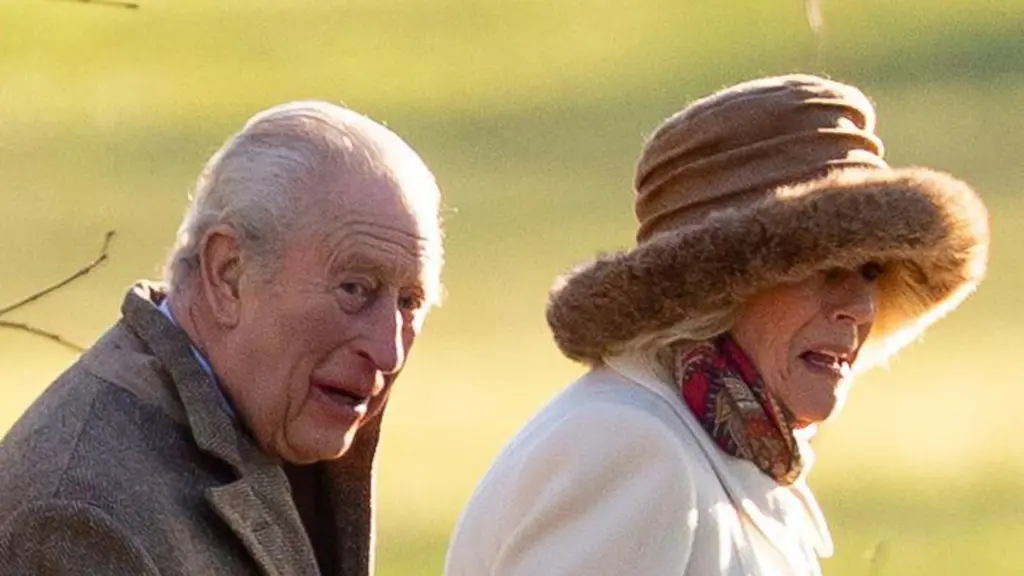
As for King Charles personally, those who have worked closely with him over decades describe a man deeply invested in his responsibilities.
His long-standing advocacy for environmental protection, interfaith dialogue, and cultural preservation has continued, even if some initiatives now proceed at a slower pace. Adjusting the tempo of work is a common and medically recommended approach for individuals undergoing cancer treatment.
It is also worth noting that cancer treatment outcomes vary widely. Many individuals live active, productive lives during and after treatment, particularly when care is closely managed.
Public assumptions about severity often reflect fear rather than medical reality. Without official confirmation of deterioration, it would be irresponsible to draw conclusions about long-term outcomes.
The British public has shown a mixture of concern, respect, and patience. Opinion polls suggest that while questions remain, trust in the monarchy’s ability to manage the situation remains relatively strong.
This trust is reinforced by the visible cooperation among senior royals and the absence of constitutional disruption.
Internationally, Commonwealth nations continue to recognize King Charles as head of state, with no indication of instability or uncertainty.
Diplomatic relations, ceremonial functions, and constitutional arrangements remain unchanged, underscoring the resilience of the system as a whole.
Ultimately, the story of King Charles’s health is not just about illness—it is about leadership, adaptation, and institutional strength.
While speculation will inevitably persist, the verified facts tell a more measured story: a monarch receiving treatment, supported by family and state, operating within a framework designed to endure.
As time progresses, further updates will likely be shared when appropriate. Until then, responsible reporting requires restraint, accuracy, and respect for both the individual and the institution.
In an age of sensational headlines, clarity and credibility remain essential.
The monarchy’s future does not hinge on rumors or assumptions, but on carefully managed continuity.
Whether King Charles continues his reign for many years or passes responsibilities gradually to the next generation, the structures are firmly in place. This assurance—quiet, deliberate, and constitutional—remains at the heart of Britain’s royal system.
