
When people think of Hollywood, the mind often conjures images of glimmering red carpets, star-studded premieres, and lives of seemingly endless luxury.
There’s a common perception that success in Tinseltown comes effortlessly to those in the spotlight, that wealth, fame, and accolades create a life free of hardship.
But beneath the carefully curated public personas, the lives of celebrities are often marked by intense struggles, private battles, and personal losses that remain hidden from the adoring public eye. For many, the path to stability, self-understanding, and fulfillment is neither straightforward nor easy. Few exemplify this truth more vividly than Josh Brolin.
In his candid memoir, From Under the Truck, Brolin pulls back the veil on a life that has been as extraordinary as it has been challenging. With unflinching honesty, he recounts his early experiences, battles with addiction, the profound loss of loved ones, and the hard-won clarity that has come with sobriety.
This is not just a story of Hollywood fame; it is a narrative of resilience, transformation, and the human capacity to confront pain and emerge stronger. Brolin’s journey offers insight into the complexities of life behind the silver screen and serves as a powerful reminder that no amount of success can fully shield anyone from struggle.

A Childhood Marked by Intensity and Unconventional Parenting
Josh Brolin was born into a life that combined both privilege and profound intensity. His mother, Jane Brolin, was a wildlife conservationist, dedicating her life to understanding, protecting, and managing untamed animals.
Her work required not only bravery but an intimate familiarity with the dangers inherent in the natural world. For Josh and his younger brother, Jess, growing up in such an environment meant a childhood that was far from ordinary.
In his memoir, Brolin recounts experiences that would be unimaginable to most children. Jane’s methods of discipline were unconventional and, at times, terrifying.
On several occasions, she would release wild animals, including cougars, bobcats, and coyotes, into areas where the children were present, commanding them to escape and find safety behind doors or barriers. “You knew if you didn’t get on the other side of that shut door within a couple of seconds, you’d be cleaning up fresh bloody marks somewhere on your body for the rest of the day,” Brolin recalls.
These experiences, though harrowing, were formative. They instilled in him a profound awareness of danger, an instinct for survival, and a respect for forces far beyond his control.
Despite the terror, Brolin’s reflections on his mother are complex and deeply human. He does not describe his upbringing with bitterness or resentment.
“I’m loath to say it was horrifying,” he has said. “She was hard, yes, but I always wanted her around.” Jane’s presence was paradoxical: intimidating and nurturing at the same time. Her toughness shaped Josh’s perception of the world, teaching lessons that would resonate throughout his life and career.

Brolin’s childhood also carried the weight of expectation and the quiet understanding that life could be both beautiful and dangerous.
These early experiences laid the foundation for the emotional resilience he would need in later years, even as they left a lasting imprint of tension and unpredictability. The blend of fear, respect, and fascination with life and its challenges became central to Brolin’s identity.
The Tragic Loss That Changed His Perspective
The death of Jane Brolin in a car accident in 1995 at the age of 55 left an indelible mark on Josh. Her passing came at a time when he was still struggling with addiction, grappling with personal demons, and navigating the complexities of adulthood.
For years, he carried a mindset shaped by the idea that dying at 55 could be considered a respectable lifespan—a number he subconsciously associated with completeness and fulfillment.
Reflecting on his mother’s death from the vantage point of sobriety and experience, Brolin recognizes how limited this understanding of life and mortality had been.
Addiction had obscured his capacity to appreciate the longer arc of existence. Coming to terms with her absence became a pivotal step in his journey of personal growth. It catalyzed his realization that life’s value cannot be measured simply by numbers or milestones, but by presence, connection, and the ability to live authentically.
This loss also deepened his understanding of grief, responsibility, and self-awareness. While it could have been a source of despair, Brolin used it as a catalyst for reflection.

His later sobriety and renewed commitment to family and craft are rooted, in part, in the lessons learned from mourning his mother’s untimely death.
Stepfamily Dynamics and the Role of Tough Love
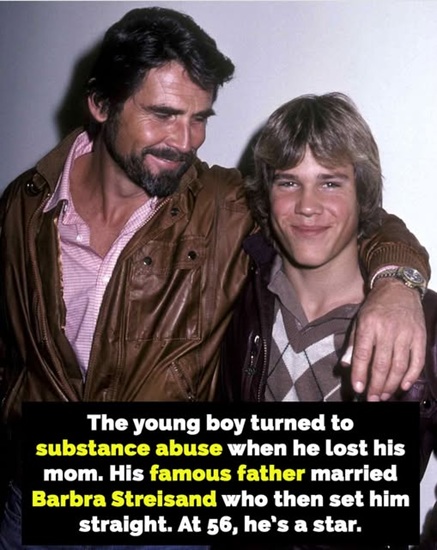
Josh Brolin’s father, James Brolin, is a celebrated actor in his own right, whose marriage to Barbra Streisand brought additional complexities to Josh’s family life. Streisand, a global icon known for her forthrightness and unwavering standards, became a stepmother whose influence would leave a profound mark on Brolin.
In his memoir, Brolin recounts moments of candid confrontation that, while initially shocking, proved to be essential for his personal development.
On one occasion, he asked for a glass of wine at the family home, to which Streisand replied bluntly, “Aren’t you an alcoholic?” While the comment might have felt harsh, Brolin eventually recognized it as a form of tough love—a candid intervention designed to force him to confront his self-destructive tendencies.
He reflects on Streisand’s approach with a mixture of humor and respect: “She always had a way of washing her tongue with a bulls*** cleanser before she talked with me.”
Her honesty, though sometimes uncomfortably blunt, reinforced the values of accountability, direct communication, and the importance of facing uncomfortable truths. These lessons were crucial in shaping his eventual commitment to sobriety and personal growth, demonstrating that tough love, when delivered with intention, can catalyze meaningful change.
Early Encounters with Addiction
Brolin’s struggles with substance use began early, revealing a vulnerability that would shadow much of his life. He experimented with marijuana at just nine years old and later with LSD at thirteen, experiences that marked the beginning of a complex and sometimes destructive relationship with drugs and alcohol.

His memoir delves into the psychological and social dynamics of these early encounters, offering insight into the pressures and curiosities that often accompany adolescence, particularly in households touched by fame, high expectations, and unconventional parenting.
Over time, these early choices escalated, leading to periods of serious addiction that would challenge his personal relationships, professional responsibilities, and physical and emotional health.
One transformative moment that catalyzed a shift in his life occurred at his grandmother’s deathbed. Arriving at the bedside of a woman who had lived nearly a century, Brolin found himself intoxicated, hungover, and deeply ashamed.
“I knew that was going to be the last time I drank,” he recalls. That moment crystallized his desire for change and a longer, more meaningful life—one in which he could truly participate, fully present, rather than numbing himself to existence.
The Journey to Sobriety
Since that pivotal turning point in 2013, Brolin has maintained sobriety, a commitment spanning more than a decade. Sobriety has allowed him to rediscover life’s richness, appreciating experiences, relationships, and achievements without the distortions of addiction.
He often emphasizes the practical benefits of sobriety: “I love being sober. I have more fun. There’s nothing that I go through that I am absolutely certain wouldn’t be worse if I was drinking.”
Sobriety has brought Brolin clarity, emotional depth, and a renewed connection to his family and craft. No longer constrained by the cyclical highs and lows of substance abuse, he approaches life with intention, presence, and a grounded understanding of his own values and priorities.
It has been a journey marked by humility, persistence, and an unwavering commitment to personal accountability.

Now in his mid-50s, Josh Brolin reflects on sobriety as not merely a cessation of drinking but as a profound shift in perspective—a liberation from the cycles of self-destruction that once defined much of his life.
Sobriety has offered him clarity, stability, and the ability to fully inhabit each moment. “I like getting older,” he has said in interviews. “It’s like a great excuse to finally go, ‘OK, just mellow out. You don’t need to constantly spin.’”
This mindset reflects a maturity forged in adversity. For Brolin, aging is not a limitation but a gift: an opportunity to embrace calm, cultivate mindfulness, and prioritize relationships and experiences over fleeting thrills.
He speaks of simple pleasures—the quiet enjoyment of a good meal, the warmth of family gatherings, the satisfaction of professional achievement—with a depth and gratitude that might have been impossible to access during years clouded by addiction.
Sobriety has also allowed Brolin to fully inhabit his identity as a father, a son, and a professional, fostering connections that were previously strained by the unpredictability of his behavior. His presence is now marked by intentionality, reliability, and empathy, qualities he describes as among the greatest rewards of this stage in his life.
A Career Defined by Versatility and Depth
Beyond personal transformation, Brolin has built a career that underscores his talent, resilience, and versatility. He has navigated Hollywood with a unique ability to inhabit diverse roles, from brooding antiheroes to larger-than-life figures, always grounding his performances in authenticity.
Some of his most iconic roles include:
- Llewelyn Moss in No Country for Old Men (2007), where Brolin brought a quiet intensity and moral complexity to the character, earning critical acclaim and cementing his status as a serious actor capable of handling psychologically intricate roles.
- Thanos in Avengers: Infinity War (2018) and Endgame (2019), where Brolin’s performance as the universe-altering villain combined gravitas, nuance, and an emotional depth that transformed a CGI character into one of the most memorable antagonists in modern cinema.
- Matt Graver in Sicario (2015), demonstrating his ability to balance charm, moral ambiguity, and ruthless pragmatism, creating a character that is both compelling and morally complex.
Throughout his career, Brolin has emphasized that professional success is not a shield from personal struggle. Behind the accolades and high-profile roles lies a man shaped by grief, addiction, and relentless self-reflection. His ability to thrive artistically while navigating private turmoil is a testament to resilience, discipline, and an unwavering commitment to his craft.
Family, Relationships, and the Power of Accountability
Family has played a central role in Brolin’s personal growth and perspective. His early life with his mother Jane instilled a respect for courage and resilience, while his experiences with stepmother Barbra Streisand reinforced the importance of accountability and direct communication.
These influences, combined with his own introspection, created a foundation for understanding adulthood and responsibility in ways that extend beyond conventional morality or social expectation.
Brolin’s own children have become a source of grounding, joy, and purpose. Fatherhood has provided him with a profound sense of responsibility, forcing him to confront the ways in which personal choices ripple outward to affect others.
He speaks candidly about the lessons of love, patience, and guidance that come with raising children, framing parenthood as both a privilege and a responsibility that demands integrity, self-awareness, and emotional availability.
Through the lens of family, Brolin has also reflected on the cyclical nature of struggle and recovery. Witnessing generational patterns of behavior, understanding the nuances of influence, and committing to positive change have all been essential in shaping the life he now leads. These lessons are not abstract; they are lived, practical, and deeply personal.
Addiction, Reflection, and Personal Growth
Brolin’s experiences with addiction form a throughline in his memoir, offering not just a narrative of struggle but a roadmap for transformation.
Early substance use, compounded by the pressures of fame and family dynamics, created a cycle of self-destructive behavior. Yet, the turning points—moments of realization, confrontation, and accountability—illustrate the human capacity for change.
Sobriety has allowed Brolin to reclaim his sense of self, navigate life’s challenges with clarity, and experience joy without the distortions imposed by alcohol. He emphasizes that recovery is not a singular achievement but a continual process, requiring vigilance, honesty, and commitment.
Through his memoir, he provides insight into the ongoing work required to maintain balance, offering readers a realistic, inspiring portrayal of what it takes to confront and overcome deeply ingrained habits.
His reflections are candid, sometimes painfully so, underscoring that personal triumph often emerges from the hardest struggles. The memoir does not shy away from the consequences of past choices; instead, it presents them as integral to the journey, illustrating how understanding, acceptance, and action can transform even the most tumultuous life.
Lessons from a Life Lived Fully
At its core, From Under the Truck is a meditation on life’s complexity. Brolin’s story demonstrates how childhood experiences, family dynamics, personal choices, and addiction intertwine to shape identity. It also shows that transformation and growth are always possible, even after years of difficulty.
Key lessons from Brolin’s life include:
- The Necessity of Self-Awareness – Recognizing patterns, understanding the impact of choices, and confronting uncomfortable truths are essential for personal development.
- The Value of Accountability – Honest feedback from loved ones, mentors, and even strangers can catalyze meaningful change.
- Resilience Through Adversity – Life’s challenges, while painful, are often the crucibles in which strength, clarity, and maturity are forged.
- Embracing Growth at Any Age – Transformation is not bound by youth. Brolin’s journey shows that midlife can be a period of profound discovery, renewal, and fulfillment.
- The Importance of Relationships – Family, friendships, and professional networks all shape who we are, and nurturing them requires honesty, presence, and care.
Brolin’s memoir is a testament to the fact that fame does not inoculate against pain, and that personal victories—sobriety, emotional growth, and meaningful relationships—are often far more significant than public accolades.
Looking Forward: Purpose, Clarity, and Resilience
Today, Josh Brolin approaches life with a focus on purpose, clarity, and mindful engagement. His career continues to thrive, his relationships remain strong, and his commitment to self-improvement and presence is unwavering. The lessons of his past are not burdens; they are guides, shaping a life that is both grounded and dynamic.
From Under the Truck invites readers into this journey, offering not just a memoir but a blueprint for resilience. Brolin demonstrates that even those who seem to have “it all” are capable of profound personal transformation, and that the path to fulfillment often runs through adversity, reflection, and unwavering honesty with oneself.
In sharing his story, Brolin provides an inspiring reminder: life’s most meaningful victories are often invisible to the public eye. Sobriety, personal growth, and the wisdom gained from confronting the most challenging chapters of existence are the achievements that endure—an enduring legacy far beyond the red carpets, the cameras, or the fleeting applause of fame.
Now in his mid-50s, Josh Brolin reflects on sobriety as not merely a cessation of drinking but as a profound shift in perspective—a liberation from the cycles of self-destruction that once defined much of his life.
Sobriety has offered him clarity, stability, and the ability to fully inhabit each moment. “I like getting older,” he has said in interviews. “It’s like a great excuse to finally go, ‘OK, just mellow out. You don’t need to constantly spin.’”
This mindset reflects a maturity forged in adversity. For Brolin, aging is not a limitation but a gift: an opportunity to embrace calm, cultivate mindfulness, and prioritize relationships and experiences over fleeting thrills. He speaks of simple pleasures—the quiet enjoyment of a good meal, the warmth of family gatherings, the satisfaction of professional achievement—with a depth and gratitude that might have been impossible to access during years clouded by addiction.
Sobriety has also allowed Brolin to fully inhabit his identity as a father, a son, and a professional, fostering connections that were previously strained by the unpredictability of his behavior. His presence is now marked by intentionality, reliability, and empathy, qualities he describes as among the greatest rewards of this stage in his life.
A Career Defined by Versatility and Depth
Beyond personal transformation, Brolin has built a career that underscores his talent, resilience, and versatility. He has navigated Hollywood with a unique ability to inhabit diverse roles, from brooding antiheroes to larger-than-life figures, always grounding his performances in authenticity.
Some of his most iconic roles include:
- Llewelyn Moss in No Country for Old Men (2007), where Brolin brought a quiet intensity and moral complexity to the character, earning critical acclaim and cementing his status as a serious actor capable of handling psychologically intricate roles.
- Thanos in Avengers: Infinity War (2018) and Endgame (2019), where Brolin’s performance as the universe-altering villain combined gravitas, nuance, and an emotional depth that transformed a CGI character into one of the most memorable antagonists in modern cinema.
- Matt Graver in Sicario (2015), demonstrating his ability to balance charm, moral ambiguity, and ruthless pragmatism, creating a character that is both compelling and morally complex.
Throughout his career, Brolin has emphasized that professional success is not a shield from personal struggle. Behind the accolades and high-profile roles lies a man shaped by grief, addiction, and relentless self-reflection.
His ability to thrive artistically while navigating private turmoil is a testament to resilience, discipline, and an unwavering commitment to his craft.
Family, Relationships, and the Power of Accountability
Family has played a central role in Brolin’s personal growth and perspective. His early life with his mother Jane instilled a respect for courage and resilience, while his experiences with stepmother Barbra Streisand reinforced the importance of accountability and direct communication.
These influences, combined with his own introspection, created a foundation for understanding adulthood and responsibility in ways that extend beyond conventional morality or social expectation.
Brolin’s own children have become a source of grounding, joy, and purpose. Fatherhood has provided him with a profound sense of responsibility, forcing him to confront the ways in which personal choices ripple outward to affect others.
He speaks candidly about the lessons of love, patience, and guidance that come with raising children, framing parenthood as both a privilege and a responsibility that demands integrity, self-awareness, and emotional availability.
Through the lens of family, Brolin has also reflected on the cyclical nature of struggle and recovery. Witnessing generational patterns of behavior, understanding the nuances of influence, and committing to positive change have all been essential in shaping the life he now leads. These lessons are not abstract; they are lived, practical, and deeply personal.
Addiction, Reflection, and Personal Growth
Brolin’s experiences with addiction form a throughline in his memoir, offering not just a narrative of struggle but a roadmap for transformation. Early substance use, compounded by the pressures of fame and family dynamics, created a cycle of self-destructive behavior.
Yet, the turning points—moments of realization, confrontation, and accountability—illustrate the human capacity for change.
Sobriety has allowed Brolin to reclaim his sense of self, navigate life’s challenges with clarity, and experience joy without the distortions imposed by alcohol. He emphasizes that recovery is not a singular achievement but a continual process, requiring vigilance, honesty, and commitment.
Through his memoir, he provides insight into the ongoing work required to maintain balance, offering readers a realistic, inspiring portrayal of what it takes to confront and overcome deeply ingrained habits.
His reflections are candid, sometimes painfully so, underscoring that personal triumph often emerges from the hardest struggles.
The memoir does not shy away from the consequences of past choices; instead, it presents them as integral to the journey, illustrating how understanding, acceptance, and action can transform even the most tumultuous life.
Lessons from a Life Lived Fully
At its core, From Under the Truck is a meditation on life’s complexity. Brolin’s story demonstrates how childhood experiences, family dynamics, personal choices, and addiction intertwine to shape identity. It also shows that transformation and growth are always possible, even after years of difficulty.
Key lessons from Brolin’s life include:
- The Necessity of Self-Awareness – Recognizing patterns, understanding the impact of choices, and confronting uncomfortable truths are essential for personal development.
- The Value of Accountability – Honest feedback from loved ones, mentors, and even strangers can catalyze meaningful change.
- Resilience Through Adversity – Life’s challenges, while painful, are often the crucibles in which strength, clarity, and maturity are forged.
- Embracing Growth at Any Age – Transformation is not bound by youth. Brolin’s journey shows that midlife can be a period of profound discovery, renewal, and fulfillment.
- The Importance of Relationships – Family, friendships, and professional networks all shape who we are, and nurturing them requires honesty, presence, and care.
Brolin’s memoir is a testament to the fact that fame does not inoculate against pain, and that personal victories—sobriety, emotional growth, and meaningful relationships—are often far more significant than public accolades.
Looking Forward: Purpose, Clarity, and Resilience
Today, Josh Brolin approaches life with a focus on purpose, clarity, and mindful engagement. His career continues to thrive, his relationships remain strong, and his commitment to self-improvement and presence is unwavering. The lessons of his past are not burdens; they are guides, shaping a life that is both grounded and dynamic.
From Under the Truck invites readers into this journey, offering not just a memoir but a blueprint for resilience. Brolin demonstrates that even those who seem to have “it all” are capable of profound personal transformation, and that the path to fulfillment often runs through adversity, reflection, and unwavering honesty with oneself.
In sharing his story, Brolin provides an inspiring reminder: life’s most meaningful victories are often invisible to the public eye. Sobriety, personal growth, and the wisdom gained from confronting the most challenging chapters of existence are the achievements that endure—an enduring legacy far beyond the red carpets, the cameras, or the fleeting applause of fame.
