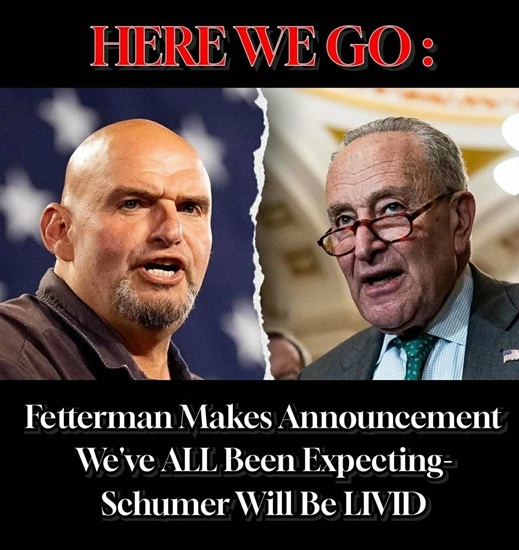
In early 2026, U.S. Senator John Fetterman of Pennsylvania found himself at the center of a national conversation that had quickly escalated into a highly charged debate about immigration enforcement, law enforcement transparency, and the safety of federal agents.
Fetterman, a widely recognized and outspoken figure in the Democratic Party, became a focal point after comments he made during a televised interview sparked vigorous discussion across media outlets, think tanks, and social media platforms.
While the initial question seemed operational and narrowly focused—should agents from U.S. Immigration and Customs Enforcement (ICE) conduct enforcement actions with their faces uncovered?—it rapidly evolved into a broader discussion about civil liberties, government accountability, and the ethical responsibilities of federal law enforcement in the United States.
The debate is situated against a complex and politically volatile backdrop. By early 2026, immigration enforcement had become one of the most contentious topics in American politics, amplified by ongoing political polarization, increased public scrutiny of law enforcement practices, and a series of high-profile incidents that had captured national attention. Central to the controversy were federal enforcement actions conducted under ICE and U.S. Customs and Border Protection (CBP), particularly operations in urban areas that had recently intensified under the Department of Homeland Security (DHS).

Historical and Policy Context
Understanding the significance of Fetterman’s remarks requires situating them within the broader trajectory of U.S. immigration policy and enforcement practices. Historically, federal immigration enforcement in the United States has oscillated between periods of strict enforcement and more permissive approaches, influenced by political priorities, international events, and domestic public opinion.
By 2026, the United States was experiencing an intensified phase of enforcement, with the Trump administration’s DHS pursuing more aggressive operations than in previous years. This included initiatives such as Operation Metro Surge, designed to target undocumented immigrants in major metropolitan areas, alongside routine border enforcement actions along the U.S.-Mexico border.
Several incidents in late 2025 and early 2026 heightened public awareness and scrutiny of these operations. Among the most notable was the fatal shooting of two American citizens by federal immigration agents in Minneapolis in January 2026.
These deaths catalyzed widespread protests and ignited a national conversation about the use of force in federal law enforcement, particularly in communities with high immigrant populations. Demonstrations ranged from peaceful marches and public forums to more disruptive forms of protest, including localized strikes and economic walkouts, reflecting deep societal tensions over enforcement methods, civil liberties, and the appropriate role of federal agencies in domestic affairs.
In response to these events, policymakers, advocacy groups, and local governments began to advocate for reforms designed to increase accountability, protect civil liberties, and reduce the risk of misconduct. Key proposals included measures such as:
- Mandatory officer identification and badge visibility: Ensuring that individuals interacting with federal agents could verify the identities of officers and report concerns if necessary.
- Body camera requirements: Recording enforcement actions to provide an accurate and impartial record of operations.
- Limits on face coverings during enforcement operations: Proposals aimed at enhancing transparency and public trust by requiring agents to operate visibly without masks or balaclavas, except in narrowly defined circumstances.
These reform efforts sparked a broader ideological debate. Supporters emphasized transparency, accountability, and the public’s right to observe government action. Critics, however, argued that some measures—particularly unmasking—could create substantial risks for federal agents and their families, exposing them to harassment, threats, or violent retaliation in a politically polarized environment.
Senator Fetterman’s Intervention
It was within this highly charged policy environment that Senator Fetterman entered the discussion during a nationally televised appearance on Fox News’ “The Sunday Briefing” in February 2026. The segment focused on the question of whether ICE officers should be required to remove face coverings during enforcement operations. While the debate on the network often leaned toward dramatizing policy proposals, Fetterman’s response was grounded in pragmatic concern for officer safety and the potential risks associated with public identification.

Fetterman acknowledged the legitimacy of public concern for accountability but emphasized that the security and well-being of federal agents could not be overlooked. He highlighted the growing practice of doxing, in which activists or hostile actors post identifying information about government employees online.
According to Fetterman, the exposure of officers’ identities could endanger not only the agents themselves but also their families, subjecting them to harassment, threats, or targeted campaigns of intimidation. He argued that such risks are particularly acute in a political climate marked by polarization, misinformation, and heightened social tension.
Importantly, Fetterman did not advocate for dismantling ICE, a position held by some progressive elements within the Democratic Party. Instead, he focused on reforming the agency to ensure operations were conducted safely and humanely.
He criticized certain DHS practices following incidents like the Minneapolis shootings, suggesting that the department’s leadership had contributed to a climate of mistrust and lacked adequate oversight mechanisms. Fetterman went as far as calling for the resignation of DHS Secretary Kristi Noem, citing mismanagement and the erosion of public confidence in federal enforcement practices.
At the same time, Fetterman’s stance highlighted divisions within his own party. While some Democrats were pressing for the abolition of ICE or radical restructuring, Fetterman supported maintaining the agency with reforms designed to protect civil liberties and ensure humane enforcement. His position underscored a nuanced, centrist approach: continued funding for federal security agencies, paired with strong oversight and policy change.
The Competing Norms: Safety Versus Accountability
At the heart of the masked agent debate are two competing norms: the imperative for public accountability and the need to protect federal officers from harm.
- Public Accountability and Community Trust
Advocates for unmasking argue that federal agents should operate visibly to reinforce public trust, ensure transparency, and provide an evidentiary record for potential misconduct. Proponents assert that visible identification—including badges, name tags, and unmasked faces—ensures that individuals understand they are interacting with official law enforcement. Such transparency is framed as essential in communities that have historically experienced tension with immigration authorities. Within the Democratic Party, unmasking is often discussed alongside broader reform measures, including judicial warrants for home entries and mandatory body cameras. - Officer Safety and Protection from Retaliation
Opponents of mandatory unmasking emphasize the real-world dangers federal agents face. In a politically polarized environment, agents who are publicly identified can become targets of harassment, threats, or doxing campaigns. Fetterman and others supporting protective measures argue that safety concerns are legitimate and should be carefully weighed alongside transparency. They contend that requiring officers to unmask in all situations could deter public service, put families at risk, and compromise operational effectiveness.
Fetterman’s perspective, therefore, frames the issue not as a binary choice but as a balancing act between transparency and protection, highlighting the challenges policymakers face in reconciling these objectives.
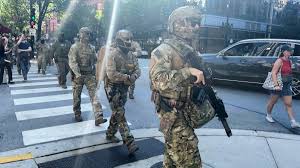
As the national conversation over masked federal agents unfolded, lawmakers at both the federal and state levels became increasingly engaged, reflecting the complexity and intensity of the debate. The question of whether ICE agents should conduct enforcement operations with their faces uncovered quickly transcended operational minutiae and became a symbolic touchstone for broader issues: civil liberties, governmental transparency, accountability, and public safety.
Federal Legislative Proposals
In Congress, the debate over masked agents intersected with annual deliberations on Department of Homeland Security (DHS) funding and broader immigration reform legislation. Multiple proposals were introduced in early 2026 aimed at increasing transparency and oversight while protecting the rights and safety of both officers and the communities they serve. Among the most prominent federal initiatives were:
- Visibility Requirements for Federal Agents: Several bills proposed mandating that federal agents display identification, badge numbers, and nameplates prominently during enforcement operations. These measures were designed to enable accountability in interactions with the public and provide clear records in the event of complaints or legal disputes. The rationale cited by supporters was that transparency not only fosters trust but also deters misconduct.
- Mandatory Body Cameras: Legislators introduced provisions requiring federal immigration agents to use body cameras during all enforcement activities. Advocates argued that such technology ensures an impartial record of events, protecting both officers and civilians, and reducing disputes over procedural compliance. Opponents expressed concern that body cameras alone could not fully mitigate the risks posed by publicly exposing officers’ identities, particularly in communities where online harassment or threats are prevalent.
- Restrictions on Facial Concealment: Some congressional proposals sought to limit or prohibit the use of masks or other face coverings, except under narrowly defined circumstances such as tactical operations or when officer safety was demonstrably at risk. Proponents contended that such policies would enhance public confidence in federal enforcement, while critics—including Fetterman—warned that blanket unmasking mandates could increase the risk of doxing, targeted harassment, and even physical attacks on officers or their families.
- Judicial Oversight Measures: Certain bills emphasized the requirement that federal agents obtain judicial warrants for home entries and certain enforcement actions, rather than relying on administrative authorizations. These proposals aligned with civil liberties advocacy groups’ calls for a stronger legal framework to prevent abuses of authority and ensure due process.
While the bills reflected diverse priorities within the Democratic Party and Congress as a whole, all faced intense scrutiny from both sides of the aisle. Republicans frequently framed the debate as a law-and-order issue, advocating for continued robust enforcement and protecting officers’ operational discretion. Meanwhile, progressive Democrats highlighted the need to prioritize civil liberties and community trust, arguing that unmasking and other transparency measures were essential for legitimacy and public confidence in government action.

State-Level Initiatives and Regional Variations
In addition to federal legislative efforts, several states became laboratories for policy experimentation regarding law enforcement transparency. States with significant immigrant populations, such as New Jersey, Minnesota, and California, considered or enacted proposals aimed at regulating the conduct of federal agents operating within their jurisdictions. Key examples include:
- Minnesota’s Mask Ban Proposal: In the wake of the Minneapolis enforcement incidents, local activists and some legislators advocated for a law prohibiting all law enforcement officers, including federal agents, from wearing masks during operations conducted within the state. Proponents argued that visible identification is critical to ensuring accountability, particularly in cases involving enforcement of civil immigration violations. Opponents warned that such legislation could conflict with federal authority and compromise officer safety, highlighting tensions between state-level oversight and the constitutional role of federal agencies.
- New Jersey Transparency Measures: Lawmakers introduced bills that would require federal officers to prominently display identification and use body cameras when conducting enforcement actions in local communities. These measures were framed as both a civil liberties safeguard and a mechanism for enhancing public trust, particularly in urban areas with large immigrant populations.
- California’s Oversight Proposals: California legislators considered policies emphasizing judicial authorization for home entries and limiting aggressive enforcement tactics in densely populated communities. While these proposals did not explicitly ban masks, they were part of a broader suite of measures aimed at balancing enforcement needs with community safety and civil rights protections.
These state-level initiatives illustrate the decentralized nature of the U.S. federal system, where states can influence the behavior of federal agents operating locally, even as questions about preemption and constitutional authority remain contested. The patchwork of proposed regulations also underscored the complexity of managing nationwide immigration enforcement in a politically polarized environment.
Divisions Within the Democratic Party
Fetterman’s comments brought to light not only the practical dimensions of the masked agents debate but also deep divisions within the Democratic Party itself. These divisions reflect a spectrum of perspectives on immigration enforcement, law enforcement legitimacy, and the role of government in protecting both civil liberties and national security.
- Progressive Faction: This group emphasizes transformative reform or abolition of ICE, arguing that aggressive federal enforcement has systematically undermined immigrant communities, violated civil liberties, and contributed to mistrust of government institutions. Advocates within this faction often support policies such as banning masks during enforcement actions, mandatory judicial warrants, and the deployment of body cameras. For them, transparency and public accountability are paramount, even if additional protective measures for officers are necessary.
- Centrist and Pragmatic Faction: Moderates, including Fetterman, take a nuanced approach. They emphasize maintaining a functional federal enforcement apparatus while implementing targeted reforms to increase accountability, reduce excessive use of force, and ensure humane treatment of detainees. This group recognizes the importance of protecting officers’ safety from retaliation, harassment, and doxing, arguing that practical safeguards must be incorporated alongside transparency measures.
- Mixed Approach Advocates: Other lawmakers, such as Representative Marie Gluesenkamp Perez of Washington, have articulated positions that seek to reconcile these priorities. They support continued funding for ICE and DHS, but call for leadership reforms, increased oversight, and operational changes to prevent abuses. These lawmakers often serve as bridges between progressive and centrist perspectives, promoting incremental reforms rather than sweeping institutional changes.
The resulting debate has created a dynamic within the Democratic Party where ideological purity, practical governance, and individual lawmakers’ risk assessments intersect, often leading to nuanced but politically vulnerable positions. Fetterman’s stance—supporting masked agents for safety reasons while advocating for accountability and reform—illustrates the challenges faced by lawmakers seeking balance in highly polarized policy arenas.

Public and Political Reactions
The public response to Fetterman’s remarks and the broader debate has been diverse and intense. Advocacy groups, media commentators, and civic organizations have weighed in, reflecting the breadth of opinion on these issues:
- Supporters of Transparency and Reform: Critics of masked enforcement argue that unmasking agents is essential for building public trust. They contend that the concealment of officers’ faces fosters suspicion, reduces accountability, and undermines confidence in federal operations. Civil liberties organizations have highlighted the symbolic importance of unmasking as part of a broader strategy to protect communities from abuse.
- Supporters of Officer Safety: Other observers echoed Fetterman’s concerns, pointing to the real risk that identified officers could be subjected to doxing, harassment, or threats. Law enforcement analysts note that while comprehensive public data on such incidents is limited, anecdotal evidence and internal reports indicate an increase in online targeting of federal agents in recent years. Supporters of masked enforcement argue that protecting officers and their families is a legitimate and pressing concern.
- Media Coverage and Public Discourse: News outlets across the political spectrum have highlighted Fetterman’s remarks, framing them within the larger debate over immigration enforcement, civil liberties, and partisan politics. Social media discussions have amplified both praise and criticism, demonstrating the rapid proliferation of perspectives in a digital-first information environment.
- Statements from Law Enforcement Leadership: Senior homeland security advisors, including figures such as Tom Homan, have publicly acknowledged the tension between transparency and safety. While some express personal preference for unmasked operations, they concede that officers face credible threats, underscoring the practical challenges of policy implementation in the field.
The response to the masked agent debate illustrates how operational details can become symbols of broader societal questions. Decisions about whether agents should cover their faces are not simply tactical—they reflect competing priorities around trust, accountability, and protection in a politically polarized nation.
As the debate over masked ICE agents continued through 2026, its significance extended far beyond the immediate operational question of facial concealment.
What might have appeared initially as a narrow procedural issue evolved into a touchstone for national conversations about law enforcement legitimacy, civil liberties, the future of immigration policy, and the broader relationship between government and the public in an era of political polarization. Senator John Fetterman’s intervention in this discussion illuminated the complex interplay of safety, transparency, and institutional trust in contemporary governance.
The Symbolic Weight of Masked Enforcement
While the question of whether federal agents should wear masks during enforcement actions is technical, it became symbolic in multiple ways:
- Trust in Government Institutions: Masked agents, especially in community settings, can convey an image of secrecy or intimidation. Critics argue that this perception erodes public trust, particularly among immigrant communities that may already feel vulnerable. In this context, unmasking is viewed not merely as a safety protocol but as a signal that federal enforcement is conducted with transparency and accountability.
- Civil Liberties and Accountability: The debate taps into broader constitutional and civil liberties concerns. Clear identification of law enforcement officers allows citizens to hold agencies accountable for misconduct, supports due process, and ensures that actions taken under federal authority can be scrutinized both legally and publicly. Advocates of unmasking emphasize that transparency strengthens democracy by making government officials answerable to the communities they serve.
- Officer Safety and Retaliation Risks: For agents themselves, masks and other facial coverings represent a necessary measure of personal protection in an increasingly polarized society. Senator Fetterman’s emphasis on safety reflects documented concerns about online harassment, doxing campaigns, and politically motivated threats targeting federal employees. While critics may view masking as an obstacle to accountability, supporters frame it as a pragmatic response to legitimate risk.
Thus, the debate over masked agents serves as a microcosm for broader societal questions: How can the United States reconcile the need for transparency with the obligation to protect those who carry out public duties? How should lawmakers weigh civil liberties against operational safety in sensitive areas such as immigration enforcement?
Implications for Federal and State Governance
The controversy also underscores the challenges inherent in governing a decentralized, federal system where operational details can become points of national contention. Key governance implications include:
- Federal-State Tensions: State-level legislation regulating law enforcement conduct, such as mask bans, has highlighted the potential for conflict between state authority and federal prerogatives. While states have legitimate interests in protecting their residents and ensuring civil liberties, the Supremacy Clause of the U.S. Constitution gives federal agencies substantial authority to execute national laws. Balancing these powers requires careful negotiation, legal clarity, and sometimes judicial intervention.
- Operational Policy Development: Agencies like ICE and CBP must continuously adapt policies to reflect evolving threats, legal frameworks, and public expectations. Decisions about facial concealment, use of technology, and enforcement practices are not only tactical but also strategic, influencing public perception, operational effectiveness, and the willingness of individuals to enter federal service.
- Legislative Oversight and Reform: The debate has accelerated discussions around congressional oversight of immigration enforcement. Lawmakers are increasingly exploring mechanisms to monitor agency operations, ensure adherence to civil liberties, and codify safety measures for officers. The tension between oversight and operational discretion exemplifies the broader challenge of governing in a complex, politically polarized environment.
Societal and Political Repercussions
The discussion of masked ICE agents has implications that extend to the broader social and political landscape:
- Polarization and Public Opinion: The issue has highlighted deep divisions in public opinion, reflecting the larger polarization of American politics. Individuals’ perspectives on law enforcement, civil liberties, and national security often intersect with partisan identities, influencing how operational questions like masking are interpreted. Fetterman’s nuanced stance—supporting safety while advocating for accountability—illustrates the difficulty of pursuing middle-ground policies in a highly polarized environment.
- Community Relations: Immigrant communities and civil liberties organizations closely monitor enforcement practices. How federal agents operate, including whether they wear masks, can influence trust in law enforcement, willingness to report crimes, and participation in civic life. Policies perceived as overly aggressive or opaque can exacerbate fear and alienation, while transparent and community-sensitive practices can foster cooperation and legitimacy.
- Media Amplification and Social Discourse: Modern media ecosystems, particularly social media platforms, amplify debates around law enforcement practices. Even operational minutiae such as facial coverings can become viral topics, shaping national discourse, influencing public perception, and applying political pressure on lawmakers and agency officials.
Senator Fetterman’s Role and Policy Philosophy
Senator Fetterman’s involvement in the debate illustrates a broader approach to policymaking grounded in pragmatism, public safety, and independent judgment. By emphasizing the real risks faced by federal agents while supporting accountability reforms, Fetterman demonstrates a political philosophy that:
- Recognizes the operational realities and personal risks inherent in law enforcement.
- Balances civil liberties, community trust, and procedural transparency.
- Challenges simplistic partisan positions, reflecting a willingness to diverge from ideological orthodoxy when practical governance requires nuance.
Fetterman’s stance has contributed to framing the national conversation in a way that encourages policymakers to consider multiple dimensions of enforcement policy, rather than focusing solely on symbolic or partisan positions.
Looking Ahead: Policy, Trust, and the Future of Immigration Enforcement
The debate over masked ICE agents is unlikely to conclude quickly. As Congress negotiates DHS funding and considers broader immigration reform, operational questions such as face coverings will remain salient due to their symbolic and practical importance. Key considerations for the future include:
- Developing Balanced Operational Policies: Federal agencies will need to craft clear guidelines that reconcile transparency, accountability, and officer safety. This may involve nuanced criteria for when masking is permitted, the use of technology for verification, and standardized procedures for community engagement.
- Strengthening Oversight Mechanisms: Continued legislative oversight and internal agency reforms will be critical in ensuring that enforcement practices comply with civil liberties and due process standards. Body cameras, judicial warrants, and publicly accessible complaint processes may play essential roles in building trust.
- Managing Federal-State Relations: States with large immigrant populations may continue experimenting with legislation affecting federal operations. Ongoing dialogue, coordination, and judicial guidance will be necessary to maintain both lawful authority and community protection.
- Addressing Public Perception and Political Polarization: How federal agencies communicate operational practices, safety measures, and accountability protocols will significantly impact public perception. Proactive transparency, community outreach, and clear messaging can help mitigate polarization and build legitimacy.
- Implications for Civil Service Recruitment: Officer safety concerns, including exposure to harassment and doxing, may influence recruitment and retention within federal enforcement agencies. Policies that address these risks while maintaining accountability are likely to affect the long-term composition and effectiveness of the federal workforce.
Conclusion
The discussion surrounding masked ICE agents in 2026 is far more than a question of whether federal employees should reveal their faces during enforcement operations. It represents a convergence of public accountability, civil liberties, officer safety, and societal trust in government institutions.
Senator John Fetterman’s intervention exemplifies the complexities of policymaking in a polarized environment: acknowledging legitimate risks faced by federal agents while advocating for reforms that enhance transparency, due process, and community confidence.
This debate serves as a case study in modern governance, illustrating how operational details—once considered purely technical—can become symbolic touchstones for larger questions about democracy, civil rights, and the balance of power between government and society.
As lawmakers, communities, and law enforcement professionals continue to grapple with these challenges, the conversation initiated by Fetterman’s remarks is likely to shape the future of immigration enforcement, federal accountability, and the broader dialogue on the role of government in protecting both public safety and civil liberties.
In sum, what began as a discussion over face coverings has evolved into a comprehensive national debate touching every aspect of law enforcement, policy design, and public trust—a debate that will inform how the United States navigates the delicate balance between transparency and protection in the years to come.