
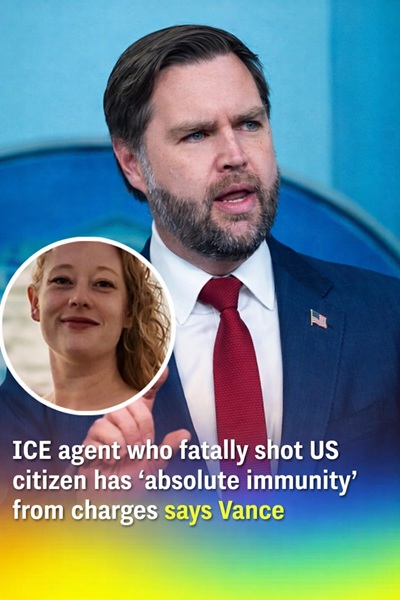
Vice President JD Vance recently stated that the ICE agent involved in the death of 37-year-old Renee Nicole Good in Minnesota will not face criminal charges.
Igniting a heated debate over federal immunity, law enforcement accountability, and state-federal jurisdiction. Speaking to reporters on Thursday.
Vance emphasized that the agent possesses “absolute immunity,” a legal doctrine that shields federal officers from prosecution when performing duties within the scope of their official responsibilities
. According to Vance, the officer was “doing his job” during the encounter, and any attempts by Minnesota authorities to pursue criminal charges were “preposterous.” He argued that because the operation was conducted under federal law enforcement protocols, jurisdiction falls exclusively under federal authorities, effectively barring state-level intervention in the case.
The comments by Vance came amid growing criticism from state officials, advocacy groups, and members of the public who have demanded a more transparent investigation.

The Minnesota Bureau of Criminal Apprehension (BCA), the state agency typically responsible for investigating serious incidents involving law enforcement, reported that it was denied access to crucial evidence and investigative processes.
Superintendent Drew Evans confirmed that the U.S. attorney’s office explicitly barred state investigators from participating, leaving the Federal Bureau of Investigation (FBI) with exclusive control over the case.
According to Evans, this restriction prevented the BCA from reviewing surveillance footage, interviewing witnesses, collecting physical evidence independently, or conducting its own evaluation of the circumstances. State officials described this limitation as unprecedented in scope and argued that it undermined public confidence in the investigation.
Federal authorities have maintained that the encounter in question was a legitimate law-enforcement action. According to the Department of Homeland Security, Renee Nicole Good “weaponized her vehicle,” and the incident has been characterized as an act of domestic terrorism by federal officials.
President Donald Trump echoed this framing during public statements, emphasizing the perceived threat posed to ICE personnel. The classification of the incident as a federal law enforcement matter, and the associated legal protections for agents, has fueled significant controversy in Minnesota and nationally.
Advocates for Good, local officials, and civil rights groups have challenged the narrative, arguing that federal immunity should not preclude accountability when a civilian loses their life during an operation.
Minneapolis Mayor Jacob Frey was among the leading voices disputing the federal characterization. Mayor Frey criticized the ICE agent’s actions as reckless, asserting that the officer failed to exercise appropriate caution and questioning claims that the use of lethal force was justified.
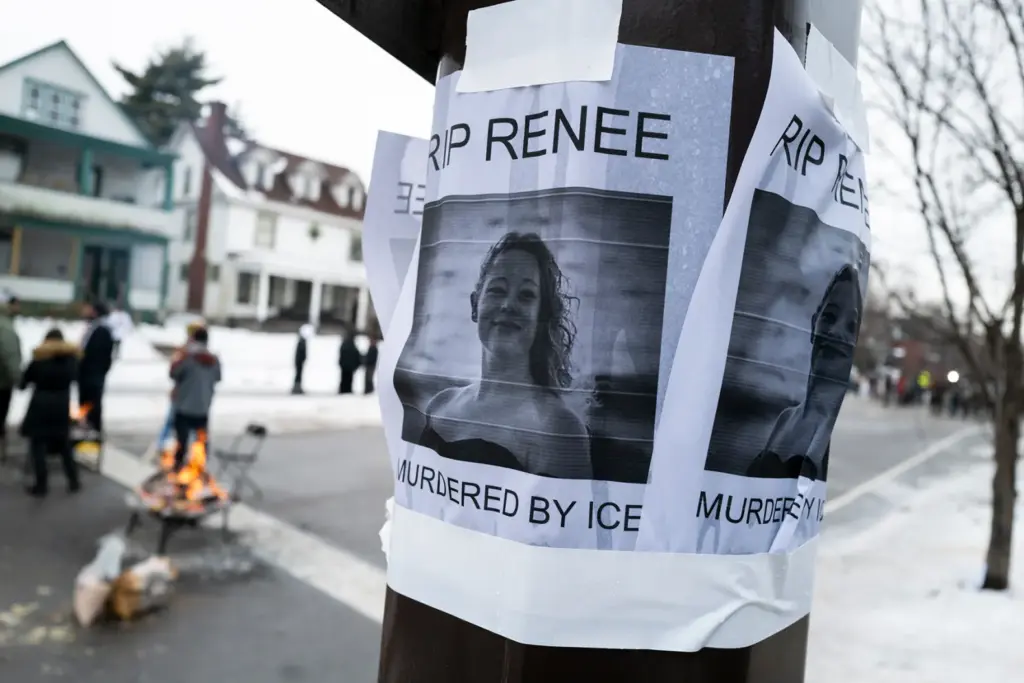
He maintained that the official account of the event, which portrays Good as the aggressor, did not align with eyewitness reports and available preliminary evidence.
Frey and other city leaders have demanded an independent, transparent review to ensure public trust and accountability, highlighting the tension between municipal oversight and federal authority.
The circumstances surrounding Renee Nicole Good’s death have also raised broader questions about intergovernmental cooperation in law enforcement operations.
Traditionally, state agencies are allowed to participate in investigations where civilian deaths occur, even if federal personnel are involved. This oversight ensures that multiple perspectives are considered, evidence is thoroughly reviewed, and investigative findings are publicly accountable.
The restriction placed by the U.S. attorney’s office has prompted debates about the scope of federal immunity and the potential implications for similar cases in the future.
Critics argue that limiting state participation creates an appearance of opacity, potentially eroding public confidence in both federal law enforcement and the broader justice system.
Legal experts have highlighted that “absolute immunity” is a well-established principle, designed to protect federal officers who act within the scope of their duties from civil or criminal liability. While this doctrine provides broad protections, it is not absolute in every context.
Scholars note that immunity applies primarily when officers are performing lawful duties, following established protocols, and acting without gross negligence or intentional misconduct.
The current situation has prompted legal scholars and commentators to debate the boundaries of this protection, particularly in high-stakes scenarios involving the use of lethal force.
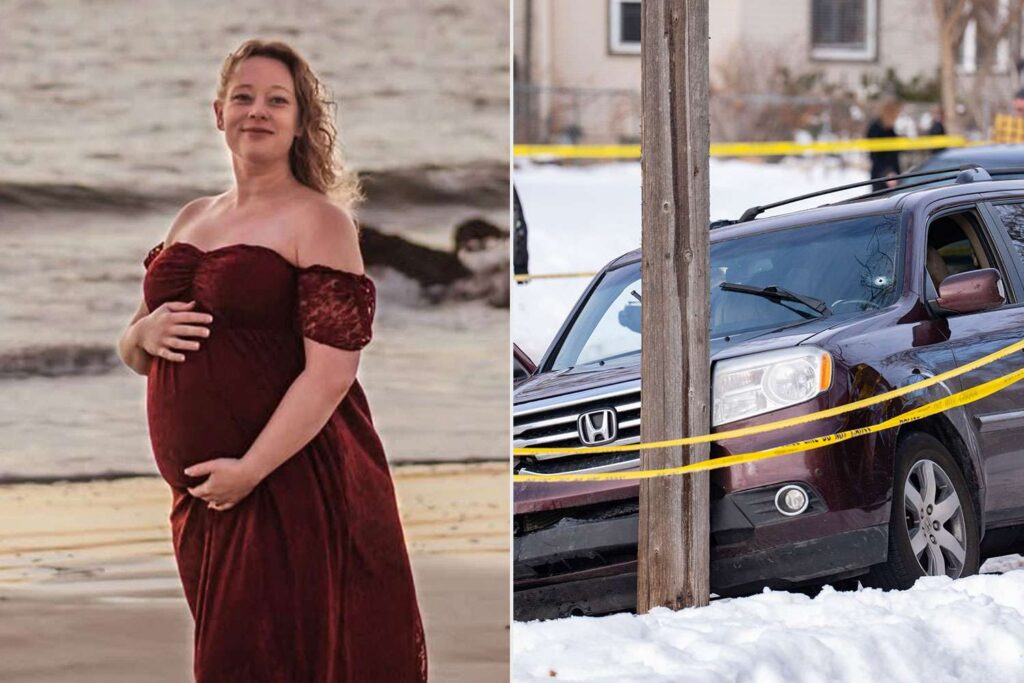
The case has become a reference point in discussions of federal law enforcement powers, oversight mechanisms, and the balance between operational authority and civilian safety.
Public reaction has been intense and polarized. Advocacy groups, civil liberties organizations, and local residents have expressed outrage over the decision to grant immunity and limit state participation in the investigation.
Many argue that the federal characterization of Good’s actions as a terrorist threat ignores contextual nuances and may set a troubling precedent for future encounters involving civilians and federal officers.
Conversely, supporters of the ICE agent maintain that law enforcement personnel often face life-threatening situations requiring split-second decisions, and that immunity protections are essential to allow them to perform their duties without fear of constant prosecution or harassment.
This divide has fueled protests, media coverage, and public commentary, illustrating the broader societal tensions surrounding federal immigration enforcement, policing authority, and civil rights.
The case also underscores historical tensions between federal law enforcement agencies and state or local authorities. In Minnesota, past incidents involving federal operations have occasionally sparked disputes over access, transparency, and accountability.
Legal precedents establish that federal officers enjoy certain protections, yet the lack of coordinated oversight can exacerbate mistrust, particularly in communities that are already wary of federal enforcement activities.
In the current scenario, the exclusive control granted to the FBI has intensified calls for reform, transparency, and mechanisms that allow for independent review without undermining operational authority.
The controversy surrounding Renee Nicole Good’s death has also sparked an intense political debate, highlighting the fraught intersection between federal authority, state oversight, and public accountability.
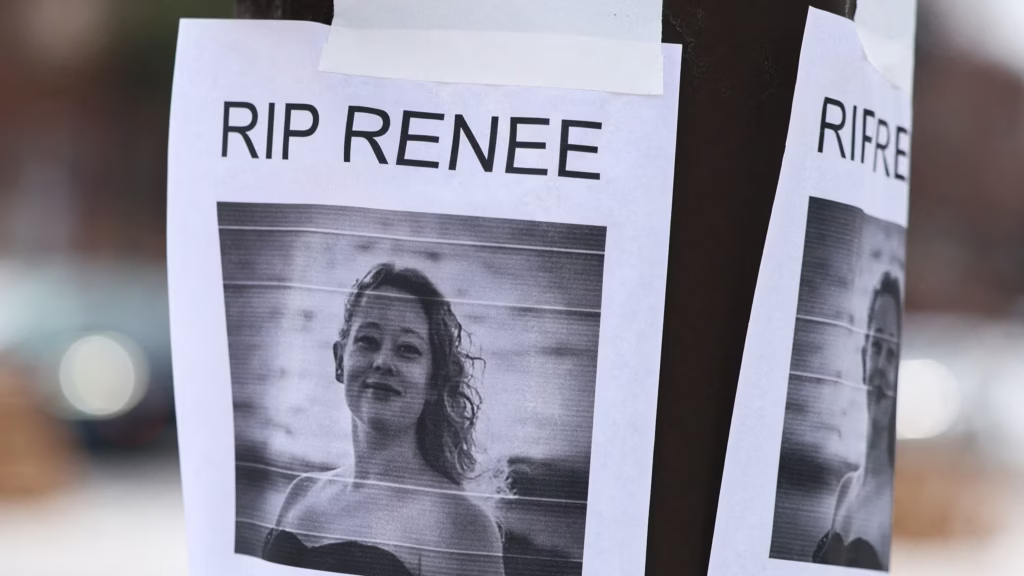
Vice President JD Vance’s comments, asserting the agent’s “absolute immunity,” have been interpreted by critics as dismissive of state authority and civil concerns. Minnesota lawmakers, including members of the state legislature and local officials, have called for increased transparency, arguing that immunity protections should not be interpreted as a shield against public scrutiny when civilian deaths occur.
This clash underscores a fundamental tension in American federalism: while federal officers are granted protections to perform their duties effectively, local and state governments bear responsibility for the safety and trust of their communities.
The legal precedent for absolute immunity is clear, yet controversial. Courts have historically recognized that federal officers acting within the scope of their official duties are generally protected from civil and criminal liability.
This principle is intended to prevent officials from hesitating in critical moments due to fear of prosecution, particularly in law enforcement scenarios where decisions must be made in seconds. However, legal scholars note that the doctrine is not limitless.
If an officer acts with gross negligence, intentionally violates the law, or steps outside the bounds of official authority, immunity may be challenged in court.
The current case has reignited debate over where the line should be drawn between operational discretion and accountability, particularly in incidents involving lethal force.
Public response to the case has been polarized. Many civil rights groups, activists, and local residents have expressed outrage, emphasizing that the denial of state investigative access undermines trust in the justice system. Critics argue that without independent oversight, investigations risk being one-sided, potentially leaving crucial details unexamined.
Conversely, supporters of the ICE agent argue that federal law enforcement personnel face high-risk situations daily and must operate under clear legal protections to perform their duties effectively.
These opposing perspectives highlight the broader national conversation about immigration enforcement, policing, and civil liberties, reflecting deeply held divisions in public opinion.

The incident has also drawn attention to the operational protocols of ICE and other federal law enforcement agencies. Federal authorities have defended the agent’s actions as consistent with training and standard procedures, asserting that the use of force was justified in response to perceived threats.
The Department of Homeland Security labeled Renee Nicole Good’s actions as “weaponizing her vehicle,” a characterization intended to contextualize the encounter within law enforcement risk assessment.
This framing, however, has been challenged by city officials, including Minneapolis Mayor Jacob Frey, who contended that the agent acted recklessly and that claims of self-defense were overstated.
The conflicting narratives between federal and local authorities have amplified public scrutiny and fueled calls for more robust, independent investigative mechanisms.
Historically, incidents involving federal officers and civilian deaths have been rare but highly scrutinized. Previous cases involving border patrol, ICE, and FBI operations have occasionally raised questions about transparency, jurisdiction, and the application of immunity.
In many instances, state and local authorities have sought access to investigative materials to ensure that civilians’ rights are protected and that justice is perceived as impartial. In the Good case, however, the U.S. attorney’s office explicitly barred state investigators from participating, citing federal jurisdiction and operational security concerns.
This decision has prompted legal and policy discussions about the adequacy of current oversight frameworks and whether reforms are needed to balance officer protection with public accountability.
The broader political implications of the case are significant. JD Vance’s remarks, positioning the ICE agent as fully immune and the investigation as solely a federal matter, have been interpreted by some as aligning with a broader federal narrative that prioritizes law enforcement authority over local scrutiny.
Critics argue that such positions risk eroding public trust, particularly in communities that have historically experienced strained relationships with federal enforcement agencies.
Supporters, conversely, contend that strong legal protections for federal officers are essential for maintaining operational effectiveness and ensuring that agents can act decisively in high-risk situations without fear of legal reprisal.
Media coverage has further intensified the debate. News outlets, social media platforms, and advocacy organizations have all amplified the story, emphasizing different aspects depending on perspective.
Some coverage has highlighted procedural concerns, including the lack of state access to evidence and interviews, while other reporting has focused on the perceived threat posed to the agent and the legal justifications for immunity.
The widespread dissemination of conflicting narratives has contributed to a highly charged public discourse, demonstrating how incidents involving federal officers, civilian casualties, and questions of immunity can rapidly escalate into national attention.
In terms of accountability mechanisms, legal scholars and policymakers have suggested potential reforms to address situations like this. Recommendations include creating joint federal-state investigative task forces for incidents resulting in civilian deaths, establishing independent review boards with subpoena power, and enhancing transparency measures for federal operations in local jurisdictions.
Such proposals aim to preserve the necessary legal protections for federal officers while ensuring that the public retains confidence in the fairness and thoroughness of investigations.
Ultimately, the case of Renee Nicole Good illustrates the complex interplay between law, policy, and public perception. While federal law provides ICE agents with broad immunities to protect their operational effectiveness, the denial of state investigative access raises questions about oversight, transparency, and accountability.
The legal principles at play are well-established, but the human, political, and societal dimensions of the incident continue to provoke debate.
Community leaders, civil rights advocates, and legal experts all emphasize the importance of ensuring that civilian deaths are investigated thoroughly, independently, and transparently, regardless of jurisdiction.
As investigations continue, the national conversation surrounding the case is likely to persist. The tensions between federal authority and state oversight, the scope of absolute immunity, and the balance between officer protection and public trust are all central issues with broader implications for future law enforcement operations.
For Minnesota residents, Renee Nicole Good’s death remains a deeply personal and highly scrutinized event, symbolizing both the risks inherent in federal law enforcement and the urgent need for clear accountability frameworks.
