
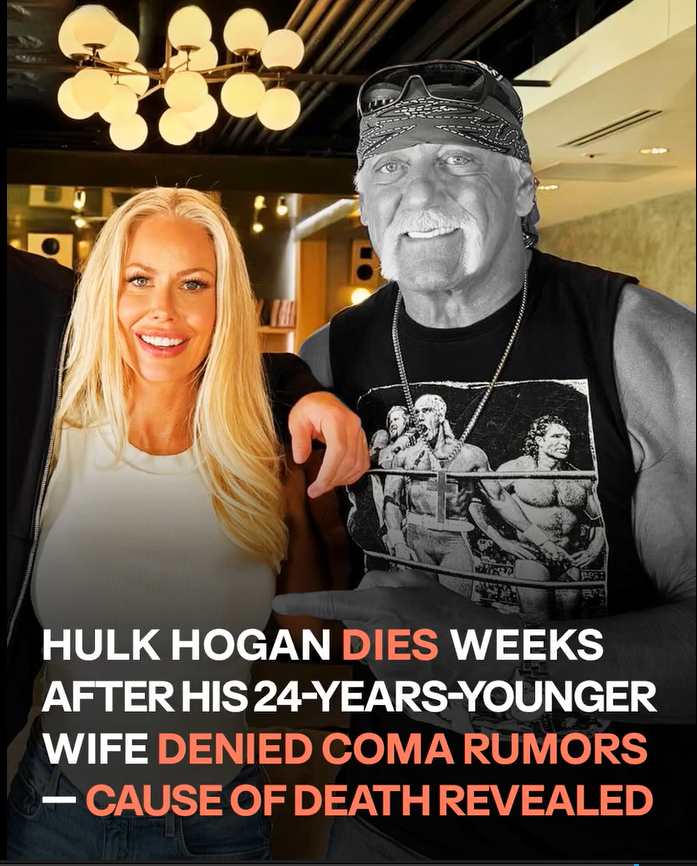
The world of professional wrestling and entertainment is mourning the loss of one of its most iconic figures. Hulk Hogan, a towering presence both in and out of the ring, passed away at seventy-one, leaving an enduring legacy.
Hogan, born Terry Eugene Bollea on August 11, 1953, in Augusta, Georgia, became a symbol of strength, perseverance, and showmanship.
His combination of athleticism, charisma, and storytelling transformed professional wrestling into a global phenomenon for decades.
On July 24, 2025, Hogan suffered cardiac arrest at his Clearwater, Florida home. Despite immediate medical attention, including emergency responders rushing him to the hospital, he could not be revived, shocking fans and colleagues worldwide.

Hogan’s health had been a subject of public concern for years. Over a decade, he underwent more than twenty-five major surgeries, including back, knee, hip, shoulder, and neck procedures, demonstrating remarkable resilience and determination.
In the weeks prior to his death, speculation about Hogan’s declining health resurfaced after a Florida radio host claimed his family was preparing for the worst. Representatives promptly dismissed these reports, though his condition had quietly worsened behind the scenes.
Hogan’s wife, Sky Daily Hogan, reassured fans that he remained active, engaged, and enjoying daily routines. She emphasized that, despite medical history and surgeries, Hogan continued to share his legacy, charity work, and mentorship with younger wrestlers.
Hogan’s journey from a small-town athlete to international superstar is one of dedication, perseverance, and reinvention. His early training and love for bodybuilding provided the foundation for a wrestling career that would span decades.
He made his professional debut in the late 1970s, quickly gaining attention for his towering frame, striking persona, and undeniable charisma. Promoters and fans alike recognized his potential to transcend wrestling and achieve mainstream recognition.

By the 1980s, Hogan became synonymous with “Hulkamania,” a phenomenon that included television appearances, merchandise, and worldwide fame. His catchphrases and signature gestures created a cultural movement, attracting children, families, and casual viewers alike.
Hogan revolutionized wrestling by introducing family-friendly storytelling, larger-than-life characters, and memorable match narratives. His charisma and ability to connect with fans helped WWE achieve unprecedented television ratings and global influence.
Signature moves, such as the leg drop and running big boot, became synonymous with his name. His wrestling style combined athletic precision, dramatic flair, and crowd engagement, ensuring matches were both entertaining and emotionally impactful.
Hogan’s rivalries with legendary wrestlers, including Andre the Giant, Randy Savage, and The Ultimate Warrior, remain iconic moments in sports entertainment. These clashes combined athletic skill with dramatic storytelling, captivating millions of fans worldwide.
Outside the ring, Hogan expanded into film, television, and endorsements. His appearances in movies such as Rocky III, reality shows like Hogan Knows Best, and promotional campaigns broadened his influence beyond wrestling, cementing his place in popular culture.
Despite commercial success, Hogan faced personal and public challenges. Controversies, lawsuits, and media scrutiny tested his resilience, yet he consistently returned to the spotlight, demonstrating perseverance and adaptability, maintaining relevance through decades of entertainment evolution.

Hogan also became an international superstar, touring extensively in Japan, Europe, and Latin America. International audiences embraced his persona, reinforcing his status as the first global icon of professional wrestling.
Throughout the 1990s, Hogan remained a centerpiece of WWE programming. He headlined multiple WrestleMania events, drawing enormous crowds and pay-per-view buys, demonstrating his enduring appeal and ability to energize audiences even decades into his career.
Fans often noted Hogan’s storytelling abilities, where victories, betrayals, and personal journeys were dramatized in-ring. His capacity to emotionally connect with audiences created communal experiences that transcended traditional wrestling entertainment.
Hogan’s influence extended beyond performance. His philanthropy supported children’s hospitals, community outreach programs, and charitable initiatives, showcasing the positive impact a public figure could have on society beyond entertainment.
Merchandising innovations under Hogan’s brand revolutionized sports entertainment. Action figures, apparel, posters, and media campaigns under the “Hulkamania” banner became a template for character-driven marketing, influencing both wrestling and broader pop culture industries.
Hogan mentored emerging wrestlers, sharing guidance on performance, professionalism, and audience engagement. Many contemporary stars credit him with inspiring their careers, citing his dedication and example as instrumental in their development.

Television appearances further reinforced Hogan’s popularity. Talk shows, specials, and WWE programming brought his charisma into millions of homes, expanding his influence and ensuring he remained a household name across generations.
Hogan’s family often shared glimpses into his personal life. Children and spouse offered insight into his routines, philanthropic endeavors, and mentorship, humanizing the icon and providing a connection between fans and the man behind the persona.
Hogan’s resilience in overcoming injuries and surgeries inspired admiration. Despite decades of physical strain, he consistently returned to the ring, demonstrating unwavering commitment to his craft and fans, while transforming personal challenges into motivational narratives.
Hogan’s passing marks the end of a cultural era. Wrestlers, fans, and the sports entertainment industry reflect on his unparalleled influence, acknowledging a figure whose charisma, skill, and dedication redefined professional wrestling.
Tributes across social media poured in from colleagues and fans. Videos, personal memories, and messages praised Hogan’s contributions, mentorship, and entertainment legacy, illustrating the profound emotional impact of his career on millions of people worldwide.
His death reminds the world of life’s fragility. Even larger-than-life performers face health vulnerabilities. Hogan’s history of surgeries and physical strain underscores the demands and risks inherent in professional wrestling.

WWE issued a statement honoring Hogan as a “trailblazer” and “legend,” highlighting his role in popularizing wrestling globally and inspiring countless performers, while celebrating his charismatic presence that left fans captivated for decades.
Fellow wrestlers reflected on Hogan’s career, praising his dedication, integrity, and generosity. Both on-screen and behind the scenes, Hogan’s guidance and professionalism influenced future generations, ensuring the longevity of his impact within the wrestling world.
Fans shared personal stories of inspiration, recounting childhood memories of Hogan’s matches and appearances. The unity he created among diverse audiences demonstrates the enduring emotional resonance of his performances across generations.
Hogan’s ventures outside wrestling further solidified his cultural influence. Acting, reality television, and promotional appearances allowed him to remain relevant while preserving his iconic wrestling identity and extending his legacy beyond the ring.
The sudden nature of his passing prompted reflection on legacy, mortality, and the lasting influence of public figures. Colleagues and fans alike celebrated his achievements while mourning the irreplaceable void left by his absence.
Hogan’s persona—heroic, magnetic, and larger-than-life—remains etched in cultural memory. His ability to inspire, entertain, and connect emotionally continues to influence sports entertainment and broader popular culture decades after his debut.
From signature wrestling moves to motivational speeches, Hogan’s contributions to the sport are legendary. His storytelling elevated matches into unforgettable experiences, creating moments that endure in fans’ memories around the world.
Hogan’s career achievements include championship titles, iconic rivalries, and historic appearances, reflecting his skill, dedication, and ability to elevate wrestling as a respected form of entertainment, leaving an indelible mark on the industry.
His engagement with fans fostered participatory culture. Catchphrases, chants, and interactive gestures united audiences, creating shared experiences that transformed live events into communal celebrations of both performance and fandom.
Hogan’s personal journey demonstrates resilience. Overcoming injuries, public challenges, and health concerns, he consistently exemplified determination, inspiring fans to persevere despite obstacles, and transforming personal adversity into broader lessons of courage.
Hogan’s impact on popular culture is immense. His influence extends into music, film, television, and advertising, making Hulkamania a cultural movement that transcends wrestling and continues to resonate across generations globally.
Fans worldwide expressed grief at his passing, sharing memories and celebrating his life. Hogan’s reach was international, reflecting the universal appeal of his persona, career, and ability to connect across age, geography, and culture.
Hogan’s family issued statements reflecting pride, love, and admiration for his achievements. These personal insights provide a human perspective on the icon, highlighting the man behind the wrestling legend and the father behind the public figure.
Hulk Hogan’s passing signifies the loss of a transformative cultural icon in wrestling and entertainment. His resilience, charisma, and influence shaped generations, leaving a legacy that will endure in both sports and society for decades.
Hogan’s life exemplifies the combination of dedication, courage, and audience connection required to achieve legendary status. He united fans, inspired performers, and elevated professional wrestling into a global cultural phenomenon.
The wrestling world lost a warrior, the entertainment industry lost a legend, and fans lost a brother. Hulk Hogan’s legacy endures in memories, media, and the collective consciousness of sports entertainment enthusiasts worldwide.
Hulkamania will live forever. His story—championship victories, iconic entrances, mentorship, and philanthropy—serves as a blueprint for excellence, resilience, and the power of a larger-than-life personality in shaping culture globally.
