
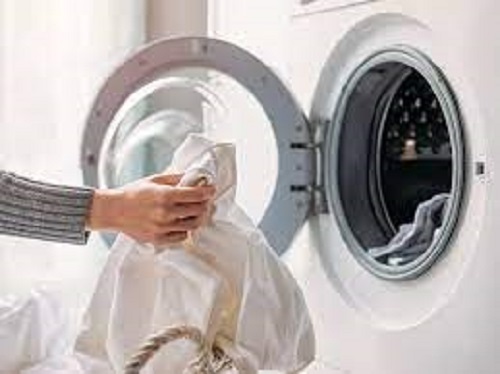
Most households treat washing machines as simple appliances: you load your clothes, add detergent, select a cycle, and press start.
The hum of the machine as it agitates, rinses, and spins becomes background noise to your daily life, a predictable rhythm that often goes unnoticed.
Yet beneath this routine is a complex interplay of mechanical and digital components, all of which require periodic attention to maintain optimal performance. Among these, one of the most important but frequently overlooked parts is the washing machine filter.
While the drum, agitator, and detergent dispenser often take center stage in discussions about washing machine maintenance, the filter serves as a critical protective and operational component.
Its job is deceptively simple: catch and contain particles that separate from your laundry during each wash. These include lint, hair, dust, fibers, and occasionally small items such as coins, buttons, or paper clips.
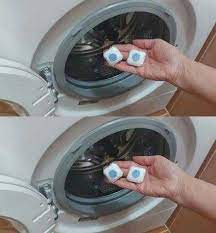
Without a functioning filter, these materials can circulate freely throughout the machine, causing blockages, stressing pumps, and leading to mechanical damage over time.
Why the Washing Machine Filter Is Essential
The filter is not just about preventing lint on your clothes — it is a guardian of your washing machine’s overall health. When a filter is neglected, the consequences extend far beyond laundry cleanliness:
Unpleasant odors: Lint and hair trapped in the filter create a moist environment ideal for the growth of mold, mildew, and bacteria. These microorganisms not only generate musty or sour smells but can also transfer onto freshly laundered clothing, towels, and sheets.
Poor drainage and water flow: A clogged filter restricts the flow of water, causing incomplete drainage. Machines may stop mid-cycle, run longer than usual, or leave clothing excessively wet. Some high-efficiency machines even display error codes when drainage is impaired.
Detergent buildup: Residual water and incomplete rinsing often leave detergent deposits on fabrics. This can make garments feel sticky, rough, or powdery, defeating the purpose of washing and potentially irritating sensitive skin.
Higher energy consumption: Struggling to circulate and pump water increases electrical consumption. The motor works harder than necessary, elevating your utility bills and contributing to premature wear of mechanical components.
Reduced appliance lifespan: Persistent neglect of the filter accelerates wear on pumps, hoses, and other internal parts. A filter clogged with debris may eventually lead to costly repairs or necessitate early replacement of the entire machine.
By attending to this seemingly minor component, you can significantly extend the life of your appliance, improve laundry results, and prevent avoidable malfunctions.
Types of Washing Machine Filters

Understanding the type of filter your machine uses is crucial for proper maintenance:
Lint Trap Filters: Common in top-loading machines, these filters capture lint that floats in the water during washing. They are typically easy to access, often located along the top rim of the drum or within the agitator.
Pump Filters: More common in front-loading machines, pump filters are designed to protect the drainage pump from foreign objects. They are usually located behind a small access panel at the bottom front of the machine. Regular cleaning is essential to prevent clogging and damage.
Integrated Self-Cleaning Filters: Some modern high-efficiency machines feature filters integrated into the drainage system. While marketed as “self-cleaning,” these filters still require periodic inspection and maintenance, especially in households with heavy laundry loads, pets, or hard water.
Removable Coin or Debris Traps: Certain models include secondary traps specifically for coins, buttons, or jewelry that may fall out during washing. Emptying these traps prevents foreign objects from reaching the pump and causing costly damage.
Knowing your machine’s filter type helps you determine how frequently it needs cleaning and how to access it safely.
Common Problems Associated with Neglected Filters
Ignoring filter maintenance leads to a cascade of potential issues:
Musty smells in the drum: Moisture trapped in the filter and surrounding compartment fosters microbial growth, which can migrate onto clothing.
Wet laundry at the end of the cycle: Blocked filters slow drainage, leaving clothes soaked despite completing a full cycle.
Unusual noises: Clogged filters can cause vibrations, buzzing, or grinding sounds as the pump struggles to push water through obstructions.
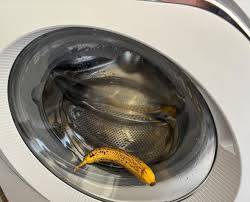
Frequent error codes: Many modern machines have sensors that detect drainage issues. A dirty filter often triggers warnings or cycle interruptions.
Recurring maintenance problems: Over time, neglected filters can cause hoses, pumps, or seals to fail, leading to water leaks, mold growth, and the need for expensive repairs.
By addressing filter issues early, many common washing machine problems can be prevented or resolved without professional intervention.
Determining Cleaning Frequency
Most households benefit from monthly filter cleaning, but several factors may require more frequent attention:
Large families: More laundry cycles mean greater lint, hair, and debris accumulation.
Pet owners: Animal hair and dander add to filter load, often necessitating cleaning every two weeks.
Heavy fabrics: Items like towels, blankets, and denim produce more lint, increasing the likelihood of clogs.
Humid climates: Moisture encourages mildew and mold growth, requiring more frequent cleaning and occasional deep-clean cycles.
Modern machines may feature indicator lights or digital alerts when the filter needs maintenance. For older or basic machines, a simple monthly calendar reminder is a practical way to maintain consistency.
Step-by-Step Guide to Cleaning Your Washing Machine Filter
Proper filter maintenance is straightforward but requires care:
Unplug the machine: Safety is paramount. Disconnect the appliance from power before accessing internal components.
Locate the filter:
Front-loading machines: Usually behind a small door or panel at the bottom front.
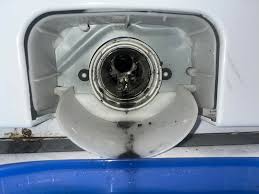
Top-loading machines: Often inside the drum, around the agitator, or attached to the back of the tub. Consult your user manual for precise location.
Prepare for water spillage: Place a towel or shallow container beneath the panel. Even after a full drain, residual water may spill when removing the filter.
Remove the filter carefully: Twist or pull according to the machine’s design. Handle gently to avoid damaging the housing or gasket.
Clean the filter: Rinse under warm running water, using a soft brush or old toothbrush to remove fibers, hair, and detergent residue. Inspect for small objects such as coins or buttons.
Clean the filter compartment: Use a damp cloth to wipe away accumulated debris and detergent residue. Clean corners thoroughly to prevent recurring clogs.
Reinsert the filter securely: Ensure it is fully seated and the panel is closed properly to avoid leaks or operational errors.
Optional deep-clean cycle: Run an empty hot-water cycle with 1 cup of white vinegar to remove residual detergent and neutralize odors. Follow with a half-cup of baking soda during a subsequent cycle for added deodorizing effect.
Benefits of Regular Filter Maintenance
Maintaining the filter provides significant advantages:
Improved laundry quality: Clothes emerge cleaner, softer, and free from lint or detergent residue.
Efficient operation: Proper drainage and agitation conserve energy and reduce strain on the motor.
Quieter cycles: Free-flowing water reduces vibrations and unusual noises.
Reduced repair costs: Many common issues — drainage problems, unusual sounds, or cycle interruptions — are directly linked to a dirty filter.
Extended appliance life: Regular care protects pumps, hoses, and motors, delaying the need for costly replacement. While Part One explained the essential role of washing machine filters and how to clean them, there is far more to consider for keeping your appliance operating at peak performance. Beyond monthly cleaning, the environment in which your machine operates, the types of laundry you wash, and your household habits all play crucial roles in filter health and overall appliance longevity.
Household-Specific Considerations
Different households face unique challenges when it comes to washing machine filter maintenance. Understanding these scenarios can help you tailor your routine to avoid costly repairs or performance issues.
Pet Owners
Pet hair is one of the most significant contributors to clogged filters. Animals shed naturally, and even frequent brushing may not prevent hair from entering the laundry cycle. Filters in homes with dogs, cats, or other furry animals require more frequent attention:
Frequency: Every two weeks, particularly after washing pet bedding or heavily soiled clothing.
Tips: Use a lint roller or pet hair brush to remove excess hair from clothes before washing. This reduces the load on the filter.
Additional precautions: Running a short rinse cycle before washing heavily soiled pet items can help flush hair away, preventing accumulation in the filter.
Large Families or High Laundry Volumes
Households with multiple members often experience heavy daily laundry loads. This results in more fibers, lint, and dirt entering the machine, which can accumulate in the filter faster than in smaller households.
Frequency: Bi-weekly for families washing multiple loads per day.
Tips: Consider staggering loads to allow the machine to fully drain and reset between cycles. This prevents excess debris buildup.
Extra care: Inspect clothing pockets for coins, paper, and small objects, which can increase the risk of blockages.
Heavy Fabrics and Specialty Items
Some fabrics shed more fibers than others. Towels, denim, blankets, and microfiber materials produce significant lint. Washing these items without regular filter maintenance can reduce efficiency and cause drainage problems.
Frequency: Monthly cleaning is standard, but after heavy loads of towels or bedding, check the filter for clogs.
Tips: Wash heavy fabrics separately to reduce lint transfer to lighter items and prevent filter overload.
Allergy Considerations
Dust, pollen, and pet dander trapped in a clogged filter can recirculate back into the laundry room and even onto freshly washed clothes. This can exacerbate allergies or respiratory issues.
Frequency: Monthly, or more often during pollen season or high-dander months.
Tips: Run a vinegar or baking soda rinse after washing heavily soiled loads to help neutralize allergens.
Humid Environments
Moisture promotes mold and mildew growth, especially in filters and rubber gaskets. A neglected filter in a humid climate may quickly become a source of foul odors or contamination.
Frequency: Monthly cleaning is essential; consider a bi-weekly deep-clean cycle.
Tips: Leave the washing machine door slightly ajar between uses to allow airflow and reduce trapped moisture.
Signs Your Filter Needs Immediate Attention
Even with a scheduled maintenance routine, certain indicators suggest urgent cleaning:
Musty or sour odors emanating from the drum.
Clothes remain wet at the end of a cycle.
Residual detergent visible on garments.
Unusual noises, such as buzzing or grinding during operation.
Frequent error codes or interrupted cycles.
Visible buildup of lint, hair, or small debris around the filter panel.
Addressing these signs promptly prevents minor issues from escalating into costly repairs.
Long-Term Impact of Neglecting the Filter
Neglecting the washing machine filter over months or years can have cascading effects:
Clogged hoses and pumps: Small fibers eventually create blockages that reduce water flow.
Motor strain and overheating: The pump works harder, increasing energy consumption and wear on the motor.
Corrosion and mold growth: Persistent moisture in the filter compartment can damage metal parts and foster mildew.
Higher utility bills: Inefficient cycles consume more electricity and water.
Appliance failure: Repeated stress can lead to total mechanical failure, requiring expensive repairs or replacement.
Advanced Troubleshooting Tips
For users who want to proactively manage their washing machine performance, these strategies can help:
Visual inspection: Every month, check the filter and surrounding compartment for lint, hair, detergent residue, and foreign objects.
Water flow check: Monitor the machine’s drainage. Slow drainage or pooling water is often an early sign of a clogged filter.
Odor control: Run an empty hot water cycle with 1 cup of white vinegar every few months to remove detergent buildup and neutralize odors. Follow with ½ cup of baking soda for additional cleaning power.
High-efficiency (HE) machines: Because HE machines use less water, debris is less diluted, making filter maintenance even more critical. Regular inspections prevent clogs and preserve the pump.
Coin and jewelry traps: Empty these after each load of small, delicate items to avoid damage to the pump or internal mechanisms.
Professional Advice and Expert Recommendations
Many appliance repair experts emphasize that filter maintenance is as important as drum or gasket cleaning. Even brand-new machines accumulate lint from the first load, and establishing a routine early prevents future issues.
Front-loading machines: Use pumps and gravity-assisted drainage, so a clogged filter quickly impacts water flow. Monthly checks are strongly recommended.
Top-loading machines: Agitator models collect lint around the drum and within compartments; frequent inspection prevents blockage.
High-tech machines: Digital or sensor-based machines often require precise filter function to avoid error codes. Regular cleaning ensures reliable operation.
Creating a Long-Term Maintenance Schedule
Consistency is key for keeping a washing machine running efficiently. Here’s a comprehensive schedule that balances routine cleaning with deep maintenance:
Monthly: Remove and clean the filter; wipe the filter housing and surrounding areas.
Quarterly: Run an empty hot-water cycle with 1 cup white vinegar, followed by another cycle with ½ cup baking soda. Inspect hoses and gaskets for buildup or leaks.
Semi-annual: Check and tighten any hose connections, clean detergent drawers, and inspect seals.
Annual: Schedule a full appliance inspection, including pump, motor, and internal components. Replace worn parts proactively.
Following this schedule not only keeps the machine performing optimally but also prevents common mechanical failures.
Extra Tips for Maximizing Filter Efficiency
Pre-wash clothing: Shake out lint-heavy fabrics or use a lint roller to remove excess debris before washing.
Sort loads: Separate heavy fabrics, pet bedding, and small items to reduce fiber transfer and minimize filter strain.
Air out the machine: Leave doors open after each cycle to allow moisture to evaporate.
Avoid overloading: Excessive load weight increases lint, hair, and water resistance, putting more strain on the filter and pump.
Use appropriate detergent: Overuse of detergent can leave residue that clogs filters; always follow manufacturer recommendations.
Why This Small Component Matters More Than You Think
The washing machine filter is often invisible to users, but its role cannot be overstated. Maintaining the filter:
Prevents unpleasant odors and bacterial growth.
Ensures thorough cleaning and proper rinse cycles.
Protects pumps, motors, and hoses from wear and damage.
Reduces energy consumption and prolongs appliance lifespan.
Minimizes allergens, improving indoor air quality.
A few minutes each month dedicated to filter maintenance provides substantial benefits, preserving both laundry quality and appliance health.
Conclusion
Though small and easily overlooked, the washing machine filter is the linchpin of effective appliance performance. Neglecting it may lead to musty odors, incomplete drainage, higher energy costs, and premature mechanical failure. Regular inspection, cleaning, and occasional deep-clean cycles are critical for maintaining laundry quality, household hygiene, and machine longevity.
Households with pets, heavy laundry demands, or high humidity face additional challenges, but these can be managed with a consistent, well-structured maintenance routine. Whether your machine is a brand-new high-efficiency model or a basic top-loader, attention to the filter is essential.
By establishing a monthly cleaning routine, quarterly deep-clean cycles, and annual inspections, you protect your investment, prevent avoidable repairs, and ensure consistently clean, fresh, and safe laundry. The washing machine works hard for you — investing a few minutes in filter care ensures it will continue to perform efficiently for years to come.
