

In the vast and colorful landscape of global nutrition, few foods have traveled as quietly — and as meaningfully — across cultures as beans.
From rustic Mediterranean lentil soups to Latin American black bean stews, from Middle Eastern chickpea dishes to East Asian soybean preparations, legumes have long served as dietary cornerstones.
For centuries, they were valued for affordability, nourishment, and versatility. Today, modern nutritional science confirms what traditional cuisines understood intuitively: beans are metabolically powerful foods that support blood sugar regulation, digestive health, and long-term metabolic stability.
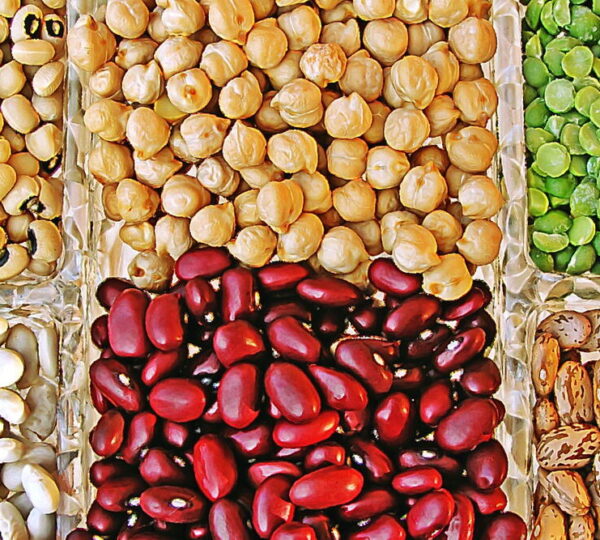
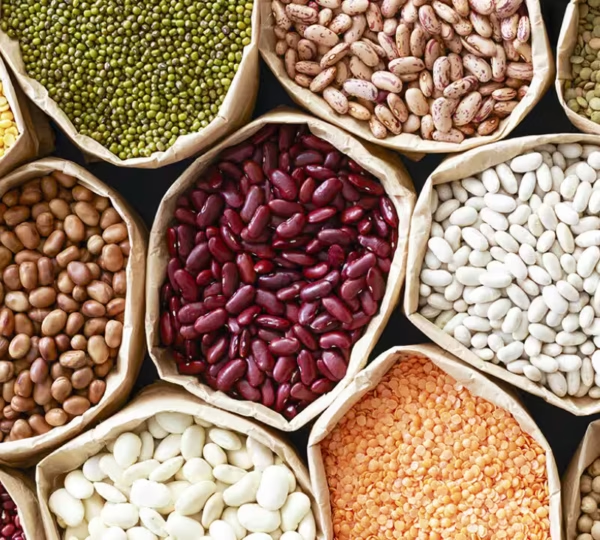
Unlike many modern “superfoods,” beans are not exotic imports or newly discovered botanical marvels. They are everyday staples — lentils, chickpeas, black beans, kidney beans, pinto beans, navy beans, and others — belonging primarily to the species Phaseolus vulgaris and related legume families. Their benefits arise not from magic, but from well-studied nutritional mechanisms grounded in fiber chemistry, carbohydrate structure, protein composition, and interactions with the gut microbiome.
Understanding these mechanisms requires stepping beyond dietary trends and into physiology — into the elegant way the human body processes food, regulates glucose, and adapts to consistent nutritional patterns.
A Closer Look at Blood Sugar Regulation
To appreciate why beans are often recommended for metabolic health, it helps to understand how blood sugar (glucose) regulation works.
When we consume carbohydrate-containing foods, they are broken down into glucose and absorbed into the bloodstream. This rise in blood glucose stimulates the pancreas to release insulin, a hormone that helps cells absorb glucose for energy or storage. In healthy metabolic systems, this process is tightly regulated: glucose rises gradually, insulin responds appropriately, and levels return to baseline without dramatic swings.
However, highly refined carbohydrates — such as white bread, sugary drinks, and ultra-processed snacks — are digested rapidly. They can cause sharp increases in blood glucose followed by reactive drops. Over time, frequent spikes may contribute to insulin resistance in susceptible individuals, particularly when combined with excess caloric intake and sedentary lifestyle patterns.
Beans behave very differently in the body.
Their structure slows digestion. Their fiber content moderates absorption. Their resistant starch changes how carbohydrates are processed. Rather than flooding the bloodstream, they create a gradual, sustained release of energy.
This distinction is central to their metabolic value.
The Structural Advantage of Beans
Beans are nutritionally complex. A typical cooked cup (about 170–180 grams) of most common beans provides:
- 12–16 grams of protein
- 10–15 grams of dietary fiber
- Complex carbohydrates
- Minimal fat (naturally low in saturated fat)
- Significant amounts of magnesium, potassium, iron, folate, and other micronutrients
Two components are particularly important for blood sugar regulation:
- Soluble fiber
- Resistant starch
Together, they influence digestion rate, gut microbiota activity, and metabolic signaling.
Soluble Fiber: Creating a Physiological Slowdown
Dietary fiber is often discussed as a single category, but it includes multiple subtypes. Soluble fiber dissolves in water to form a gel-like substance during digestion. Beans contain meaningful amounts of soluble fiber alongside insoluble fiber.

When soluble fiber encounters fluid in the digestive tract, it thickens the intestinal contents. This has several measurable physiological effects:
- It slows gastric emptying (the rate at which food leaves the stomach).
- It reduces the speed at which glucose is absorbed in the small intestine.
- It moderates postprandial (post-meal) blood glucose levels.
- It enhances satiety signals.
Because carbohydrate absorption is slowed, blood glucose rises more gradually. The pancreas responds with a steadier insulin release rather than a sharp spike. For individuals aiming to maintain balanced energy levels throughout the day, this moderated response can reduce the cycle of rapid hunger that often follows refined carbohydrate consumption.
Importantly, soluble fiber does not block glucose absorption. It regulates its pace. The difference may seem subtle, but physiologically it is profound. Instead of metabolic urgency, the body experiences metabolic rhythm.
Resistant Starch: Fuel for the Microbiome
Resistant starch is a type of carbohydrate that resists digestion in the small intestine. Rather than being absorbed as glucose immediately, it passes into the large intestine, where it becomes substrate for fermentation by beneficial gut bacteria.
This fermentation produces short-chain fatty acids (SCFAs), including butyrate, acetate, and propionate. These compounds play important roles in:
- Supporting the integrity of the gut lining
- Modulating inflammation
- Influencing appetite regulation hormones
- Improving insulin sensitivity in certain contexts
Butyrate, in particular, is known to nourish colon cells and contribute to healthy intestinal barrier function. A robust gut barrier helps regulate immune responses and metabolic signaling.
Emerging research suggests that diets rich in fermentable fibers and resistant starch may support improved insulin sensitivity over time, partly through microbiome-mediated pathways. While beans are not a treatment for metabolic disease, they can be part of a dietary pattern that encourages favorable microbial diversity and metabolic resilience.
This highlights an important point: beans do not act only at the moment of consumption. Their effects can extend into subsequent meals through what researchers sometimes call the “second-meal effect,” where improved glycemic response is observed hours later.
The Glycemic Index and the Unique Profile of Beans
The glycemic index (GI) is a scale that measures how quickly carbohydrate-containing foods raise blood glucose compared to pure glucose. Foods with a low GI are digested and absorbed more slowly, leading to gradual increases in blood sugar.
Most beans consistently rank as low-GI foods. Their GI values generally fall well below refined grains and sugary products. This aligns with their fiber and resistant starch content.
However, focusing solely on GI can oversimplify nutrition. The glycemic response of a meal depends on:
- The total carbohydrate content
- The presence of fat and protein
- Cooking methods
- Food combinations
- Individual metabolic differences
Beans perform well not just because of their GI score, but because they are nutritionally balanced foods. They provide protein, fiber, and complex carbohydrates together in one package. This integrated structure helps stabilize glucose responses when beans are included as part of mixed meals.

For example, adding beans to a grain-based meal can lower the overall glycemic impact compared to consuming refined grains alone. This synergy illustrates how whole foods function within dietary patterns rather than in isolation.
Clinical Research and Evidence-Based Insights
Scientific literature supports the role of legumes in metabolic health. Studies published in reputable peer-reviewed journals have observed that:
- Replacing refined carbohydrates with legumes can reduce postprandial blood glucose levels.
- Regular legume consumption is associated with modest improvements in markers of glycemic control.
- Diets incorporating beans may contribute to improved insulin sensitivity in individuals with insulin resistance.
In individuals managing type 2 diabetes, incorporating beans into structured dietary plans has been associated with better glycemic stability compared to diets emphasizing refined starches. However, beans are not a substitute for medical treatment. They are best viewed as supportive dietary tools within a broader health strategy that includes professional guidance, physical activity, and overall nutritional balance.
Importantly, research emphasizes consistency. The benefits of beans accumulate over time when they are regularly included in balanced dietary patterns.
Satiety, Appetite Regulation, and Weight Management
Blood sugar stability and appetite regulation are closely linked. Rapid glucose spikes followed by declines can stimulate hunger soon after eating. In contrast, meals rich in fiber and protein tend to promote prolonged satiety.
Beans contribute to fullness through multiple pathways:
- Fiber increases gastric distension.
- Protein supports satiety hormones.
- Slower digestion prolongs energy release.
This combination may help reduce overall caloric intake in some individuals. Over time, consistent satiety can support healthy weight management, which itself is strongly associated with improved metabolic markers.
Again, the effect is subtle and cumulative. Beans do not cause weight loss directly. They support dietary patterns that make energy balance easier to maintain.
Micronutrients That Complement Metabolic Health
Beyond fiber and resistant starch, beans provide several micronutrients relevant to metabolic function:
- Magnesium: Plays a role in glucose metabolism and insulin signaling.
- Potassium: Supports cardiovascular health and blood pressure regulation.
- Folate: Essential for cell function and DNA synthesis.
- Iron: Important for oxygen transport and energy metabolism.
- Polyphenols: Plant compounds with antioxidant properties.
Magnesium, in particular, has been studied for its relationship to insulin sensitivity. Adequate intake supports normal glucose metabolism. Beans are a meaningful plant-based source of this mineral.
Their nutrient density makes them especially valuable in dietary patterns that emphasize whole, minimally processed foods.
Beans Within Traditional Dietary Patterns
Many traditional diets associated with longevity and metabolic health include legumes as staples. In Mediterranean regions, lentils and chickpeas are common. In Latin American cuisines, black beans and pinto beans accompany grains. In parts of Asia, soybeans and adzuki beans are widely used.
While these populations differ culturally and geographically, a shared feature is regular legume consumption alongside vegetables, whole grains, herbs, and moderate protein sources.
The lesson is not that beans alone create health. It is that they integrate naturally into balanced dietary ecosystems built around whole foods.
Dispelling Common Myths
Despite strong evidence, several misconceptions persist:
Myth: Beans spike blood sugar because they contain carbohydrates.
Reality: Although beans contain carbohydrates, their fiber and resistant starch slow absorption, typically resulting in lower glycemic responses compared to refined carbohydrates.
Myth: Beans are incomplete proteins and therefore nutritionally inferior.
Reality: While most legumes do not contain all essential amino acids in optimal proportions, they complement whole grains effectively. Over the course of a varied diet, protein needs are easily met.
Myth: Beans are only useful for vegetarians.
Reality: Beans benefit omnivorous dietary patterns as well. Replacing some refined carbohydrates or processed meats with legumes can enhance overall nutrient quality.
Accurate information matters, particularly in an era of rapid dietary claims. Beans are powerful not because they are extreme, but because they are reliable.
A Foundation for Sustainable Health
Modern health challenges often stem from excess refinement, excessive sugar intake, and highly processed food environments. Beans represent the opposite paradigm: minimally processed, fiber-rich, nutrient-dense, and metabolically steady.
They do not promise instant transformation. Instead, they offer steady support — a consistent ally in building dietary patterns that respect the body’s natural regulatory systems.
In the next section, we will explore how beans integrate into daily life in practical, versatile ways, examine additional scientific findings on long-term metabolic outcomes, and discuss preparation techniques that maximize digestibility and nutritional value.
One of the more fascinating aspects of legume research is what scientists call the second-meal effect. This phenomenon refers to improved blood sugar responses at a later meal after consuming foods rich in fiber and resistant starch earlier in the day.
For example, individuals who eat beans at lunch may experience a more stable glucose response at dinner compared to those who consumed refined carbohydrates at lunch. The mechanism appears to involve:
- Slower carbohydrate digestion
- Improved insulin sensitivity
- Short-chain fatty acid production from fermentation
- Hormonal signaling influenced by gut microbiota
This does not mean beans permanently “fix” blood sugar. Rather, they create metabolic conditions that support better regulation over time. When consumed consistently — several times per week — legumes can contribute to a more stable daily glycemic pattern.
For individuals concerned about type 2 diabetes risk, metabolic syndrome, or insulin resistance, this cumulative stability matters. It is the difference between constant metabolic strain and steady metabolic pacing.
Cardiovascular Health: Fiber Beyond Glucose
Blood sugar regulation is only part of the story. Soluble fiber in beans also interacts with cholesterol metabolism.
When soluble fiber forms a gel in the digestive tract, it can bind bile acids. Since bile acids are made from cholesterol, their excretion encourages the body to use circulating cholesterol to produce more bile. Over time, this mechanism may help lower LDL (“low-density lipoprotein”) cholesterol levels.
Large-scale dietary studies have associated higher legume intake with:
- Modest reductions in LDL cholesterol
- Lower cardiovascular risk markers
- Improved blood pressure control when combined with potassium-rich diets
Beans are naturally low in saturated fat and free of dietary cholesterol. When they replace processed meats or refined carbohydrate-heavy side dishes, the overall dietary pattern shifts toward improved cardiovascular balance.

Again, beans are not a medical treatment. But as part of a heart-conscious dietary framework, they provide meaningful structural advantages.
Gut Health: Building Microbial Diversity
The modern understanding of metabolic health increasingly includes the gut microbiome — the trillions of microorganisms residing in the digestive tract.
Resistant starch and fermentable fibers in beans act as prebiotics. They nourish beneficial bacteria such as Bifidobacteria and certain butyrate-producing species. Over time, this can encourage greater microbial diversity.
Why does diversity matter?
A more diverse microbiome has been associated with:
- Better immune regulation
- Improved metabolic signaling
- Enhanced gut barrier function
- Reduced low-grade inflammation
Low-grade, chronic inflammation has been linked to insulin resistance and cardiometabolic disease. While beans alone cannot eliminate inflammatory conditions, diets rich in plant fibers are consistently associated with lower inflammatory markers compared to low-fiber, ultra-processed diets.
In practical terms, this means that beans support internal ecosystems that contribute to whole-body health.
Weight Management Without Restriction
Many modern diets focus on restriction — cutting out carbohydrates, eliminating food groups, or dramatically reducing calories. Beans offer a different strategy: addition rather than subtraction.
Because they are high in fiber and protein, beans increase satiety. When meals feel satisfying, individuals are less likely to overconsume energy later. This is not about willpower. It is about physiology.
Studies examining dietary patterns that include legumes have found associations with:
- Lower body mass index (BMI) averages
- Improved appetite control
- Reduced overall calorie intake without conscious restriction
Replacing refined starches with beans may lower the overall energy density of meals while increasing nutrient density. This shift supports gradual, sustainable weight stability — a cornerstone of metabolic health.
Practical Culinary Integration: Everyday Strategies
Scientific benefits only matter if foods are actually eaten. Fortunately, beans are among the most versatile ingredients available.
Here are practical, realistic strategies for incorporating them:
1. Gradual Introduction for Digestive Comfort
Individuals unaccustomed to high-fiber diets may initially experience bloating or gas. This is normal and often temporary.
Strategies to minimize discomfort include:
- Starting with small portions (¼–½ cup cooked)
- Increasing intake gradually over 2–3 weeks
- Drinking adequate water
- Using proper soaking and cooking techniques
Over time, the digestive system adapts, and symptoms typically diminish as the microbiome adjusts.
2. Soaking and Cooking for Optimal Digestibility
Dried beans benefit from soaking before cooking. Soaking:
- Reduces certain indigestible carbohydrates
- Shortens cooking time
- Improves texture
Discarding soaking water and rinsing beans before cooking can improve tolerance for some individuals.
Pressure cooking is another effective method that enhances digestibility and reduces cooking time while preserving nutrients.
3. Using Canned Beans Wisely
Canned beans are convenient and nutritionally comparable to home-cooked beans.
To optimize their health profile:
- Rinse thoroughly under running water to reduce sodium content.
- Choose low-sodium varieties when possible.
Rinsing does not significantly reduce fiber or protein content.
4. Pairing for Complete Amino Acid Profiles
While beans contain substantial protein, combining them with whole grains enhances amino acid balance.
Examples include:
- Black beans with brown rice
- Lentils with whole-grain flatbread
- Chickpeas with quinoa
These combinations create complementary protein patterns over the course of a day. Importantly, they do not need to be eaten in the same bite — overall dietary variety is sufficient.
5. Flavor Enhancement Without Excess Salt
Beans absorb flavors exceptionally well. They pair beautifully with:
- Garlic and onions
- Herbs such as thyme, rosemary, and cilantro
- Spices like cumin, turmeric, paprika, ginger, and black pepper
- Acidic elements such as lemon juice or vinegar
These additions enhance taste without relying heavily on sodium or processed sauces.
Beans and Sustainable Nutrition
Beyond personal health, beans play a role in environmental sustainability.
Legumes contribute to soil health by fixing nitrogen — a natural process that reduces the need for synthetic fertilizers. Compared to many animal protein sources, beans require:
- Less water
- Fewer greenhouse gas emissions
- Lower land use
Incorporating beans into dietary patterns can reduce environmental impact while maintaining adequate protein intake.
As global food systems face increasing pressure, legumes represent a nutritionally dense and environmentally responsible option.
Beans in Structured Dietary Patterns
Several well-researched dietary frameworks include legumes as central components:
- Mediterranean-style diets
- Plant-forward or flexitarian diets
- DASH (Dietary Approaches to Stop Hypertension)–inspired models
These dietary patterns are associated with improved cardiovascular markers, reduced type 2 diabetes risk, and greater longevity in population studies.
Beans contribute to these benefits through:
- Fiber density
- Mineral content
- Low glycemic impact
- Replacement of processed foods
The consistent theme is moderation and balance — not extremes.
Addressing Concerns About Carbohydrates
In recent years, carbohydrate-restrictive diets have gained attention. While reducing refined carbohydrates can improve metabolic markers, it is important to distinguish between refined sugars and complex carbohydrates found in whole foods.
Beans contain carbohydrates, but their structural matrix dramatically changes how those carbohydrates behave metabolically.
Unlike white bread or sugary beverages, beans:
- Are rich in fiber
- Contain protein
- Digest slowly
- Produce minimal rapid glucose spikes in most individuals
For many people, replacing refined carbohydrates with legumes improves overall dietary quality without eliminating carbohydrates entirely.
Individual needs vary, particularly for people with advanced metabolic conditions. Personalized medical guidance is always recommended.
Safety, Tolerance, and Considerations
Beans are safe for most individuals when properly prepared.
However, certain populations should consider:
- Individuals with specific digestive disorders (such as severe IBS) may need tailored fiber guidance.
- Those with advanced kidney disease may need to monitor potassium intake under medical supervision.
- Soybeans differ nutritionally from other legumes and may require individualized assessment in cases of allergy.
For the general population, moderate legume intake — several servings per week — is widely supported by nutrition guidelines.
The Psychology of Consistency
Perhaps the most overlooked aspect of bean consumption is behavioral.
Beans represent:
- Affordability
- Simplicity
- Cultural familiarity
- Accessibility
They do not demand expensive supplements or extreme meal plans. Their power lies in consistency.
A half-cup added to salads several times per week.
A lentil soup once or twice weekly.
A chickpea-based dish replacing a refined side option.
Over months and years, these small shifts can alter metabolic patterns meaningfully.
Health improvement rarely occurs through dramatic single interventions. It emerges from repeated, steady actions that align with physiology.
Beans fit seamlessly into this philosophy.
The Cumulative Effect
When consumed regularly as part of a balanced diet, beans may contribute to:
- More stable post-meal blood sugar levels
- Improved insulin response patterns
- Lower LDL cholesterol
- Greater satiety
- Enhanced gut microbiota diversity
- Improved nutrient intake
- Sustainable environmental practices
No single bowl of lentils transforms metabolism overnight. But consistent inclusion supports gradual adaptation.
Metabolic health is not built in days. It is shaped over years.
Beans provide a foundation for that shaping — quietly, reliably, and without extremes.
In the previous sections, we explored the metabolic mechanisms of beans and practical strategies for integrating them into everyday meals. In this final section, we turn to the long-term scientific evidence, cross-cultural wisdom, and the broader philosophical implications of beans as a dietary cornerstone. We examine how their consistent inclusion can influence health trajectories over years and even decades, and why beans exemplify a deeper principle: the power of patience, rhythm, and subtlety in nutrition.
Epidemiological Evidence: Beans and Long-Term Metabolic Health
Population-based studies spanning decades consistently show that habitual consumption of legumes is linked with measurable metabolic and cardiovascular benefits. Examples include:
- Reduced Type 2 Diabetes Risk:
Large cohort studies have demonstrated that individuals who consume beans several times per week exhibit a lower incidence of type 2 diabetes. The mechanisms are multifactorial: improved postprandial glucose stability, enhanced insulin sensitivity, and the metabolic support provided by fiber-rich foods. - Cardiovascular Protection:
Epidemiological evidence suggests that regular legume intake is associated with lower rates of heart disease, largely through improvements in LDL cholesterol, blood pressure modulation, and anti-inflammatory effects. - Weight Stability and Healthy Aging:
Longitudinal research shows that populations with high legume consumption often maintain healthier body weight and exhibit slower progression of metabolic syndrome components. These effects are subtle, cumulative, and strongly correlated with dietary consistency.
It is crucial to note that beans are not magic pills; their benefits arise in the context of broader dietary and lifestyle patterns. Yet, the repeated presence of legumes in long-lived, metabolically healthy populations underscores their role as a foundational food.
Lessons from Traditional Diets
Cultural dietary patterns offer additional insights. Across the globe, long-established cuisines emphasize legumes as central staples:
- Mediterranean Regions: Lentils, chickpeas, and fava beans appear in soups, stews, and salads. Studies on Mediterranean populations consistently link these diets with lower cardiovascular risk and greater longevity.
- Latin America: Black beans and pinto beans, often paired with whole grains like brown rice or corn, provide balanced macronutrient profiles that stabilize energy and blood sugar.
- Middle Eastern Traditions: Chickpeas, broad beans, and lentils provide protein and fiber, often incorporated in meals alongside vegetables, whole grains, and spices that support anti-inflammatory pathways.
- East Asia: Soybeans and adzuki beans are integral in plant-based protein sources, fermented foods, and traditional stews, contributing both to nutrient density and gut health.
Across these diverse diets, a consistent theme emerges: beans are not consumed sporadically or as an isolated health “hack.” They are daily, culturally embedded foods that nourish in a subtle yet consistent way.
Bioactive Compounds Beyond Fiber
Beans contain a spectrum of bioactive compounds that complement their metabolic effects:
- Polyphenols: These plant antioxidants have mild anti-inflammatory properties and may support endothelial health.
- Saponins and Phytosterols: Found in many legumes, these compounds contribute to cholesterol regulation.
- Protease Inhibitors and Lectins (appropriately prepared): While high concentrations can interfere with digestion, proper soaking and cooking neutralize these compounds, allowing the beneficial effects of protein and fiber to dominate.
The cumulative effect of these compounds is to support long-term metabolic resilience, cardiovascular integrity, and reduced oxidative stress.
Practical Meal Patterns for Longevity
Integrating beans into everyday life can follow simple, sustainable strategies:
- Three to Five Servings Per Week: Research suggests that consuming roughly ½–1 cup of cooked legumes per serving, several times weekly, supports metabolic and cardiovascular health.
- Meal Pairings: Combine beans with high-fiber vegetables, whole grains, and moderate healthy fats for balanced macronutrient distribution.
- Culinary Variety: Rotate different types of legumes to access diverse nutrients and bioactive compounds. Lentils, chickpeas, black beans, kidney beans, navy beans, and adzuki beans each offer unique profiles.
- Flavor Integration: Use herbs, spices, and acidic flavorings to enhance taste without relying on salt or processed sauces.
- Mindful Eating: Emphasize regular meals with moderate portions to reinforce satiety cues and steady energy release.
Through consistent, mindful integration, beans become not just food, but a vehicle for long-term healthful habits.
Philosophical Insights: Patience, Rhythm, and Quiet Power
Beans exemplify a principle that transcends nutrition: health is built gradually, through small, repeated choices rather than dramatic interventions.
- Unlike fad diets that promise rapid results, beans provide subtle, cumulative benefits.
- Their effect is rhythmic, reinforcing the body’s natural metabolic processes rather than forcing abrupt changes.
- Over months and years, the quiet inclusion of legumes can reshape energy regulation, insulin sensitivity, gut microbiota composition, and overall nutrient intake.
This philosophy applies beyond food. It reminds us that long-term outcomes often depend on persistence, patience, and consistency — whether in health, work, or personal growth.
Integrating Beans Into Modern Life
In contemporary settings, legumes are often overlooked in favor of convenience foods. Yet, with planning and culinary creativity, they can be integrated without disruption:
- Meal Prep: Batch-cook lentils or beans to use in salads, soups, or grain bowls throughout the week.
- Blending Into Dishes: Puree cooked beans into sauces or spreads to enhance texture, protein content, and fiber.
- Snack Options: Roasted chickpeas provide a crunchy, protein-rich snack alternative to processed chips.
- Restaurant Choices: Seek menu items with legume components, such as hummus, bean salads, or chili-based dishes.
By embedding beans into daily routines, individuals leverage their metabolic, cardiovascular, and digestive benefits without requiring extreme effort or sacrifice.
Holistic Benefits Beyond Metabolism
The advantages of regular bean consumption extend beyond blood sugar:
- Cardiovascular Support: Soluble fiber, plant protein, and phytochemicals synergize to maintain healthy cholesterol and blood pressure.
- Bone and Muscle Health: Magnesium, calcium, and plant protein support skeletal integrity and muscle function.
- Digestive Wellness: Fermentable fiber encourages healthy microbiota, gut motility, and short-chain fatty acid production.
- Sustainability and Ethics: Beans are environmentally responsible, requiring fewer resources than most animal proteins while delivering comparable protein and nutrient content.
Collectively, these benefits position beans as a multi-dimensional food — supporting individual health, community nutrition, and planetary well-being simultaneously.
Key Takeaways: The Science, Practice, and Philosophy of Beans
- Metabolic Harmony: Soluble fiber and resistant starch slow glucose absorption and feed beneficial gut bacteria, supporting long-term metabolic resilience.
- Consistency Over Intensity: The greatest benefits emerge when beans are consumed regularly as part of balanced dietary patterns.
- Multifaceted Nutritional Value: Beyond blood sugar, beans provide protein, minerals, phytonutrients, and antioxidants.
- Cultural Wisdom Meets Modern Science: Traditional dietary patterns emphasizing legumes align with contemporary evidence on longevity, cardiovascular health, and metabolic balance.
- Sustainable, Accessible, and Versatile: Beans integrate easily into meals, support environmental health, and offer culinary flexibility.
- Patience and Rhythm as Principles: Beans teach that small, repeated choices — not extremes — cultivate lasting health.
Conclusion: The Quiet, Transformative Power of Beans
In a world dominated by rapid solutions, trendy superfoods, and instant results, beans remind us of a different path: gradual, steady, and scientifically validated improvement.
A simple bowl of lentils or chickpeas is more than a meal. It is a metaphor for consistency, rhythm, and patience in health and life. Over time, these ordinary legumes can:
- Stabilize blood sugar
- Enhance insulin sensitivity
- Promote satiety and moderate caloric intake
- Support gut microbiota and digestive resilience
- Contribute to cardiovascular and bone health
- Reduce environmental footprint
The cumulative impact is profound. Health, much like life, is rarely transformed overnight. It grows quietly, patiently, and methodically — one spoonful at a time.
Beans, humble yet potent, serve as both a dietary ally and a life lesson: that sustained wellness comes not from extremes, but from rhythm, consistency, and thoughtful choices repeated over time.
