
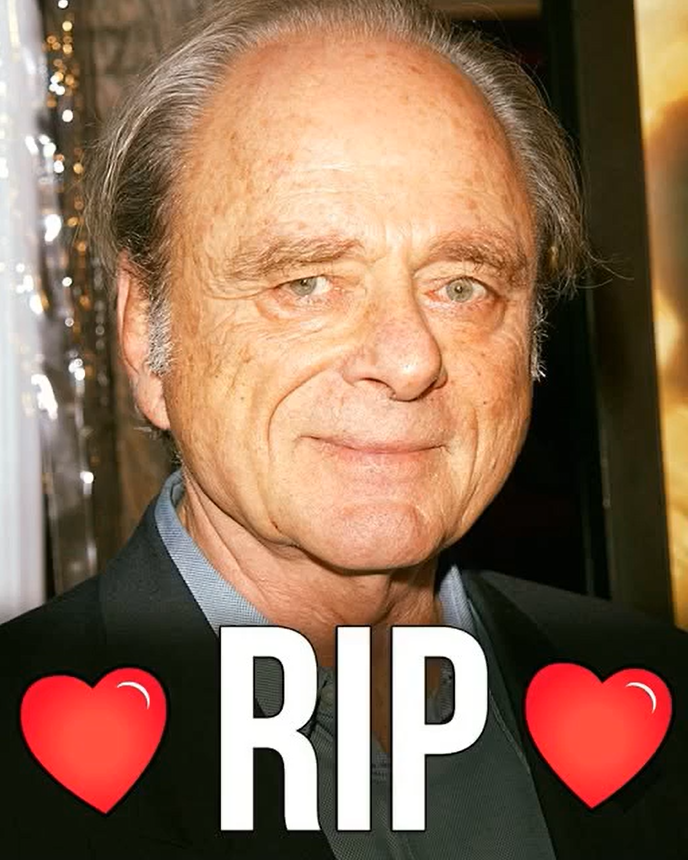
Harris Yulin was born on November 5, 1937, in Los Angeles, California, into a city alive with cultural diversity. Growing up amid Southern California’s dynamic social landscape shaped his early fascination with storytelling and performance from a very young age.
From childhood, Yulin displayed an intense curiosity for character, narrative, and emotional expression. Friends and teachers recalled his early interest in dramatics and literature, often noting his natural ability to observe human behavior with insight and subtlety.
After high school, Yulin pursued formal acting training in New York City, where he studied at prestigious institutions. This period cultivated his discipline and introduced him to techniques that would define his distinctive approach to both stage and screen performance.

In the early 1960s, Yulin began his professional stage career in New York theater, quickly gaining recognition for his commitment to craft. His performances were noted for their intelligence, emotional depth, and intensity, captivating audiences and critics alike.
He made his Broadway debut in Next Time I’ll Sing to You in 1963. The production allowed him to showcase a powerful stage presence and technical skill, qualities that would become hallmarks of his enduring, multifaceted career.
During the 1960s and 1970s, Yulin became a mainstay in American theater. He performed in classics such as Watch on the Rhine, The Diary of Anne Frank, Hedda Gabler, and The Price, each role revealing his extraordinary range and versatility as an actor.
Yulin’s stage work was distinguished by his capacity to embody complex emotional states. He portrayed both tortured protagonists and morally conflicted authority figures, consistently infusing intelligence, subtlety, and humanity into every character he inhabited.
Beyond acting, Yulin directed several theatrical productions. His understanding of narrative rhythm, timing, and emotional structure allowed him to guide performances that received critical acclaim, including The Trip to Bountiful and The Glass Menagerie.

Peers consistently praised Yulin for his professional integrity, generosity, and collaborative spirit. Directors and fellow actors admired his dedication to ensemble work, his preparation, and his unwavering commitment to respecting the playwright’s intentions onstage.
Yulin’s transition to film began in the 1970s and 1980s. He quickly became known for his layered, memorable character performances, bringing credibility, gravitas, and emotional resonance to a variety of supporting and principal roles.
One of his most iconic film performances was as Mel Bernstein in Brian De Palma’s Scarface (1983). Yulin portrayed a morally complex police officer with depth, authority, and restraint, leaving a lasting impression on audiences and critics alike.
In Ghostbusters II (1989), Yulin appeared as Judge Stephen Wexler, balancing comedic timing with gravitas. His nuanced performance contributed significantly to the film’s success and enduring popularity, demonstrating his ability to adapt to different genres seamlessly.
In Clear and Present Danger (1994), Yulin portrayed a senior national security adviser opposite Harrison Ford. His performance conveyed the tension of bureaucratic decision-making, blending subtlety, intellect, and emotional realism to enhance the film’s political narrative.

Yulin also appeared in Training Day (2001) with Denzel Washington and Ethan Hawke, further showcasing his talent in gritty, morally ambiguous dramas. His authoritative presence brought authenticity and credibility to the film’s exploration of corruption and justice.
His filmography includes diverse works such as The Hurricane (1999), Bean (1997), Rush Hour 2 (2001), and The Place Beyond the Pines (2012). Across genres, he brought emotional depth, subtle humor, and realism to each role he inhabited.
Independent films and character-driven projects revealed Yulin’s empathy and skill for portraying nuanced human behavior. His performances often elevated secondary characters, creating compelling, multidimensional figures that enriched the narratives they inhabited.
Television became another platform for Yulin’s talents. In 1996, he received a Primetime Emmy Award nomination for Outstanding Guest Actor in a Comedy Series for his portrayal of Jerome Belasco on Frasier, earning acclaim from critics and peers alike.
He appeared on numerous television series, including 24, Buffy the Vampire Slayer, Star Trek: Deep Space Nine, Veep, The X‑Files, The Blacklist, Billions, and Divorce. Each role displayed his versatility and capacity to adapt to diverse storytelling formats.

By the 2010s, Yulin reached a new audience through his role as Buddy Dieker in Netflix’s critically acclaimed crime drama Ozark. His subtle, layered performance earned recognition and appreciation from both viewers and critics.
Despite his success in screen acting, Yulin remained deeply connected to the theater. He performed in Shakespearean works, Chekhov’s plays, and Ibsen’s dramas, demonstrating mastery over classical texts while continually refining his craft and interpretive skills.
His stage performances were noted for psychological depth, precision in textual interpretation, and the ability to balance intensity with nuance. Critics consistently highlighted his ability to convey subtle emotion through gesture, voice, and timing.
Yulin was also an esteemed teacher, mentoring actors at institutions including Juilliard and Columbia University’s Graduate School of the Arts. His guidance emphasized discipline, emotional honesty, and the importance of listening and collaboration in performance.
Students remembered him for his patience, insight, and generosity. He nurtured emerging talent while instilling a professional ethic grounded in respect for the craft and awareness of the collaborative nature of theater and film.

Colleagues frequently praised Yulin’s professionalism and depth. His ability to elevate supporting roles without overshadowing ensemble dynamics made him a valuable collaborator in both theater productions and cinematic projects.
He maintained humility throughout his career. Yulin often described his professional journey as a pursuit of curiosity, learning, and growth rather than a quest for fame or celebrity, prioritizing artistic integrity above all else.
Every role Yulin undertook — whether on stage, television, or film — received his full attention and dedication. His seriousness of purpose earned him respect across generations of audiences and collaborators alike.
Yulin’s personal life included long-standing relationships and family commitments. He was married to actress Gwen Welles until her death in 1993 and later married actress Kristen Lowman, his partner for many years, sharing a private, supportive life together.
He was preceded in death by his daughter, Claire Lucido, whose passing had a profound personal impact. Yulin honored her memory privately, balancing grief with ongoing commitment to his work and mentorship of younger artists.
At the time of his passing, Yulin remained active in new projects, including the MGM+ series American Classic. His dedication to the craft endured until the end, reflecting a lifelong passion for storytelling and performance.
Colleagues and collaborators remembered Yulin for his kindness, generosity, and mentorship, qualities that enriched every production, rehearsal, and classroom. His impact extended far beyond his roles, influencing the lives and careers of countless actors.
Director Michael Hoffman described Yulin as “one of the greatest artists” he had ever worked with, highlighting the actor’s technical mastery, professionalism, and personal warmth, traits that defined both his art and his character.
Audiences remember Yulin for his commanding authority in every role, whether portraying judges, law enforcement officers, or morally complex supporting characters. His presence consistently lent weight, credibility, and gravitas to narratives across media.
His performances continue to resonate with new audiences through streaming platforms, theatrical revivals, and film archives, ensuring that his artistry is discovered and appreciated by generations long after his passing.
Beyond his screen and stage achievements, Yulin’s legacy includes his contributions as a mentor and educator. Actors he taught or collaborated with often cite his insight, discipline, and generosity as foundational to their careers.
His influence extended to theater productions, television series, and film projects where his skill elevated ensembles and enhanced storytelling, leaving a mark on colleagues, students, and audiences alike, a testament to his enduring craft.
Yulin’s career demonstrates that artistic excellence combines talent, discipline, collaboration, and emotional intelligence. He exemplified these qualities, ensuring every character he portrayed was believable, layered, and compelling for audiences worldwide.
His work continues to inspire actors and storytellers, providing a model for how professionalism, integrity, and deep understanding of human behavior can create performances that resonate across time and culture.
Harris Yulin’s life and career stand as a testament to dedication, craft, and generosity. From theater stages to the silver screen, his artistry left an indelible mark on American culture and global audiences alike.
His contributions endure not only through performances but also through mentorship, teaching, and advocacy for artistic integrity, ensuring that his legacy enriches the world of performance for generations to come.

