
Few contemporary actors have crafted a public persona as distinctive and enduring as Matthew McConaughey. With his unmistakable Texas drawl, philosophical reflections, and reputation for reinvention.
McConaughey has become one of the most recognizable figures in modern American cinema. From his early breakthrough in Dazed and Confused to his Academy Award–winning transformation in Dallas Buyers Club, his career has unfolded in chapters—each marked by risk, recalibration, and growth.
Yet behind the Hollywood acclaim lies a deeply personal story—one shaped by family turbulence, rigid moral frameworks, early independence, and painful formative experiences that he later chose to reveal in his 2020 memoir, Greenlights.
In that book, McConaughey does not present himself as a victim of circumstance, nor does he attempt to sensationalize his past. Instead, he offers a reflective account of the forces that shaped him—both stabilizing and destabilizing—and how they contributed to the resilient mindset for which he is now known.
This first part explores the foundations of his life: his Texas upbringing, the complicated dynamic between his parents, the influence of religion and masculinity, and the early emotional landscape that shaped his character long before Hollywood fame arrived.

Born into Fire: A Volatile Household
Matthew David McConaughey was born on November 4, 1969, in Uvalde, Texas. He was the youngest of three boys born to James Donald “Jim” McConaughey and Mary Kathleen “Kay” McConaughey (née McCabe). His father had once played professional football, including time with the Green Bay Packers, before building a career in the oil pipe supply business. His mother worked as a kindergarten teacher and later became a published author and public personality in her own right.
On the surface, the McConaughey household reflected a familiar Texas archetype: strong-willed parents, athletic sons, and a culture steeped in independence and grit. Beneath that surface, however, the relationship between Jim and Kay was famously intense, volatile, and unpredictable.
In Greenlights, McConaughey recounts that his parents married three times and divorced twice—always to each other. Their bond was passionate and combustible. Arguments could escalate quickly, and confrontations sometimes became physical. McConaughey has described witnessing episodes of heated conflict that left lasting impressions on him as a child. He has stated publicly that both of his parents had fierce personalities and that their clashes were followed by equally intense reconciliations.
Importantly, McConaughey does not portray his parents as villains. Instead, he reflects on them as deeply flawed but fiercely loving individuals. He describes a home environment where strength was valued, vulnerability was rarely displayed, and lessons were often delivered through confrontation rather than comfort.
This duality—love intertwined with chaos—formed the emotional backdrop of his early life.
Lessons in Toughness and Responsibility
Growing up in Longview, Texas, McConaughey learned early that self-reliance was not optional. His father, whom he has described as physically imposing and emotionally direct, believed in preparing his sons for a world that would not show mercy. Discipline was firm. Expectations were clear. Weakness, particularly in boys, was discouraged.
McConaughey has explained that his father often tested him—sometimes physically—to ensure he could stand his ground. These experiences were not framed in his household as cruelty but as preparation. His father’s philosophy appeared to be rooted in the belief that hardship builds character and that resilience is forged through discomfort.
His mother, meanwhile, brought intellectual sharpness and unpredictability. McConaughey has shared that she sometimes disclosed personal family matters publicly, including details he wished had remained private. This dynamic contributed to his early awareness of image, boundaries, and public perception—skills that would later prove invaluable in navigating fame.
Despite the turbulence, McConaughey consistently emphasizes that he knew he was loved. That love may not have always been expressed gently, but it was present. The combination of affection and volatility created an environment where emotional endurance became second nature.
Faith, Guilt, and Moral Frameworks
Religion played a meaningful role in McConaughey’s upbringing. Raised in a Christian household, he internalized strong messages about morality, responsibility, and consequence. Church attendance and biblical teachings reinforced a worldview where actions carried spiritual weight.

In Greenlights, McConaughey candidly discusses how deeply he absorbed religious guilt during adolescence. He has written about believing that certain behaviors would condemn him spiritually, including premarital sex. These early moral structures intensified the emotional impact of later traumatic experiences, as he struggled to reconcile religious teachings with complex real-world events.
Rather than rejecting faith entirely, McConaughey’s adult philosophy appears to have evolved into something more expansive and introspective. He frequently speaks about gratitude, destiny, and what he calls “the art of catching greenlights”—recognizing opportunity even in adversity. While no longer confined to rigid interpretations, his early religious framework helped instill a lifelong habit of self-examination.
Adolescence and Early Independence
As a teenager, McConaughey displayed confidence, charisma, and an adventurous streak. He was voted “Most Handsome” in high school and cultivated a social presence that foreshadowed his eventual screen persona. Yet adolescence was also a period marked by confusion, identity formation, and vulnerability.
One pivotal chapter in his youth was his decision to spend a year abroad in Australia as an exchange student at age 18. He has described this experience as transformative. Living with a host family in rural Australia forced him out of his comfort zone. He encountered cultural differences, strict household rules, and moments of isolation.
At one point, he has written, he experienced what he described as a psychological low—questioning who he was and where he belonged. That period of distance from home ultimately strengthened his independence and broadened his worldview. He learned to navigate unfamiliar environments, assert himself diplomatically, and rely on internal conviction rather than external validation.
This year abroad marked the beginning of his self-authored identity—one less defined by his parents’ dynamic and more shaped by his own choices.
Revealing Painful Truths
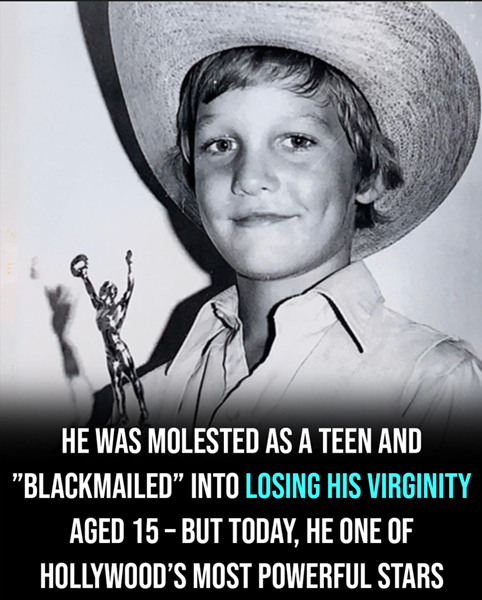
In Greenlights, McConaughey disclosed experiences of sexual coercion and assault during his teenage years. He has written that at age 15 he was blackmailed into losing his virginity, and at 18 he was sexually assaulted while unconscious in the back of a van.
These revelations were shared without graphic detail and without assigning himself the identity of a victim. Instead, he contextualized them as painful chapters that required processing and resilience. By including these experiences in his memoir, McConaughey joined a broader cultural movement encouraging survivors—particularly male survivors—to speak openly about abuse.
His choice to disclose these events decades later reflects both personal growth and a desire to reduce stigma. In interviews promoting the memoir, he emphasized that shame thrives in silence and that transparency can be a path toward empowerment.
Importantly, McConaughey has been clear that these experiences did not define him. Rather, they became part of a larger narrative about self-determination. His perspective underscores a key theme that runs throughout his life story: adversity can be integrated without becoming identity.
The Philosophy of “Greenlights”
The title of his memoir serves as both metaphor and manifesto. For McConaughey, a “greenlight” represents affirmation—an indication to move forward. A “red light” signals pause or recalibration. A “yellow light” requires caution and reflection.

What distinguishes his outlook is his belief that even red and yellow lights can eventually turn green. Obstacles, rejection, and pain can become catalysts for clarity. This philosophy is not presented as naive optimism but as practiced discipline—choosing interpretation over reaction.
This mindset would later shape his approach to career decisions, including his well-documented shift away from romantic comedies in the late 2000s—a period he refers to as a professional “rebrand” that eventually led to some of his most acclaimed performances.
But before the awards and critical acclaim, there was simply a young man from Texas navigating a complicated emotional landscape—learning, sometimes painfully, how to stand upright in uncertainty.
McConaughey’s first major breakthrough came with the 1993 cult classic Dazed and Confused, directed by Richard Linklater. In the film, he portrayed David Wooderson, a laid-back, confident, and slightly roguish figure navigating the final day of high school. Wooderson’s cool detachment, combined with McConaughey’s natural charm and effortless charisma, made the character instantly memorable.
The role showcased McConaughey’s ability to command attention without dominating the screen—a skill that would become a hallmark of his performances. Critics noted his presence as magnetic and distinctly Texan, and fans quickly associated him with a unique blend of charm, philosophical musings, and easygoing confidence. Yet, while the role brought attention, it did not immediately define his career trajectory.
Following Dazed and Confused, McConaughey appeared in a variety of supporting roles and smaller projects, each offering opportunities to explore different aspects of his craft. Films such as Angels in the Outfield (1994) and A Time to Kill (1996) allowed him to experiment with more dramatic material, highlighting his range beyond the breezy persona of Wooderson. By the late 1990s, McConaughey had built a portfolio that suggested both potential and adaptability.
Romantic Comedy Era: Charm Meets Typecasting
By the early 2000s, McConaughey had emerged as Hollywood’s leading man in romantic comedies, a genre that capitalized on his charisma and physical presence. He starred in popular films such as The Wedding Planner (2001), How to Lose a Guy in 10 Days (2003), and Failure to Launch (2006). These roles solidified his image as the quintessential romantic lead: charming, confident, and approachable.
However, McConaughey has candidly reflected on this period as a double-edged sword. While the films were commercially successful, they contributed to a typecasting pattern that risked limiting his career. Critics often dismissed these performances as superficial, and McConaughey himself later admitted that he felt creatively unfulfilled despite the financial and public recognition.
It was during this period that McConaughey began to envision a career pivot—a conscious decision to “reinvent” himself as an actor capable of tackling complex, dramatic material that would challenge both him and audiences. This period of self-reflection was critical, demonstrating early signs of his philosophical approach to career management, which he later formalized in Greenlights: recognizing when a project is a greenlight or a red light, and having the courage to make transformative decisions accordingly.

The “McConaissance”: Risk, Transformation, and Depth
The late 2000s and early 2010s marked a defining turning point in McConaughey’s career, often referred to by critics and fans as the “McConaissance.” He deliberately stepped away from romantic comedies, instead seeking roles that required profound physical and emotional commitment.
His performance in The Lincoln Lawyer signaled the start of this reinvention. Playing Mick Haller, a morally ambiguous defense attorney, McConaughey demonstrated a capacity for complexity and nuance far beyond his earlier work. The role earned critical praise and reestablished his credibility as a serious actor.
This trajectory culminated in the transformative role of Ron Woodroof in Dallas Buyers Club. McConaughey’s portrayal of Woodroof—a real-life figure diagnosed with AIDS in the 1980s—was a masterclass in physical and emotional immersion. To authentically embody Woodroof, McConaughey lost nearly 50 pounds, a process that required meticulous diet control, constant medical supervision, and intense psychological preparation.
Beyond the physical transformation, McConaughey captured Woodroof’s complex personality: defiance against systemic injustice, vulnerability in the face of mortality, and humor as a coping mechanism. The performance resonated deeply with audiences and critics alike, earning him the Academy Award for Best Actor and solidifying his place among Hollywood’s elite.
Philosophical Approach to Acting and Career Choices
McConaughey’s career reinvention was not merely a series of calculated moves; it was informed by a broader philosophical framework emphasizing self-reflection, risk-taking, and ethical alignment. In Greenlights, he explains that his choices in film and life often hinge on whether a project represents a “greenlight”—an opportunity aligned with his principles, growth, or passion—or a “red light,” signaling a path to avoid.
This philosophy guided his selective approach post-Oscar. Roles such as Cooper in Interstellar and Rust Cohle in True Detective allowed him to explore emotional depth, intellectual complexity, and moral ambiguity. In Interstellar, McConaughey portrayed a father torn between duty, survival, and love, navigating scientific and existential dilemmas. In True Detective, his portrayal of Cohle—a detective grappling with nihilism, personal trauma, and philosophical inquiry—demonstrated an uncanny ability to inhabit psychological complexity with precision and intensity.
Critics frequently highlighted his versatility, noting that McConaughey had transcended his early romantic comedy persona to become a performer capable of commanding both blockbuster films and auteur-driven narratives. His career renaissance was as much about timing and opportunity as it was about a willingness to confront discomfort, uncertainty, and physical challenge.
Advocacy Through Personal Experience
Parallel to his professional evolution, McConaughey’s personal advocacy gained prominence. Drawing upon his own experiences of sexual coercion and assault, he engaged in projects and initiatives aimed at prevention, education, and support. Notably, his involvement in the University of Texas’ SURE Walk program showcased a commitment to tangible action: shuttling students home safely after dark and raising awareness about sexual assault on campus.
These efforts were grounded in empathy informed by lived experience. McConaughey has often remarked that having navigated personal trauma, he recognized the importance of proactive intervention and community responsibility. His philanthropy and advocacy demonstrate an integration of personal history with public influence—a synthesis of lived wisdom and tangible impact.

Balancing Fame, Family, and Philosophy
During this period, McConaughey also embraced family life. His relationship with Camila Alves, whom he married in 2012, and their three children—Levi, Vida, and Livingston—became central to his identity. Parenthood allowed McConaughey to apply lessons from his own turbulent upbringing, emphasizing stability, empathy, and moral guidance. He has frequently noted that fatherhood reshaped his perspective on time, priorities, and the responsibilities inherent in raising compassionate, resilient children.
Moreover, McConaughey’s engagement with mindfulness, journaling, and deliberate reflection—practices elaborated in Greenlights—helped him navigate the pressures of fame. He approached career choices, public appearances, and personal life with intentionality, balancing the demands of Hollywood with the ethical and emotional needs of his family and personal philosophy.
The Art of Turning Trials into Triumphs
What emerges in Part Two of McConaughey’s life is a portrait of transformation: the deliberate shift from typecast romantic lead to complex, Oscar-winning actor; the integration of personal trauma into public advocacy; and the cultivation of resilience in the face of professional and personal challenges.
The McConaissance was not accidental—it was the product of conscious risk, reflection, and the courage to step away from comfort zones. Every decision, from leaving rom-coms behind to selecting physically demanding and psychologically intricate roles, reflects a deep understanding of personal alignment and opportunity.
This period illustrates a core theme that runs throughout McConaughey’s life: adversity, whether rooted in childhood, adolescence, or professional stagnation, can be harnessed as fuel for growth. His narrative embodies a philosophy where obstacles are not endpoints but catalysts, where reflection and choice create pathways to transformation.
By the mid-2010s, Matthew McConaughey had not only redefined his career but also begun to crystallize the guiding principles that would define his broader legacy. Part Three of his story is less about early development or career breakthrough and more about the sustained integration of personal philosophy, advocacy, family life, and the cultivation of influence. Here, the narrative moves from the transformative “McConaissance” to a life consciously lived with purpose, resilience, and compassion—anchored by the lessons of a challenging childhood and early trauma.
Mastery of Craft and Continued Professional Evolution
Following his Oscar-winning turn in Dallas Buyers Club, McConaughey continued to seek roles that challenged conventional expectations. In True Detective, he portrayed Rust Cohle, a detective whose philosophical outlook and psychological complexity provided a stark contrast to the romantic leads of his early career. Critics lauded the performance as transformative, noting his ability to convey existential dread, subtle humor, and moral ambiguity in equal measure.
Similarly, in Interstellar, McConaughey played Cooper, a pilot and engineer facing interstellar travel, environmental collapse, and the profound responsibilities of parenthood. The film demanded intellectual rigor, emotional vulnerability, and a nuanced approach to storytelling. These roles cemented McConaughey’s reputation as an actor unafraid to explore difficult, multidimensional characters.
Importantly, this phase also demonstrated his willingness to embrace physical and emotional risk. He often subjected himself to intensive research, extreme diet regimens, and psychological immersion in character studies, reflecting a disciplined approach to craft that mirrored the resilience he cultivated in his personal life.
Advocacy Rooted in Experience
McConaughey’s public influence extends beyond film. Drawing on his experiences with sexual coercion and assault during adolescence, he has championed awareness and preventive action. One notable example is his involvement with the University of Texas’ SURE Walk program, which promotes student safety by offering supervised transportation late at night. McConaughey personally drove students, using visibility and celebrity to highlight the importance of campus safety and sexual assault prevention.
These actions reflect a philosophy central to his life: personal suffering can become a platform for collective good. McConaughey has emphasized that advocacy is not performative but rooted in lived experience. By transforming his early trauma into a tool for protection and awareness, he exemplifies how resilience can extend beyond individual healing to broader societal impact.
Philosophical Reflections: The “Greenlights” Mindset
At the core of McConaughey’s public and private philosophy is the concept of “greenlights.” In Greenlights, he frames life’s events as signals—green for go, yellow for caution, and red for stop. However, he challenges readers to recognize that red and yellow lights are often precursors to green. Obstacles, pain, and rejection can be reframed as opportunities for growth, insight, and eventual affirmation.
This mindset informs his professional decisions, personal relationships, and approach to adversity. McConaughey’s willingness to step away from lucrative but creatively limiting roles, to take on physically and emotionally taxing projects, and to publicly share intimate and painful experiences all reflect a disciplined practice of interpreting life events as meaningful signals rather than mere happenstance.
Parenthood and Family Philosophy
McConaughey’s approach to fatherhood demonstrates the integration of philosophy into daily life. As the father of Levi, Vida, and Livingston, he has openly discussed how his own childhood informs his parenting style. He strives to provide stability, unconditional love, and emotional guidance—elements he often lacked during his early years.
Moreover, he actively teaches his children resilience, empathy, and moral discernment. He emphasizes that mistakes are opportunities for learning and that navigating challenges with integrity is more important than seeking avoidance of discomfort. McConaughey’s reflections on parenthood reveal a commitment to breaking cycles of dysfunction and fostering a nurturing environment that balances discipline with compassion.
Cultural Impact and Influence
Matthew McConaughey’s influence extends far beyond his filmography. His candid discussions about trauma, resilience, and personal philosophy challenge cultural stigmas around vulnerability, particularly for men. By addressing subjects like sexual assault, moral conflict, and personal growth publicly, he helps normalize conversations that have historically been taboo.
His story resonates not only with aspiring actors but also with survivors of abuse, young parents, and anyone navigating adversity. McConaughey’s blend of charm, philosophical reflection, and authentic vulnerability positions him as a figure capable of shaping public discourse around personal accountability, resilience, and empathy.
The Intersection of Success, Trauma, and Personal Growth
A defining theme in McConaughey’s life is the integration of trauma into constructive personal growth. Experiences that might have led to lasting bitterness or withdrawal became, in his narrative, catalysts for self-reflection, moral development, and advocacy. His memoir illustrates that trauma, while never desirable, can be processed in a way that strengthens empathy, enhances decision-making, and motivates purposeful action.
He consistently reframes challenges—from childhood family volatility to adolescent coercion, from career uncertainty to the demands of fame—not as permanent impediments but as opportunities to understand himself and others more deeply. This approach is as much a psychological strategy as it is a philosophical one, emphasizing agency, perspective, and intentionality.
Legacy: Art, Philosophy, and Compassion
Today, McConaughey’s legacy is multifaceted. Artistically, he leaves behind a body of work that demonstrates both range and depth, encompassing romantic comedy, drama, action, and television narratives of profound psychological complexity. Professionally, he exemplifies the potential of reinvention—showing that strategic risk-taking and disciplined self-reflection can redefine career trajectories.
On a personal and societal level, McConaughey’s legacy is equally significant. By sharing his experiences with trauma and advocating for social causes, he models vulnerability, courage, and empathy. His life encourages audiences to embrace adversity as a teacher, to prioritize ethical action, and to seek growth through intentional reflection.
Conclusion: From Trauma to Triumph
Matthew McConaughey’s life story is a testament to the capacity of human resilience. From a tumultuous childhood in Texas and experiences of sexual coercion and assault, to career reinvention and the pursuit of meaningful advocacy, he embodies the principle that adversity need not define a life—it can illuminate it.
Through Greenlights, his roles, and his public actions, McConaughey demonstrates a philosophy that blends gratitude, deliberate choice, and ethical engagement with the world. His journey illustrates that personal growth, artistic fulfillment, and societal contribution are not mutually exclusive but deeply interconnected.
Ultimately, McConaughey’s narrative offers inspiration not because it glosses over hardship, but because it shows that pain, when integrated with reflection, purpose, and action, can fuel a life of depth, joy, and impact. It is a story of transformation—where obstacles become opportunities, vulnerability becomes strength, and life, in all its complexity, becomes a series of greenlights leading forward.
