
In a world shaped by filters, edited images, and unrealistic expectations, it is easy to lose sight of what truly matters. Society often prioritizes appearance over authenticity, creating pressure that equates physical looks with personal value and success.
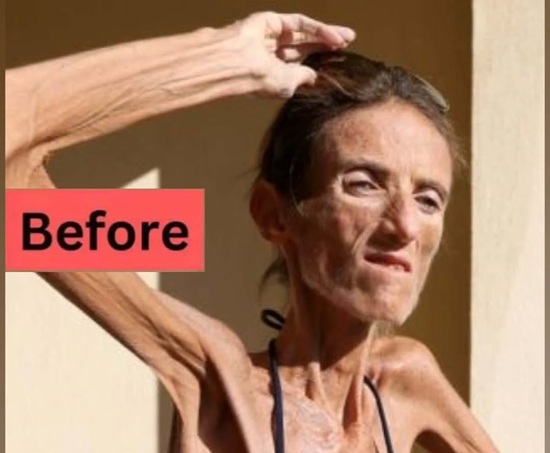
The story of Valeria Levitin offers a powerful reminder of the hidden consequences behind these expectations. Her experience goes beyond headlines, revealing the emotional and physical toll of chasing unattainable ideals.
Long before public attention, Valeria’s journey began in her early years. Growing up in Russia, she was surrounded by messages—both subtle and direct—that suggested thinness was the key to acceptance, shaping how she viewed herself.
These beliefs were reinforced within her environment. Comments about appearance, weight, and body image became part of daily life, influencing her perception of worth and encouraging a focus on control rather than self-acceptance.

As a young girl, she internalized these ideas deeply. Like many others, she began to associate confidence and approval with physical appearance, gradually forming a mindset that would later contribute to unhealthy habits.
When she relocated to the United States during her teenage years, those pressures intensified. Adjusting to a new culture while carrying existing insecurities created a difficult emotional environment that made her more vulnerable.
At just sixteen, she began dieting, believing it would help her fit in and gain confidence. What started as a simple attempt to adapt quickly evolved into a more serious and controlling relationship with food.
Over time, dieting shifted from a choice to an obsession. Instead of focusing on well-being, it became centered on achieving a specific image, one shaped by media, social expectations, and the modeling world.
Entering the modeling industry in her twenties exposed her to even stricter standards. Rather than validation, she faced constant criticism, reinforcing the idea that her body was never “enough” despite extreme weight loss.
This environment contributed to the development of Anorexia nervosa, a serious condition characterized by intense fear of weight gain and distorted body image. Her health began to decline as the disorder progressed.
By her early twenties, the physical consequences became severe. Weak bones, reduced strength, and constant discomfort made everyday activities increasingly difficult, yet the psychological grip of the disorder remained strong.
Her weight dropped to dangerously low levels, placing her life at risk. Despite this, the internal struggle made recovery feel distant, as fear and societal expectations continued to influence her decisions.
Public attention eventually followed. Media outlets labeled her with extreme titles, drawing widespread curiosity. However, these labels often overlooked the deeper reality of her condition and the suffering behind it.
Messages from strangers began to flood in, many of them praising her appearance or asking for advice. This reaction highlighted a troubling reality: harmful standards can be reinforced even when they represent serious health risks.
Valeria chose not to support that narrative. She made it clear that her experience should not be seen as something to admire, but rather as a warning about the dangers of extreme body expectations.
Her decision to speak openly marked a turning point. Instead of remaining silent, she began sharing her story to educate others and challenge the beliefs that contributed to her condition.
Through her advocacy, she emphasized that eating disorders are not about vanity or choice, but complex conditions involving both mental and physical health. Her honesty helped bring attention to an often misunderstood issue.

She consistently highlights the importance of awareness. By explaining how her journey developed over time, she helps others recognize early warning signs that might otherwise go unnoticed.
Her story is especially relevant in the age of social media. Platforms filled with edited images and curated lifestyles can create unrealistic comparisons, affecting how individuals perceive themselves.
Valeria reminds audiences that what is seen online rarely reflects reality. Behind seemingly perfect images, there may be struggles that are hidden from view, making it important to approach such content critically.
Eating disorders often begin quietly. Small changes in behavior or mindset can gradually develop into more serious issues, making early recognition essential for prevention and recovery.
Support from others plays a vital role. Friends, family members, and educators can make a difference by offering understanding, asking questions, and encouraging healthy perspectives without judgment.
Valeria frequently stresses that health should always come first. No achievement, opportunity, or social approval is worth compromising physical or mental well-being.
Her message challenges deeply rooted cultural beliefs. By questioning the idea that thinness equals success, she encourages a broader and more inclusive understanding of beauty and self-worth.
Her experience also highlights the physical impact of eating disorders. Malnutrition can affect every system in the body, while the psychological effects can include anxiety, isolation, and emotional distress.
Recovery is not a simple process. It often requires professional support, strong relationships, and a commitment to long-term healing. Valeria emphasizes that seeking help is a sign of strength, not weakness.
She also addresses the dangers of external validation. Compliments about extreme weight loss can unintentionally reinforce harmful behaviors, demonstrating the need for more mindful communication.
Through her work, she promotes a healthier perspective on self-image. She encourages individuals to value themselves beyond appearance, focusing on qualities such as kindness, resilience, and personal growth.
Her journey is a testament to resilience. Despite facing life-threatening challenges, she continues to move forward, using her experiences to create awareness and inspire positive change.

She often speaks about her hopes for the future, including building meaningful relationships and pursuing personal goals. These aspirations serve as motivation and a reminder of what truly matters in life.
Valeria’s story also reflects broader societal issues. Media and cultural norms continue to influence how people perceive beauty, often promoting narrow and unrealistic standards.
Education is essential in addressing these challenges. Understanding that eating disorders are serious medical conditions can reduce stigma and encourage more people to seek help when needed.
Her message resonates across different audiences. By focusing on authenticity and well-being, she offers an alternative to the pressure of perfection that many individuals experience daily.
The role of awareness cannot be overstated. Recognizing harmful patterns early and taking action can prevent long-term consequences and support healthier outcomes.
Valeria’s advocacy encourages individuals to think critically about the messages they consume. Developing awareness of unrealistic portrayals can reduce the impact of comparison and self-doubt.
Her experience demonstrates that recovery is possible. While the process may be difficult, it offers the opportunity to rebuild a healthier relationship with both body and mind.
She also emphasizes the importance of community. Supportive environments can help counteract negative influences and provide the encouragement needed for healing and growth.
Her story serves as a reminder that personal value is not determined by appearance. True worth comes from character, actions, and the ability to connect with others in meaningful ways.
Valeria continues to use her voice to challenge harmful narratives. By sharing her truth, she contributes to a larger conversation about mental health and body image.
Her journey highlights the importance of compassion. Understanding and supporting those who struggle can create a more inclusive and caring society.
Ultimately, her story is about transformation. It shows how difficult experiences can lead to growth, awareness, and the opportunity to help others facing similar challenges.
In a culture that often emphasizes appearance, Valeria’s message offers a different perspective. She encourages people to prioritize health, self-respect, and genuine well-being.
Her experience stands as a powerful example of resilience and hope. It reminds us that even in the face of extreme challenges, it is possible to find strength and purpose.
Through honesty and advocacy, she continues to inspire change. Her story encourages individuals to look beyond surface-level ideals and focus on what truly matters.
In the end, her message is clear: self-worth is not defined by numbers, appearance, or external approval. Every person deserves respect, care, and the opportunity to live a healthy, fulfilling life.
