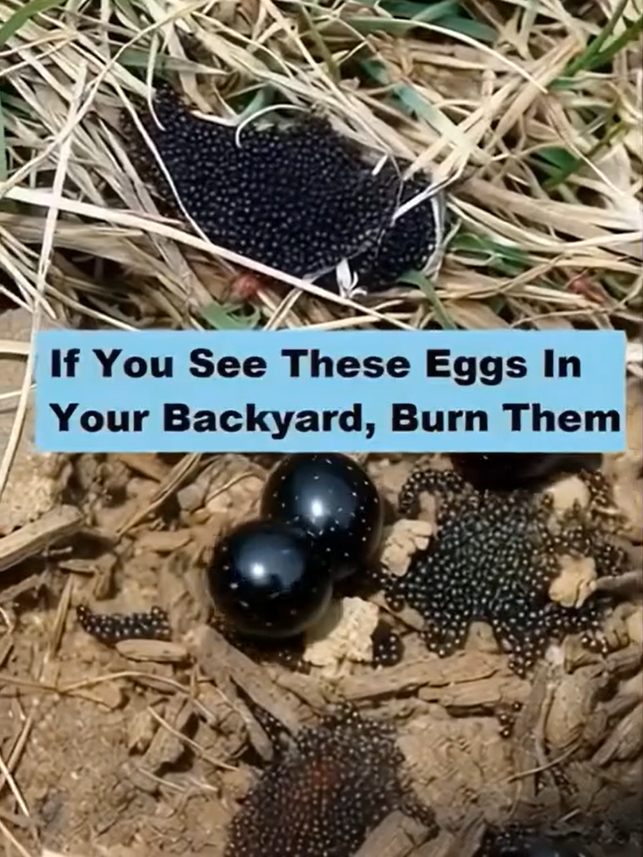
Discovering tick eggs in your backyard is not just an unsettling sight—it is a critical public health concern that warrants immediate attention.
These microscopic eggs, often no larger than a poppy seed, are the very first stage of a tick infestation. Though tiny, their potential impact is enormous:
left unchecked, a single clutch of eggs can result in hundreds or even thousands of ticks, each capable of spreading serious diseases to humans and pets alike. Gaining a deep understanding of what tick eggs look like, where they are commonly found, and why early intervention is crucial can empower homeowners to protect their families, pets, and the broader environment.
What Tick Eggs Look Like
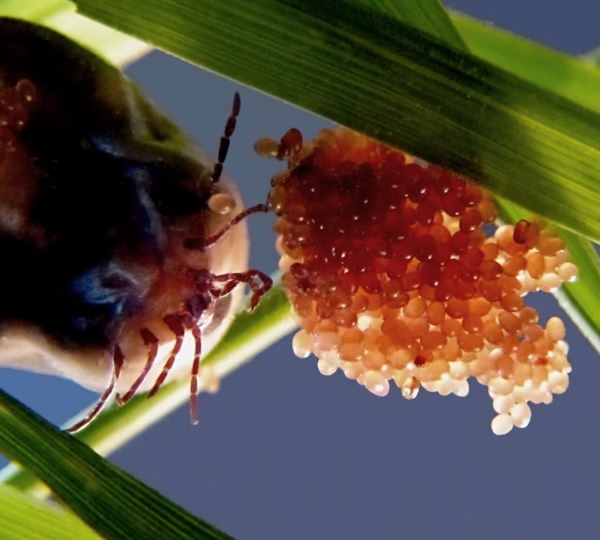
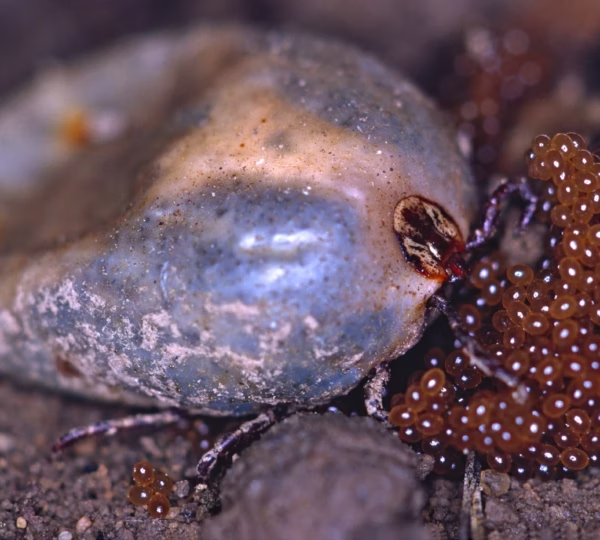
Tick eggs are extremely small and subtle, making them easy to overlook even in well-maintained yards. When freshly laid, they often appear pale, almost translucent, sometimes with a faint greenish or whitish tint. As they age, the eggs gradually darken to shades of beige or light brown, becoming slightly more visible against natural surfaces like soil or mulch. Female ticks are prolific egg layers, often depositing hundreds to thousands of eggs at once in dense, sticky clusters that adhere to surfaces.
Unlike adult ticks, which are mobile and actively search for hosts, eggs are stationary until they hatch. This immobile stage provides a valuable window for homeowners to intervene before the population grows. Early detection of even a small batch of eggs can prevent a rapid surge in tick numbers over the following weeks.
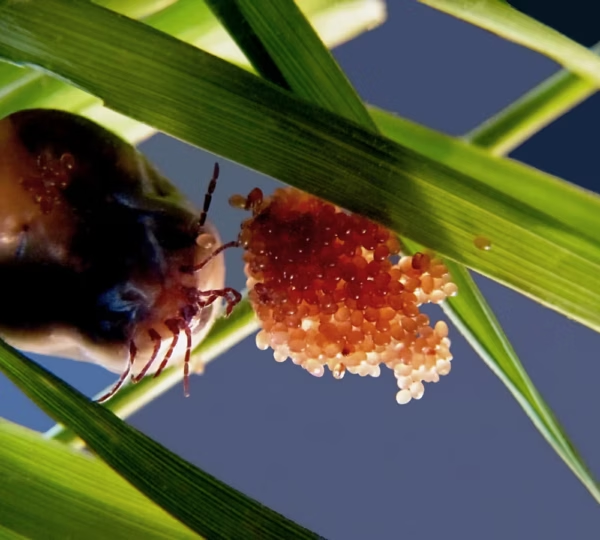
When inspecting your yard, pay close attention to clusters that might be nestled within crevices, under leaves, or along damp surfaces. Recognizing the visual characteristics of tick eggs—their clustered arrangement, small size, and subtle coloration—can make the difference between a manageable issue and a full-blown infestation.
Where Tick Eggs Are Commonly Found
Ticks thrive in humid and shaded environments, as moisture is essential for egg and larval survival. Female ticks seek out protected locations to lay eggs, often choosing areas that remain hidden from sunlight and retain high humidity. Common places where tick eggs are deposited in residential yards include:
- Leaf Litter: Shaded areas with accumulated fallen leaves create a naturally humid microenvironment. Leaf piles not only conceal eggs but also protect emerging larvae from drying out, making them prime sites for tick reproduction.
- Tall Grass: Lawns that are overgrown or fields with long grass provide cover and moisture, creating ideal conditions for female ticks to deposit eggs safely. Even seemingly unassuming patches of tall grass along property edges can harbor eggs.
- Mulch Beds: Garden mulch, especially when dense and moist, retains humidity and offers a protected surface for egg clusters. Decorative mulch around pathways or flower beds can become a hidden breeding ground if not regularly maintained.
- Woodpiles: Stacked logs or firewood left close to the ground in damp areas offer shade and shelter. Eggs laid in these areas are particularly concerning, as adult ticks may also inhabit the same spaces.
- Bushes and Shrubs: Dense undergrowth provides both shade and protection from wind and sunlight. Female ticks often deposit eggs at the base of shrubs or within thick foliage.
- Gardens with Dense Vegetation: Closely packed plants, especially those that block sunlight and trap moisture, are excellent environments for ticks to lay eggs. Flowerbeds, vegetable gardens, or ornamental plant clusters can all be vulnerable.
Ticks are highly opportunistic. Any shaded, damp, or sheltered environment in your yard has the potential to become a tick nursery, particularly in regions with high humidity and moderate temperatures. Regular inspections, especially during spring and summer, are crucial to identify and manage these risk areas before the eggs hatch and larvae begin to actively seek hosts.
The Tick Life Cycle: Why Egg Control is Essential
Understanding the tick life cycle underscores why controlling eggs is one of the most effective strategies for preventing infestations. Ticks undergo four primary life stages: egg, larva, nymph, and adult. Each stage has its own behavior, habitat preference, and potential for disease transmission.
- Egg Stage: Female ticks lay eggs in clusters in protected environments. Depending on temperature and humidity, eggs may hatch in as little as one week or take several weeks to develop. Because they remain immobile, eggs present a unique opportunity for early intervention. Removing or treating them before hatching can dramatically reduce the risk of a growing infestation.
- Larval Stage (“Seed Ticks”): Once hatched, the tiny six-legged larvae immediately begin searching for a host to feed on. Larvae are extremely small, almost microscopic, and can easily go unnoticed by humans and pets. Despite their size, these larvae are capable of transmitting certain pathogens if they feed on an infected host.
- Nymph Stage: After feeding and molting, larvae develop into eight-legged nymphs. Nymphs are more mobile than larvae and actively seek hosts, significantly increasing the risk of disease transmission. Their small size and mobility make them particularly difficult to detect during early infestation stages.
- Adult Stage: Fully grown ticks are highly mobile and actively pursue larger hosts, including humans, pets, and wildlife. Adult female ticks, after feeding, reproduce and lay thousands of new eggs, continuing the cycle.
The entire life cycle from egg to adult can occur in a matter of months, depending on environmental conditions and host availability. Because ticks reproduce rapidly and efficiently, early detection and elimination of eggs is a crucial first step in preventing a full-scale infestation. Proactive measures at the egg stage not only reduce the immediate tick population but also minimize the future risk of tick-borne diseases.
Health Risks Associated with Ticks
Ticks are more than just a nuisance—they are vectors for multiple serious illnesses. Once tick eggs hatch, the larvae can feed on infected hosts, picking up pathogens that may later be transmitted to humans or pets. Key tick-borne diseases include:
- Lyme Disease: Caused by the bacterium Borrelia burgdorferi, Lyme disease can lead to fatigue, joint pain, neurological complications, and, if left untreated, chronic health problems.
- Rocky Mountain Spotted Fever (RMSF): Transmitted primarily by the American dog tick, RMSF can cause high fever, rash, organ damage, and potentially fatal complications without prompt treatment.
- Ehrlichiosis and Anaplasmosis: These bacterial infections affect blood cells and immune function. Symptoms often include fever, headache, and fatigue, and serious cases can require hospitalization.
- Babesiosis: A parasitic infection of red blood cells that can cause fever, chills, and hemolytic anemia. Severe cases may require blood transfusions or intensive care.
- Tularemia: Although rare, tularemia is a potentially life-threatening bacterial infection transmitted by certain tick species and contact with wildlife.
Because tick eggs eventually hatch into larvae that feed and grow into disease-carrying nymphs and adults, controlling eggs is critical for reducing exposure to these illnesses. Every step taken to prevent eggs from hatching contributes directly to the health and safety of your household and pets.
Once tick eggs are identified in your yard, the next step is to act cautiously and methodically. Handling tick eggs improperly can inadvertently contribute to a larger infestation or increase the risk of disease transmission. This section covers best practices for safe handling, removal techniques for ticks on humans and pets, comprehensive yard management strategies, and proactive prevention methods to minimize exposure.
Safe Handling of Tick Eggs
Because tick eggs can hatch into larvae capable of transmitting pathogens, handling them safely is essential:
- Wear Protective Gloves: Always use disposable or thick gardening gloves when handling tick eggs or potentially contaminated debris. Avoid direct skin contact to reduce the risk of exposure to pathogens.
- Use Sealed Containers for Removal: Carefully collect eggs in a sealable plastic bag or airtight container. This prevents larvae from escaping and spreading. Avoid shaking or disturbing the container excessively.
- Avoid Crushing the Eggs: Crushing eggs may release pathogens and increase contamination risks. Instead, leave them intact and ensure proper disposal.
- Seek Professional Guidance: Contact a licensed pest control service or your local environmental health department for advice on safely removing large egg clusters. Professionals can recommend treatments that target tick eggs without harming pets, plants, or beneficial insects.
- Avoid Unsupervised Chemical Use: While pesticides can be effective, using them without proper guidance can be hazardous. Incorrect application may harm children, pets, or wildlife. Only apply chemical treatments following expert recommendations.
By following these precautions, homeowners can minimize risks while addressing tick infestations at their earliest stage.

Tick Removal from Humans and Pets
Despite preventive measures, ticks may attach to humans or pets. Safe removal is crucial to prevent pathogen transmission:
For Humans:
- Use Fine-Tipped Tweezers: Grasp the tick as close to the skin’s surface as possible, avoiding the body of the tick.
- Pull Steadily and Evenly: Apply slow, steady pressure to extract the tick. Avoid twisting or crushing, which can cause parts of the tick to remain embedded.
- Clean the Bite Area: Thoroughly wash the bite site with soap and warm water or use an antiseptic.
- Monitor for Symptoms: Watch for signs of infection, including fever, rash, or flu-like symptoms. Seek medical attention promptly if symptoms appear.
For Pets:
- Regular Checks: Inspect pets daily, particularly after outdoor activities in grassy or wooded areas.
- Veterinarian-Approved Preventatives: Use tick collars, spot-on treatments, or oral medications recommended by a veterinarian.
- Safe Removal: If a tick attaches to your pet, use tweezers to remove it carefully, similar to human tick removal. Follow with antiseptic treatment of the bite area.
Routine checks and preventive measures are essential, as ticks can attach quickly and often go unnoticed due to their small size.
Comprehensive Yard Management and Prevention Strategies
Reducing tick populations in your yard involves creating an environment that is less hospitable to ticks and interrupting their life cycle. A combination of landscaping, habitat modification, and natural deterrents provides the most effective long-term control.
1. Lawn and Vegetation Management
- Mow Grass Regularly: Short grass limits the humid microenvironments that ticks prefer.
- Remove Tall Weeds and Brush: Keep the yard clear along fence lines, pathways, and property edges to reduce hiding places.
- Prune Trees and Shrubs: Increase sunlight exposure and reduce humidity, discouraging ticks from laying eggs.
- Edge Pathways: Maintain clear separations between lawn, flowerbeds, and wooded areas to create physical barriers against tick movement.
2. Removal of Leaf Litter, Debris, and Mulch
- Clear Leaf Piles and Garden Waste: Accumulated leaves and organic debris retain moisture and provide shelter for eggs and larvae.
- Stack Firewood Properly: Elevate woodpiles off the ground and store them away from homes or frequently used paths.
- Maintain Mulch Beds: Use dry, loose mulch rather than dense, moist layers. Consider replacing mulch annually to reduce the risk of harboring eggs.
3. Landscaping with Tick-Repellent Plants
Certain plants naturally repel ticks and can be integrated strategically in the yard:
- Lavender: Strong scent deters ticks and other insects.
- Rosemary: Thrives in sunny spots, discouraging tick activity.
- Mint: Spreads readily and produces compounds that ticks avoid.
- Marigolds and Chrysanthemums: Can reduce tick presence in garden borders and flowerbeds.
By incorporating these plants near entrances, pathways, and play areas, homeowners create a buffer zone that naturally reduces tick density.
4. Natural Repellents and Perimeter Treatments
- Plant-Based Oils: Cedarwood oil, neem oil, or other natural sprays can be applied along yard perimeters to reduce tick presence.
- Avoid Broad Chemical Sprays: Indiscriminate use of pesticides can harm beneficial insects, pets, and local wildlife. Targeted application is always preferred.
- Barrier Methods: Consider installing physical barriers, such as wood chips or gravel, between lawns and wooded areas to discourage tick migration.
5. Discouraging Wildlife Hosts
Many tick species rely on wildlife hosts for reproduction. Limiting these hosts reduces the chances of tick establishment:
- Remove Attractants: Birdseed, pet food left outdoors, and open trash can attract deer, squirrels, and rodents.
- Use Fencing: Restrict access to high-wildlife zones to reduce encounters between ticks and potential hosts.
- Encourage Predators Carefully: Owls, foxes, and other natural predators may help control rodents that carry ticks, but avoid introducing non-native or invasive species.
By combining habitat modification, targeted repellents, and wildlife management, homeowners create an environment less favorable for tick egg deposition and survival.
Seasonal Awareness for Tick Control
Ticks are most active during spring and summer months, but mild climates can allow them to survive year-round. Homeowners should understand seasonal patterns to maximize prevention:
- Early Spring: Female ticks lay eggs in shaded, humid areas. This is the critical time to inspect yards and remove early egg clusters.
- Late Spring and Early Summer: Larvae emerge and begin feeding on small hosts. Intervention at this stage helps prevent nymphal and adult populations from establishing.
- Summer: Nymphs and adults become increasingly active. Regular yard maintenance, inspections, and preventive treatments protect humans and pets during peak exposure periods.
- Fall: Adult ticks may continue to seek hosts, particularly in mild regions. Leaf removal and yard clean-up reduce overwintering habitats.
Regular inspection schedules, particularly during these high-risk periods, allow homeowners to detect and manage tick populations before they escalate.
Despite diligent yard maintenance, safe egg handling, and personal protection, some tick infestations may require professional assistance or advanced integrated strategies. This section delves into professional options, long-term prevention, and education strategies for families to minimize the risk of tick-borne diseases while maintaining a safe and enjoyable outdoor environment.
Professional Pest Control Options
When tick eggs are found in large clusters or infestations persist despite preventive efforts, professional pest control services can provide targeted, effective solutions:
- Targeted Treatment of High-Risk Areas
Professionals can identify areas most likely to harbor tick eggs, larvae, and adults. These areas often include shaded woodpiles, dense vegetation, and mulch beds. Targeted treatment ensures that resources are focused where they are most needed, increasing effectiveness while minimizing environmental impact. - Safe Application of Insecticides
Licensed pest control services use chemical treatments that are approved for tick control and safe for both humans and pets when applied correctly. Unlike over-the-counter products, professional-grade insecticides often include barrier sprays and controlled-release formulations that reduce tick populations over time without harming beneficial insects. - Tick Tubes and Rodent-Targeted Control
Certain tick species, such as the black-legged tick (Ixodes scapularis), rely on small rodents like mice to complete their life cycle. Pest control experts can deploy tick tubes—cotton treated with permethrin—inside rodent habitats. Rodents carry the treated cotton into their nests, effectively killing ticks at the larval and nymphal stages before they spread. This method targets the root of the infestation while minimizing chemical use in open areas. - Long-Term Management Plans
Professionals often create seasonal treatment schedules that combine multiple approaches: barrier sprays along property edges, habitat modification, and rodent-targeted treatments. A long-term plan ensures sustained reduction of tick populations year-round and addresses recurring risk factors.
Professional intervention is particularly recommended when:
- Tick eggs are found in large numbers across multiple areas.
- There is a known history of tick-borne illnesses in your region.
- Your property borders wooded or high-wildlife zones.
- Homeowners have pets or children who spend significant time outdoors.
Integrated Tick Management for Families
Integrated Tick Management (ITM) combines multiple strategies to provide the most effective and sustainable control of tick populations. ITM is centered on the principle of addressing every stage of the tick life cycle while minimizing chemical exposure and environmental disruption. Key components include:
1. Environmental and Yard Management
- Consistent Lawn Care: Regular mowing, trimming, and removal of brush and weeds reduce the shaded, moist environments that ticks prefer.
- Strategic Planting: Incorporate tick-repelling plants such as lavender, rosemary, mint, and marigolds near homes, pathways, and play areas to discourage tick presence naturally.
- Debris Removal: Clear leaves, branches, and other organic matter that retain moisture and provide tick shelter.
2. Personal Protection and Education
- Protective Clothing: When walking through wooded areas or tall grass, wear long sleeves, pants, and closed shoes. Tuck pant legs into socks to reduce skin exposure.
- Repellents: Use EPA-approved tick repellents on skin and clothing for additional protection, particularly in high-risk areas.
- Family Education: Teach all household members to recognize ticks and avoid high-risk areas. Encourage regular self-checks after outdoor activities, especially in spring and summer.
3. Pet Safety Measures
- Preventive Treatments: Administer veterinarian-recommended tick collars, spot-on treatments, or oral medications regularly.
- Routine Inspections: Check pets daily, especially after outdoor activities, to catch ticks before they attach or lay eggs.
- Safe Outdoor Spaces: Limit pet access to dense vegetation or known wildlife corridors, and maintain cleared, sunny areas in yards.
4. Monitoring and Early Detection
- Regular Yard Inspections: Check leaf litter, mulch beds, woodpiles, and shaded areas for tick eggs.
- Tick Traps: Certain non-toxic traps can help detect early nymphal activity, providing early warning of increasing tick populations.
- Record-Keeping: Note locations, dates, and quantities of detected eggs and ticks. This data helps professionals or homeowners adjust preventive strategies effectively.
Advanced Prevention Techniques
Beyond standard yard maintenance and professional interventions, several advanced strategies further reduce the risk of infestation:
- Mulch and Ground Cover Management: Replace dense, moist mulch with drier, loose materials. Install gravel or wood chip borders along lawns to create dry zones that ticks avoid.
- Landscape Zoning: Maintain clear separation between wooded areas and recreational spaces. Use barriers or landscaping fabric to restrict tick migration.
- Use of Beneficial Insects: Certain insects, like parasitic wasps, naturally prey on tick eggs and larvae. Encouraging these species in your yard can provide an additional biological control measure.
- Water Management: Avoid areas where water pools, as excessive moisture supports tick survival. Proper drainage reduces favorable tick habitats.
Education and Awareness: Empowering Families
Preventing tick infestations is not just about immediate actions—it’s about fostering a culture of awareness and preparedness:
- Teach Children: Educate children on avoiding tick habitats and performing thorough self-checks after outdoor play.
- Community Awareness: Share information with neighbors to reduce regional tick populations and create a safer environment collectively.
- Consult Reliable Sources: Follow guidance from reputable organizations such as the Centers for Disease Control and Prevention (CDC) or local public health departments for current tick activity and disease risks.
- Stay Updated on Seasonal Trends: Monitor local tick activity patterns, as timing varies with climate and geography. Being proactive during peak seasons ensures early intervention.
Long-Term Strategies for Sustained Tick Control
- Routine Yard Maintenance: Make lawn mowing, debris clearing, and shrub trimming a year-round habit.
- Integrated Pest Management: Combine environmental modifications, natural repellents, and professional treatments. Avoid relying solely on chemicals or one single method.
- Regular Health Monitoring: Keep up with veterinary care for pets and seek prompt medical attention for suspected tick-borne illnesses.
- Record-Keeping and Evaluation: Track tick activity and the effectiveness of your control measures. Adjust strategies based on observed trends.
By implementing these long-term measures, homeowners not only reduce immediate tick infestations but also create a sustainable, low-risk environment for years to come.
Conclusion: Proactive Steps Ensure Safety and Peace of Mind
Finding tick eggs in your yard is a clear signal that proactive measures are necessary. From early detection and safe handling of eggs to advanced integrated strategies and professional pest control, every step contributes to reducing the risk of tick-borne illnesses.
By combining environmental management, personal protection, pet safety, education, and professional guidance, families can significantly reduce tick populations and enjoy outdoor spaces safely. Preventive efforts are always more effective, cost-efficient, and safer than trying to control a fully established infestation.
Vigilance, consistency, and knowledge are the cornerstones of tick prevention. By staying informed, regularly inspecting your yard, employing integrated strategies, and educating all household members, you create a protective environment that minimizes risk, safeguards health, and allows you to enjoy your backyard with confidence and peace of mind.