

Fans of Ned’s Declassified School Survival Guide were recently reminded of the unpredictable and often harsh realities that can follow childhood fame when news surfaced about Tylor Chase.
The actor who portrayed Martin Qwerly on the beloved Nickelodeon series. At 36 years old, Chase’s story has again captured public attention—not for his performances on television, but for the personal struggles he has faced in adulthood, including homelessness and mental health challenges.
His experience serves as a sobering example of the vulnerabilities that former child actors may face when the structure, support, and guidance that helped sustain them as young performers are no longer present.
The situation first came to widespread public notice when social media influencer Citlalli Wilson, widely known online as Lethal Lalli, shared a series of videos depicting Chase living on the streets of Los Angeles. In these clips, Chase appeared disoriented and exhausted, clearly struggling to manage even the most basic daily needs.
The videos spread rapidly across social media platforms, garnering millions of views and triggering a wave of concern and empathy among fans who had grown up watching him bring humor and energy to their screens. For many, the images of Chase, once a vibrant and lively child actor, struggling visibly in public spaces, were both shocking and heartbreaking.

The Fundraiser: Community Action and Public Support
In response to the viral attention, a grassroots fundraising campaign was quickly launched to provide Chase with immediate support. The fundraiser aimed to cover essential needs, including housing, food, clothing, and resources that could help him regain stability.
Despite the modest sum of $1,207 raised, the campaign reflected a meaningful demonstration of community care and the willingness of fans and concerned individuals to step in during a moment of crisis. The fundraiser’s description explicitly highlighted the broader goal:
“This fundraiser is dedicated to helping him with safe housing, food, basic necessities, and the resources he needs to get back on his feet. Every donation, no matter the size, will make a real difference in giving Tylor hope and stability as he works toward a brighter future.”
While the campaign began as a practical effort to provide comprehensive aid, updates on the distribution of funds were soon shared through Wilson’s videos. These posts documented a “refresh” for Chase, focusing primarily on personal care and clothing. Wilson was shown carrying bags filled with jackets, jeans, shoes, and other items, all chosen to meet Chase’s expressed preferences. She described the experience in deeply personal and spiritual terms, stating that the day was “a way for God to use me as a vessel to help bless someone,” emphasizing her desire to provide dignity and care.
A Human Moment on the Streets
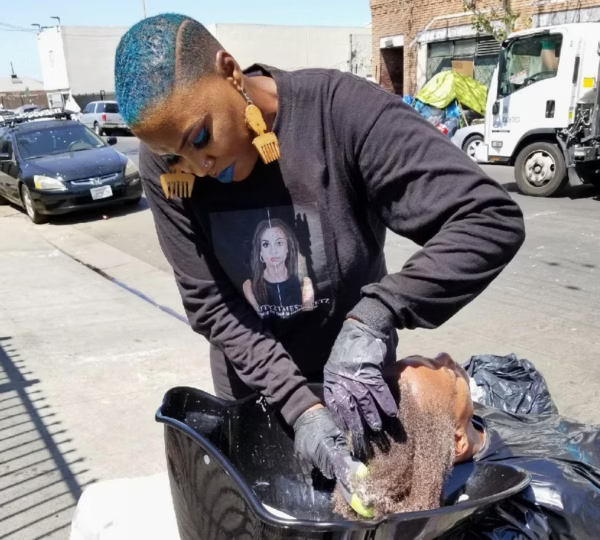
Among the most poignant moments captured in the footage was a scene in which Wilson washed Chase’s hair on the sidewalk using only a plastic water bottle and soap. The simplicity of the act contrasted with the depth of its symbolism: it was an expression of basic human dignity and care amid challenging circumstances.
Chase’s reactions were deeply moving. He expressed gratitude repeatedly, sometimes clasping his hands together and saying, “Thank you so much, these are so pretty,” as he received each item of clothing. The videos concluded with a photograph of Chase, Wilson, and a friend smiling warmly—a rare moment of connection and normalcy amid the difficulties he faced.
Despite the warmth of these gestures, the videos sparked debate among viewers. Some praised Wilson for her approach, emphasizing the importance of respect, kindness, and restoring dignity to someone in a vulnerable situation. Others criticized the focus on clothing and temporary refreshes, arguing that the deeper issues—mental health support, sustainable housing, and financial stability—were not being directly addressed. This debate highlighted the complex nature of supporting someone experiencing both homelessness and long-term mental health challenges: visible acts of generosity provide immediate relief, but they may not offer the long-term stability needed for recovery.
Mental Health Challenges and Underlying Struggles
Chase’s mental health history is an important context for understanding his current circumstances. He has publicly shared his diagnosis of bipolar disorder through YouTube videos and interviews, discussing how it has affected his life, relationships, and professional opportunities. Friends and insiders have noted that his mental health challenges have likely contributed to difficulties with substance use, financial management, and maintaining steady housing.

A close source connected to Chase contacted Wilson privately, emphasizing that he “needs medical attention more than money, but he refuses it.” They added that practical challenges compound the situation: Chase frequently misplaces essential items like phones and struggles to manage medications and finances independently. These factors make sustainable assistance difficult and underscore the limitations of charitable donations without professional intervention.
The news of Tylor Chase’s circumstances prompted a wide range of reactions from fans and the public alike. For many who grew up watching Ned’s Declassified School Survival Guide, seeing Chase in such a vulnerable state was deeply emotional. Social media platforms were flooded with messages of nostalgia, concern, and empathy. Fans shared memories of his character Martin Qwerly—the witty, slightly awkward, but ultimately endearing classmate—and reflected on how Chase’s presence had shaped their childhood entertainment experiences. One fan remarked, “He was my first TV crush as a kid. Seeing him like this now is heartbreaking, but I hope he finds the help he needs.”
Other fans took a broader, more reflective approach. Many recognized the fragility of child stardom and the systemic issues that affect young actors once their shows end. Comments frequently highlighted the difficulty of transitioning from a childhood in the spotlight to a stable adult life, especially without adequate educational or vocational preparation. A common sentiment expressed was that early fame, while glamorous at the time, can leave young performers unprepared for the challenges of adulthood, particularly when compounded by mental health difficulties.
Alongside expressions of empathy, some voices offered critical perspectives that prompted discussion about the structural factors contributing to Chase’s situation. One observer noted:
“That’s the problem with investing your childhood into acting without building a foundation for the future. Many child actors don’t pursue degrees or trades, and when the spotlight fades, they are left navigating adult responsibilities with little support.”
This type of reflection underscores the complex interplay of fame, mental health, and socioeconomic stability. It also highlights an often-overlooked truth: child actors, despite early success, may require ongoing guidance and support well into adulthood to navigate basic life challenges.

The Complex Nature of Public Assistance
The fundraising campaign and Wilson’s visible acts of care sparked further discussion about the ethics and efficacy of public charity in the context of homelessness and mental health. On one hand, the gestures were undeniably positive: providing clothing, personal hygiene care, and emotional support brought tangible relief and a sense of dignity to Chase’s daily life. On the other hand, critics argued that these acts, while well-intentioned, may address only the surface-level needs rather than the root causes of his situation.
Experts in social work and mental health emphasize that homelessness often involves a combination of structural, social, and personal factors. Temporary relief—such as clothing or a one-day “refresh”—can offer comfort, but long-term stability requires coordinated interventions. These may include:
- Consistent mental health care: Access to psychiatrists, therapists, and support groups to manage conditions like bipolar disorder.
- Stable housing: Long-term or transitional housing programs that offer safety, structure, and continuity.
- Financial management support: Guidance on budgeting, banking, and income stability.
- Vocational or educational training: Opportunities to build skills and pursue sustainable employment.
Chase’s situation illustrates the limitations of relying solely on social media-driven initiatives. While public attention can bring immediate aid, it cannot replace the systemic support required for lasting recovery. The balance between compassion, visibility, and practical assistance is delicate, particularly when the person in need struggles with engagement or consistent adherence to medical advice.
Childhood Fame and Its Lingering Impact
Tylor Chase’s experience is emblematic of a broader phenomenon faced by former child actors. Early fame provides opportunities that many can only dream of—financial rewards, public recognition, and unique life experiences. Yet, these benefits often come at a cost. Child performers may encounter:
- Financial instability: Earnings from childhood acting may not be managed or saved properly, leaving gaps in adult financial security.
- Limited social development: Growing up in a work-focused environment can limit interaction with peers outside the entertainment industry.
- Mental health vulnerabilities: The pressures of fame, public scrutiny, and career uncertainty can exacerbate or trigger conditions such as anxiety, depression, and bipolar disorder.
- Lack of transferable skills: Without formal education or vocational training, transitioning to adult careers can be difficult.
When these factors intersect with limited support networks, the consequences can be severe. Public cases like Chase’s provide a window into the challenges of sustaining personal and financial stability after childhood fame, offering lessons for both the entertainment industry and society at large.
Ethical Considerations in Public Charity
The viral nature of Chase’s story raises important questions about ethical charity work in the digital age. Social media amplification can create immediate attention and funding, but it can also generate pressure to act quickly, sometimes prioritizing optics over sustainable outcomes. Key ethical considerations include:
- Consent and dignity: Ensuring that the individual receiving aid is respected and not objectified for views or likes.
- Sustainability: Balancing short-term relief with long-term solutions that address underlying needs.
- Accuracy: Avoiding misrepresentation of a person’s condition or needs in pursuit of virality or public engagement.
In Wilson’s case, while her actions brought tangible support and emotional connection, they also prompted debate about the limitations of high-visibility gestures. Experts note that holistic care—combining emotional support, practical assistance, and professional intervention—is essential for genuine improvement in the lives of those experiencing homelessness and mental health struggles.
While the viral fundraiser and acts of personal care brought immediate relief to Tylor Chase, experts and advocates emphasize that these gestures, though meaningful, are only the beginning of what is required for long-term stability. Homelessness and mental health struggles are complex, interlinked challenges that demand structured intervention, consistent support, and professional guidance.
For Chase, long-term recovery and stability may involve several coordinated approaches:
- Comprehensive Mental Health Treatment: Bipolar disorder is a chronic condition that often requires a combination of medication, therapy, and ongoing monitoring. Access to trained mental health professionals—psychiatrists, therapists, and support groups—can provide the framework necessary to manage mood fluctuations, reduce the risk of relapse, and address associated challenges such as substance use. The fact that Chase reportedly resists medical intervention highlights the delicate nature of engagement and the importance of building trust over time.
- Stable Housing Solutions: Numerous studies have shown that reliable housing is a critical first step for individuals experiencing homelessness. Programs such as transitional housing, supportive housing with case management, and rental assistance not only provide physical safety but also create a foundation from which individuals can address other areas of their lives, including health care, employment, and social connections.
- Vocational and Educational Support: Early fame often leaves former child actors without formal educational credentials or transferable skills. Providing opportunities for training, adult education, or vocational programs can help individuals like Chase regain independence, build confidence, and achieve financial stability. Even part-time work or structured volunteer activities can foster a sense of purpose and inclusion in the broader community.
- Financial and Daily Life Skills: Many adults emerging from child stardom face difficulties managing personal finances, bills, and daily responsibilities. Case managers, financial literacy programs, or mentoring can equip individuals with the practical skills required to navigate everyday life successfully.
- Community and Social Support: Recovery is rarely a solitary journey. Friends, family, social workers, and community organizations all play a vital role in offering emotional support, guidance, and accountability. Fostering a network of consistent relationships can provide the stability and encouragement necessary to sustain progress over time.
Lessons from Tylor Chase’s Story
Chase’s journey highlights both the opportunities and risks inherent in childhood stardom. His life demonstrates the fleeting nature of fame and the challenges of transitioning from public attention to private responsibility. Beyond the individual level, his story also serves as a reflection on societal responsibilities toward vulnerable populations and the role of the entertainment industry in preparing young performers for adulthood.
Several key lessons emerge from his experience:
- Early Intervention Matters: Proactively supporting child actors with education, mental health resources, and life skills can prevent many adult hardships. Programs that provide financial management training and counseling during formative years may reduce the likelihood of future instability.
- Holistic Support Over Visibility: While social media fundraising and viral videos can generate immediate relief, lasting improvement often depends on coordinated, professional care rather than highly visible gestures alone. Compassion and generosity must be paired with structured intervention.
- Community Awareness and Advocacy: Public attention can be a double-edged sword. While awareness can generate support and funding, it may also put individuals in the spotlight in ways that compromise privacy or dignity. Responsible advocacy emphasizes informed action that prioritizes the person’s needs over the optics of the act.
- The Complexity of Mental Health: Bipolar disorder and other mental health conditions often intersect with social and economic instability. Understanding the nuances of these conditions is critical for providing meaningful assistance. Patience, empathy, and professional guidance are essential components of effective support.
Reflections on Kindness and Responsibility
Citlalli Wilson’s efforts to assist Chase illustrate the power of individual action motivated by compassion. Her focus on restoring dignity through clothing, personal care, and attention highlights the importance of human connection in moments of vulnerability. Yet, the ongoing conversation around Chase’s needs underscores that true impact extends beyond visible gestures. Meaningful assistance must address both immediate comfort and systemic challenges, combining empathy with practical solutions.

For fans, observers, and advocates, Chase’s story serves as a call to action: to look beyond viral content, to understand the unseen struggles individuals may face, and to engage in solutions that are sustainable, respectful, and holistic. Short-term gestures, while valuable, should ideally function as entry points into a broader framework of support that encompasses mental health care, housing, vocational training, and ongoing social guidance.
Conclusion: A Story of Resilience and Awareness
Tylor Chase’s life offers a poignant reminder of the fragility of childhood fame and the resilience required to navigate adulthood amid personal and societal challenges. While the public fundraiser and acts of kindness brought moments of relief, the broader story is one of ongoing struggle, reflection, and the need for comprehensive care. Chase’s journey underscores that compassion, while powerful, is most effective when combined with sustained, professional, and structured intervention.
Beyond the specifics of one individual’s experience, his story resonates universally. It reflects the responsibility communities hold toward vulnerable populations, the importance of thoughtful support for those facing mental health challenges, and the need for society to invest in long-term solutions rather than only short-term visibility. Childhood fame does not guarantee protection against life’s hardships, and acts of kindness must extend beyond the surface to address the underlying issues that shape human experience.
Ultimately, Tylor Chase’s story is both a cautionary tale and a narrative of hope. It reminds us that life can be unpredictable, that early success does not preclude adult challenges, and that meaningful change often requires sustained effort from multiple angles. His journey is a testament to the resilience of the human spirit, the impact of compassion, and the critical importance of addressing both visible needs and the unseen struggles that accompany them. For fans, supporters, and the public alike, his life invites reflection, action, and a renewed commitment to supporting individuals with dignity, empathy, and lasting care.
