
Randy Travis, one of country music’s most beloved voices, has long been celebrated for his storytelling, heartfelt performances, and enduring contributions to the genre.
From humble beginnings in Marshville, North Carolina, Travis rose to become a defining figure in modern country music.
Blending traditional sounds with contemporary storytelling that resonated deeply with fans across generations. His career, marked by multiple Grammy Awards, CMA honors, and chart-topping hits, reflects not only immense talent but also an unwavering commitment to authenticity and emotional honesty in his work.
Among his many songs, “Three Wooden Crosses,” released in 2002 from the album Rise and Shine, stands out as a defining moment in both his career and personal legacy.
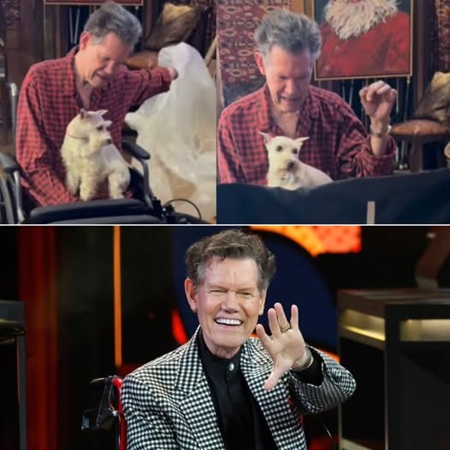
This Christmas, Travis experienced a profoundly meaningful moment that captures the essence of his journey, both as an artist and as a human being. His wife, Mary, presented him with a custom wheelchair, thoughtfully and lovingly designed with three wooden crosses painted on the back.
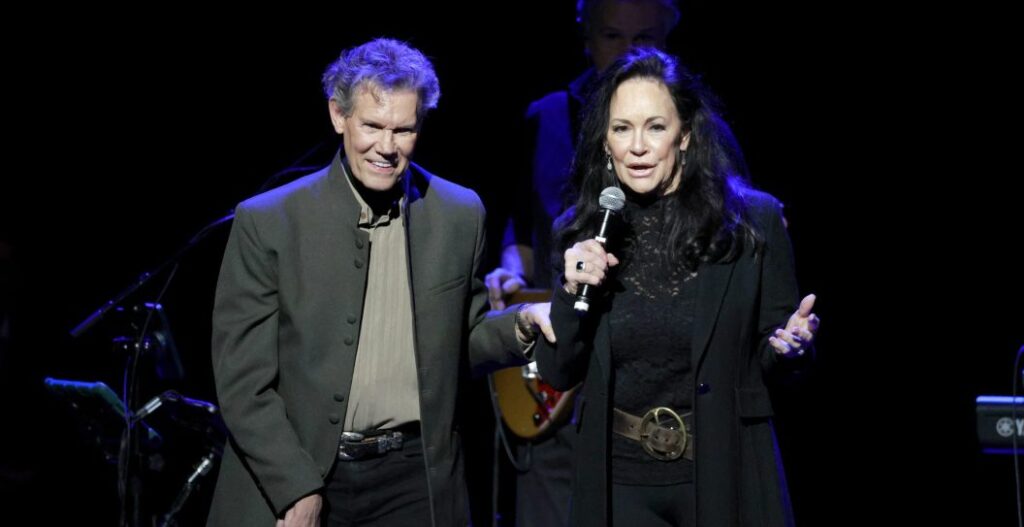
The symbolism is clear, serving as a tribute to his iconic song “Three Wooden Crosses” while also honoring the personal and professional struggles he has overcome over the years.
This gift is more than functional—it is deeply personal, representing the story of a man whose life and career have been intertwined with faith, perseverance, and resilience.
“Three Wooden Crosses,” written by Kim Williams and Doug Johnson, is widely regarded as one of Travis’ most poignant and spiritually resonant songs. The track tells a narrative rich with themes of faith, redemption, and the consequences of human choices, following the intertwined lives of four characters on a fateful journey.
Its lyrical depth and storytelling craftsmanship allowed the song to transcend traditional country audiences, climbing into the Top 40 of the Billboard Hot 100 and earning numerous accolades, including CMA Song of the Year and a Dove Award.
Beyond chart success, it became a cultural touchstone, resonating with fans as a spiritual narrative that speaks to the trials, triumphs, and moral questions that define the human experience.
For Travis, “Three Wooden Crosses” was not just a hit; it was a career-defining statement, a song that encapsulated his voice, values, and connection with his audience.
The significance of this Christmas gift is further magnified by the health challenges Travis has faced in recent years. In 2013, he suffered a devastating stroke caused by complications from viral cardiomyopathy, an event that dramatically altered his life.
The stroke impaired much of his ability to speak and move, making everyday activities and professional performances a significant challenge. The journey to recovery has been long, arduous, and marked by countless hours of therapy and small victories that carry immense personal meaning.
Over the years, fans have witnessed glimpses of progress: Travis has regained limited mobility, can walk short distances, and has regained some ability to speak.
Moments where he sings lines from beloved songs such as “Forever and Ever, Amen” evoke profound emotion, often moving listeners to tears and highlighting the enduring power of music to heal, connect, and inspire.
In this context, the custom wheelchair is not merely a practical tool; it carries layers of symbolism and emotional resonance. It represents a merging of functionality, personal history, and artistic legacy. The three wooden crosses on the back act as a tangible reminder of his enduring contributions to country music, his faith, and the stories he has told through his songs.
Every time Travis uses the wheelchair, he carries with him both the practical support he needs and a piece of the narrative that has defined much of his adult life.
Mary’s thoughtful gesture acknowledges not only his ongoing struggles and triumphs but also the artistry, meaning, and impact embedded in his work. It’s a gift that honors his past while supporting his present and future, bridging personal love and professional legacy in a deeply meaningful way.
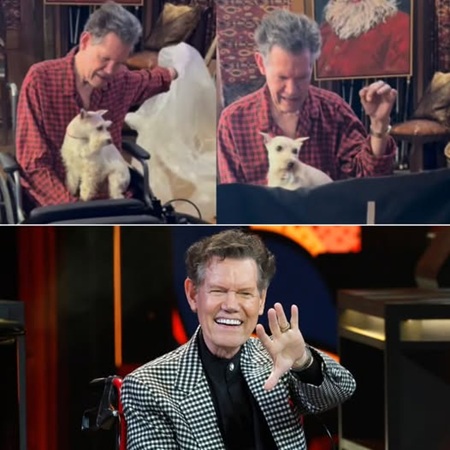
Social media captured the moment beautifully, amplifying the heartwarming nature of the gift. Photos and videos show Travis smiling quietly, a mixture of joy, gratitude, and reflective emotion evident in his expression.
The caption accompanying the post summed up the moment simply and elegantly: “We surprised Randy on Christmas, and he LOVES his new custom wheelchair with Three Wooden Crosses!” The brevity of the caption belies the profound significance of the gift itself, yet those who know Travis’ story understand the depth of meaning behind this act.
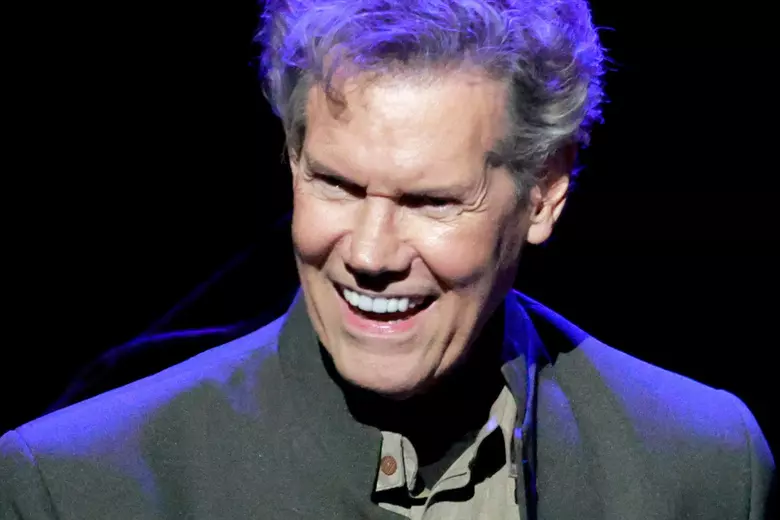
It is an embodiment of recognition, remembrance, and ongoing support, quietly celebrating both his musical legacy and his resilience in the face of life-altering challenges.
Fans responded to the post with an outpouring of admiration, empathy, and love. Many expressed how moving it was to see such a personal, meaningful gesture between husband and wife.
Others highlighted the enduring relevance of “Three Wooden Crosses” in their own lives, sharing stories of how the song provided comfort, hope, or inspiration during difficult times. For long-time followers of Travis’ career, the wheelchair serves as a powerful symbol of continuity:
despite health setbacks and the physical limitations brought on by stroke, the essence of Randy Travis—the artist, the storyteller, the man of faith—remains intact. This public celebration of personal love, musical legacy, and perseverance offers fans a reminder of the human capacity for endurance, gratitude, and emotional connection.
Beyond the immediate context of the gift, this moment illustrates the larger narrative of Randy Travis’ life. From his modest upbringing in Marshville to becoming a household name, his journey has been marked by determination, talent, and the ability to connect deeply with audiences.
Songs like “Three Wooden Crosses” are not just professional achievements—they reflect the personal values, experiences, and beliefs that have guided him through decades of public attention.
The Christmas gift from Mary is an extension of this narrative, symbolically linking the personal and professional dimensions of Travis’ life into a single, poignant expression of care, love, and remembrance.
The significance of Mary’s thoughtful Christmas gift extends far beyond the material. For Randy Travis, it represents recognition of a lifetime dedicated to music, storytelling, and faith.

The three wooden crosses on the wheelchair are not merely decorative—they are deeply symbolic, referencing the song that became one of the most defining points of his career, Three Wooden Crosses.
This song, deeply rooted in themes of redemption, faith, and human connection, is inseparable from Travis’ identity as an artist and as a man of conviction. The gesture encapsulates the intertwined nature of his personal struggles, his spiritual beliefs, and his enduring impact on fans worldwide.
Fans immediately resonated with the imagery and the symbolism of the gift. Social media platforms were flooded with comments praising both Randy and Mary for the heartfelt gesture. Many highlighted the emotional resonance of the song, recalling how Three Wooden Crosses had helped them navigate difficult moments in their own lives.
Others expressed admiration for the couple’s love and dedication to one another, seeing the gift as a perfect manifestation of empathy, care, and shared history.
For a community that has followed Travis’ journey for decades—from his rise in country music to the health challenges he has faced in recent years—this gift became a symbol of hope, resilience, and the enduring power of meaningful connections.
Randy’s reaction to the gift was understated yet profoundly moving. Unlike a moment of overt spectacle, his joy came through in quiet smiles, reflective glances, and the heartfelt expression of gratitude that only someone who has faced profound personal challenges can convey.
Observers noted that the wheelchair, adorned with the three wooden crosses, serves not only as a functional tool for mobility but as a visual testament to the continuity of Travis’ life story. It represents the triumph of spirit over adversity, the integration of career and personal life, and the ongoing presence of faith and hope in daily life.
This moment also highlights the way personal history and professional achievement intersect in Travis’ life. Growing up in Marshville, North Carolina, Travis faced humble beginnings, and his path to stardom was shaped by determination, talent, and the ability to connect authentically with audiences.
His songs, particularly those like Three Wooden Crosses, are reflections of this journey, emphasizing storytelling, emotional resonance, and moral lessons.
By gifting a wheelchair that pays homage to one of his most meaningful songs, Mary created a tangible bridge between the challenges he has overcome and the legacy he has built.
The gift is a reminder that every hardship, every moment of triumph, and every note sung on stage is part of a greater narrative—a narrative that fans continue to follow, celebrate, and find inspiration in.
Moreover, the story of Randy Travis’ recovery adds an additional layer of depth to the significance of this gift. After his stroke in 2013, caused by viral cardiomyopathy, Travis’ life changed dramatically.
The road to rehabilitation was long and required immense patience, resilience, and support from family, friends, and caregivers. Each small victory—being able to walk a few steps, speak a few words, or sing a familiar chorus—became monumental.
Within this context, Mary’s gift is an acknowledgment not only of his achievements in music but also of his ongoing courage in facing physical and neurological challenges.
It is both an act of love and a celebration of perseverance, capturing the essence of the man Randy Travis is today: resilient, thoughtful, and deeply connected to his faith and family.
The fan reactions underscore the broader cultural impact of such moments. People from around the world shared stories of how Three Wooden Crosses had shaped their own lives, illustrating the universal reach of Travis’ music.
Some spoke of spiritual awakenings, personal redemption, or emotional healing inspired by the song’s narrative. Others emphasized the role of the song as a family touchstone, played at gatherings, shared with loved ones, and passed down across generations.
In combining this music with a deeply personal gift, Mary created a moment that resonates on multiple levels: intimate, spiritual, emotional, and communal.
This gift also offers an inspiring example of how artistry and personal life can remain interconnected, even in the face of adversity. Travis’ story reminds us that legacy is not defined solely by commercial success, chart positions, or awards, though he has many of each.
It is defined by the lives touched, the stories told, and the ongoing influence of one’s work. By linking a personal, functional object to a song of profound significance, Mary’s gesture reinforces the narrative of connection, continuity, and celebration of life’s journey.
Beyond the immediate emotional impact, the wheelchair serves as a visual testament to resilience and hope. It is a tangible reminder that life’s circumstances may change, health may impose limitations, and time may alter abilities, but the core of identity, passion, and contribution remains intact.
For Travis, it is both a tool for mobility and a symbol of enduring artistry, faith, and the love that surrounds him. Every glance at the three wooden crosses is a reminder of the journey he has traversed, the music he has shared, and the people who have supported him along the way.
In the broader context of public awareness, this moment offers an important lesson about empathy, care, and the value of personal connection. Fans see not just a wheelchair, but a narrative of compassion, recognition, and intentionality.
It highlights the ways in which loved ones can acknowledge life’s challenges, celebrate achievements, and create moments that honor the totality of a person’s experiences.
The story resonates particularly strongly for those who have faced illness, adversity, or life-altering events themselves, offering a model of dignity, respect, and emotional support.
Ultimately, Randy Travis’ Christmas gift exemplifies the deep intertwining of music, personal history, and human connection. It is a quiet yet powerful testament to the impact of art, the endurance of the human spirit, and the profound love that can be expressed through thoughtful gestures.
It also emphasizes that even as circumstances change, the heart of an artist—and the influence of their music—remains enduring. This story is a reminder that moments of love, recognition, and gratitude can transcend hardship, creating meaning that endures far beyond the gift itself.
As fans reflect on this moment, the image of Randy Travis smiling quietly in his custom wheelchair, adorned with three wooden crosses, will likely endure as a symbol of resilience, legacy, and the power of thoughtful love.
It is an affirmation that life’s trials do not erase joy, achievement, or the capacity to touch others with music and story. For Travis, Mary, and fans around the world, it is a Christmas memory that celebrates not just a song, a career, or a gift, but the enduring human qualities of faith, perseverance, and love—qualities that define both the artist and the man behind the music.
