
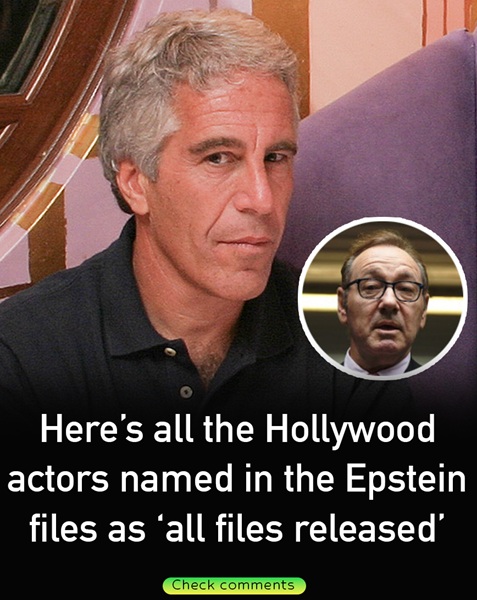
The shadow of Jeffrey Epstein, a financier and convicted sex offender, continues to extend across multiple spheres of society, from politics to business, philanthropy, and the entertainment industry.
While Epstein himself died in federal custody in August 2019, the investigation into his extensive network of contacts has persisted, fueled by court filings, unsealed documents, investigative journalism, and ongoing civil litigation.
These records have allowed the public to examine the complex network of social and professional relationships Epstein maintained over decades, often blurring the line between innocent association and potential criminal complicity.
Understanding Epstein’s influence requires acknowledging both the scale of his social reach and the legal clarity surrounding his crimes. While his name frequently appears alongside well-known figures in Hollywood, politics, and global business, authorities and legal analysts consistently emphasize that inclusion in Epstein-related documents does not, in itself, indicate criminal conduct, personal involvement in illegal activity, or even direct knowledge of his offenses. This distinction is crucial, especially in an era where social media and online news can amplify assumptions and speculation, sometimes irreversibly impacting reputations.
The Origins of Public Awareness
Epstein’s first brush with widespread public scrutiny came in 2008 when he reached a controversial non-prosecution plea agreement in Florida, related to the solicitation of minors. That case, which allowed him to serve a fraction of a sentence under relatively lenient conditions, drew criticism for its secrecy and the perception that wealth and connections provided him preferential treatment.

More than a decade later, in July 2019, Epstein was arrested on federal sex trafficking charges in New York, reigniting media attention and public outrage. His death shortly thereafter, ruled a suicide by authorities, intensified both speculation and investigative efforts into the full scope of his operations and relationships.
The arrest and subsequent death of Epstein catalyzed a wave of legal activity involving his associates. Ghislaine Maxwell, Epstein’s close confidante and former social companion, was charged with facilitating and recruiting underage girls for Epstein’s exploitation. Her 2021 federal trial culminated in a conviction on multiple counts, including sex trafficking of minors and conspiracy, resulting in a 20-year prison sentence.
Throughout the trial, thousands of pages of evidence, including emails, deposition transcripts, and witness testimony, were submitted into the public record, providing unprecedented insight into Epstein’s network. These documents have been periodically unsealed, often sparking renewed media attention whenever recognizable names appear.
Distinguishing Documentation from Criminal Responsibility
It is essential to appreciate the nuance of what the so-called “Epstein files” actually comprise. These files are not a single consolidated master list created by law enforcement to identify guilty parties. Rather, they include a broad array of materials:
- Civil and criminal court filings detailing allegations and claims connected to Epstein and Maxwell.
- Depositions and witness testimony, including personal accounts from victims and others involved in litigation.
- Email correspondence and internal communications, some of which contain informal or personal exchanges.
- Address books and contact lists, many maintained by Epstein or his associates.
- Flight manifests from Epstein’s private aircraft, often dubbed the “Lolita Express” in popular reporting.
- Photographs and event invitations, documenting social and professional gatherings attended by Epstein and others.
While these materials reveal the breadth of Epstein’s social and professional network, courts and legal authorities have repeatedly clarified that the mere presence of an individual’s name does not indicate criminal conduct. In many cases, appearances in the records simply reflect attendance at social events, professional encounters, or mention by a third party in the context of litigation. The challenge for both the public and the media lies in distinguishing between legitimate evidence of wrongdoing and superficial association.
Hollywood’s Intersection With Scandal
The entertainment industry has long been no stranger to public controversies and scandals. The conviction of producer Harvey Weinstein for sexual assault and rape in the late 2010s fundamentally reshaped Hollywood, giving rise to the #MeToo movement and prompting increased scrutiny of behavior within film, television, and media companies.
Other high-profile cases, such as the decades-long legal situation surrounding director Roman Polanski, illustrate the tension between artistic legacy, celebrity status, and accountability under the law. Even recent events, such as the tragic accidental shooting of cinematographer Halyna Hutchins on the set of Rust involving actor Alec Baldwin, highlight the industry’s ongoing grappling with safety, responsibility, and the legal implications of professional actions.
Within this context, any association — however peripheral — with Jeffrey Epstein tends to attract intense public attention. Social proximity, attendance at events, or even photographs with Epstein can lead to widespread speculation, which can unfairly affect reputations when not grounded in evidence.
Legal analysts emphasize that attendance at a dinner or flight does not automatically confer knowledge of, or complicity in, criminal activity. In Epstein’s case, the vast majority of well-known public figures who appear in court documents are mentioned in a manner reflecting social, professional, or circumstantial contact rather than criminal involvement.
Understanding Documented Interactions
Key figures in entertainment have been repeatedly referenced in reporting tied to Epstein. However, examination of these mentions reveals significant differences between casual association and actionable misconduct:
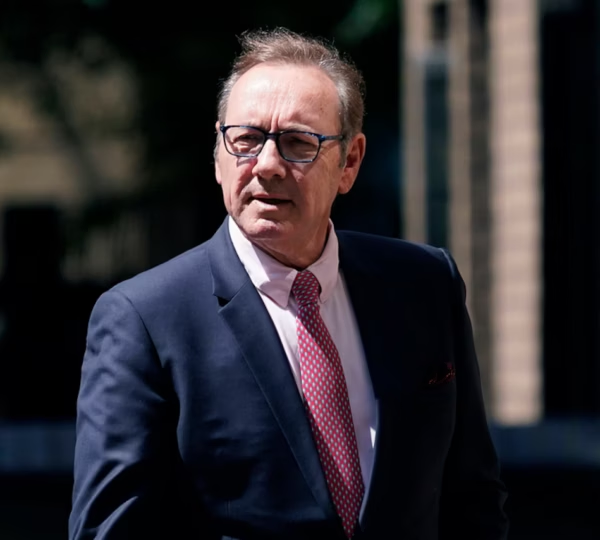
- Kevin Spacey appears in photographs from the early 2000s with Ghislaine Maxwell and former President Bill Clinton during a visit to London. Spacey has not faced charges related to Epstein’s crimes and, in other matters, has been acquitted of unrelated sexual assault allegations in the United Kingdom. He has publicly advocated for transparency in the release of Epstein records to clarify misunderstandings.
- Woody Allen has acknowledged attending a dinner at Epstein’s New York home but stated he had minimal contact and no awareness of criminal activity. No charges have been filed against him in connection with Epstein.
- Casey Wasserman, a prominent talent and sports executive, exchanged emails with Maxwell in the early 2000s. Some communications were personal in nature, but he has not been accused of any criminal wrongdoing.
Other entertainment figures, including Robert De Niro, Amy Schumer, Chris Tucker, Alyssa Milano, Whoopi Goldberg, and Minnie Driver, have appeared in flight logs, contact lists, or event photographs. In nearly all instances, these references document social presence rather than evidence of participation in illegal activity.
Courts and law enforcement agencies consistently note that appearances in unsealed documents must be interpreted carefully. Names can surface for numerous reasons — being listed in an address book, mentioned in testimony, attending a social event, appearing in photographs, or sharing a flight with Epstein — none of which, on their own, constitute evidence of criminal involvement.

As court documents and investigative reports have been released over the years, the public has gained unprecedented access to the sprawling social and professional networks maintained by Jeffrey Epstein. Yet, a careful examination of these materials is essential to avoid conflating proximity with complicity. The so-called “Epstein files” do not provide a master list of criminals; rather, they serve as a record of interactions — many innocent — spanning decades and involving a broad cross-section of society, from world leaders to academics, philanthropists, and entertainers.
The Nature of the Documents
The files are a patchwork of materials introduced in multiple civil and criminal proceedings. Among them:
- Emails and Correspondence: Thousands of pages of emails have surfaced, including exchanges between Epstein, Maxwell, and other acquaintances. These communications range from casual social planning to professional networking. While some contain inappropriate or flirtatious language, context is critical: unproven or informal correspondence alone does not constitute evidence of criminal conduct.
- Flight Manifests and Travel Logs: Epstein’s private aircraft, infamously nicknamed the “Lolita Express,” appears in flight records documenting travel by Epstein and various associates. Being listed on a flight manifest could indicate anything from attending a social function, participating in a charity event, or traveling for business. Authorities emphasize that inclusion on these lists does not automatically imply knowledge of or involvement in criminal activity.
- Address Books and Contact Lists: Epstein meticulously maintained contact records, which have been used in civil litigation and investigative reporting. Many individuals were included because they were social acquaintances, professional contacts, or recipients of invitations to gatherings, rather than subjects of investigation. Courts have noted that inclusion in these records is not evidence of wrongdoing.
- Depositions and Witness Testimony: Victims and other witnesses provided testimony that mentioned various public figures, either as peripheral observers or in recounting events. While these accounts are taken seriously in a legal context, they do not automatically indicate criminal participation by the individuals named.
- Photographs and Event Documentation: Images from social and professional gatherings often show Epstein alongside notable figures. However, photographs are merely visual records of presence, not indicators of criminal intent. For example, attending a dinner or charity event where Epstein was present does not prove complicity.
High-Profile Entertainment Figures
Among Hollywood figures, media coverage has highlighted several individuals whose names appear in these materials.
- Kevin Spacey: Photographs from London in the early 2000s depict Spacey with Ghislaine Maxwell and former President Bill Clinton. While these images have circulated widely, Spacey has not faced charges related to Epstein. Legal analysts note that social proximity, particularly in large networking events, is not sufficient to suggest criminal involvement.
- Woody Allen: Testimony indicates that Allen attended a dinner gathering that included Epstein and other prominent figures. Allen has consistently stated that he had minimal interaction with Epstein and no awareness of illegal activities. No charges have ever been filed against him in this context.
- Casey Wasserman: The entertainment executive appeared in emails with Maxwell, some containing personal or flirtatious content. Wasserman has publicly expressed regret for the tone of certain messages and emphasized that these interactions occurred long before Maxwell’s conviction. Again, there is no evidence of criminal activity.
- Other Figures: Robert De Niro, Amy Schumer, Chris Tucker, Alyssa Milano, Whoopi Goldberg, and Minnie Driver are among the other public figures referenced in reporting. These references typically relate to flight manifests, address books, or mentions in witness testimony regarding social gatherings. None have been charged with crimes connected to Epstein.
Why Names Appear
Several circumstances explain why an individual’s name might appear in Epstein-related documents:
- Social Events: Attendance at dinners, charity galas, or networking functions where Epstein was present.
- Professional Interactions: Meetings, negotiations, or collaborations in business or philanthropy.
- Mentions in Testimony: Recollection of events by witnesses or plaintiffs during deposition or trial.
- Documentation in Contact Records: Address books, email lists, or other administrative records.
- Travel Logs: Being listed as a passenger on flights, often for social or charitable purposes.
Legal authorities have stressed that these occurrences, while documented, do not establish criminal knowledge or participation. The presumption of innocence remains foundational; mere documentation of association is insufficient for criminal liability.

The Media’s Role and Public Perception
The Epstein case sits at the crossroads of wealth, power, celebrity, and criminality — a combination that naturally draws public interest. Media organizations reporting on these documents face a responsibility to differentiate between verified criminal convictions and mere association.
Sensational reporting, especially when names of well-known figures are highlighted without context, can lead to public misconceptions. Social media platforms often amplify these stories rapidly, sometimes equating appearance in court documents with guilt, despite legal authorities and courts clarifying otherwise.
Responsible reporting involves:
- Clearly distinguishing between convicted individuals and those merely mentioned in records.
- Providing context for social, professional, or circumstantial associations.
- Avoiding the conflation of photographic evidence or emails with criminal intent.
Broader Cultural and Legal Implications
The release of Epstein-related materials has prompted debates about transparency, accountability, and public trust. Advocacy groups argue for full disclosure of documents to ensure societal oversight, while others warn that selective or misleading interpretations can unfairly harm reputations.
In the entertainment industry, these revelations intersect with broader discussions about workplace ethics, harassment, and accountability. Studios and talent agencies have increasingly issued clarifications or statements when high-profile figures are referenced in connection with Epstein, emphasizing limited contact and the absence of criminal involvement.
In addition, the digital age amplifies historical records. Emails and photographs from decades past can resurface instantly, shaping narratives in real-time. Analysts and legal experts caution that historical social interaction does not necessarily reflect contemporary criminal knowledge or intent.
The ongoing public interest in Jeffrey Epstein’s network reflects broader societal concerns about power, influence, and accountability. Epstein’s social reach encompassed not only the entertainment industry but also politics, academia, finance, and philanthropy, creating a complex web that captured public attention and fueled speculation. In particular, Hollywood figures — by virtue of their visibility and media coverage — naturally became focal points whenever court documents or investigative reports referenced their names.
The Legal Perspective: Presumption of Innocence
A cornerstone of the legal system is the presumption of innocence. Federal authorities have consistently emphasized that appearing in Epstein-related materials is not evidence of criminal conduct. The only individuals convicted for crimes connected to Epstein’s sex trafficking network are Jeffrey Epstein himself and Ghislaine Maxwell. Epstein’s conviction in the 2008 Florida case, combined with federal charges filed in 2019, focused specifically on the solicitation and exploitation of minors. Maxwell’s 2021 conviction highlighted her active role in recruiting and grooming victims for Epstein.

All other individuals referenced in the documents — regardless of fame or proximity — have not been charged with offenses tied to these crimes. Courts and prosecutors differentiate carefully between peripheral social or professional associations and direct participation in illegal activity. For example, a witness might mention that a public figure attended a party where Epstein was present, or that someone appeared in a photograph at a charitable event, but such documentation alone cannot be used as proof of wrongdoing.
Legal analysts stress that this distinction is especially critical in cases involving high-profile networks, where social interactions can involve hundreds of acquaintances and professional contacts over decades. Misinterpretation of the records risks unfairly tarnishing reputations without evidentiary support.
Media Responsibility and Public Interpretation
The release of court documents and investigative findings has tested the boundaries of responsible journalism. Sensationalized headlines and social media posts often present names alongside Epstein’s without providing the crucial context that distinguishes mere association from criminal liability.
Responsible reporting requires:
- Differentiating verified convictions from allegations: Media coverage must clearly distinguish between those who have been proven guilty and those who are merely mentioned in records.
- Providing contextual background: A social dinner, flight, or professional email does not automatically imply complicity.
- Avoiding speculation without evidence: Conjecture about intent or participation should be clearly labeled as opinion, not fact.
- Ensuring proportionality: High-profile individuals naturally attract attention, but fairness requires reporting that considers the totality of available evidence.
While the public’s curiosity is understandable — fueled by the intersection of wealth, celebrity, and criminality — experts warn that overreliance on unverified claims or selective document releases can lead to misperceptions and reputational harm.
The Cultural and Social Implications
The Epstein case has broader cultural resonance. It highlights the ways in which wealth and social status can create networks that appear impenetrable and raises important questions about transparency, accountability, and oversight. In the entertainment industry, this scrutiny intersects with ongoing conversations about workplace ethics, harassment, and the responsibility of studios, agencies, and executives to maintain safe environments.
Movements like #MeToo have already reshaped industry norms, emphasizing the need for accountability at all levels. The Epstein materials, though not implicating the majority of Hollywood figures, contribute to a larger dialogue about power dynamics, celebrity influence, and how society evaluates connections between individuals and wrongdoing.
The release of archived emails, photographs, and flight logs illustrates another cultural shift: in the digital age, historical records can resurface quickly and widely. What was once private or obscure — a photograph, a casual email, or a social encounter — can now be globally accessible, reshaping narratives decades later. This underscores the importance of context, due diligence, and careful interpretation, particularly for individuals whose public personas make them highly visible.
Responsible Public Discourse
As discussions about Epstein continue in news outlets, social media, and academic circles, maintaining a clear distinction between association and culpability remains paramount. Inclusion in contact lists, photographs, flight logs, or correspondence does not equate to evidence of criminal activity. Courts and law enforcement authorities repeatedly reinforce this principle, emphasizing that the legal record should guide conclusions, not speculation.
Public figures have responded in various ways. Some have issued statements clarifying limited contact, while others, like Kevin Spacey, have publicly advocated for transparency in the release of records to prevent misunderstandings. These actions highlight a broader principle: transparency can mitigate misinformation and provide clarity in a landscape where partial information is often amplified.
Conclusion
Jeffrey Epstein’s case continues to captivate public attention because it embodies the intersection of wealth, influence, and serious criminal activity. The legal record, however, is clear: apart from Epstein and Ghislaine Maxwell, no Hollywood actor, producer, or entertainment executive referenced in the released documents has been criminally convicted in relation to Epstein’s offenses.
Understanding this distinction is crucial. While social, professional, and charitable networks may overlap with Epstein’s circle, the presence of a name in court documents or media reports does not indicate guilt. Courts and law enforcement rely on evidence, due process, and documented criminal activity, not assumption or implication.
The Epstein case serves as a reminder of the responsibilities of both the media and the public in interpreting complex legal and social networks. It also underscores the broader cultural conversation about power, accountability, and transparency. While headlines may move quickly, and reputations can be affected overnight, careful analysis grounded in factual documentation ensures that justice — and fairness — remain at the center of public discourse.
In sum, Epstein’s legacy is a cautionary tale about the risks of conflating social association with criminal liability, the importance of responsible reporting, and the enduring need for clarity and context when examining high-profile cases that touch multiple sectors of society.
