
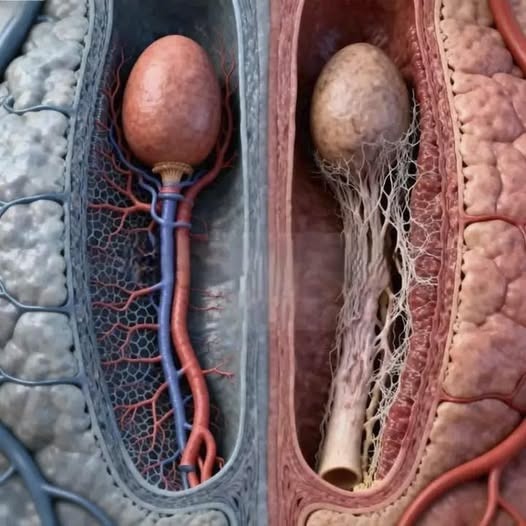
The kidneys are small but incredibly powerful organs, quietly regulating blood pressure, filtering waste, balancing electrolytes, and producing hormones essential for red blood cell production.
Their continuous, behind-the-scenes work keeps the body in equilibrium. Despite their vital functions, kidneys rarely produce immediate symptoms when under strain.
This silent operation means people often remain unaware of damage occurring, allowing kidney function to decline slowly over months or even years without obvious warning signs.
Modern lifestyles place multiple stresses on kidney health. High-sodium diets, excessive sugar intake, and processed foods force kidneys to work harder to maintain fluid and mineral balance, gradually wearing down their capacity over time.
Sedentary behavior compounds these issues. Lack of physical activity reduces circulation efficiency, contributes to weight gain, and increases risk factors such as hypertension, diabetes, and metabolic syndrome, all of which are closely linked to kidney disease progression.

Chronic psychological stress can also silently impact renal function. Elevated cortisol levels, persistent inflammation, and sustained blood pressure fluctuations increase the kidneys’ workload, illustrating how mental health is deeply intertwined with physical organ health.
Even common medications may exert hidden stress on kidneys. Nonsteroidal anti-inflammatory drugs (NSAIDs), certain antibiotics, and long-term use of over-the-counter supplements can damage delicate kidney tissue if not carefully monitored and managed.
Hydration is crucial for kidney function. Adequate water intake facilitates filtration, prevents toxin buildup, reduces crystallization that can form kidney stones, and supports electrolyte balance. Dehydration increases strain and can accelerate renal damage silently over time.
Early kidney disease is often asymptomatic. Slight fatigue, mild swelling, or occasional urinary changes can easily be dismissed or attributed to lifestyle factors such as stress, poor sleep, or age, masking the need for medical attention.
High blood pressure is both a cause and a consequence of kidney dysfunction. Uncontrolled hypertension damages glomeruli, the kidney’s microscopic filtering units, reducing efficiency over time and increasing risk for long-term chronic kidney disease (CKD).

Blood sugar management is equally essential. Chronic hyperglycemia in diabetes leads to microvascular damage within the kidneys, gradually impairing filtration and contributing to long-term organ failure if not properly controlled through diet, medication, and monitoring.
Inflammatory conditions, autoimmune disorders, and chronic infections further strain renal function. The kidneys filter inflammatory byproducts and toxins, and persistent systemic inflammation can accelerate damage and scarring in kidney tissue.
The kidneys’ endocrine functions highlight their importance beyond filtration. They produce hormones like erythropoietin and renin, regulating red blood cell production and blood pressure. Dysfunction here affects multiple body systems, emphasizing holistic health care.
Kidney disease often develops slowly and progressively. Chronic kidney disease (CKD) may remain unnoticed for years, with early intervention being crucial to prevent irreversible damage and maintain optimal renal function over a lifetime.
Nutrition plays a central role in kidney health. Diets rich in fresh fruits, vegetables, whole grains, and lean proteins reduce renal workload, support circulation, and maintain electrolyte balance while minimizing the risk of chronic disease.

Physical activity supports kidney function indirectly by regulating blood pressure, improving insulin sensitivity, and maintaining cardiovascular health. Active individuals reduce strain on kidneys, highlighting the interconnected nature of exercise and organ preservation.
Routine medical screening is essential. Tests such as serum creatinine, estimated glomerular filtration rate (eGFR), urine protein analysis, and blood pressure checks allow early detection of kidney stress, enabling timely interventions that preserve long-term function.
Even mild urinary changes deserve attention. Foamy urine, increased frequency, or subtle color variations may indicate underlying kidney issues. Early consultation prevents minor symptoms from developing into advanced CKD requiring complex treatment.
Hydration should be balanced. Excessive fluid intake may stress kidneys, while insufficient hydration leads to toxin buildup, concentrated urine, and increased risk of kidney stones, highlighting the importance of personalized water consumption based on lifestyle and health status.
Medication management is a critical preventive step. Even familiar over-the-counter drugs must be used cautiously, as repeated or long-term use can strain kidneys, particularly in individuals with underlying risk factors or chronic health conditions.
Chronic conditions like diabetes, hypertension, and obesity remain leading contributors to kidney decline. Effective management of these conditions through lifestyle, medication, and professional guidance significantly reduces cumulative renal damage.

Environmental exposures can also harm kidney function. Chemicals, pollutants, and toxins in food, water, or air may contribute to subtle yet progressive damage, reinforcing the importance of a healthy living environment and dietary choices.
Kidney stones, although sometimes acute, often reflect ongoing renal stress. High sodium intake, dehydration, or metabolic imbalances can promote crystallization in the kidneys, causing obstruction, pain, and potential chronic complications if not addressed.
Early intervention can reverse or slow kidney damage. Lifestyle changes, dietary improvements, hydration, stress management, and medical treatments can restore function or preserve remaining capacity, emphasizing prevention over reactive care.
Mental health impacts renal wellbeing. Chronic stress, anxiety, and depression trigger hormonal changes, inflammation, and blood pressure fluctuations that silently burden kidney function over time, demonstrating the holistic approach required for prevention.
Family history is a significant risk factor. Genetics influence susceptibility to kidney disease, making individuals with affected relatives especially vigilant regarding lifestyle, diet, exercise, and regular health monitoring.
Patient education empowers proactive kidney care. Awareness of risk factors, early symptoms, and preventive strategies ensures individuals take informed actions before damage becomes severe, emphasizing knowledge as a protective tool.
Kidney health supports cardiovascular stability. Reduced renal function disrupts fluid balance, elevates blood pressure, and increases strain on the heart, highlighting the interconnectedness of organ systems and the systemic consequences of renal neglect.

Mindful nutrition remains a cornerstone. Reducing processed foods, added sugars, and excess salt preserves filtration capacity, prevents inflammation, and protects long-term kidney function while supporting overall metabolic health.
Routine checkups allow for early detection of silent damage. Blood and urine testing, blood pressure monitoring, and kidney imaging identify stress before symptoms appear, making medical vigilance a key component of preventive kidney care.
Hydration, exercise, stress management, and nutrition collectively protect kidney health. Neglecting any aspect increases cumulative stress, emphasizing the value of a balanced lifestyle in maintaining optimal renal function across the lifespan.
Even small, consistent interventions can have a significant impact. Reducing salt intake, walking daily, drinking adequate water, and monitoring blood pressure all preserve renal function and prevent progression of chronic kidney disease.
Medical treatments may include controlling hypertension with ACE inhibitors or ARBs, managing blood sugar, and reducing proteinuria with prescribed medications, all designed to slow kidney deterioration and protect remaining function.
The kidneys exemplify quiet dedication. They operate continuously, often without complaint, yet maintain critical bodily functions. Respecting their work through preventive care is essential for long-term health and resilience.
Chronic kidney disease is largely preventable or manageable with lifestyle and medical interventions. Early detection, proper hydration, balanced nutrition, physical activity, and medication adherence significantly reduce risk and preserve function over decades.
Kidney health is a long-term investment. Daily care, routine monitoring, and preventive strategies ensure these vital organs continue their essential work, safeguarding energy, vitality, and life quality well into later years.
Ultimately, caring for kidneys teaches a larger principle: the most crucial work is often quiet and unnoticed. Attentiveness, prevention, and consistent healthy habits honor this hidden effort and secure wellbeing before crisis occurs.
Wise kidney management begins early. Regular laboratory testing, balanced nutrition, hydration, stress reduction, and exercise maintain function, prevent chronic disease, and ensure kidneys continue performing their vital, silent roles faithfully for a lifetime.
Protecting kidney health protects overall strength, resilience, and longevity. By prioritizing preventive measures and fostering lifestyle habits that reduce cumulative stress, individuals honor these organs’ silent work and ensure optimal long-term wellbeing.
