
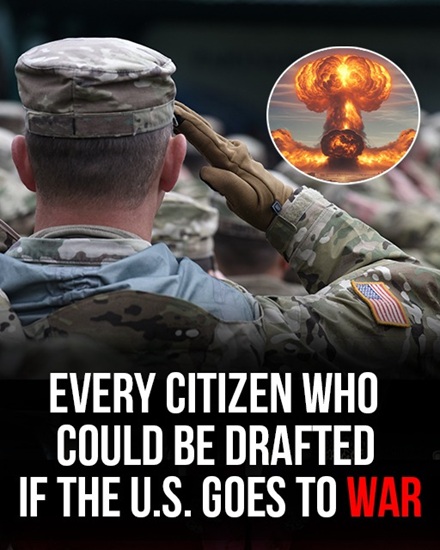
With global tensions escalating and warnings about a possible wider conflict growing louder, concerns about a U.S. military draft have resurfaced. The possibility is capturing public attention more than at any time in decades.
If a large-scale war were to erupt, conscription could return. Millions of Americans would face a system that has not been actively used since 1973, when the U.S. transitioned fully to an all-volunteer military force.
President Donald Trump’s assertive foreign policy stance, combined with instability across multiple regions, has fueled speculation about the potential consequences for ordinary Americans should a major conflict arise.
One particularly alarming development came after joint U.S. and Israeli airstrikes inside Iran, reportedly killing the country’s Supreme Leader, Ali Khamenei. Trump later publicly stated the mission had been successful, increasing global concerns.
Such incidents naturally provoke fears of retaliation and the escalation of regional tensions. Analysts warn that the Middle East remains highly volatile, and military actions there could have wide-reaching consequences for international stability.

Simultaneously, the war in Ukraine has entered its fourth year, creating what experts call the most dangerous East-West confrontation since the Cold War. Russian military activity and strategic posturing have heightened global anxieties.
Russia continues testing advanced weapons systems, including hypersonic missiles, while nuclear tensions remain a constant worry as international arms control agreements continue to unravel, leaving much of the world’s security architecture uncertain.
Cybersecurity experts warn that critical infrastructure worldwide is increasingly vulnerable. Cyberattacks targeting energy, transportation, and communications networks are occurring with greater frequency, complicating traditional concepts of warfare and national defense.
Meanwhile, rapid advances in artificial intelligence and autonomous weapons are changing the nature of potential conflicts. Experts argue these technologies could accelerate military engagements, making mobilization speed and readiness even more critical.
Public concern mirrors these global realities. A recent YouGov survey revealed that 41% to 55% of Western Europeans believe another world war could erupt within five to ten years, while roughly 45% of Americans share that fear.
Even more striking, between 68% and 76% of respondents in multiple countries believe such a conflict would involve nuclear weapons, illustrating the persistent anxiety about escalation and the potentially catastrophic consequences of modern warfare.
These fears have revived discussions about how nations would mobilize their populations if a major war were to break out. Many Americans are now revisiting questions about the return of the military draft.
Trump himself has dismissed the possibility of reinstating conscription, calling it “a ridiculous idea.” Yet for many citizens, such reassurances do little to calm concerns about how quickly circumstances could escalate during a major global conflict.
The United States has not enforced conscription since 1973, but the legal framework for a draft remains fully intact. This ensures that the government could react rapidly if national defense requirements dramatically increased.
The Selective Service System (SSS) is the federal agency responsible for managing draft registration. It maintains a database of eligible individuals, allowing the U.S. military to expand quickly during a national emergency.
Currently, all men aged 18 to 25 are legally required to register with the SSS, regardless of immigration status. Registration does not mean automatic conscription but ensures eligibility if conscription were ever enacted.
Failure to register with the SSS is a federal felony, punishable by fines of up to $250,000 or imprisonment for up to five years, emphasizing the government’s commitment to maintaining readiness for national emergencies.

Beginning in late 2026, draft registration is expected to become largely automatic through federal databases, streamlining compliance and ensuring that authorities have updated records of eligible individuals without relying solely on self-registration.
If a draft were activated, the SSS would use a random lottery system to determine the order in which individuals could be called for service, a process designed to ensure fairness and transparency in selection.
Under the current rules, men who turn 20 in the year of the lottery would be called first. If additional personnel were needed, the lottery would expand sequentially to include men aged 21, 22, 23, 24, and 25.
Only after these older age groups would younger registrants, including 19-year-olds and then 18-year-olds, be considered. This age-based sequence ensures that individuals with more life experience are considered before younger entrants.
Being selected in the lottery would not automatically result in military service. Each individual would undergo medical screenings, background checks, and evaluations to confirm physical and mental eligibility for service.
Several categories of exemptions and deferments exist. Women are currently not required to register, although they serve in nearly every role within the modern U.S. military. Congress would need to change the law to include women in a draft.
Medical and mental health conditions can also qualify for exemptions. Chronic illnesses, serious psychological conditions, or disabilities could disqualify an individual from military service, reflecting longstanding policies prioritizing capability and safety.

Conscientious objectors may request special status if they oppose war for moral or religious reasons. Approved individuals can be assigned to non-combat roles or alternative national service, such as healthcare or community assistance projects.
Students often receive deferments, especially those nearing degree completion, although policies vary depending on the scale of conflict. Higher education and technical training are considered national assets, sometimes prioritized over immediate conscription.
Critical workers may also be redirected from combat to support roles. Doctors, engineers, cybersecurity specialists, and AI experts could be assigned to tasks that support defense efforts without front-line combat responsibilities.
Parents and primary caregivers may qualify for additional deferments. Individuals facing significant family hardship, such as sole caregivers or guardians of dependents, are often protected from immediate induction under existing SSS guidelines.
The draft remains part of U.S. law because military planners recognize that a large-scale, sustained war could overwhelm an all-volunteer force. Maintaining the SSS ensures that additional personnel can be mobilized quickly if needed.
Large-scale mobilization allows the U.S. military to expand operations across multiple theaters simultaneously, increasing national readiness. In hypothetical scenarios involving extended overseas deployments, conscription provides a critical contingency for maintaining force levels.
The legal framework also allows Congress and the President to respond rapidly to unforeseen crises. SSS readiness means the government can enact policies to increase military capacity without delay during emergencies.
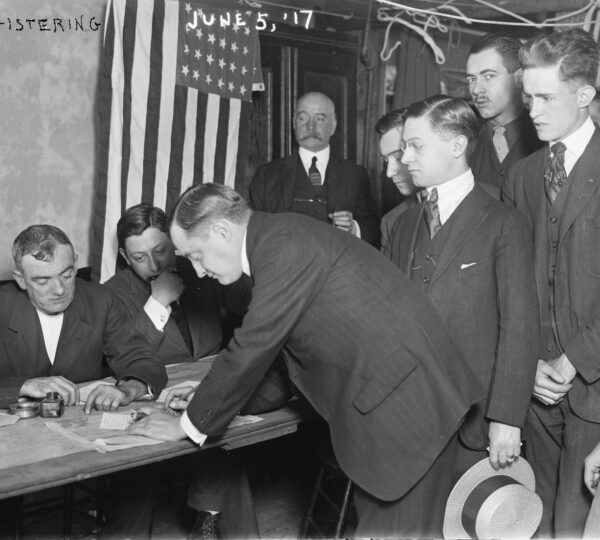
Historically, the draft has been implemented during World Wars I and II, as well as the Korean and Vietnam conflicts. Each period demonstrates the government’s reliance on conscription to sustain manpower when volunteer enlistment alone proved insufficient.
While the draft is widely unpopular, policymakers argue that a structured, transparent system prevents ad-hoc or inequitable approaches to mobilizing a nation’s population during national emergencies.
Modern warfare differs substantially from previous conflicts. The integration of advanced technologies, cyber warfare, and global logistics makes preparedness and personnel planning more complex, adding urgency to maintaining draft readiness frameworks.
Public concern about conscription is heightened by geopolitical uncertainty. The combination of Middle East instability, Russian military aggression, and evolving global alliances contributes to widespread speculation about potential U.S. involvement in large-scale war.
Advances in artificial intelligence, autonomous systems, and precision weaponry further complicate mobilization considerations. Military planners must anticipate new operational requirements, including specialized personnel trained to manage emerging technologies in defense operations.
Analysts also emphasize nuclear risk. Surveys indicate that many Americans fear that any major conflict could escalate to involve nuclear weapons, underscoring the high stakes and potential global consequences of military escalation.
Draft registration serves as a precautionary measure. It ensures that, should a large-scale conflict arise, the U.S. could mobilize trained, vetted personnel quickly, balancing volunteer forces with the ability to scale military operations as needed.
The SSS also maintains detailed databases of medical, educational, and occupational information. This allows rapid assessment of individuals’ eligibility for different roles, helping allocate human resources efficiently during national emergencies.
Even with a draft, modern military induction emphasizes screening and placement. Medical evaluations, background checks, and occupational assessments ensure that individuals are assigned to roles that match their capabilities and expertise.
Exemptions, deferments, and conscientious objector policies reflect societal priorities, balancing military needs with ethical considerations and civilian welfare. These policies prevent the draft from disproportionately impacting vulnerable populations.
If activated, the lottery system would be publicly visible, ensuring fairness and transparency. It would also be supplemented by clear administrative procedures for appeals, deferments, and legal compliance, reducing confusion during mobilization.
Despite being dormant for decades, the draft system remains a key component of national defense planning. It reassures policymakers that the country can respond effectively if global conflicts threaten U.S. security or allied stability.
The legal and procedural framework, including penalties for non-registration, reflects the government’s emphasis on preparedness. Citizens are reminded that participation in registration is a civic duty, critical to ensuring rapid national mobilization if needed.
Public awareness of these policies remains limited. Education campaigns and media coverage aim to clarify what registration means, what obligations exist, and how exemptions and deferments are handled.
In an era of global instability, questions about the draft are increasingly relevant. Individuals, families, and policymakers must understand the procedures, legal obligations, and potential scenarios for U.S. conscription.
The discussion highlights broader societal concerns about war, readiness, and civilian responsibility. Understanding how the draft operates helps citizens evaluate national security policies and prepare for contingencies in uncertain times.
Maintaining readiness through the SSS also enables strategic planning for global contingencies. Military leaders can model hypothetical conflicts, project personnel needs, and ensure that both volunteers and drafted personnel can be integrated effectively.
Ultimately, while the draft is unlikely to be enacted under current circumstances, the system remains a legal and logistical reality. Awareness ensures that the U.S. can respond to crises without delay, protecting national interests.
