
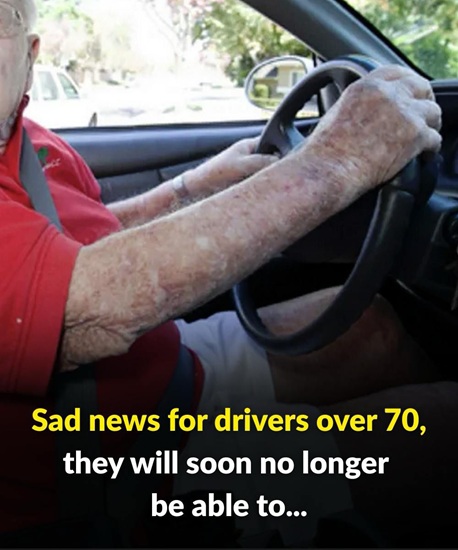
The discussion about older drivers is complex and multifaceted, spanning personal freedom, public safety, and societal responsibility. As global populations age, and seniors remain active longer, the question of when driving becomes unsafe demands careful consideration.
For many older adults, driving is more than a practical activity. It represents independence, autonomy, and the ability to manage daily life. Losing this capacity can create feelings of vulnerability, isolation, and a profound reduction in personal freedom.
Recent incidents have intensified public attention. In La Rochelle, an eighty-three-year-old driver traveling the wrong way struck a group of children on bicycles, causing injuries and reigniting debate about the appropriate age for independent driving privileges.
Statistics provide context. Research shows that drivers over seventy-five are involved in accidents at rates comparable to young drivers aged eighteen to twenty-four. This paradox underscores that while experience matters, physical and cognitive changes can increase risk over time.

Age-related changes may be subtle yet significant. Declining vision, slower reflexes, reduced hearing, and diminished multitasking ability can gradually affect driving performance. Often, these changes occur without immediate self-awareness, emphasizing the need for monitoring and adaptation.
However, chronological age alone does not dictate driving ability. Many seniors remain fully capable, combining decades of experience with careful judgment. Policies based solely on age risk unfairly restricting independence for those still competent behind the wheel.
Different countries address this challenge in varied ways. France, for example, maintains lifelong licenses without automatic age-based restrictions. Drivers are trusted to self-assess and remain responsible for their abilities, unless legal or medical issues necessitate intervention.
This approach emphasizes personal responsibility but assumes accurate self-awareness. Gradual changes in vision, reflexes, or cognition may go unnoticed, potentially putting the driver and others at risk if compensatory strategies are not implemented proactively.
By contrast, nations like Germany and Italy require periodic medical evaluations for drivers over seventy or seventy-five. These assessments evaluate eyesight, reaction time, coordination, and overall health, aiming to balance independence with road safety.
Mandatory testing offers structured safeguards but can feel restrictive for fully capable drivers. Conversely, relying solely on individual judgment may leave vulnerabilities unaddressed. The challenge lies in balancing fairness, autonomy, and protection for all road users.
Voluntary assessments provide a flexible alternative. Older drivers can seek evaluations to identify strengths and limitations, gaining personalized guidance on safe driving practices without facing punitive measures or losing independence unnecessarily.

Recommendations from these assessments may include avoiding nighttime driving, restricting trips to familiar areas, taking regular breaks, or relying on daylight travel. Such adjustments reduce risk while preserving autonomy and confidence on the road.
Refresher courses for older drivers are increasingly popular. They review modern traffic laws, signage updates, and roadway changes, helping seniors adapt to evolving driving environments while reinforcing safe practices and practical driving skills.
Vehicle adaptation is another critical factor. Switching to automatic transmissions, ergonomic seating, or modern cars with lane-keeping assistance, blind-spot monitoring, and collision warnings can support drivers experiencing mild declines in strength, vision, or reaction time.
Training sessions focused on vehicle technology ensure drivers understand adaptive features fully. Proper use of advanced driver-assistance systems enhances situational awareness, supports decision-making, and reduces stress without replacing the need for active attention behind the wheel.
Road safety is dynamic and requires continuous evaluation. Driving abilities evolve over time, and maintaining independence safely involves health monitoring, skill assessments, adaptive vehicle use, and educational reinforcement tailored to the individual driver.
Public perception often emphasizes risk, yet older drivers contribute decades of experience, pattern recognition, and defensive skills. Their accumulated knowledge often compensates for minor physical or cognitive declines, reinforcing that experience is a critical safety factor.
Health considerations are central to safe driving. Vision, hearing, and cognitive evaluations identify early impairments. Proactive interventions, such as corrective lenses, hearing aids, or adaptive training, enable continued safe participation on roads, reducing accident risks.

Physical fitness also plays a role. Maintaining flexibility, strength, and endurance helps with coordination, reaction time, and vehicle control. Simple exercises or physiotherapy can support driving capabilities and overall well-being, enhancing safety for older drivers.
Fatigue management is another concern. Older adults may require longer recovery times and shorter periods of alertness. Taking breaks, limiting long-distance trips, and planning routes around familiar roads can reduce accidents associated with fatigue or strain.
Cognitive assessments can detect early changes affecting decision-making, attention, and memory. Identifying these issues early allows for adaptations, such as shorter drives, lower-risk routes, or using supportive technologies, maintaining safety without abruptly ending driving privileges.
Community and family involvement is vital. Encouragement, guidance, and participation in training programs reinforce safety awareness, provide accountability, and support older adults in balancing independence with responsibility on the road.
Insurance companies often provide senior driver programs, combining education, assessments, and risk-reduction strategies. These initiatives incentivize safe practices while equipping older drivers with the knowledge and tools necessary for responsible driving.
Driving safety programs emphasize proactive adaptation. Route planning, daylight driving, and avoidance of high-traffic areas reduce risk while allowing continued mobility. Maintaining independence does not require ignoring limitations but adapting responsibly to them.
Technology integration is increasingly important. Adaptive cruise control, lane monitoring, parking assistance, and collision detection support safe navigation. When combined with driver awareness, these tools reduce stress and improve overall safety outcomes.
Training in adaptive technologies ensures effective use of these systems. Proper application of advanced safety features enhances confidence, reduces error risk, and supports older drivers in responding to dynamic traffic conditions safely.
Public policy should focus on capability rather than age. Structured assessments, education, and technology support older drivers in maintaining independence safely, ensuring fair treatment while addressing potential risks effectively.

Infrastructure also affects older driver safety. Clear signage, well-marked intersections, smooth road surfaces, and accessible parking reduce cognitive load, support reaction time, and create safer environments for aging drivers and all road users.
Older drivers’ experience enhances traffic safety. Decades of driving cultivate anticipation, defensive habits, and situational judgment. Supporting these drivers through health monitoring, training, and vehicle adaptation maximizes their contribution to overall road safety.
Mobility is essential to quality of life. Driving supports social interaction, access to healthcare, independence, and participation in community activities. Restrictions should be balanced with strategies that maintain engagement and personal autonomy.
Voluntary and mandatory measures can coexist effectively. Optional courses, periodic medical evaluations, and technology adoption provide multiple safety layers without unnecessarily restricting older drivers, creating a sustainable approach to mobility and protection.
Policy frameworks should encourage self-awareness and proactive adaptation. Recognizing early signs of decline, seeking guidance, and embracing supportive measures enables continued safe driving while respecting individual independence and personal dignity.
Driving longevity depends on a combination of health, experience, education, and technology. Maintaining these factors collectively allows older adults to remain capable and safe drivers well into advanced age, benefiting both themselves and society.
Awareness, adaptation, and responsibility evolve with age. Older drivers must recognize physical or cognitive changes and implement modifications. Doing so preserves autonomy, prevents accidents, and allows seniors to maintain meaningful mobility safely.
Public discourse should focus on capability rather than stereotypes. Highlighting skill, experience, and adaptive strategies reduces age-based stigma, supports confidence, and encourages responsible decision-making among older drivers without unnecessarily restricting independence.
Family, community, and professional support reinforce safety. Guidance, training, and technology adoption, combined with health monitoring, create an environment where older adults can continue driving safely and confidently, reducing accidents and enhancing public trust.
Driving is dynamic, requiring continuous evaluation, education, and adaptation. Older adults benefit from regular checkups, refresher courses, and technology integration, ensuring they maintain safe skills while preserving independence and quality of life.
Ultimately, mobility is a human right. Supporting older drivers through health monitoring, adaptive technology, education, and social support ensures safety, dignity, and autonomy, reflecting a balanced approach to aging and driving.
Driving responsibility changes, not ends, with age. Awareness, adaptation, and proactive learning enable older drivers to maintain independence safely, highlighting the value of experience and the importance of structured support systems for long-term road safety.
Experience enhances judgment, compensating for subtle physical or cognitive declines. Supporting older drivers with education, health monitoring, and adaptive technology maximizes their contribution to safe traffic patterns while allowing continued engagement and independence.
In conclusion, older drivers’ safety depends on a combination of personal awareness, training, vehicle adaptation, and supportive policy. Balancing independence with protection ensures older adults remain active, confident, and responsible contributors to road systems.
Safety, autonomy, and community participation are intertwined. Providing accessible resources, adaptive technology, and supportive policies empowers older drivers to maintain independence, reduce risk, and preserve dignity, creating a mutually beneficial framework for all road users.
Driving is responsibility, skill, and adaptation. Age transforms rather than eliminates that duty. Older drivers who embrace assessment, education, and supportive technology can continue safely and confidently, benefiting both themselves and society as a whole.
