
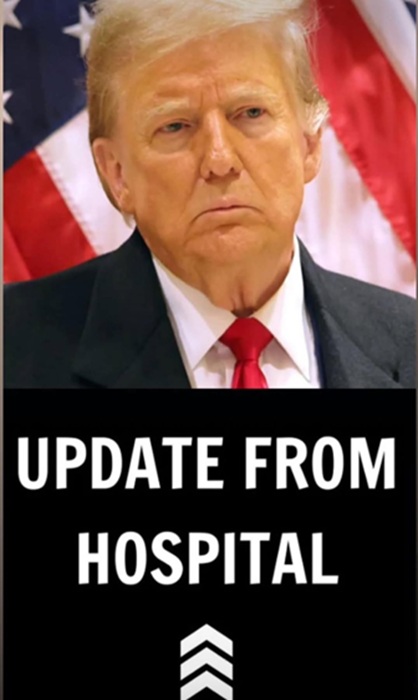
Public debate over the cognitive and physical health of former President Donald Trump has once again intensified, highlighting the intersection of medical assessment.
Public perception, and political discourse. While official medical evaluations continue to describe Trump as fit, stable, and capable of fulfilling the duties of the presidency.
New commentary from external mental health experts has drawn attention and fueled discussion. The contrast between verified medical reports and opinion-based analysis underscores the challenges of evaluating high-profile leaders in real time, especially when public appearances and media coverage are closely scrutinized.
Earlier in the year, the White House released a comprehensive medical assessment conducted by Dr. Sean Barbabella, Trump’s personal physician.
This report offered a detailed overview of the former president’s health, including physical measurements, laboratory results, and an evaluation of cognitive function.
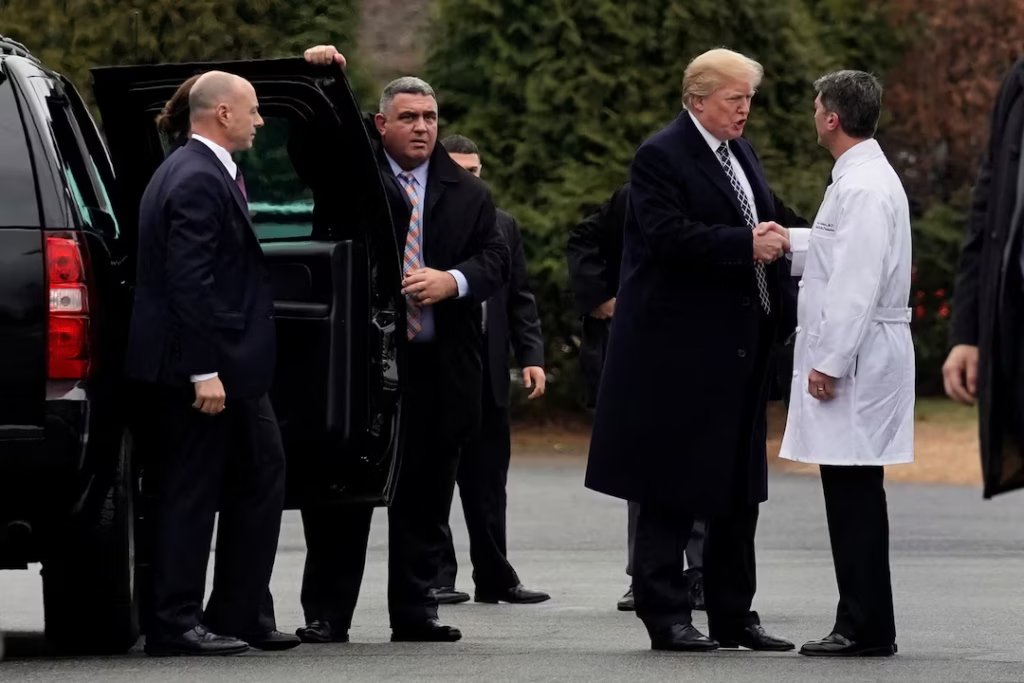
According to the document, Trump stands 75 inches tall, weighs 224 pounds, and exhibits normal findings in examinations of the cardiovascular system, eyes, ears, throat, and neurological function.
The report also notes his prior cataract surgery, ongoing prescription medications, and completion of a routine colonoscopy, which identified a benign polyp and mild diverticulitis.
Importantly, none of these findings were described as limiting or concerning, and Barbabella characterized Trump’s overall condition as strong and resilient.
The physician cited an active lifestyle and ongoing public engagement as contributing factors to both physical and cognitive stability.
In his written conclusion, Barbabella stated that Trump demonstrates excellent mental acuity and is fully capable of performing the responsibilities of the commander-in-chief and head of state.
Following the release of the medical report, Trump reinforced its findings publicly. Speaking to reporters, he emphasized that he had completed a cognitive evaluation, answering all questions correctly.
He highlighted the breadth of the examination, which went beyond basic screening to include cardiovascular assessments, neurological checks, and multiple diagnostic procedures.
His remarks conveyed confidence and aligned with his long-standing messaging about remaining in peak condition despite advancing age.
Supporters of Trump pointed to these evaluations as authoritative evidence that he remains physically and mentally fit, emphasizing the direct clinical observation over speculation.
However, the conversation did not end with the physician’s report. Outside official channels, questions and criticism emerged from mental health professionals and public commentators.
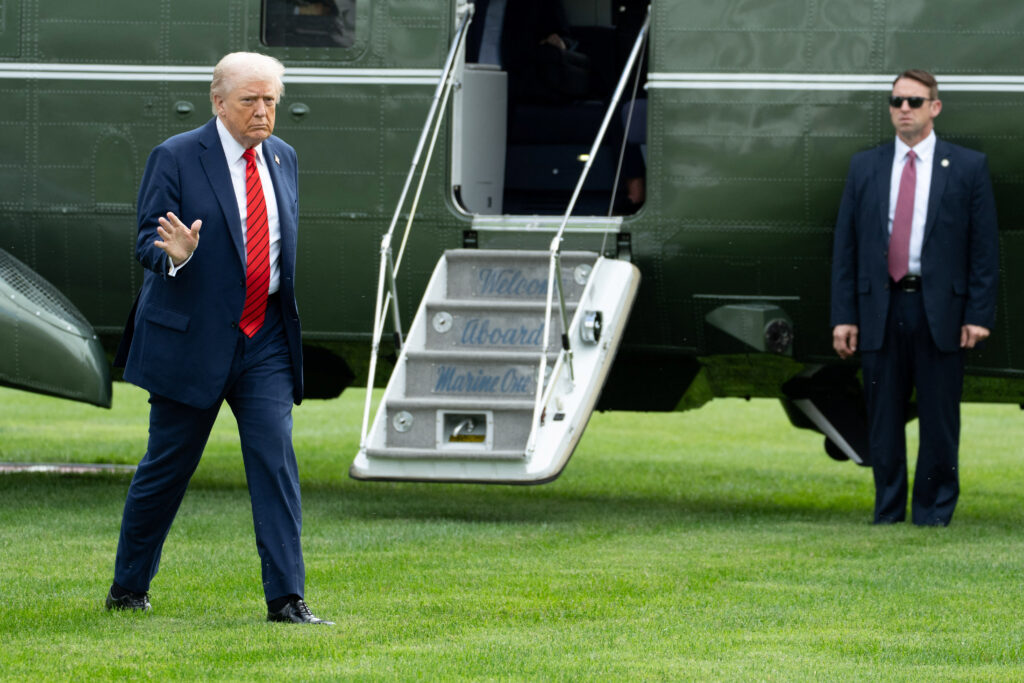
One of the most prominent voices is Dr. John Gartner, a psychologist and former Johns Hopkins University instructor.
Gartner has publicly suggested that observable behavioral and physical patterns may indicate early signs of neurological conditions, such as frontotemporal dementia, a progressive disorder associated with changes in behavior, speech, judgment, and motor coordination.
While Gartner’s commentary has attracted attention, it is important to note that he has not conducted an in-person evaluation or reviewed Trump’s medical records; his observations are based on publicly available video footage and behavioral analysis.
In interviews and public statements, Gartner has highlighted changes in Trump’s physical coordination and gait over the decades. He contrasts older footage from the 1980s, showing Trump playing volleyball with agility and balance, with more recent appearances in which Trump appears slower, more rigid, and occasionally unsteady.
According to Gartner, these changes extend beyond what would typically be expected from normal aging. In particular, he points to a semicircular swing of the right leg while walking as a potential indicator of impaired motor control associated with frontotemporal dementia.
He also references instances where Trump appeared to have difficulty navigating stairs or momentarily lost balance during public events. While these moments are observable in video, Gartner emphasizes that they are presented as patterns rather than clinical diagnoses.
He notes that early symptoms of frontotemporal dementia often manifest through physical and behavioral changes rather than memory loss, a distinction frequently cited in neurology literature.
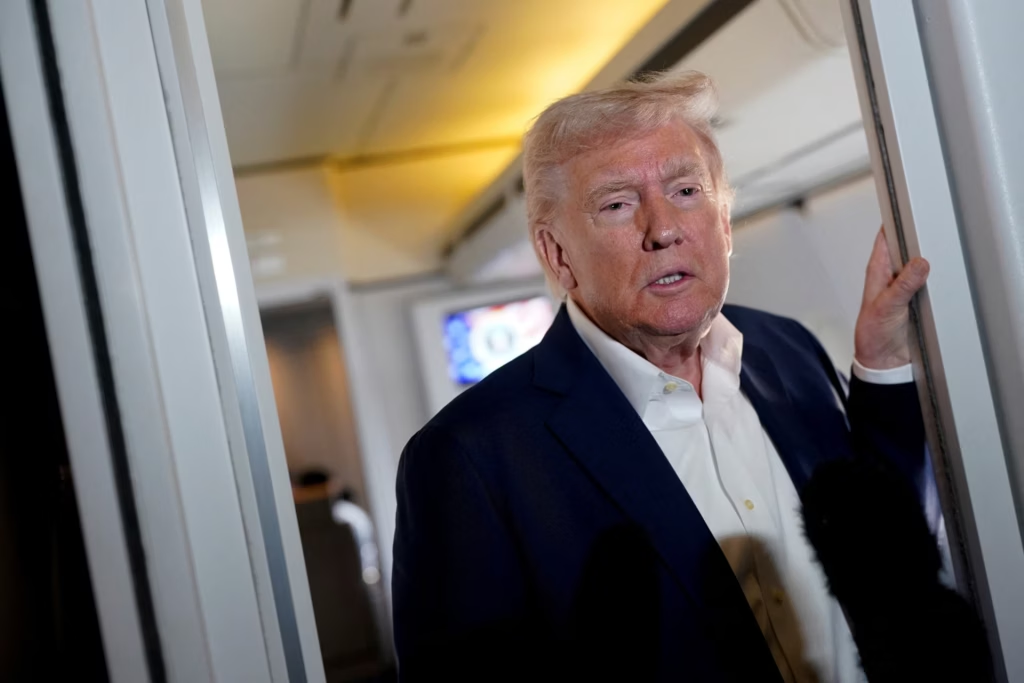
Gartner has cited additional input from another medical professional, Dr. Zoffman, who reviewed video footage and reportedly expressed agreement with his assessment regarding gait patterns.
These observations, while noted in interviews and media commentary, remain informal opinions and have not been corroborated by direct medical evaluation.
Importantly, neither Gartner nor Zoffman has conducted personal examinations or reviewed Trump’s medical history, so their conclusions cannot be considered formal diagnoses. This distinction between clinical assessment and external analysis is central to understanding the debate, especially when it circulates widely in the public sphere.
Adding to public speculation are unverified claims circulating online about potential medical devices, such as a catheter, which Trump may be wearing.
These claims remain unconfirmed and have not been addressed by Trump’s medical team, but they have fueled online discussion and amplified interest in evaluating the former president’s health.
Medical professionals caution that drawing conclusions from images or videos without context can easily lead to misinformation. Analysts also note that public figures are often subject to heightened scrutiny and that casual observation does not replace formal evaluation.
Trump and his representatives have not issued public responses to Gartner’s commentary, instead relying on the April medical report as the authoritative statement of his health status.
Supporters argue that Barbabella’s evaluation, based on direct clinical observation and diagnostic testing, carries far greater weight than analyses derived from publicly available footage.
The situation highlights a recurring tension between transparency, privacy, and public interest: while citizens may be curious about the health of national leaders, only verified medical evidence should inform formal conclusions.
Historically, presidential health has been disclosed selectively, balancing the need for public reassurance with respect for privacy.
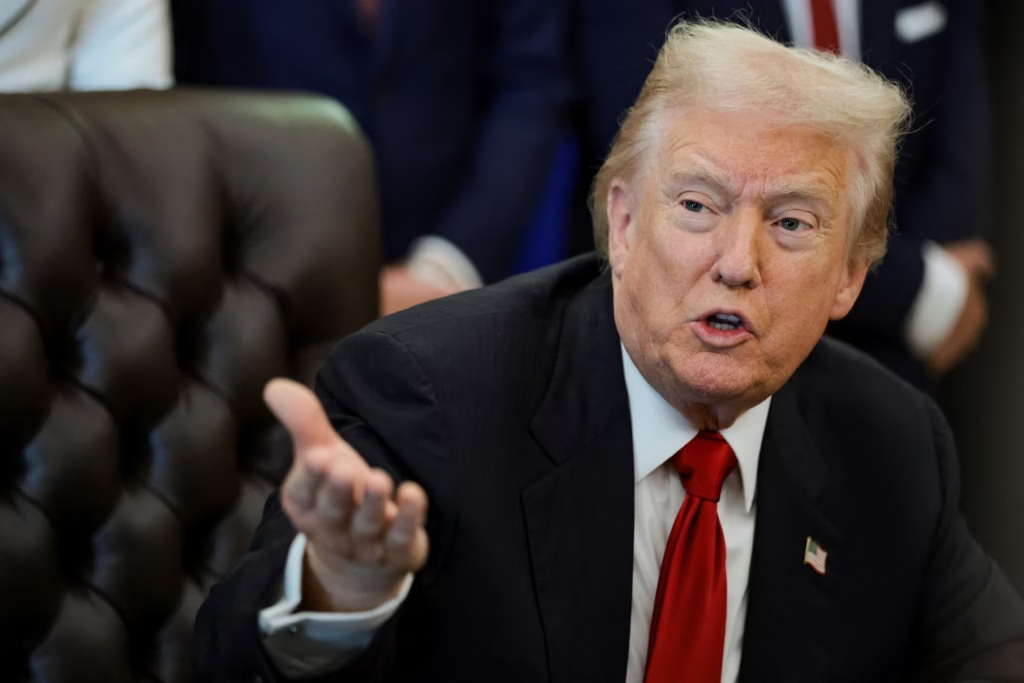
Critics argue that limited disclosure can leave room for speculation and rumor, while supporters emphasize that formal assessments are sufficient when conducted by qualified medical professionals. In the context of Trump’s health, this tension has been amplified by high-profile commentary and the intense political scrutiny associated with his ongoing influence in public life.
The debate has taken on additional dimensions in the media. News outlets, political commentators, and social media users have highlighted the contrast between official findings and external analysis, sometimes framing the discussion in partisan terms.
Analysts point out that interpreting visual evidence is inherently subjective, and that behavioral observations must be considered cautiously.
The interplay between perception, media framing, and medical expertise complicates public understanding, emphasizing the difficulty of separating verified information from opinion or conjecture.
As attention to Trump’s health persists, questions about age, stamina, and leadership capability remain intertwined with broader political conversations.
While Barbabella’s report affirms his cognitive and physical fitness, external analyses continue to attract attention, demonstrating the ongoing public appetite for evaluating leaders’ ability to perform under the demands of office.
The debate reflects not only medical considerations but also societal expectations about transparency, accountability, and the responsibility of high-profile individuals whose decisions affect millions. The public discussion surrounding Donald Trump’s health extends far beyond the medical report itself, illustrating the complex intersection of politics, media scrutiny, and societal expectations for national leaders.
Presidential health is not just a private matter; it is inherently linked to public accountability, as decisions made at the highest level of government affect millions of citizens.
This dynamic has fueled both curiosity and controversy, especially when assessments from qualified physicians appear to clash with commentary from external experts or public observation.
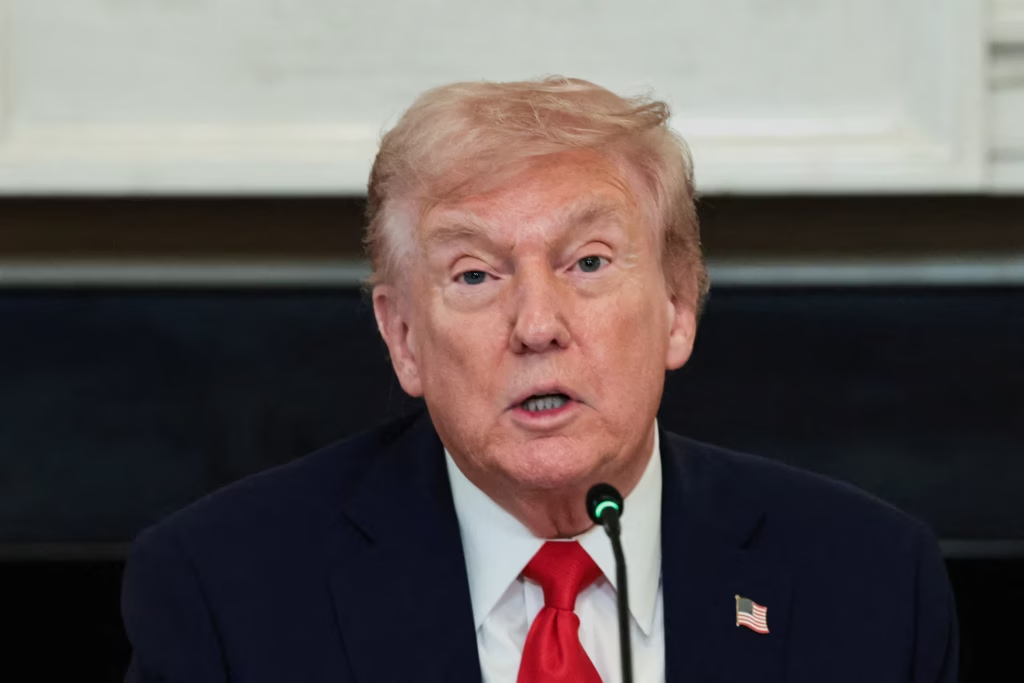
One of the most notable aspects of the ongoing debate is the way visual media has influenced public perception. Analysts have observed that footage of Trump walking, gesturing, or attending events is frequently analyzed frame by frame to identify potential signs of cognitive or physical decline.
Gartner and other commentators have emphasized patterns in movement and posture that they believe may indicate early neurological changes, even though these observations cannot replace formal examinations.
The proliferation of online clips and social media commentary amplifies this effect, as millions of viewers can compare past and present appearances in real time, often drawing their own conclusions.
This phenomenon highlights a broader challenge: the public’s demand for transparency often collides with the limits of medical confidentiality.
Presidential health has historically been selectively disclosed, with official statements designed to reassure the public without revealing exhaustive detail. While this approach is rooted in both privacy and legal considerations, it also leaves space for speculation.
Critics argue that the absence of continuous, verifiable information fuels uncertainty and can be exploited in partisan debates, while supporters insist that detailed medical disclosure beyond formal evaluations is unnecessary and potentially invasive.
The political dimension of Trump’s health discussion is significant.
Age and cognitive stamina are frequently cited in the context of executive decision-making, particularly as citizens evaluate leadership capacity during election cycles.
Questions about physical agility or mental acuity can be amplified when leaders engage in demanding public schedules, as Trump does through rallies, interviews, and ongoing political involvement.
Analysts note that even minor missteps or perceived hesitations are quickly interpreted through political and cognitive lenses, creating a situation in which every public appearance carries scrutiny far beyond that faced by private citizens.
Social media, in particular, has accelerated the conversation. Posts highlighting gait, balance, or speech patterns often go viral, sparking debates that combine humor, concern, and political interpretation.
While many users clearly understand these discussions are speculative, others interpret them as evidence of declining capacity.
This dichotomy demonstrates the challenge of separating fact from perception in an environment where visual content spreads faster than formal evaluations can respond.
The contrasting approaches of official medical reports and external commentary also reflect differing methodologies. Barbabella’s assessment is grounded in direct clinical observation, standardized testing, and detailed physical examination.
In contrast, Gartner’s analysis relies on observational patterns and historical comparison, drawing on expertise in psychology and neurology but without personal evaluation or access to Trump’s medical records.
Both perspectives provide insight, but only one is grounded in direct, verifiable data. The distinction is critical for audiences seeking to understand the limits of public information versus private medical expertise.
These debates have consequences beyond Trump himself, influencing broader expectations of transparency in political leadership. Citizens increasingly demand accessible and credible information about the health of public figures, especially those in positions where cognitive and physical capabilities directly impact national policy.
At the same time, medical experts caution against drawing conclusions based solely on public appearances, stressing that nuanced evaluation requires context, repeated testing, and access to comprehensive health records.
The tension between these demands — for transparency and for professional accuracy — is a recurring feature of discussions about presidential health.
Historically, other presidents have faced similar scrutiny. Ronald Reagan, for instance, faced public concern regarding memory loss during his second term, while more recent leaders have voluntarily disclosed key medical information to maintain public confidence.
Trump’s case highlights both continuity and divergence from these historical precedents: continuity, in the sense that health remains a public concern, and divergence, in the scale and intensity of real-time scrutiny amplified by modern media and social platforms.
Political analysts also emphasize the potential implications for governance. While medical reports indicate that Trump is fit to perform executive functions, public speculation can shape perceptions of capability, influence voter confidence, and even impact political alliances.
In hyper-partisan environments, visible health debates are sometimes leveraged to question decision-making ability or leadership stamina, whether intentionally or not. Consequently, these discussions extend beyond medicine and into the strategic and symbolic dimensions of political life.
Beyond political considerations, the Trump health debate touches on societal attitudes toward aging and cognitive change. Observers have noted that public fascination with age-related decline reflects both cultural concerns about leadership longevity and anxieties about succession planning.
This dimension is particularly pronounced in the United States, where the president’s role is singular and highly visible. As such, evaluations of physical and cognitive function are not purely medical; they are also cultural barometers reflecting expectations for endurance, alertness, and presence.
The media’s role is especially critical in shaping these narratives. Traditional news outlets, cable networks, and online publications interpret, contextualize, and sometimes editorialize visible behaviors, offering analysis that ranges from medical commentary to political interpretation.
This multiplicity of voices can be informative, but it also contributes to polarization, as audiences often select coverage that aligns with preexisting beliefs.
Analysts highlight that while direct examination by a physician provides verifiable conclusions, interpretation of observed behavior without formal evaluation is inherently subjective and potentially misleading.
Looking forward, the debate surrounding Trump’s health is likely to continue as long as he remains politically active. Public appearances, campaign events, and media interviews offer ongoing opportunities for scrutiny, while formal medical evaluations provide the authoritative counterpoint.
This dynamic ensures that both the medical and public dimensions of presidential health remain intertwined, each influencing how citizens perceive leadership capacity and decision-making ability.
In sum, the discussion over Donald Trump’s cognitive and physical condition exemplifies the intersection of medical science, public transparency, and political interpretation.
It underscores the need for careful differentiation between verified medical information and external analysis, while also highlighting how modern media environments magnify public curiosity and speculation.
As political discourse evolves, the challenge of balancing privacy, professional evaluation, and public accountability will remain a central concern for evaluating the health of national leaders.
