

Phoebe Cates emerged as one of the most recognizable and admired faces of American cinema in the early 1980s. With a screen presence that combined warmth.
Intelligence, and natural charisma, she quickly became a defining figure of her generation. Unlike many of her contemporaries, however.
Cates did not follow the traditional path of prolonged stardom. Instead, she made a conscious and deliberate decision to step away from Hollywood at the height of her success, reshaping her life on her own terms.

Her story is not one of scandal, decline, or professional failure. Rather, it is a rare example of a performer who achieved cultural immortality and then chose privacy, family, and personal fulfillment over continued fame.
Early Life and Entry into the Spotlight
Phoebe Belle Cates was born on July 16, 1963, in New York City. She grew up in a family already connected to the entertainment industry; her father, Joseph Cates, was a Broadway producer and television pioneer. This exposure gave her early insight into both the creative possibilities and the demanding realities of show business.
Before acting, Cates began her career as a fashion model. Her striking looks and confident presence quickly drew attention, leading to magazine covers and advertising work.
Yet modeling was never her ultimate ambition. She enrolled at the Juilliard School to study dance, though an injury eventually forced her to reconsider that path. Acting became a natural alternative, blending physical expression with emotional storytelling.
Her early training and industry familiarity helped her transition smoothly into film, setting the stage for what would soon become a rapid rise to fame.
Breakthrough in 1980s Teen Cinema
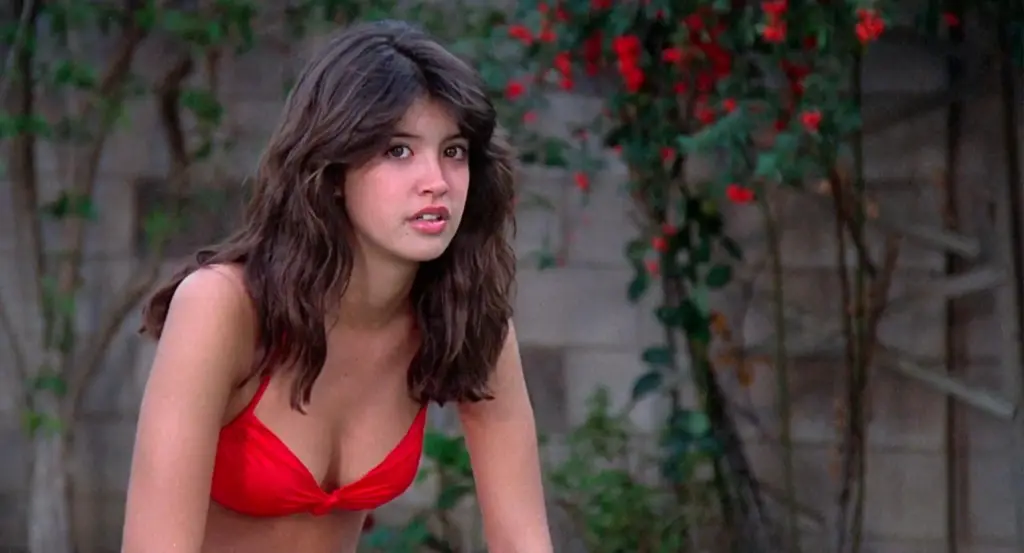
Phoebe Cates’ breakout role came in 1982 with Fast Times at Ridgemont High, a film that would later be regarded as one of the most influential teen movies in American cinema.
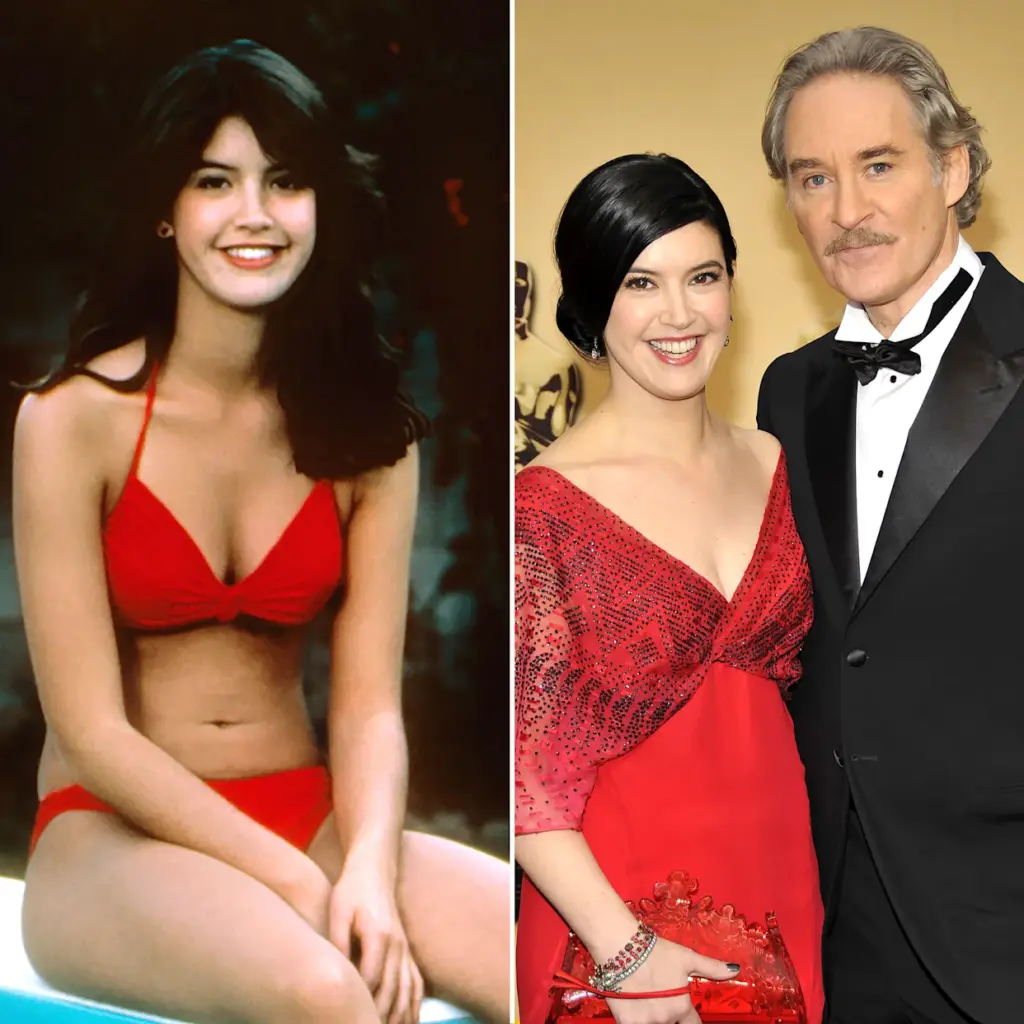
The movie portrayed adolescent life with unusual honesty, mixing humor with realism, and Cates’ performance stood out for its balance of sensitivity and confidence.
Rather than playing a one-dimensional character, she brought depth and relatability to her role, helping redefine how young women were portrayed in teen films. The movie became a cultural milestone, and Cates’ presence in it made her instantly recognizable to audiences around the world.
Importantly, while the film cemented her status as a pop culture icon, it also placed her within an industry that often limited women to narrowly defined roles.
Cates would later speak openly about her discomfort with being repeatedly offered similar parts and her desire for more meaningful creative opportunities.
Establishing a Versatile Film Career
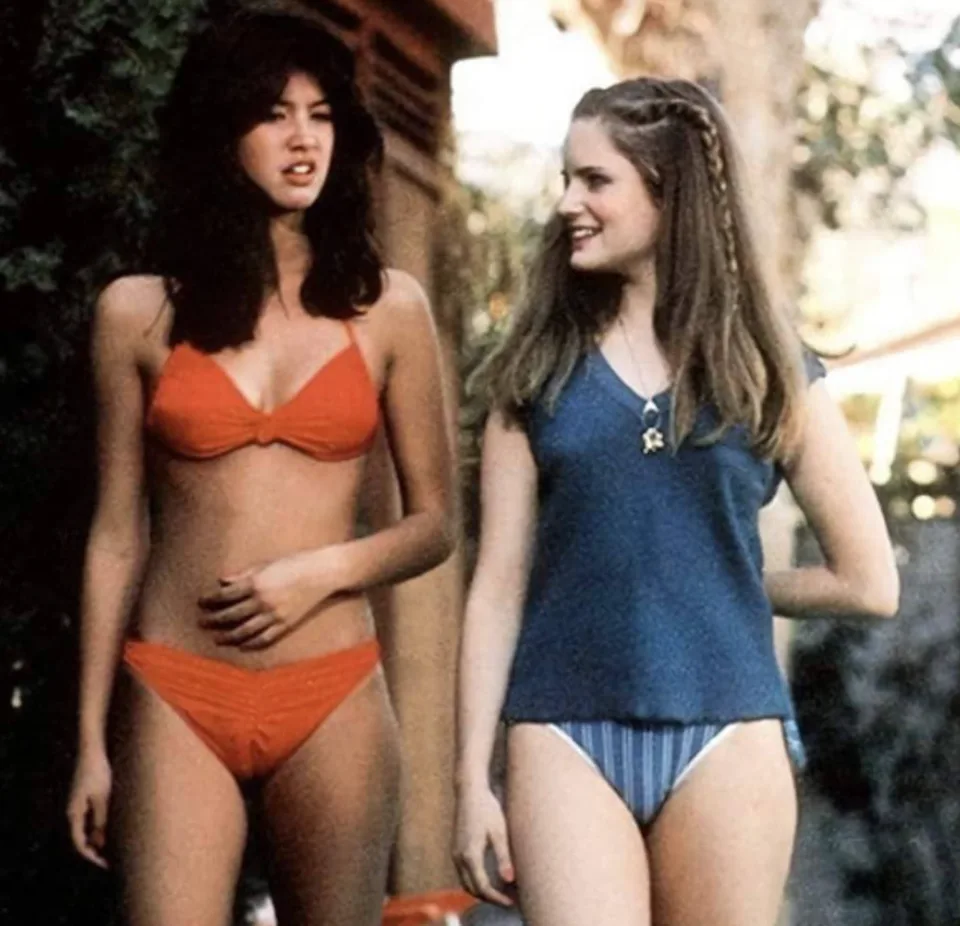
Following her early success, Cates continued to build a filmography that demonstrated range rather than repetition. She appeared in a mix of comedies, dramas, and family-oriented films, avoiding being confined to a single genre.
One of her most widely known roles came in 1984 with Gremlins, where she portrayed Kate Beringer. The film was a major box-office success and became a lasting holiday classic. Unlike many genre films of the era, Gremlins blended humor, fantasy, and darker themes, and Cates’ performance grounded the story emotionally.
She reprised her role in Gremlins 2: The New Batch in 1990, one of her final major film appearances. Throughout her career, she worked with respected directors and actors, earning a reputation for professionalism and thoughtful performance rather than celebrity-driven publicity.
A Distinct Relationship with Fame
Despite her popularity, Phoebe Cates maintained a notably private personal life. Unlike many stars of her era, she avoided constant media exposure, interviews, and promotional cycles unless required for her work. This reserved approach was not accidental; it reflected her broader view of fame as something transient rather than defining.
Cates frequently expressed a preference for theater over film, valuing the intimacy and discipline of live performance. She also voiced concerns about the limited opportunities available to women as they aged in Hollywood, particularly in mainstream cinema. These perspectives shaped her long-term decisions and set her apart from peers who pursued visibility at all costs.
Marriage and Shifting Priorities
In 1989, Phoebe Cates married actor Kevin Kline, an acclaimed performer known for his work in film and theater. Their relationship was notably stable by Hollywood standards, marked by mutual respect and a shared commitment to family life.
As their children were born, Cates began to reassess her priorities. Rather than balancing constant film work with parenting, she made the choice to step away from acting almost entirely. This decision was not sudden, nor was it forced by external pressure. It was a gradual, intentional transition toward a life centered on home and personal fulfillment.
By the mid-1990s, she had effectively retired from full-time acting, appearing only in rare projects connected to close collaborators or personal interest.
Life After Hollywood: Reinvention Without Reinvention
Unlike many former actors who seek reinvention through publicity or nostalgia-driven projects, Cates chose a quieter form of creativity. In 2005, she opened Blue Tree, a boutique located on Madison Avenue in New York City. The store reflects her personal tastes, offering carefully curated books, clothing, accessories, and art.
Blue Tree is not a celebrity-branded venture, nor does it rely on her past fame for attention. Instead, it has earned a loyal following for its thoughtful selection and understated aesthetic. This business represents a continuation of Cates’ creative instincts, expressed through curation rather than performance.
Her transition demonstrates that fulfillment after fame does not require reinvention in the public eye, but can instead grow from authenticity and personal interest.
A Legacy Defined by Choice
Phoebe Cates’ legacy is unique in Hollywood history. She is remembered not only for iconic roles, but for the rare clarity with which she defined success on her own terms.
By stepping away from the spotlight without regret or controversy, she challenged the assumption that fame must be sustained to remain meaningful.
Her career serves as an example of intentional living within an industry often driven by excess and constant exposure. Rather than being defined by what she left behind, Cates is defined by what she chose.
While many performers from the 1980s remained closely tied to their on-screen personas, Phoebe Cates followed a different path. Her absence from Hollywood did not diminish her relevance; instead, it reshaped how audiences remember her.
Over time, her decision to step away from full-time acting has come to be viewed not as a retreat, but as a thoughtful act of self-definition that continues to resonate across generations.
Lasting Cultural Influence
Phoebe Cates’ work in film remains firmly embedded in popular culture. Movies such as Fast Times at Ridgemont High and Gremlins continue to be rediscovered by new audiences through streaming platforms, television reruns, and anniversary retrospectives.
These films are frequently cited in discussions of 1980s cinema, and Cates’ performances are often highlighted for their sincerity and emotional realism.
Unlike many stars whose popularity was tied to trends of the moment, Cates’ appeal has proven enduring. Her characters felt grounded and relatable, avoiding exaggeration or artificial glamour. This authenticity has contributed to her lasting influence, particularly among viewers who value subtlety and emotional depth in performance.
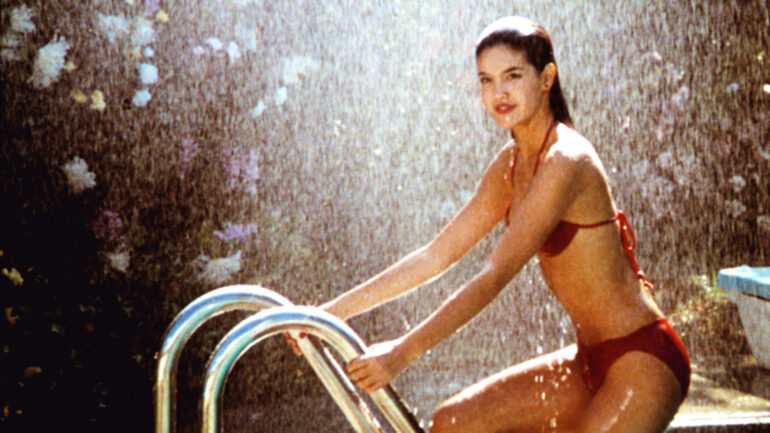
Her presence in these films helped define an era, yet she never allowed nostalgia to dictate her personal or professional identity.
Public Curiosity and Respect for Privacy
Despite her long absence from Hollywood, public interest in Phoebe Cates has never fully faded. However, what distinguishes her story is the respectful distance she has maintained between herself and celebrity culture. She rarely gives interviews, avoids social media, and makes few public appearances.
This approach has reinforced a perception of integrity and self-awareness. Rather than fueling speculation or pursuing attention, Cates has consistently allowed her past work to speak for itself. In an industry where constant visibility is often seen as essential, her ability to maintain relevance without participation in the celebrity cycle stands out.
Importantly, her decision to prioritize privacy has never been framed as secrecy or withdrawal, but as a natural extension of her values.
Theater, Craft, and Artistic Perspective
Throughout her career, Phoebe Cates expressed a clear preference for theater over film. She viewed acting primarily as a craft rather than a vehicle for fame.
Theater, in her view, offered deeper engagement with storytelling and character development, free from the commercial pressures often associated with mainstream cinema.
This perspective influenced her decision to step away from Hollywood. Rather than compromising her artistic standards or accepting roles that felt repetitive or limiting, she chose to pause—and eventually end—her film career on her own terms.
Her stance reflects a broader critique of the industry’s tendency to typecast women and reduce complex performers to narrow archetypes. By stepping away, Cates preserved both her artistic identity and her personal boundaries.
Family Life and Long-Term Stability
Phoebe Cates’ marriage to Kevin Kline has often been cited as one of the more enduring partnerships in the entertainment world. Both actors valued privacy and stability, creating a family life largely shielded from public scrutiny. Cates’ decision to focus on raising their children was central to her departure from acting.
This choice was not framed as sacrifice, but as fulfillment. Rather than attempting to balance competing demands, she opted for clarity and presence during a formative period of her family’s life. Over time, this decision has been widely respected, particularly as conversations around work-life balance have become more prominent.
Her example challenges the assumption that professional success must come at the expense of personal well-being.
Blue Tree and Creative Expression Beyond Film
The opening of Blue Tree in New York City marked a new chapter in Phoebe Cates’ creative life. The boutique reflects her taste, curiosity, and appreciation for thoughtful design. Books, art, clothing, and handcrafted items are curated with care rather than commercial trend-following.
Blue Tree operates independently of celebrity branding, emphasizing quality and authenticity. For Cates, the store represents a form of creative expression that aligns with her values—quiet, intentional, and personal. It also demonstrates that creativity can evolve beyond performance and remain deeply meaningful.
This transition underscores a broader theme in her life: the idea that fulfillment comes not from visibility, but from purpose.
Reframing Success in Hollywood
Phoebe Cates’ story invites a reevaluation of how success is measured in the entertainment industry. Traditional narratives often emphasize longevity, awards, and continuous public presence. Cates offers an alternative model—one where impact is defined by quality, choice, and integrity.
She achieved cultural significance without chasing it, and she maintained it without exploiting it. By stepping away at the height of her recognition, she avoided the pitfalls that have affected many former stars, including overexposure and creative stagnation.
Her legacy suggests that stepping back can sometimes preserve rather than diminish artistic influence.
Why Her Story Still Matters
In today’s media environment, where constant engagement and personal branding are often expected, Phoebe Cates’ path feels increasingly relevant. Her decision to live outside the spotlight aligns with growing conversations about mental health, boundaries, and the value of private life.
Younger generations discovering her work often view her not just as a nostalgic figure, but as an example of intentional living. Her story resonates because it affirms that fulfillment does not require constant validation, and that stepping away can be an act of strength rather than retreat.
A Quiet but Enduring Legacy
Phoebe Cates may no longer appear on movie screens, but her influence endures through her work, her choices, and the respect she commands. She remains a symbol of a different kind of success—one rooted in authenticity, balance, and self-determination.
Her legacy is not defined by how long she stayed in Hollywood, but by how thoughtfully she left it.
