
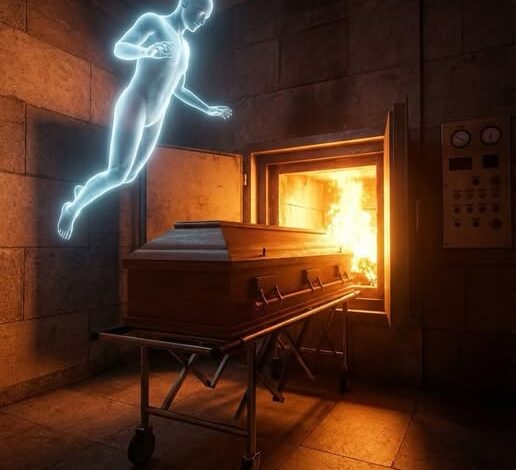
The intersection of faith and finality is a deeply reflective space, inviting believers to contemplate how earthly conclusions align with spiritual conviction.
In the United States, cremation has become increasingly common, yet for many faithful, particularly seniors, the decision transcends practicality.
It is a profoundly personal inquiry into the alignment of such practices with sacred biblical teachings and the traditions of generations past, reflecting a desire to honor God, human dignity, and the eternal nature of the soul rather than merely addressing logistical concerns.
For many devout individuals, the treatment of the body after death is a significant spiritual expression. It embodies a final testimony of faith and reverence for the sanctity of human life, offering a moment of reflective prayer that acknowledges both mortality and divine promises.
This perspective is rooted not in fear of death but in a careful observance of sacred principles, emphasizing that the choices surrounding funeral rites carry profound symbolic and emotional weight, shaping how loved ones remember, honor, and spiritually release the deceased.
Examining the biblical record, burial emerges as the most frequently cited and culturally ingrained practice. From the patriarchs of the Old Testament to the pivotal events of the New Testament, laying the body in the earth or a tomb repeatedly symbolizes care, respect, and hope.
Abraham, the father of faith, purchased the cave of Machpelah to provide a dignified resting place, exemplifying deliberate reverence. Similarly, Israelite kings were often interred with ceremony, and most importantly, Jesus Christ was placed in a borrowed tomb after crucifixion, establishing a theological and cultural precedent that resonates with believers worldwide.
The practice of burial conveys more than cultural conformity; it carries rich symbolic meaning. The phrase “dust to dust” reinforces the connection between humanity and creation, reminding the faithful of the body’s origin in the earth and its ultimate return.
Burial embodies humility, submission to the natural order, and patient anticipation of a future resurrection. For centuries, the image of a body interred like a seed has served as a metaphor for hope and renewal, illustrating that just as a seed must be buried to grow, the body awaits divine restoration in a glorified form.
While burial is prominent in Scripture, the texts do not provide rigid legal mandates forbidding alternative practices such as cremation. The Bible primarily communicates spiritual principles through narrative and cultural context rather than prescriptive funeral regulations.
In the ancient Near East, burial reflected environmental realities, societal norms, and resource availability rather than absolute theological necessity. The absence of prohibitive language about cremation indicates that the spiritual significance of funerary practices depends less on specific methods and more on the intentions, reverence, and hearts of the bereaved, underscoring the primacy of faith over ritual form.
Scripture also highlights God’s sovereignty over creation and physical matter, suggesting that human remains’ condition does not limit divine power. Throughout history, martyrs, sailors, and countless others died in circumstances making traditional burial impossible.
Yet, their hope of resurrection remained intact, demonstrating that life restored by God transcends the physical state of the body.
This assurance comforts modern families facing difficult logistical or financial decisions, reminding them that spiritual significance derives from honoring God and treating the body with dignity rather than adhering strictly to a single method of interment.
In contemporary faith communities, discussion increasingly emphasizes individual conscience in funeral choices. Many spiritual leaders affirm that the “why” behind a funeral—love, respect, and reverence—outweighs the “how.” Families choosing cremation for reasons of cost, geography, simplicity, or the deceased’s wishes often receive pastoral affirmation, provided the body is honored respectfully.
Memorial services, whether held over a casket or an urn, fulfill the same spiritual purposes: honoring life, supporting communal grief, and reaffirming hope grounded in faith, underscoring that the essence of religious observance lies in devotion and intention rather than rigid adherence to tradition.
The concern that cremation might symbolize denial of bodily resurrection is understandable for believers deeply attached to visual rituals. However, theology suggests that resurrection is a divine act of new creation, independent of earthly preservation.
The resurrected body, described in Scripture as “raised in incorruption,” transcends biological decay, emphasizing that faith rests not in physical endurance but in God’s transformative power. This perspective reassures believers that the soul, history, and identity of each person are safeguarded beyond earthly constraints, allowing cremation to coexist with deeply held convictions about eternal life and divine promise.
As traditions evolve, they do not inherently lose their spiritual potency. Rather, they serve as a framework guiding believers in honoring God and each other. When approached with prayer, reverence, and mindfulness, cremation can embody the same sacred significance as burial, offering a tangible expression of trust in divine providence while reflecting an intentional and thoughtful engagement with the realities of mortality.
Cremation allows families to craft personalized memorials that honor individuality and life stories. The urn, often placed in a dedicated space, can serve as a focal point for reflection, prayer, and remembrance. Ceremonial rituals surrounding cremation—whether scattering ashes in meaningful locations or interring them in columbaria—provide opportunities to celebrate life, acknowledge grief, and strengthen communal bonds, reinforcing that spiritual care transcends physical placement.
Modern logistical considerations also influence funeral choices. Urbanization, geographic mobility, and cost often make traditional burial impractical or challenging. Cremation addresses these constraints without compromising spiritual integrity.
Families can honor the deceased in ways that reflect both reverence and practicality, understanding that God’s restorative power does not depend on conventional burial practices, but rather on the faith and devotion with which the rites are conducted.
Theologically, cremation invites a deeper contemplation of divine omnipotence. Scripture emphasizes that God is not limited by physical forms. Throughout biblical history, the faithful experienced varied and sometimes violent deaths, yet their hope of resurrection remained secure. This understanding underscores that spiritual restoration is independent of bodily preservation, offering believers reassurance that cremation, when performed respectfully, aligns with core theological principles.
Pastoral guidance often emphasizes the significance of intention over method. Clergy frequently counsel that the reverent treatment of the deceased, coupled with thoughtful memorial services, suffices to honor God and comfort mourners. Whether the body is buried, cremated, or otherwise handled with care, the underlying spiritual goal remains consistent: demonstrating faith, maintaining dignity, and reinforcing the eternal hope promised in Scripture.
Cultural symbolism continues to shape perception. Many communities associate burial with continuity, ancestry, and physical connection to the land, while cremation emphasizes release, transformation, and spiritual ascent. Both practices offer meaningful metaphors for life and afterlife, illustrating that ritual forms evolve yet retain profound resonance with human longing for dignity, continuity, and hope beyond death.
Families often find comfort in creating ceremonies that reflect personal beliefs alongside traditional norms. Memorial services for cremation can include scripture readings, prayers, and rituals emphasizing resurrection, eternal life, and divine care. Such practices remind participants that the body is a vessel, while the soul’s destiny remains securely in God’s hands, highlighting that ceremonies are more about spiritual affirmation than material form.
Psychologically, cremation can also aid grieving processes by providing tangible ways to honor memory. The choice of urns, memorial gardens, or scattering locations allows survivors to engage actively in farewell rituals. These practices support emotional closure while fostering a sense of ongoing connection, demonstrating that faith, ritual, and memory converge to nurture healing and spiritual reflection.
Importantly, cremation does not diminish communal or ecclesial identity. In many contemporary congregations, cremation is embraced without theological compromise. Pastors and religious leaders often highlight that respectful treatment, prayer, and celebration of life remain the highest priorities. These perspectives reassure believers that honoring God and the deceased’s memory can be fully realized within evolving social and logistical realities.
Finally, the spiritual focus shifts from physical remains to eternal promise. Scripture teaches that resurrection is a divine act, independent of human preservation methods. Cremation, therefore, is not a denial of hope but an acknowledgment of God’s sovereignty, emphasizing trust in the Creator who holds life, death, and eternity within divine authority.
Ultimately, the dialogue surrounding cremation and faith reminds believers that true security is not found in earthly methods, but in the hope rooted in God’s promises. Life’s final moments, regardless of ritual form, point toward eternal restoration and divine presence, emphasizing that faith transcends physical circumstances and rituals.
For many families, decisions regarding cremation represent opportunities for intentional spiritual expression. The process allows loved ones to reflect on a life lived, consider the impermanence of the physical body, and celebrate the enduring nature of the soul. Such ceremonies often deepen communal bonds and reinforce shared beliefs, illustrating that ritual and devotion together offer profound comfort.
The scattering or interment of ashes can itself carry deep symbolic meaning. When approached prayerfully, these acts become ceremonies of release, acknowledging that the earthly body is now entrusted to God. By embracing these practices, families honor both the life of the deceased and the promise of resurrection, bridging temporal absence with spiritual continuity.
Cremation also allows for flexibility in memorialization, enabling families to integrate personal or cultural preferences with faith-based observances. Urns, columbaria, memorial gardens, and scattering in meaningful locations provide tangible focal points for remembrance, prayer, and reflection, highlighting that sacred significance is conveyed through reverent intention rather than method alone.
Many spiritual leaders emphasize that the essence of faith lies not in adherence to tradition, but in the heart’s posture toward God. Whether a body is buried, cremated, or otherwise prepared respectfully, what matters most is honoring the dignity of the deceased and acknowledging divine sovereignty over life, death, and resurrection.
Concerns that cremation might contradict beliefs about bodily resurrection are addressed through deeper theological reflection. Scripture consistently portrays resurrection as a transformative divine act, independent of physical preservation. Faith rests on God’s creative power, not on the material integrity of human remains, providing assurance that cremation is compatible with eternal hope.
Beyond theological considerations, cremation can also serve as a practical tool for ensuring dignity and accessibility. In urban settings, limited cemetery space, geographic mobility, or financial constraints may make traditional burial challenging. Thoughtful cremation practices respect both logistical realities and spiritual intentions, demonstrating that faith and practicality can coexist harmoniously.
Families often find comfort in shaping rituals that reflect personal and spiritual priorities. Memorial services can incorporate scripture, hymns, prayers, and testimonies, reaffirming beliefs about eternal life. These ceremonies allow mourners to express grief, honor the deceased, and participate actively in a shared spiritual experience, reinforcing faith as both personal and communal.
Ultimately, the method of final disposition becomes secondary to the broader spiritual truths of hope, renewal, and divine care. Whether through burial or cremation, believers are invited to trust that life’s end marks not a cessation, but the continuation of God’s redemptive plan. Ritual form is meaningful, yet subordinate to the eternal reality promised by Scripture.
Decisions about end-of-life arrangements are sacred opportunities to model faith, grace, and trust in God’s providence. Families are reminded that the legacy of a life is defined not by earthly remains, but by love, service, character, and devotion expressed throughout a lifetime.
In conclusion, cremation can be approached as an act of reverence, faith, and spiritual trust. It embodies acknowledgment of mortality, hope for resurrection, and confidence in divine power, offering a meaningful, dignified, and spiritually coherent alternative that honors both God and the deceased.
The essence of these decisions rests on recognition that life, in its fullest sense, cannot be confined by death or physical limitations. Faith, prayer, and reverence provide the enduring framework for honoring loved ones, ensuring that their memory is preserved while anticipating the eternal home promised by Scripture.
Ultimately, believers are called to rest in the assurance that death does not sever the bond with the Creator. Earthly ceremonies, whether traditional burial or cremation, are outward expressions of inward faith, signifying trust, hope, and the enduring promise of resurrection.
By embracing cremation thoughtfully, families can navigate the complexities of modern life while remaining steadfast in spiritual devotion. They affirm that God’s care extends to every circumstance, every particle of creation, and every loved one, underscoring that divine sovereignty transcends human limitations.
Even as traditions evolve, the core of faith remains unchanged: the promise of eternal life, the transformative power of resurrection, and the assurance that God’s presence encompasses all. Cremation, when approached reverently, reinforces these truths while providing meaningful avenues for remembrance, prayer, and spiritual reflection.
In the end, the ultimate significance lies not in the physical method of final disposition, but in honoring God, celebrating a life well-lived, and embracing hope that surpasses death. Faith assures believers that even as bodies return to dust, souls remain securely in the hands of a loving Creator.
Life, death, and ritual are intertwined in the ongoing narrative of faith. Cremation, like burial, serves as a vessel for spiritual truth, bridging earthly loss with divine hope. In embracing this practice, families participate in a centuries-old dialogue of reverence, reflection, and unwavering trust in God’s promises.
The enduring lesson is clear: the focus of faith is eternal, not temporal. Rituals, whether traditional or modern, are expressions of devotion, tools for communal mourning, and symbols of hope, reminding all that death is a threshold, not a conclusion, to the journey of life in God’s care.
