

Buzz Williams, the head men’s basketball coach at Virginia Tech, begins each season with a unique and deeply meaningful tradition.
He emphasizes respect for the national anthem and the veterans who have served to protect the nation’s freedoms. Before delivering his message, Coach Williams observes subtle gestures by players during the anthem.
These include glancing at shoes, swaying slightly, or adjusting jerseys or shorts, behaviors that may appear casual but carry unintentional implications.
Williams uses these moments as teaching opportunities. He explains that such small actions, while unintentional, can reflect inattentiveness and a lack of full acknowledgment of the sacrifices made by those who served in the armed forces.
To reinforce his lesson, Williams invites veterans to speak to the team. Several are dressed in full military uniform, creating a powerful visual reminder of the courage, discipline, and sacrifice that accompany service to the nation.

The players are instructed to face the veterans as Williams delivers his message, underscoring the importance of direct acknowledgment and personal reflection on the meaning behind the national anthem and those who defended freedom.
Williams begins his speech with a profound reminder: “We didn’t earn those chairs. How tall you are and how fast you run, or how well you shoot didn’t earn those chairs,” emphasizing the value of perspective and gratitude.
He continues by pointing out that while coaches draw up plays and recruit tirelessly, those efforts alone do not equate to the sacrifice required to protect the freedoms Americans enjoy daily, including attending games.
“Those veterans when they were your age interrupted their life,” Williams explains. “They paused their education, changed career paths, and sometimes gave the ultimate sacrifice for the opportunity to sit in these chairs today.”
He stresses that the anthem is a time for full respect. “So when the anthem is played, we’re going to stand like grown men and honor those who gave their lives, our veterans, who allow us the freedoms we enjoy today.”
Williams instructs that during the approximately two and a half minutes of the anthem, players should stand attentively, avoid swaying, and refrain from adjusting clothing, demonstrating respect through posture and focus.
“The two and a half minutes of the anthem, we dedicate to these people,” Williams says. “They earned these chairs, and that freedom allows us to compete, learn, and enjoy the opportunities we have as athletes and citizens.”
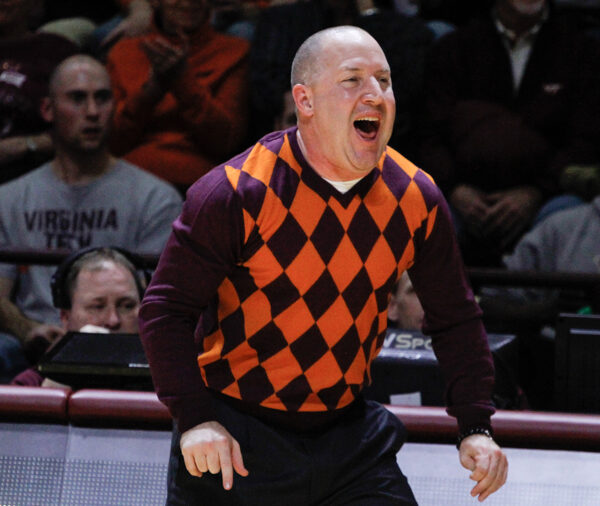
His approach is both educational and deeply respectful. While players may sometimes fidget out of habit or nervousness, Williams uses the experience as an opportunity to instill lasting lessons in attentiveness, gratitude, and honor.
Coaches across sports often face similar challenges when players appear inattentive during ceremonial moments. Williams’ method demonstrates how small gestures can be transformed into meaningful teaching moments.
Players respond to these lessons by reflecting on the sacrifices of veterans. Understanding the historical and personal costs of service encourages athletes to cultivate respect, gratitude, and awareness in all aspects of life, not just athletics.
Williams’ speeches often include anecdotes from veterans, providing personal context about military service, combat experiences, and the discipline required to serve, which enhances the players’ understanding of the magnitude of these sacrifices.
These firsthand accounts create lasting impressions, allowing athletes to connect abstract concepts like freedom and sacrifice to tangible experiences and human stories, making the lesson more profound and emotionally resonant.
In addition to verbal instruction, Williams demonstrates respect through example. His own demeanor during the anthem reflects attentiveness, upright posture, and unwavering focus, modeling the behavior he expects from players.
The inclusion of veterans at practices and team meetings emphasizes intergenerational learning, showing players that respect for service is not merely symbolic but rooted in real-world sacrifice and experience.
Observing small gestures, such as foot shuffling or looking away, allows Williams to correct behavior immediately. This reinforces the importance of paying attention to subtle actions and their symbolic significance.
The lessons extend beyond athletics. By teaching respect, gratitude, and awareness, Williams helps his players develop qualities that are valuable in personal relationships, professional environments, and civic engagement.
Williams highlights that the anthem is more than a ritual; it is a moment to reflect on history, national identity, and the lives of those who ensured the freedoms players enjoy, fostering maturity and perspective in young athletes.
Players learn to appreciate that their daily activities, including practices and games, occur within the framework of sacrifices made by countless individuals, many of whom never returned home to enjoy the very freedoms athletes take for granted.
The attention to posture, eye contact, and stillness reinforces discipline and mindfulness, qualities that contribute to both athletic performance and personal development, creating a culture of respect within the team.
Williams also reminds players that respect for the anthem is a public statement of values. Fans, family members, and younger athletes observe behavior on the court, making these moments an opportunity to demonstrate integrity and gratitude.
Veterans’ presence and stories also foster empathy. Hearing personal accounts about the challenges, hardships, and sacrifices of military service encourages athletes to consider lives outside their own experience, broadening emotional understanding.
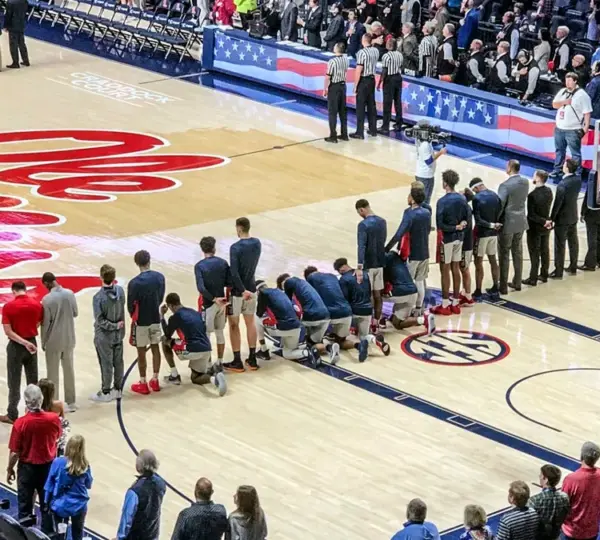
The use of ceremonial moments as educational opportunities aligns with broader coaching philosophies that emphasize character development, emotional intelligence, and awareness of history as integral parts of athletic programs.
Williams’ approach illustrates how sports can teach life lessons. The combination of personal example, veteran storytelling, and practical instruction ensures players internalize respect for others, for history, and for freedoms often taken for granted.
Discipline during ceremonial moments carries over into athletic performance. Attention to detail, focus, and respect for process are skills transferable from honoring the anthem to training, strategy, and competition on the court.
The two and a half minutes of the anthem are used intentionally. By concentrating fully, players learn to control impulses, remain present, and dedicate undivided attention, reinforcing values that extend beyond athletics into daily life.
Coaches adopting similar approaches often report long-term behavioral benefits. Athletes become more aware of social cues, respectful of authority, and considerate of others’ experiences, creating a team culture rooted in integrity.
Williams’ integration of veterans into the team environment also strengthens community connections, highlighting the shared responsibilities of society in recognizing and honoring those who serve, fostering civic-mindedness in young adults.
Through these practices, players develop an understanding that athletic privilege and opportunity are not absolute rights but benefits provided by societal and historical sacrifices, encouraging humility and perspective in their conduct.
In observing the anthem, players are reminded that small gestures have significant meaning. What may appear as a casual movement carries symbolic weight, teaching mindfulness, attention, and consideration for history and human sacrifice.

The practice also prepares players for professional environments beyond sports. Respect, presence, and awareness are critical qualities in leadership, business, and interpersonal relationships, cultivated through repeated, meaningful experiences.
Williams’ philosophy underscores that teaching respect is continuous, requiring reinforcement, modeling, and reflective discussion to ensure that players understand not only the actions expected but the values underlying them.
By incorporating veterans into practices and speaking directly to their experiences, Williams bridges abstract concepts with tangible reality, creating lasting impressions that influence players’ attitudes, decisions, and character development.
Ultimately, the goal is holistic development. Athletes are educated not only in technical skill but in ethical behavior, civic awareness, and respect for history, equipping them to navigate life with integrity and maturity.
Even subtle gestures, such as adjusting clothing or swaying, become opportunities for correction and discussion, transforming seemingly minor behaviors into lessons in attentiveness, discipline, and reverence for those who serve.
The impact of Williams’ approach is visible in team culture. Players demonstrate heightened awareness, consistent respect during ceremonial moments, and an understanding of their broader societal context, reflecting lessons that extend beyond basketball.
These practices also encourage self-reflection. Athletes learn to evaluate their behavior, recognize unconscious habits, and adjust in ways that demonstrate personal growth, respect, and awareness of history and tradition.
Williams’ model provides a blueprint for coaches at all levels. Integrating character education, veteran engagement, and reflective discussion into team routines creates an environment where respect, gratitude, and ethical conduct are prioritized alongside athletic achievement.
Finally, Buzz Williams’ dedication to instilling reverence for the national anthem and veterans highlights how sports can be a vehicle for teaching life lessons, building character, and fostering appreciation for the sacrifices that sustain freedom, opportunity, and society itself.
