
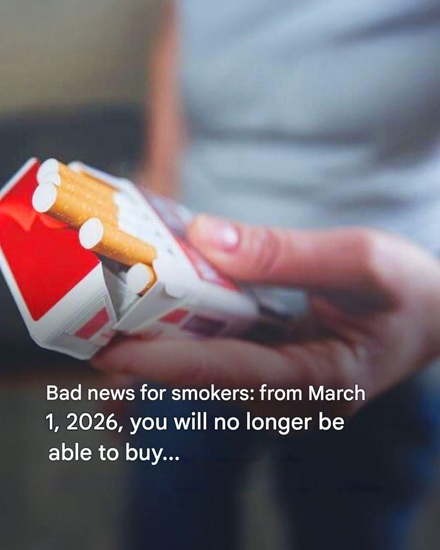
The price of tobacco in France has been steadily increasing for years, reflecting a combination of government tax policy, public health strategy, and industry pricing practices.
Understanding these mechanisms helps explain the evolution of cigarette costs. In France, the selling price of a pack of cigarettes is influenced by several factors, including the manufacturer’s price, the tobacconist’s margin, and state taxes. Each component contributes differently to the final cost paid by consumers.
Tobacco manufacturers or importers first propose a retail price for their products. This price includes production costs, trade margins, and all mandatory taxes. The proposed amount is carefully examined by French authorities before approval.
The Directorate General of Customs and Indirect Taxes (DGDDI) is the primary government body responsible for verifying the compliance of tobacco prices. Their approval ensures that the proposed price adheres to regulations and includes required taxes.
Tobacconists’ margins form an essential component of the retail price. Typically, these margins represent between eight and ten percent of the final cost of a pack of cigarettes, compensating retailers for the distribution and sale of tobacco products.
The manufacturer’s margin is another key component, generally around fifteen percent of the total selling price. These profits support production costs, research, marketing, and the operational expenses of tobacco companies.
State taxes constitute the largest portion of the retail price, making up approximately seventy-five to eighty percent of cigarette sales. For cigars, this proportion is slightly lower, averaging around forty percent of the selling price.
These taxes include excise duties and value-added tax (VAT). Both are established by the government, usually within the framework of budgetary laws, and frequently adjusted to reduce tobacco consumption over time.
VAT, or Value Added Tax, is integrated into the retail price and currently set at sixteen point six six percent. Interestingly, tobacconists themselves are not subject to VAT on the sales of tobacco products or discounts they may grant.
Additionally, tobacconists in mainland France receive a standard discount of 10.19% on the retail sale of all types of tobacco. This discount is slightly higher in Corsica, where it is eleven point three two three percent, reflecting regional pricing adjustments.
Excise duty on tobacco is calculated differently from VAT. It is applied directly to quantities produced or imported rather than being based on the value added during retail sales. This ensures a consistent fiscal contribution from tobacco manufacturers.
The French excise duty is determined using a formula combining a percentage of the retail selling price and a fixed amount per thousand units or grams. Authorities ensure that this sum does not fall below a legally defined minimum collection.
If the calculated excise duty is lower than the minimum collection, the minimum tax applies. This safeguard guarantees that all tobacco products contribute adequately to state revenue and public health funding.
Since January 1, 2025, updated excise duty rates apply throughout metropolitan France. These rates are uniform, meaning tobacco prices remain consistent across all locations in mainland France, preventing local disparities in retail pricing.
Retailers are not permitted to offer different prices based on geographic location or apply additional discounts or promotions on tobacco products. Violation of these rules can result in sanctions against the tobacconist or retail outlet.
On January 1, 2026, tobacco prices increased again. For a standard pack of twenty cigarettes, the rise averages around fifty cents, with some brands experiencing increases of up to one euro, reflecting both inflation and fiscal strategy.
As a result, the average retail price of a pack of twenty cigarettes in France reached approximately twelve point five to thirteen euros in early 2026. This cumulative increase follows the successive adjustments of 2025.
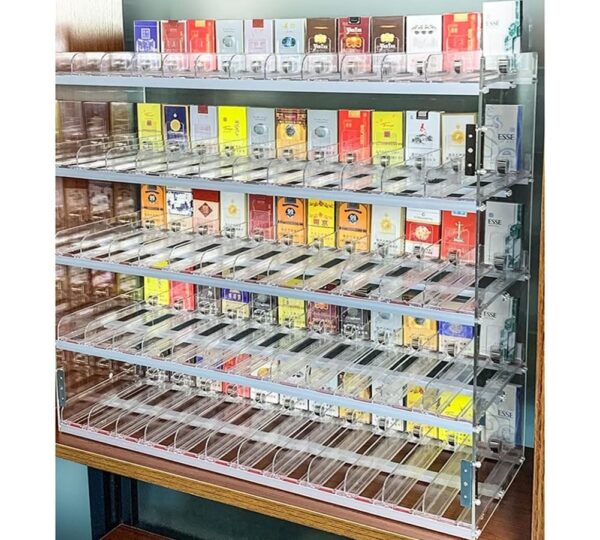
During 2025, several price adjustments occurred. The first, on January 1, targeted popular brands such as Marlboro, Philip Morris, and Royale, with price increases ranging from twenty to fifty-five cents per pack.
A second adjustment occurred in mid-August 2025 when the DGDDI published new tariffs effective September 1. This update affected a smaller number of references, while most brands maintained their previous prices, creating a selective revaluation.
In terms of larger purchases, the price of a carton of cigarettes depends on the brand, pack format, and the number of units per pack. For example, a carton of twenty 20-cigarette packs ranges from 250 to 300 euros.
For cartons containing twenty 25-cigarette packs, the price varies between 300 and 350 euros, equating to roughly fifteen to seventeen point five euros per pack. Larger formats naturally increase the total cost proportionally.
Similarly, cartons containing twenty 30-cigarette packs range from 360 to 390 euros, resulting in a per-pack cost of approximately eighteen to nineteen point five euros. These prices reflect tax contributions, manufacturing costs, and distribution margins.
Brand-specific prices also vary slightly. As of January 1, 2026, Camel filters (rigid or soft packs) are sold at thirteen euros per pack, while Lucky Strike packs cost around twelve point five euros, illustrating minor price differentials among major brands.
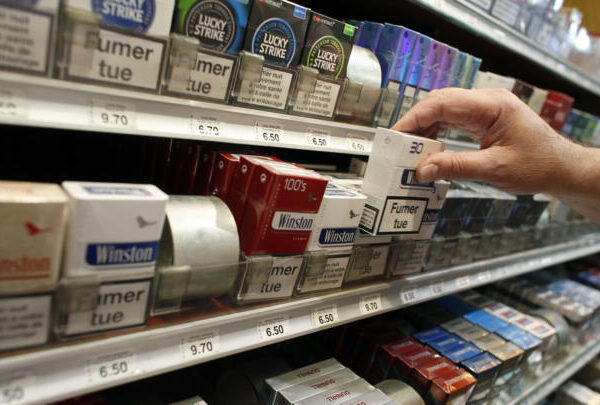
Marlboro Red rigid packs cost approximately thirteen point five euros, whereas Marlboro Red Collection packs remain lower, at ten point nine five euros. These variations reflect marketing strategies, consumer demand, and brand positioning within the market.
Other notable brand prices include Philip Morris Filter Kings at thirteen euros, Winston Blue at thirteen euros, and Peter Stuyvesant Red at thirteen euros. Mid-range brands align closely with the national average, reinforcing standardized pricing policies.
Lower-end or “economic” brands historically offered cheaper packs. In 2025, these packs ranged from approximately ten point four to ten point nine euros, such as Luckies Red or Gladstone Rouge, although price differences are narrowing with successive increases.
Rolling tobacco is also subject to price increases. For example, a 30-gram package of American Spirit Original costs eighteen point six euros, while Camel Essential and Winston Essentiel are priced similarly, reflecting government taxation applied to loose tobacco products.
In 2026, the trajectory of price increases continues. Annual adjustments, often aligned with inflation, aim to discourage consumption while funding social security and public health programs designed to mitigate smoking-related illnesses.
Historically, the average price of a pack of twenty cigarettes in France has risen sharply. In the early 2000s, a pack cost roughly three euros, but through consistent taxation policies, it now averages around thirteen euros, over four times higher than two decades ago.
Significant jumps occurred in the 2000s and 2010s, including a rise to five euros in 2004. By 2020, the average price reached ten euros per pack. These changes reflect the government’s long-term strategy to reduce smoking prevalence through economic deterrents.
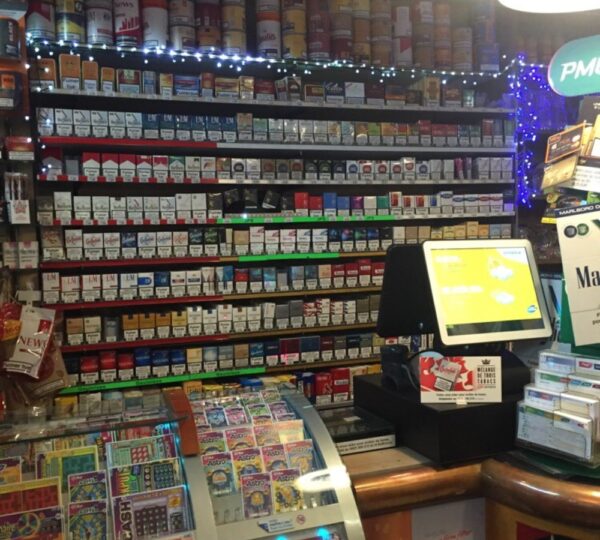
Looking ahead, projections suggest that, if current increases continue, a standard pack could reach twenty euros within ten years. By 2040, the average price might approach twenty-six euros, positioning France among the highest-priced tobacco markets in Europe.
European comparisons highlight substantial price differences. Countries such as Andorra, Spain, Luxembourg, and Italy offer packs for four to six euros, while France remains among the most expensive due to high taxation and public health measures.
This discrepancy encourages cross-border purchases and smuggling, which authorities actively monitor. France has reinforced customs oversight and enforcement to limit illegal trade while maintaining elevated retail prices to reduce consumption.
The rise in tobacco prices is part of a broader public health initiative. Tobacco remains the leading cause of preventable death in France, with over seventy-five thousand deaths annually attributed to smoking-related illnesses.
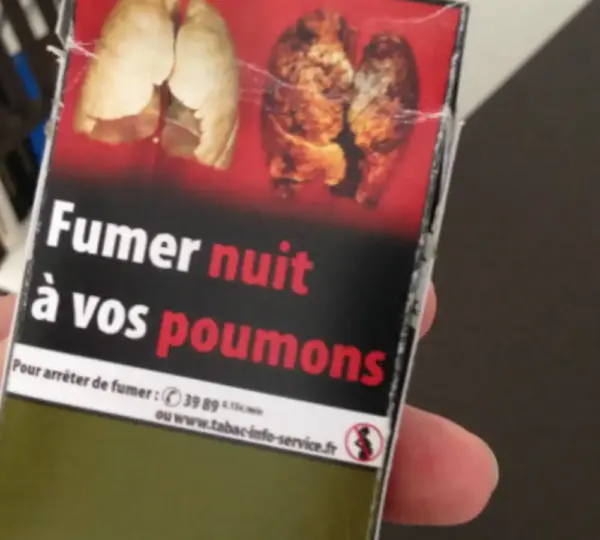
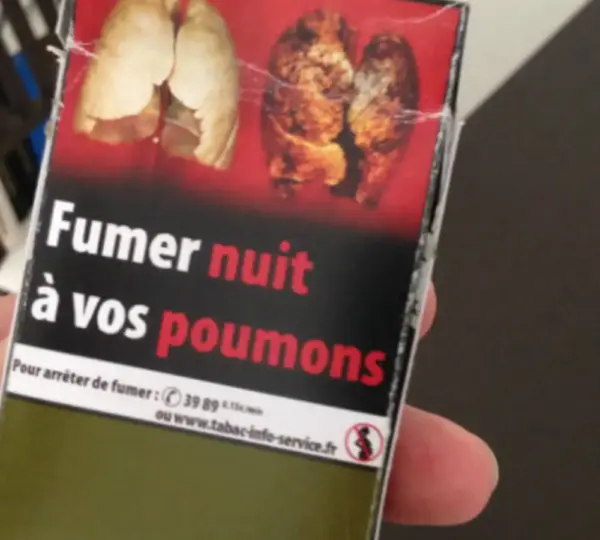
In 2014, France implemented the National Tobacco Reduction Program (PNRT) to promote cessation and reduce consumption. Measures included plain packaging, awareness campaigns, and financial incentives for smokers to quit or switch to alternatives.
Environmental considerations also play a role. Cigarette butts constitute around thirty-five percent of litter collected in public spaces, containing chemicals that pollute soil and water. Taxes on manufacturers contribute to collection and disposal programs.
Electronic cigarettes, or e-cigarettes, remain under specific regulation. Bans on disposable devices were enacted in February 2025 to limit youth access, while taxation on e-liquids is limited to standard VAT, with proposals for additional levies currently rejected by the Senate.
Public smoking bans have evolved over time. Since February 1, 2007, smoking is prohibited in indoor public spaces, including workplaces, schools, and healthcare facilities. Certain designated areas may accommodate smokers, provided they adhere to signage and regulatory requirements.
As of July 1, 2025, outdoor bans expanded to include parks, playgrounds, beaches, and school surroundings to protect minors. Non-compliance carries fines for individuals, vapers, and establishments, ranging from twenty-two to seven hundred fifty euros depending on the offense.
Throwing cigarette butts in public spaces is now a fourth-class offense, punishable by a fine of 135 euros. This measure complements environmental initiatives and aligns with anti-smoking strategies designed to reduce litter and public exposure to tobacco.
The combined effect of taxation, price increases, bans, and environmental policies has created one of the strictest tobacco frameworks in Europe. France continues to use pricing as a key lever in public health policy.
Overall, the evolution of tobacco prices reflects multiple intersecting objectives: public health, fiscal revenue, environmental protection, and compliance with European directives. Retail prices, taxes, and regulations all work together to achieve these goals.
