
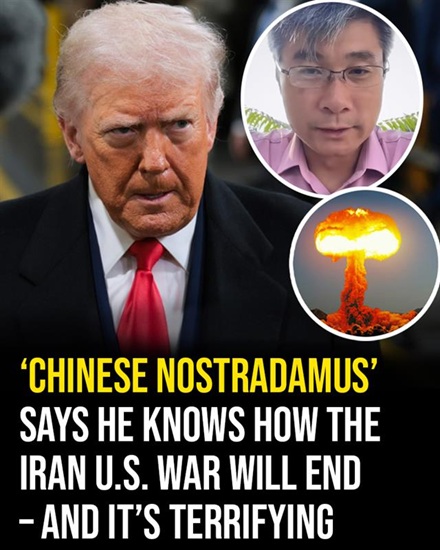
Professor Xueqin Jiang is a Chinese‑Canadian educator, historian, and geopolitical commentator who has drawn significant global attention for his bold forecasts about world events.
He became especially prominent online due to his predictions regarding U.S. foreign policy and the conflict involving Iran. Born in 1976, Jiang is a graduate of Yale University, where he completed a Bachelor’s degree in English Literature.
After graduating, he built a career that blended education reform, teaching, curriculum development, and media work in China.
Jiang holds Canadian citizenship, and his family migrated from China when he was young. He now lives and works in Beijing, where he teaches history, philosophy, and geopolitics at international academic institutions.
Before gaining international notoriety, Jiang also worked in multiple Chinese secondary school leadership roles, including positions at schools affiliated with Peking University and Tsinghua University.
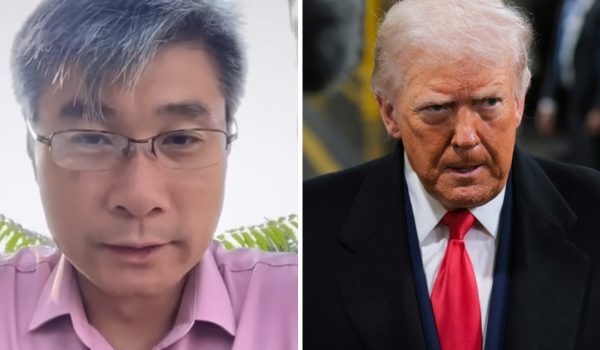
Jiang is the creator of the YouTube project Predictive History, a channel focused on interpreting global political developments through historical patterns, game theory, and structural analysis.
His work draws inspiration from the fictional concept of “psychohistory” — first imagined in science fiction — which attempts to use historical data and theoretical frameworks to forecast future human behavior.
The Predictive History channel has amassed a substantial audience, with millions of subscribers across YouTube and other social platforms, making Jiang one of the most widely followed independent geopolitical commentators online.
Online audiences and some media outlets have dubbed him “China’s Nostradamus” due to the perceived accuracy of certain geopolitical forecasts he made years before related events unfolded.
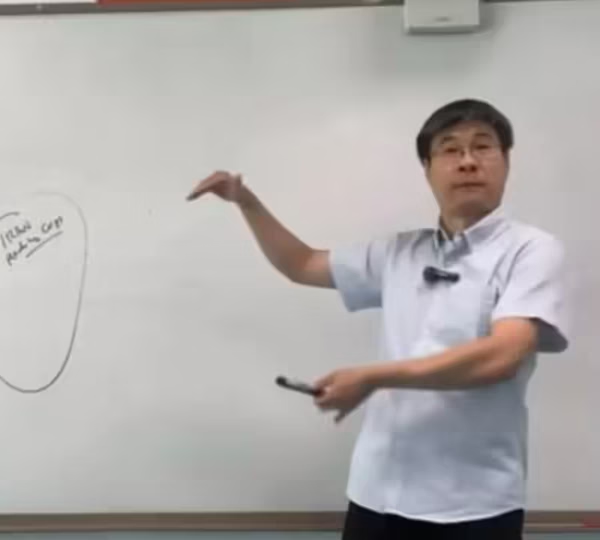
In May 2024, Jiang delivered a lecture titled “The Iran Trap” in which he outlined three major geopolitical forecasts about U.S. politics and global conflict dynamics.
During that lecture, he predicted that Donald Trump would return to the U.S. presidency in 2024 and serve a second term — a forecast that later aligned with real election results.
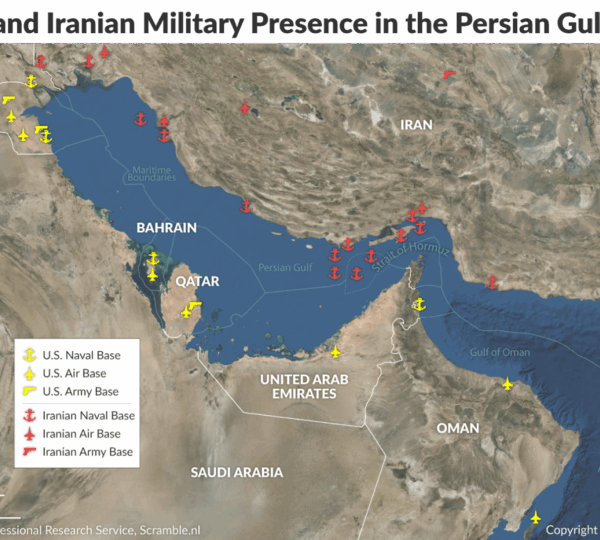
He also warned that tensions between the United States and Iran could escalate into a significant military confrontation during Trump’s return to office, a scenario that has attracted global attention.
Jiang’s third and most dramatic prediction was that if such a conflict escalated into prolonged military engagement, the United States could fail to achieve its objectives and might even lose, fundamentally altering global power relations.
In his analysis, Jiang referenced historical analogies, such as the failed Sicilian Expedition undertaken by ancient Athens, to illustrate how powerful states can falter in protracted conflicts far from home.
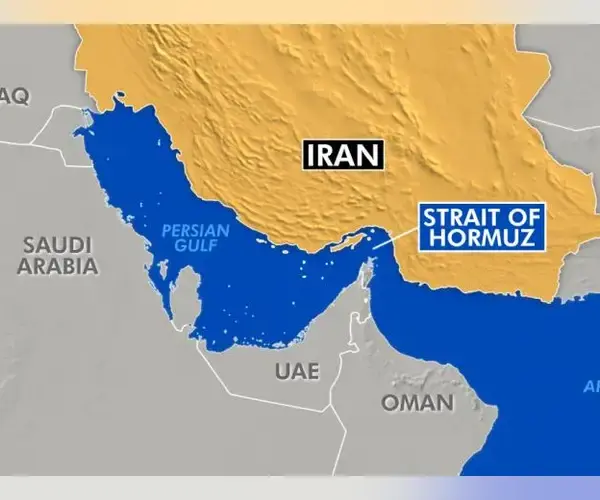
Jiang argues that geography, demographics, and asymmetric warfare dynamics — including resistance from proxy networks and home‑field advantages — create conditions unfavorable for a successful prolonged war against Iran.
He has emphasized that Iran’s terrain and regional alliances with groups like Hezbollah and others could complicate military operations and strain U.S. military logistics and long‑term strategy.
Jiang’s predictions also drew on game theory frameworks, a method of analysing strategic decision‑making, to model how different geopolitical actors might act under competitive pressures.
He explains that such analysis focuses on structural incentives that influence state behaviour more predictably than short‑term rhetoric or media narratives.
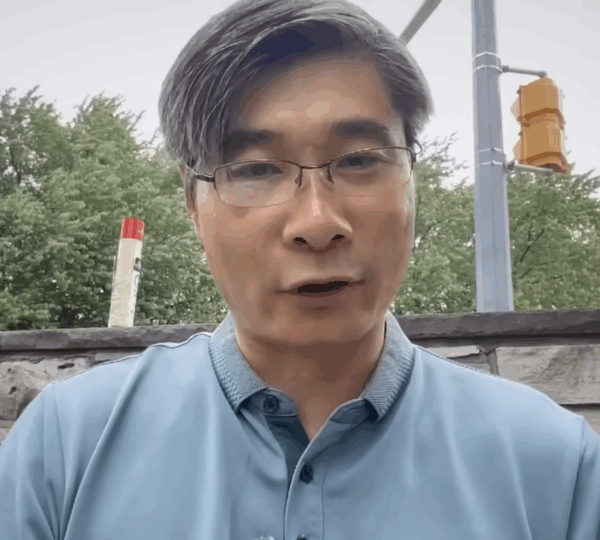
After the lecture went viral, clips of Jiang’s forecasts surfaced widely on social media as global tensions between Washington and Tehran increased in 2025 and 2026.
This renewed attention led many media outlets and online communities to revisit the predictions, noting that several significant geopolitical developments appeared to align with his earlier statements.
Supporters praise Jiang for encouraging audiences to think about deep historical cycles and strategic patterns, rather than simply reacting to news headlines or short‑term developments.
However, others caution that forecasting future geopolitical events is extraordinarily complex, and no methodology — historical or game‑theoretical — can guarantee accuracy in every case.
Some analysts have pointed out that while Jiang’s earlier predictions have attracted attention, much of his analysis remains speculative and has not been validated by independent geopolitical experts.
Critics also note that using selective historical analogies to predict specific modern outcomes can oversimplify the nuanced realities of international diplomacy and strategic decision‑making.
Nonetheless, the popularity of Jiang’s lectures highlights how digital media has enabled independent commentators to reach global audiences and influence public discourse on geopolitics.
Jiang’s Predictive History channel covers a wide range of topics beyond U.S.‑Iran relations, including historical civilizational patterns, secret history narratives, and structural analyses of world systems.
His content appeals to viewers interested in interdisciplinary approaches to understanding politics, history, and the long‑term drivers of global change.
Some media coverage also notes that not all of Jiang’s ideas reflect mainstream academic consensus; certain themes in his work have been described as controversial or unconventional.
For example, part of his broader narrative sometimes includes analysis of long‑term power structures or strategic incentives that differ from traditional geopolitical forecasting methods.
The nickname “China’s Nostradamus” stems from comparisons to the 16th‑century French seer Nostradamus, known for cryptic prophecies that many interpret as predicting major events.
Unlike mystical prophecy, Jiang’s method does not rely on astrology or occult prediction but attempts to ground forecasts in analytical frameworks derived from history and strategy.
Public discussion about his work reveals a broader appetite for long‑range analysis of geopolitics, reflecting public interest in understanding global risks and power shifts.
In academic communities, experts often stress that geopolitical forecasting should be treated cautiously, given the innumerable variables that shape international events and outcomes.
While parts of Jiang’s 2024 lecture are being re‑examined in light of recent developments, many specific predictions remain unresolved or debated among observers.
Independent analysts tracking the conflict continue to emphasize that the U.S.‑Iran situation involves multiple actors, diplomatic efforts, and strategic uncertainties, making definitive predictions difficult.
It is also important to recognize that the broader backdrop of the U.S.‑Iran tensions involves long‑standing issues such as nuclear proliferation concerns, regional rivalries, and security alliances.
Fact‑based reporting confirms that serious diplomatic and military discussions between Washington and Tehran are ongoing, with outcomes still uncertain as of 2026.
Jiang’s growing influence on platforms like YouTube, Instagram, and Substack has made him a distinctive voice in online geopolitical discourse, reaching millions of viewers worldwide.
Despite differing opinions on his predictive model, the attention paid to his work underscores the public’s desire for long‑term strategic insight into global affairs.
Ultimately, Jiang’s prominence illustrates the increasingly significant role online commentators play in shaping global conversation, even as experts call for careful evaluation of such forecasts against empirical evidence.
