
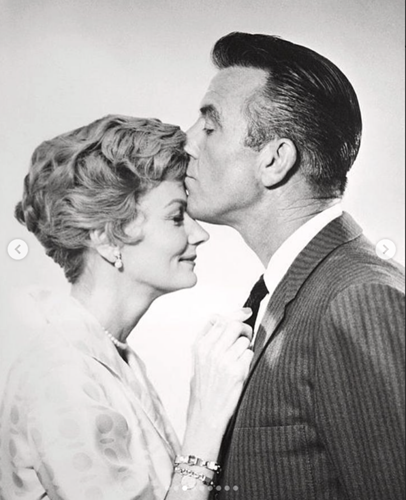
Few television shows from the 1950s and 1960s have left as enduring a mark on American pop culture as Leave It to Beaver.
Unlike many long-running series that gradually lost their appeal or veered into exaggerated antics to maintain ratings, Leave It to Beaver consistently delivered a warm, understated humor and carefully structured storytelling throughout its six-year run from 1957 to 1963.
The show was the creation of writers Joe Connelly and Bob Mosher, two industry veterans who had previously collaborated on radio and television projects and understood the delicate balance between relatability and entertainment. Connelly and Mosher envisioned a program that captured the day-to-day life of a suburban family through the lens of a child, emphasizing moral lessons, emotional growth, and gentle humor rather than slapstick comedy.
From its conception, Leave It to Beaver was meticulously planned. Connelly and Mosher deliberately avoided the over-the-top comedic setups that were common in other sitcoms of the time. Shows like I Love Lucy and The Honeymooners relied heavily on exaggerated reactions and loud, almost theatrical punchlines, whereas Leave It to Beaver drew its humor from realistic misunderstandings, miscommunications, and the innocent logic of children navigating a world slightly too complex for them.
The series celebrated the ordinary, making everyday experiences—like homework struggles, playground rivalries, and sibling disagreements—feel both significant and entertaining. This approach was a radical departure from television norms of the late 1950s, which often treated children as caricatures rather than complex, emotionally nuanced characters.

The series premiered on CBS on October 4, 1957, before eventually moving to ABC for its later seasons. While it never dominated award shows during its original run, it steadily maintained a loyal audience and achieved respectable ratings
What contributed to its enduring popularity was not flashy gimmicks or sensational plots but a consistency in tone, character integrity, and storytelling that resonated across generations. Syndication in the decades that followed cemented its cultural significance, introducing new viewers to the Cleaver family and allowing the show’s gentle charm to outlast the shifting trends of television comedy.
The Philosophy Behind the Cleaver Family
At the heart of Leave It to Beaver was the Cleaver family: Ward and June Cleaver, and their two sons, Wally and Theodore “Beaver” Cleaver. One reason the series has remained so beloved is the creators’ commitment to portraying a family that was neither perfect nor morally simplistic. Ward and June were respectful and principled, yet relatable—they listened to their children, guided them patiently, and occasionally made mistakes themselves.
Beaver, the youngest, often found himself in minor misadventures that highlighted common childhood fears, misunderstandings, and curiosity. Instead of resorting to harsh discipline or ridicule, the show allowed its characters to learn from mistakes organically. Lessons were embedded within the storylines, giving viewers insight into empathy, responsibility, and moral reasoning without ever feeling didactic.
This focus on sincerity over spectacle extended to the series’ production style. Connelly and Mosher insisted on naturalistic dialogue, plausible reactions, and everyday settings. There were no laugh tracks emphasizing every punchline—a bold decision at a time when artificial audience prompts were a common crutch in sitcoms. Humor emerged from situational authenticity rather than forced theatricality, giving the show a calm, relatable cadence that audiences found comforting.
Small Imperfections and Memorable Continuity Details
Despite its careful planning, Leave It to Beaver was still a product of its era. Like all long-running shows, minor production errors occasionally slipped through. One frequently cited example is the calendar discrepancy in the 1963 episode “The Poor Loser.” In this episode, Beaver struggles with self-doubt and frustration after multiple failures in school and social settings.
Observant viewers later noticed that the calendar hanging in the Cleaver kitchen did not reflect the year of broadcast; evidence suggests the prop department reused a 1961 calendar rather than updating it to 1963. While seemingly trivial, this oversight reflects the practical realities of early television production, where budgets were limited, schedules were tight, and prop resources were often recycled to save costs.
Another minor, yet amusing, continuity slip occurs in the same episode. Beaver and Ward attend a baseball game, and the tickets they hold show the correct town name, “Mayfield,” in large type. However, in small print, the name is misspelled as “Mayfied.” Before the era of high-definition remasters, such errors would have been nearly invisible to audiences. Today, though, keen-eyed fans can pause and scrutinize the details, revealing the human and sometimes imperfect nature of classic television production.
Creative Problem-Solving: The Artificial Bee
In another classic episode, “The Silent Treatment,” Beaver paints a door while a bee hovers nearby. Instead of risking a live insect on set—a potentially dangerous situation—the production team cleverly employed a prop bee suspended by an almost invisible thread. Attentive viewers may occasionally notice the thread wobbling in front of Beaver’s face. This practical effect exemplifies the ingenuity required in pre-digital production, when every visual trick relied on physical craftsmanship rather than computer editing. What seems quaint today was, at the time, considered both safe and innovative—a testament to the creative resourcefulness of the show’s crew.

Casting the Iconic Beaver: Jerry Mathers
The role of Theodore “Beaver” Cleaver was played by Jerry Mathers, who became one of the most recognizable child actors of the era. Mathers frequently commented on the contrast between his real-life personality and that of his on-screen character.
Unlike Beaver, he claimed he rarely got into trouble, largely because dozens of crew members monitored him closely during filming. The production environment was intentionally nurturing, designed to feel more like an extended family than a strict workplace. Cast and crew often engaged in informal games—baseball, football, or other recreational activities—during breaks, allowing young actors to release energy in a safe, friendly environment.
Mathers’ audition itself has become part of television lore. He reportedly arrived in his Cub Scout uniform, as he had a meeting scheduled immediately afterward. Rather than trying to conceal this, he candidly informed the producers of his time constraints. Connelly and Mosher were seeking authenticity over polish, and Mathers’ honesty and natural demeanor perfectly embodied the innocence and sincerity they envisioned for Beaver. His casting launched a six-year tenure that would define his career and cement his place in television history.
A Forward-Thinking Contract
In a notable move for the time, Jerry Mathers secured a contract that included a percentage of the show’s merchandising revenue. This foresight proved invaluable over the years, as syndication, home video releases, and licensed products continued generating income long after the series ended. At a time when many child actors had little control over financial outcomes, Mathers’ arrangement demonstrated both prudence and foresight, setting a precedent for future young performers.
While Tony Dow ultimately became synonymous with Wally Cleaver, the role was originally portrayed by Paul Sullivan in the unaired pilot episode. Sullivan’s natural demeanor suited the character, but a noticeable growth spurt rendered him taller and more mature than the character’s intended age. This discrepancy disrupted the family dynamic onscreen, where Wally was meant to appear as the responsible, slightly older sibling of Beaver.
Maintaining age consistency was crucial to the show’s believability, so producers made the difficult decision to recast. Tony Dow, then a young actor in his early teens, possessed the perfect balance of charm, dependability, and subtle mischief that the character demanded. His portrayal became a defining element of the show, capturing the essence of the older brother who, while occasionally teasing Beaver, ultimately offered guidance and support with kindness and integrity.
Dow’s portrayal of Wally contributed to the show’s emphasis on sibling relationships as a cornerstone of family life. Episodes frequently explored Wally’s attempts to navigate adolescence—school, friendships, sports, and first crushes—while maintaining a sense of responsibility toward his younger brother.
The dynamic between Wally and Beaver showcased the nuanced reality of sibling bonds: moments of rivalry coexisted with unwavering loyalty and genuine affection. In interviews decades later, Dow often reflected on the challenges of balancing humor and sincerity in these scenes, emphasizing the care taken to ensure that the brotherly interactions never felt contrived or exaggerated for laughs.

June Cleaver: Barbara Billingsley’s Enduring Style
Barbara Billingsley, who portrayed June Cleaver, became an enduring symbol of idealized 1950s motherhood. Her wardrobe—pearls, tailored dresses, and high heels—was carefully selected to convey both elegance and domestic competence. Each outfit was meticulously coordinated by the costume department, reflecting the societal expectations of suburban housewives during the era while also serving practical purposes for the production. For instance, Billingsley wore her signature strand of pearls in part to conceal a surgical scar at the base of her neck. Her high heels were not merely a fashion choice; they helped maintain height balance in scenes with her growing on-screen sons, ensuring visual harmony in family shots.
Billingsley’s portrayal went beyond clothing. Her demeanor—calm, patient, and thoughtful—embodied the idealized mother figure without appearing cold or unrealistic. She managed to balance nurturing warmth with quiet authority, modeling constructive conflict resolution and gentle moral guidance. Even small gestures, such as the way she adjusted Beaver’s collar or listened attentively to his concerns, reinforced the show’s emphasis on empathy, respect, and attentiveness within the family unit.
Offscreen Brotherhood and Camaraderie
The camaraderie between Jerry Mathers and Tony Dow extended far beyond the television set. Their real-life friendship mirrored the closeness of their onscreen relationship, lending authenticity to their interactions as brothers. Mathers frequently described Dow as a mentor and confidant, someone who guided him both professionally and personally during their formative years. This bond was particularly significant considering the pressures child actors faced, from long hours on set to navigating public attention. When Dow passed away in 2022, Mathers expressed profound grief, emphasizing that Dow had been not only a television sibling but a lifelong friend—a testament to the enduring personal relationships fostered by the series.
The supportive atmosphere on set contributed to the show’s warm, family-friendly tone. Beyond scripted scenes, cast and crew members frequently engaged in recreational activities such as baseball, football, and informal games. These interactions provided both a physical outlet and an opportunity for the actors to develop chemistry, ultimately enhancing their onscreen performances. The environment also allowed young actors like Mathers and Dow to experience a sense of normalcy amidst the demands of professional production, creating an atmosphere that emphasized guidance, safety, and mentorship.
Memorable and Ambitious Episodes
Leave It to Beaver occasionally pushed the boundaries of what was expected from family television. One standout episode aired on May 5, 1961, featuring Beaver climbing a large billboard to investigate whether a giant advertising cup was hollow. This scene was particularly challenging because Jerry Mathers had a fear of heights. Filming required elaborate safety precautions, including harnesses, careful camera angles, and stunt coordination.
The episode reportedly cost around $40,000 to produce, making it one of the series’ most expensive installments. The ambitious set design, combined with the logistical complexity of ensuring a child actor’s safety, highlights the production team’s dedication to crafting visually engaging and memorable episodes while prioritizing realism and actor well-being.

Another subtle but groundbreaking episode is “Alligator,” which featured the Cleaver boys attempting to keep a pet alligator in the family bathroom. At the time, network television standards were extremely strict regarding what could be shown on screen, particularly with respect to bathrooms. Yet Leave It to Beaver became one of the first American series to depict part of a toilet—a milestone in the gradual relaxation of television taboos. Only the tank, rather than the bowl, was shown, representing a careful compromise with censors while allowing the narrative to maintain authenticity. Such moments illustrate the show’s pioneering approach to realistic family storytelling within the constraints of 1950s broadcast standards.
Practical Effects and Technical Ingenuity
In an era before digital editing and CGI, the production team relied on practical solutions to create believable effects. The artificial bee in “The Silent Treatment” is one example of this ingenuity, where a simple prop suspended by nearly invisible thread simulated a live insect. Similarly, other episodes featured carefully staged physical comedy, realistic set manipulations, and detailed props that enhanced storytelling without appearing contrived. These creative solutions highlight the craftsmanship of the production crew, who transformed modest budgets and limited technology into a visually convincing, engaging world for viewers.
The Vietnam Rumor and Jerry Mathers’ Service
During the show’s syndication years, a persistent but false rumor emerged suggesting that Jerry Mathers had died in the Vietnam War. In reality, Mathers never served overseas. He did attempt to enlist in the United States Marine Corps, but concerns about public perception and potential negative publicity if a well-known television actor were injured or killed overseas reportedly discouraged active deployment. Mathers later served honorably in the U.S. Air National Guard, continuing his commitment to service while remaining safely within the United States. The spread of this rumor illustrates the ways misinformation could propagate even in a pre-digital age, emphasizing the need for careful fact-checking and media literacy.
One of the most distinctive features of Leave It to Beaver was its restrained and naturalistic approach to comedy. Unlike many sitcoms of the era, the show avoided exaggerated laugh tracks, slapstick routines, and melodramatic punchlines. Joe Connelly and Bob Mosher believed that humor should emerge organically from situations, character interactions, and dialogue rather than being artificially imposed. This philosophy ensured that the Cleavers’ family life felt authentic and relatable to audiences.
For instance, a common scenario involved Beaver misunderstanding an adult’s instructions, leading to a chain of events that escalated in minor chaos. The resulting humor was never mean-spirited; instead, it stemmed from the innocence and logic of a child navigating a world slightly beyond his comprehension. Tony Dow, who played Wally, explained in later interviews that lines which generated overly exaggerated laughter were sometimes trimmed to preserve the show’s understated tone. The creators’ focus on realism over theatrical exaggeration contributed to the series’ timeless quality.
This natural humor also reinforced the show’s educational undertone. Viewers could observe cause-and-effect relationships, social etiquette, and problem-solving skills in action without feeling they were receiving moral instruction. The show’s ability to blend gentle comedy with life lessons remains one of the reasons for its lasting appeal.
Merchandise, Contracts, and Forward-Thinking Agreements
Beyond the on-screen content, Leave It to Beaver was notable for pioneering financial arrangements that protected its young stars. Jerry Mathers’ contract included a percentage of the show’s merchandising revenue—a rare and forward-thinking move for a child actor in the 1950s. As the series gained popularity, merchandise such as dolls, board games, and branded household items extended the Cleaver brand into American homes. Mathers’ contractual foresight ensured that he benefited financially from the long-term success of the franchise, a privilege that many child actors of the era lacked.
This merchandising success was intertwined with the show’s careful attention to visual presentation. June Cleaver’s iconic wardrobe, Beaver’s classic button-down shirts, and Wally’s signature sweaters became instantly recognizable. Fans not only related to the characters’ personalities but also to their style, making products inspired by the show highly marketable. The combination of consistent character presentation and thoughtfully negotiated contracts laid the groundwork for what would later become standard practice in television merchandising.
Syndication and Intergenerational Appeal
While Leave It to Beaver enjoyed steady ratings during its original CBS and ABC runs, it achieved enduring fame through syndication. The series was rerun across local and national stations, introducing the Cleavers to entirely new generations. Its universal themes—family, honesty, friendship, and personal growth—allowed the show to transcend its original 1950s and 1960s context.
Syndication also enabled viewers to appreciate the subtle craftsmanship that went into each episode. Minor details, such as the previously mentioned calendar inconsistency or the wobbling prop bee, became Easter eggs for keen-eyed fans. Rather than detracting from the experience, these quirks humanized the production, reminding audiences that a team of real people—writers, actors, and crew—were working diligently under the constraints of their time.
The show’s gentle moral guidance and relatable scenarios made it especially appealing to families seeking wholesome entertainment. Parents appreciated that the series portrayed family life as nurturing, respectful, and instructive, while children could relate to Beaver’s misadventures, struggles at school, and efforts to do the right thing.
Breaking Television Conventions
Leave It to Beaver subtly pushed the boundaries of what was acceptable on network television. Beyond the famous bathroom tank compromise in the “Alligator” episode, the series explored nuanced social and emotional issues with sensitivity. For example, episodes addressing peer pressure, sibling rivalry, honesty, and responsibility presented these topics in a way that was understandable to children but not condescending.
The show’s progressive approach extended to technical production as well. Practical effects, innovative staging, and clever use of props allowed the crew to create memorable moments that appeared larger than the modest budgets would suggest. The careful attention to set design, camera angles, and physical safety, particularly with episodes involving stunts, reflected a commitment to quality and innovation despite technological limitations.
The Enduring Cultural Legacy
Even decades after the final episode aired in 1963, Leave It to Beaver remains a touchstone for American popular culture. References to the Cleaver family appear in films, television shows, literature, and advertising, often as shorthand for wholesome, suburban family life. The series influenced subsequent television portrayals of family dynamics, setting a standard for authenticity, moral integrity, and humor grounded in reality.
The relationships among the cast also contributed to the show’s authenticity. The off-screen friendships, particularly between Jerry Mathers and Tony Dow, lent credibility to their on-screen brotherhood. The genuine care and camaraderie shared by the Cleavers’ actors helped convey warmth and trust, reinforcing the series’ central themes.
Conclusion: Sincerity Over Perfection
The enduring appeal of Leave It to Beaver lies not in technical perfection, but in sincerity. While minor production errors, typographical slips, and continuity inconsistencies exist, they do nothing to diminish the series’ charm. Instead, they serve as reminders that television is a collaborative art, shaped by human effort, creativity, and occasional limitations.
Ultimately, the show’s success rested on its ability to portray a relatable, morally grounded family navigating everyday life with patience, kindness, and gentle humor. From June Cleaver’s pearls to Beaver’s schoolroom dilemmas, from Tony Dow’s responsible older brother to Jerry Mathers’ forward-thinking contract, every detail contributed to a cohesive vision of family that has resonated across generations.
Today, Leave It to Beaver stands as more than just a television series; it is a cultural artifact, a reflection of postwar American ideals, and a benchmark for family-oriented programming. The Cleavers continue to inspire both nostalgia and admiration, reminding audiences that the truest measure of quality television lies in honesty, warmth, and the timeless lessons of everyday life.
