
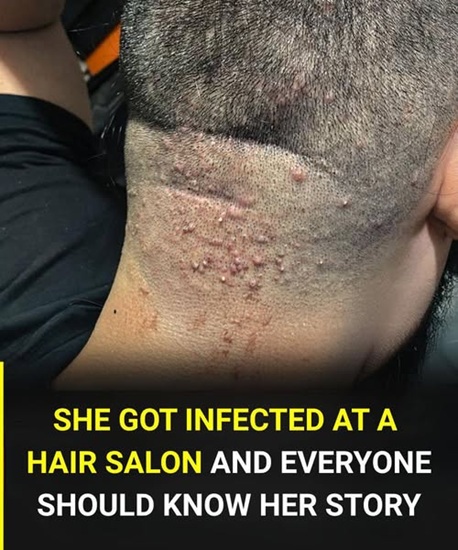
What began as a normal haircut for a 27-year-old man soon became a concerning health issue he never anticipated. Initially, he felt nothing unusual, thinking the visit was routine and completely harmless.
A few days after leaving the barbershop, he noticed a subtle burning sensation along the freshly shaved areas of his neck and jawline. At first, it was mild and barely noticeable.
Assuming it was standard post-shaving irritation, he paid little attention. Many people experience minor redness or tingling after haircuts, so he expected the discomfort to resolve naturally without intervention.
Over the next 48 hours, however, the irritation grew more pronounced. Small red bumps began appearing along the razor lines, signaling an underlying problem beyond typical shaving irritation.

These bumps gradually multiplied, becoming tender, warm, and slightly swollen. Touching or rubbing the affected skin only worsened the discomfort, making it clear that this issue required medical attention.
Finally, he sought professional care, where a dermatologist confirmed bacterial folliculitis. This condition occurs when bacteria, often Staphylococcus aureus, enter hair follicles through microscopic cuts or abrasions.
Folliculitis is common but usually preventable. It can develop from minor skin trauma caused by razors, clippers, or scissors, especially if grooming equipment is not properly sanitized between clients.
Barbershops and salons see many customers daily, and tools move quickly from one client to another. Without strict hygiene practices, bacteria can easily transfer, increasing the likelihood of infection.
Even a single lapse, such as using a disposable razor multiple times or skipping disinfecting clippers, can create the perfect conditions for bacterial growth and follicle invasion.

Early signs of folliculitis can be subtle, including small red bumps, mild pain, or itching. These symptoms are often mistaken for routine shaving irritation, delaying timely medical care.
As the infection progresses, the bumps may form pustules, swell, and become more painful. The area may feel warm to the touch, and scratching can spread bacteria further, worsening the condition.
Prompt treatment is essential. Mild cases often respond well to topical antibiotics, while more severe infections may require oral medications. Delayed care increases discomfort and risk of scarring.
Clients can actively reduce risk by observing hygiene practices in barbershops. Watching clippers being disinfected, ensuring disposable razors are fresh, and choosing visibly clean establishments are practical, effective measures.
Proper personal hygiene is equally important. Washing hands before touching freshly shaved areas and keeping skin clean after grooming help prevent bacteria from entering tiny cuts.

Folliculitis can affect anyone but is more common in individuals with weakened immune systems, diabetes, or pre-existing skin conditions like eczema or acne, making extra vigilance necessary in these cases.
Understanding how infections develop helps clients make informed decisions. Minor abrasions from shaving create entry points for bacteria, making cleanliness, both personal and professional, critical in avoiding infections.
Barbers and salon staff also play a crucial role. Regular sterilization, training on hygiene standards, and routine cleaning of tools and surfaces protect clients and maintain professional credibility.
Sharing personal grooming tools increases infection risk. Razors, clippers, or towels used by multiple people can harbor bacteria for hours, making individual use and proper cleaning essential.
Monitoring the skin after grooming is vital. Redness, swelling, bumps, or unusual tenderness are warning signs that should prompt timely consultation with healthcare professionals rather than home remedies.

Chronic or recurrent folliculitis can occur if infections are not fully treated. This underscores the importance of proper hygiene, careful shaving practices, and avoiding contaminated tools to prevent long-term issues.
Medical management may include topical antibacterial creams, medicated washes, or oral antibiotics depending on infection severity. In rare cases, deeper follicle infections may require drainage or minor surgical intervention.
Recovery requires diligence. Keeping affected areas clean, avoiding scratching, and following medical advice ensures effective healing, reduces discomfort, and minimizes the risk of permanent scarring.
Even mild cases can cause emotional distress. Visible bumps or swelling can affect confidence, highlighting the importance of prevention, awareness, and early treatment for both physical and mental well-being.
Education on grooming hygiene is essential. Public health recommendations emphasize tool sterilization, proper hand hygiene, and individual precautions to minimize bacterial transmission in shared grooming environments.
Awareness of small details protects health. Observing tool sanitation, recognizing early symptoms, and seeking timely care are simple yet highly effective ways to prevent infections from routine grooming.

This story shows how ordinary activities, like haircuts, carry small but real health risks. Awareness, preventive habits, and early intervention ensure that routine grooming remains safe and enjoyable.
Bacterial folliculitis is preventable. Understanding how it develops empowers clients to take practical steps—choosing hygienic salons, monitoring skin, and following medical guidance when needed.
Even routine haircuts benefit from caution. Mindful observation, asking quiet questions about sanitation, and noticing early skin changes can prevent minor issues from escalating into serious health concerns.
Small, consistent hygiene practices make a major difference. Both clients and professionals share responsibility for preventing infections, ensuring that grooming remains a safe, routine part of personal care.
Ultimately, the lesson is clear: simple awareness, proper hygiene, and timely medical attention prevent avoidable infections. Minor precautions save discomfort, pain, and possible long-term skin damage from developing unnoticed.
In conclusion, what started as a harmless haircut became a cautionary tale about bacterial folliculitis. With vigilance, good hygiene, and early care, this common but preventable infection can be avoided entirely.
