

Air fryers have rapidly become one of the most popular kitchen appliances worldwide, offering the ability to enjoy crispy, golden dishes with minimal oil. This makes them a healthier alternative to traditional deep frying.
The appeal lies not only in healthier cooking but also in convenience. Air fryers heat quickly, cook evenly, and require less preparation and cleanup compared to ovens or conventional fryers, making them ideal for busy households.
However, like all kitchen appliances, air fryers must be used correctly. Proper operation ensures safety, prolongs appliance life, and produces the best possible results for every meal, from appetizers to full entrees.
When selecting an air fryer, investing in a quality brand is crucial. Reputable manufacturers adhere to safety standards, provide warranties, and generally offer better performance, ensuring consistent cooking and reduced risk of electrical or fire hazards.
Cheaper or unbranded models often omit essential safety features, such as automatic shutoff, overheat protection, or properly insulated wiring. They may also use lower-quality materials that wear quickly, compromising long-term reliability.

Certified models usually carry safety approvals such as UL, CE, or ETL, giving users confidence that the appliance has passed rigorous tests and adheres to strict industry standards for electrical and thermal safety.
Once you bring your air fryer home, treat it with the same care as a conventional oven. Never leave it unattended while operating, and avoid distractions, as even brief lapses can increase the risk of accidents.
Avoid using the fryer under the influence of alcohol or fatigue, as impaired judgment can lead to mistakes, including overheating, misplacement of accessories, or accidental contact with hot surfaces.
Paying attention to proper placement is also essential. Air fryers generate significant heat, so ensure the surrounding area is clear of flammable materials such as paper, kitchen towels, or plastic utensils that might ignite if too close.
Always allow the air fryer to cool completely before storing it. Stashing it away while still hot can damage surrounding surfaces or the appliance itself, potentially causing deformation or electrical hazards.
Proper airflow is central to air fryer functionality. Never block vents, and always allow several inches of clearance around the machine so hot air can circulate freely and cook food evenly without overheating the unit.
Using liners requires care. While baking paper may seem convenient, standard paper can obstruct airflow or ignite during cooking. Instead, select liners designed specifically for air fryers to maintain safety and performance.

Cleaning is critical after each use. Grease, crumbs, and food residue can accumulate in the basket or tray, posing a fire hazard. Regular washing also prevents unpleasant odors and ensures a hygienic cooking environment.
Avoid abrasive scrubbers or metal utensils that might damage the nonstick surface. Gentle sponges or brushes work best, ensuring longevity of the coating and maintaining smooth airflow during cooking.
Overloading the basket is another common mistake. Crowding food blocks circulation, causing uneven cooking and soggy textures. Cooking in smaller batches produces the signature crispiness air fryers are known for.
Preheating can improve results for certain dishes. While not all recipes require it, a brief preheat cycle ensures the basket is hot from the start, helping achieve a golden, crunchy exterior without overcooking the interior.
Choosing the right oil is essential for optimal results. Oils with a high smoke point, like avocado, canola, or peanut oil, are preferable. Low smoke-point oils, such as extra-virgin olive oil, can burn, creating smoke and an unpleasant flavor.
Applying oil sparingly is also key. A light coating on proteins or vegetables is sufficient for crisping. Excessive oil not only negates health benefits but may drip, creating smoke or triggering automatic safety sensors.
Moisture content in foods affects cooking. Wet or heavily sauced items cook unevenly in air fryers. Patting ingredients dry before cooking improves crispiness and reduces splatter, enhancing both texture and safety.
Using only heat-safe utensils prevents accidents. Wooden, silicone, or specially designed air fryer tools are recommended. Metal or non-heat-resistant implements can scratch baskets, cause sparks, or disrupt proper airflow.
Monitoring food during cooking is an effective habit. Timers are helpful, but individual ingredients and basket size can affect cooking times. Checking midway ensures meals are not overcooked or underdone.
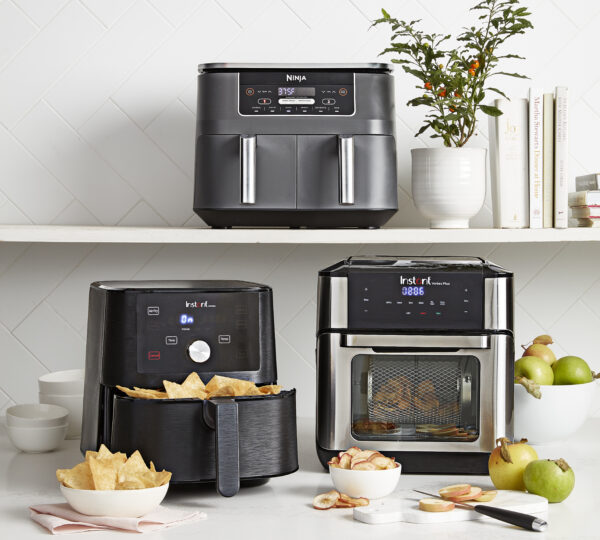
Rotating or shaking food in the basket can promote even cooking. Many recipes recommend shaking halfway through the cycle, ensuring all sides receive equal airflow and preventing uneven browning or burning.
Accessories should be used according to manufacturer instructions. Baking racks, skewers, and silicone molds are useful, but improper placement can obstruct air circulation, affecting cooking performance and potentially overloading the machine.
Temperature settings are crucial. High heat is effective for crisping, while lower temperatures suit delicate items. Following recommended temperatures for each recipe preserves taste and texture while preventing smoke or burning.
Avoid cooking foods with extremely sticky sauces, which may drip and adhere to the basket, creating cleaning challenges and potential fire hazards. Applying sauces after cooking can achieve flavor without risking damage.
Electrical safety is also critical. Ensure the appliance is plugged directly into a wall outlet rather than using extension cords, which may not handle high amperage, risking overheating or electrical fires.
Position the cord away from hot surfaces. A dangling or close-to-heater cord can melt, causing exposure of live wires and creating significant safety risks, including sparks or short circuits.
Some models offer digital controls and pre-set functions. While convenient, always double-check that the settings match the intended recipe to avoid undercooking or overcooking, which can compromise both taste and safety.
Air fryers can accommodate diverse foods, from fries to meats, but each ingredient behaves differently. Learning the specific cooking times for vegetables, poultry, or frozen items improves efficiency and prevents repeated trials.
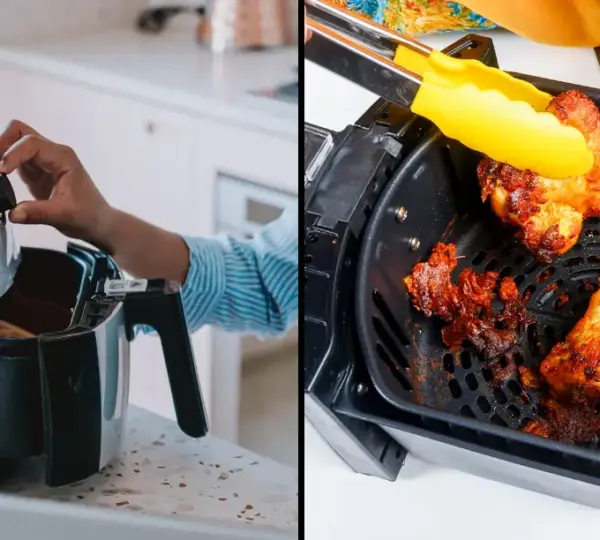
Cleaning the exterior is also important. Wiping down the outer casing prevents grease buildup, which can attract dust and create unpleasant odors or diminish the aesthetic appeal of your kitchen appliances.
Regularly inspecting the fryer ensures continued safety. Check baskets, trays, heating elements, and vents for signs of wear, damage, or residue accumulation. Replace damaged components promptly to maintain safe operation.
Avoid placing the fryer inside cabinets immediately after cooking. The appliance releases heat into the surrounding area, which can damage wood or laminate surfaces and create fire hazards if ventilation is restricted.
Children should be supervised around air fryers. While the appliance is generally safe, hot surfaces and rapidly circulating air can cause burns or injury if proper precautions are not followed.
Air fryers are versatile. They can roast vegetables, bake pastries, or reheat leftovers. Understanding the appliance’s limits and strengths ensures every use is safe, efficient, and enjoyable.
Do not attempt to deep-fry with excessive oil inside an air fryer. The technology relies on hot air, not oil submersion, and overfilling can lead to leaks, smoke, or even fires in extreme cases.
Many users find meal prep easier with air fryers. Pre-chopping ingredients, applying minimal oil, and portioning correctly help maximize the appliance’s efficiency while maintaining crispness and flavor.
Cooking frozen foods requires slightly longer times. Air fryers excel at quickly cooking frozen items, but relying solely on preset times may leave interiors cold. Checking midway prevents soggy or unevenly cooked meals.

The basket should always be replaced carefully. Removing hot baskets without proper grips can lead to burns, and using protective mitts or gloves is recommended during all handling stages.
Maintaining a clean vent system is essential. Clogged vents reduce airflow, causing uneven cooking and forcing the heating element to work harder, which can shorten appliance lifespan and increase electricity usage.
Air fryers vary in size. Larger models handle bigger meals but may require longer cooking times, while compact units are ideal for small portions. Selecting the correct size ensures consistent results and energy efficiency.
Recipes may need minor adjustments. Altitude, ingredient moisture, and basket load affect cooking, so experience and experimentation improve consistency, ensuring crisp, evenly cooked meals every time.
Some appliances include app connectivity for temperature and timing monitoring. While convenient, always physically check food to ensure doneness, as sensors may misread crowded or unevenly spaced baskets.
Air fryers also excel at reheating. Unlike microwaves, they restore crispness to leftovers while reducing excess oil, making them ideal for pizzas, fries, or roasted vegetables without sacrificing texture.
Understanding smoke signals is crucial. A small wisp may indicate residue, but persistent smoke signals overloading, oil burning, or ingredient dripping, which requires immediate attention to prevent hazards.
Avoid placing paper towels, waxed paper, or parchment not rated for high heat inside the basket, as these can ignite, particularly during longer cooking cycles or at higher temperatures.
The appliance’s lid or basket handle may become hot. Always use designated grips, mitts, or silicone sleeves to avoid burns, and educate household members on safe handling practices.
Over time, replacing worn baskets or trays maintains safety and performance. Nonstick coatings degrade naturally, and damaged components can compromise airflow, cooking results, and overall safety.
Proper storage ensures longevity. Keep the air fryer in a clean, dry location, away from moisture or dust, to prevent corrosion, short-circuiting, or accumulation of residual grease that could create hazards.
Even with careful use, always have a fire extinguisher or baking soda nearby in the kitchen. While air fryers are generally safe, any appliance using heat carries inherent risks, and preparedness is key.
With these guidelines, air fryers offer versatile, healthier cooking solutions. By following manufacturer instructions, maintaining the appliance, and exercising caution, users can enjoy perfectly cooked meals safely for years.
Understanding both the appliance’s strengths and limitations maximizes results. Attention to detail, proper cleaning, safety precautions, and thoughtful ingredient preparation transform the air fryer into an indispensable kitchen tool.

