
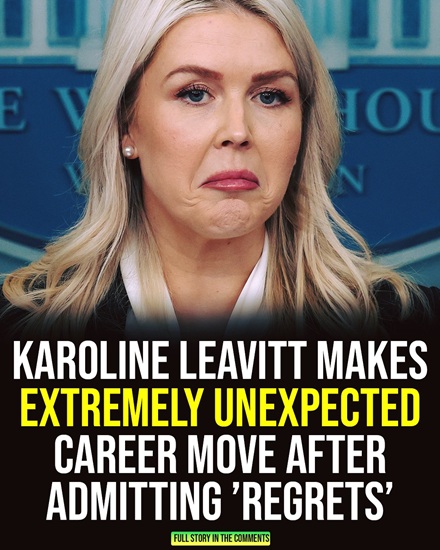
In early April 2026, White House Press Secretary Karoline Leavitt will embark on a nationwide college speaking tour designed to highlight free speech, civic engagement, and student involvement in public discourse, alongside conservative leader Erika Kirk.
The tour is being organised by the youth-focused nonprofit Turning Point USA (TPUSA), which has built a reputation for engaging young Americans in political discussion and activism.
The first event is set to take place on April 2 at George Washington University in Washington, D.C., where Leavitt will appear as the primary featured speaker.
TPUSA presents the tour as an opportunity to encourage students to participate in debates and conversations about political and social issues in a campus setting.

Turning Point USA, founded in 2012, promotes principles such as limited government, free-market policies, and what it defines as the protection of free speech on college campuses.
The organisation was co-founded by conservative activist Charlie Kirk when he was just 18 years old, quickly becoming one of the largest youth-oriented political groups in the United States.
Charlie Kirk gained recognition for organising debates and speaking tours at universities nationwide, building a platform that attracted thousands of student attendees.
His career, however, ended tragically on September 10, 2025, when he was fatally shot while speaking at a TPUSA event at Utah Valley University. Kirk’s assassination prompted widespread national reflection on political violence, public safety, and the polarisation of American discourse.
Following Kirk’s death, his widow Erika Kirk assumed a leading role as CEO and chair of TPUSA. Erika Kirk, a businesswoman and former Miss Arizona USA, has also led faith-based and nonprofit initiatives emphasising community service, civic participation, and mentorship for young adults.
Her leadership ensures the organisation continues Charlie Kirk’s mission of engaging students in political and civic life.
The tour, titled the “This is the Turning Point USA Tour,” is presented by organisers as both a tribute to Charlie Kirk’s legacy and a platform for advocating free speech on college campuses nationwide.

Each campus visit is framed as an opportunity to foster dialogue, encourage debate, and challenge students to think critically about civic responsibility and political engagement.
While TPUSA has faced criticism in the past for its messaging and approach, the organisation maintains influence among conservative student activists and frequently draws large audiences at college events across the United States.
The upcoming tour is expected to continue this tradition by visiting campuses in states such as Georgia and Ohio, with additional locations to be announced.
Vice President J.D. Vance has also participated in select TPUSA events since Kirk’s death, underscoring the organisation’s ongoing connections to national conservative political figures.
Leavitt’s participation similarly reflects the administration’s interest in engaging younger voters and fostering discussion on free speech, policy, and civic engagement within academic settings.
Leavitt’s decision to join the tour followed an Instagram post in which she shared a personal list titled “things you will never regret,” highlighting values such as prayer, family time, and gratitude.
She encouraged followers to invest in meaningful experiences, reduce screen time, and focus on personal reflection, aligning these principles with her broader engagement on college campuses.
Reactions on social media have been mixed, with supporters praising the tour as a chance to promote discussion, while critics have questioned both the pairing of speakers and the messaging of the tour.

Some responses took a humorous tone, jokingly dubbing the series the “Christian Blondes Speak Out On Stuff” tour, highlighting the often satirical nature of online discourse.
Conservative activists defending the tour argue that it provides students with a rare platform for open dialogue and intellectual engagement during a period of heightened political tension.
The events are intended to empower students to challenge prevailing narratives, consider diverse perspectives, and participate actively in public debate.
TPUSA’s broader mission is to encourage civic engagement and political activism among young Americans. The organisation advocates for student-led initiatives, campus chapter involvement, and participation in nationwide events that amplify conservative viewpoints.
Critics have pointed out that the group’s polarising approach to campus politics may at times increase tension rather than promote constructive dialogue. However, supporters contend that the events encourage exposure to differing viewpoints and the development of critical thinking skills among students.
Leavitt’s role as a White House official adds a national political dimension to the tour. Her participation combines campus outreach with broader policy discussions, drawing attention to free speech, civic responsibility, and the role of young people in shaping public debate.
The tour also underscores ongoing national conversations about free speech on campuses, particularly following violent incidents involving speakers in recent years. Debates have intensified around balancing the protection of open dialogue with the need to ensure safety and prevent hostility in academic spaces.

Supporters of the tour emphasise its ability to facilitate respectful exchanges across ideological lines, allowing students to engage with viewpoints that differ from their own. Meanwhile, other observers argue that advocacy for free speech should be paired with measures to reduce tensions, creating safe environments for open debate.
TPUSA’s touring model reflects a broader trend of political organisations engaging directly with young voters. Campus events typically feature speeches, panel discussions, and interactive question-and-answer sessions designed to encourage student participation and foster dialogue about civic and political issues.
University administrations often face pressure when hosting politically diverse speakers, weighing institutional neutrality against policies that support open discourse. Each stop of the tour is likely to generate its own mix of support, protest, and student involvement, highlighting the ideological diversity of contemporary campuses.
The events are positioned as educational opportunities, encouraging students to explore civic engagement and political responsibility free from censorship. Past TPUSA events have drawn thousands of attendees, and the new tour builds on the legacy of prior speaking engagements, rallies, and national summits.
Erika Kirk’s presence as both CEO and keynote speaker emphasizes continuity of leadership while balancing her responsibilities as a mother, business leader, and public figure. Her role connects the organisation’s current activities to Charlie Kirk’s original vision of student engagement and ideological outreach.
Karoline Leavitt adds additional visibility and authority to the tour. As White House Press Secretary, her participation merges campus-level engagement with national political messaging, highlighting administration priorities related to youth involvement, civic responsibility, and public discourse.

Throughout the spring and into summer, the tour is expected to continue shaping discussions on free speech, political participation, and the responsibilities of both students and institutions in facilitating debate. Each event provides students with an opportunity to participate directly in discussions about the future of civic engagement in the United States.
Observers agree that the tour illustrates the ongoing importance of youth participation in political issues, while also demonstrating how events hosted by advocacy organisations intersect with national policy debates. College students attending the tour gain exposure to perspectives that may influence their views on governance, free speech, and political activism.
The tour highlights broader trends in American political engagement, where generational activism, ideology, and debates over public expression converge on campus stages. TPUSA events continue to serve as prominent forums for conservative ideas, providing both educational opportunities and public discourse platforms.
Organisers have indicated that more dates, speakers, and campus locations will be added in the coming months. The tour aims to maintain a combination of tribute to Charlie Kirk’s legacy and promotion of civic dialogue, drawing students into conversations about policy, responsibility, and ideological diversity.
Leavitt and Erika Kirk’s participation demonstrates the merging of leadership, advocacy, and outreach, combining personal narrative, organisational mission, and national political priorities into a unified campus-focused initiative.
By providing a platform for discussion, the “This is the Turning Point USA Tour” seeks to cultivate student engagement, reinforce the value of civic responsibility, and advance public debate on issues of free speech and ideological diversity in higher education.
The tour serves as a reminder that campus politics can intersect meaningfully with national discourse, offering young Americans opportunities to participate directly in shaping political and cultural conversation.
In summary, the nationwide speaking tour reflects a continuing effort to engage college students in civic life, promote open debate, and encourage ideological participation while connecting the next generation of voters to broader national political conversations.
